On 29 October 2026, multiple kinetic incidents unfolded across the Middle East and Eastern Europe, highlighting heightened missile and drone activity in several conflict zones. The most consequential development was the reported deployment of Ansarullah ballistic missiles aimed at Saudi Arabian cities currently on high alert, as documented by the GeoPWatch monitoring channel.
Ansarullah Ballistic Missile Threat to Saudi Arabia
At 16:52:38 UTC, GeoPWatch relayed that the Yemen‑based militant group Ansarullah launched a series of ballistic missiles targeting Saudi cities that have been placed on alert due to escalating regional tensions. The missiles, described as “ballistic missiles” in the source, were reportedly directed toward multiple urban centers, though exact coordinates were not disclosed. The announcement, posted on the GeoPWatch Telegram channel (source), emphasized that the missiles are “currently targeting the Saudi cities under alert.” No casualty figures were provided at the time of reporting, and the Saudi defense apparatus has not yet confirmed interception outcomes.
"Ansarullah BMs are currently targeting the Saudi cities under alert," GeoPWatch reported.
The strategic implication of this missile deployment is significant, as it underscores the capacity of non‑state actors in Yemen to project force beyond their immediate theater, potentially prompting a broader regional response. Saudi Arabia’s air defense systems, including the Patriot and THAAD platforms, are expected to engage any inbound threats, but the lack of confirmed interceptions leaves the situation open to rapid escalation.
Rocket Attacks on Israeli Protesters
In a separate incident, the Israeli security forces faced a wave of rocket fire directed at civilian demonstrators. At 16:26:15 UTC, the Telegram channel idkunim_il posted a video showing “shock rockets” being launched directly at protesters, an act described as a violation of Israeli law (source). The rockets, identified simply as “rockets” without further classification, were reportedly used in a crowd‑control context, raising concerns about the proportionality of force employed by security personnel.
"Attention: shock rockets are being thrown directly at demonstrators in violation of the law," idkunim_il reported.
While the incident did not include official casualty numbers, the presence of video evidence suggests at least a potential for injuries. The event reflects ongoing internal tensions within Israel, where public demonstrations have increasingly intersected with security operations, prompting scrutiny from both domestic and international observers.
Drone Interceptions Over Russia and Ukraine
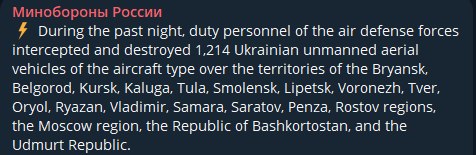
Two contrasting drone‑related reports emerged from the Eastern European front, each illustrating the high‑intensity aerial contest between Russian and Ukrainian forces. The first, posted at 08:58:33 UTC by the monitor_the_situation channel, cited a claim from the Russian Defense Ministry that Russian forces shot down 1,214 Ukrainian drones in a single night (source). The claim, accompanied by a single photograph, lacked verification and omitted details such as the geographic locations of the interceptions or the types of drones involved. The extraordinary figure, if accurate, would represent a record‑breaking defensive effort, but the absence of corroborating evidence warrants cautious interpretation.
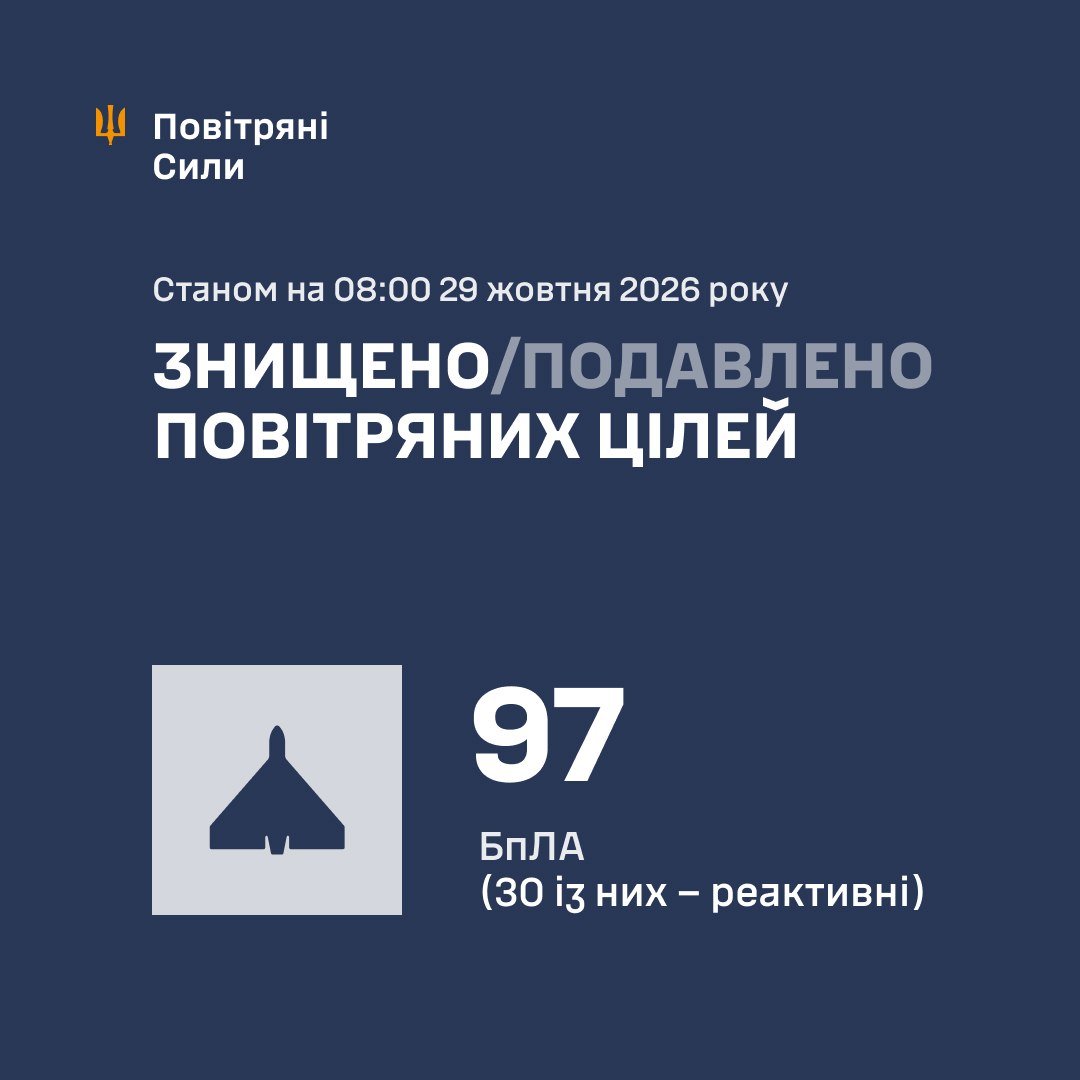
The second report, also from monitor_the_situation and timestamped 08:29:27 UTC, detailed Ukrainian air‑defense successes against a Russian drone barrage. Ukrainian forces reportedly downed 97 of 112 Russian drones overnight, leaving seven strike drones that successfully impacted multiple sites. The breakdown included 30 of 40 Shahed‑type drones being intercepted, with the remaining seven strike drones causing damage at seven distinct locations and generating debris at five additional sites (source).
"Ukraine Downs 97 of 112 Russian Drones Overnight," monitor_the_situation reported.
These figures illustrate a stark contrast: while Russian authorities claim a massive defensive tally, Ukrainian sources provide a detailed account of both successful interceptions and residual strike effects. The Ukrainian report specifies the types of drones—Shahed reconnaissance models and larger strike variants—highlighting the evolving composition of Russia’s unmanned aerial campaign.
Analytical Overview
The convergence of missile, rocket, and drone activity on 29 October underscores a broader pattern of kinetic escalation across disparate theaters. In the Arabian Peninsula, Ansarullah’s ballistic missile launch signals a potential shift from guerrilla tactics to strategic missile employment, raising the stakes for Saudi air‑defense readiness. In Israel, the use of shock rockets against protesters reflects an internal security dynamic where crowd‑control measures intersect with lethal force, potentially breaching legal thresholds.
Meanwhile, the Eastern European drone engagements reveal a high‑tempo aerial contest where both sides claim significant interception rates. The Russian claim of over a thousand downed Ukrainian drones, if substantiated, would indicate an unprecedented level of UAV saturation, yet the lack of independent verification tempers its analytical weight. Conversely, Ukraine’s documented downing of 97 Russian drones, coupled with the residual strike impacts, demonstrates both the effectiveness of its integrated air‑defense network and the persistent threat posed by Russian UAVs.
Collectively, these events illustrate the increasing reliance on unmanned and missile systems to achieve tactical objectives, while also exposing the challenges of verification in real‑time conflict reporting. The disparate nature of the incidents—ranging from state‑level drone interceptions to non‑state ballistic missile launches—highlights the fluidity of modern kinetic warfare and the necessity for continuous monitoring across multiple domains.