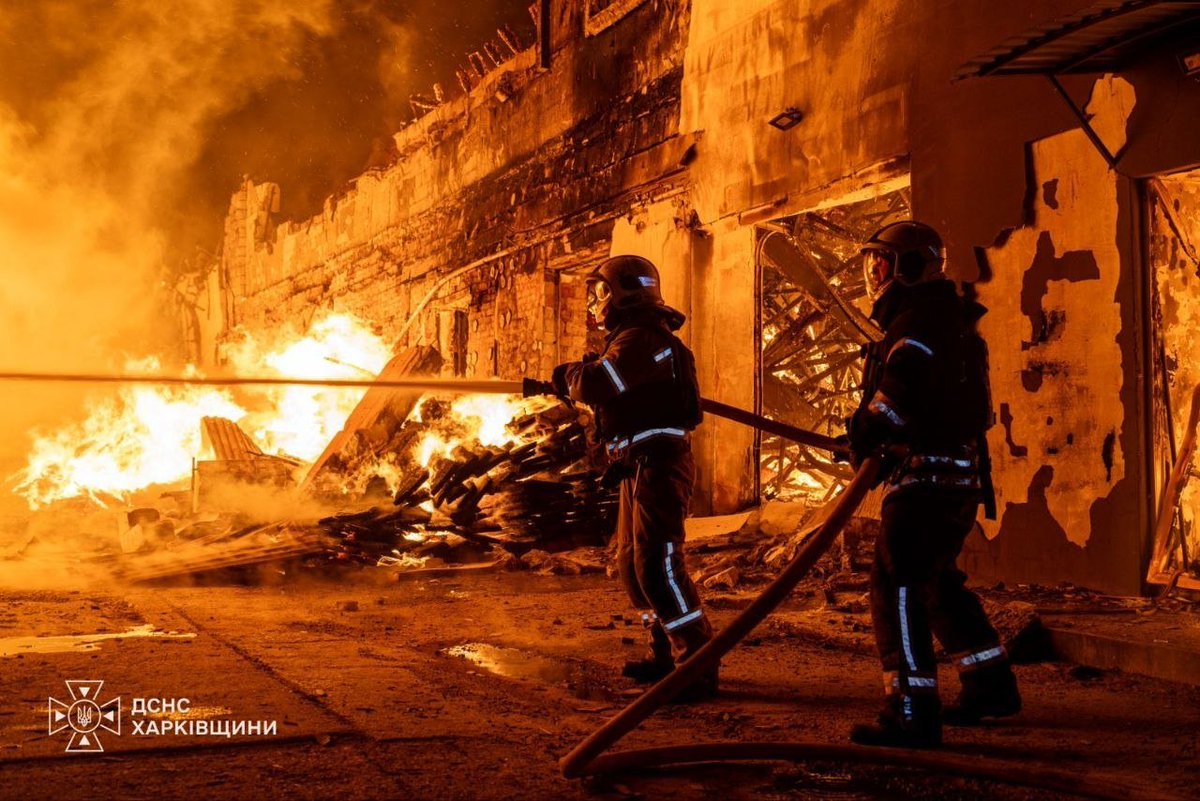
On 28 October 2026, Ukraine experienced a surge of kinetic attacks, the most lethal being coordinated UAV strikes across seven regions that resulted in 18 civilian deaths and 126 injuries.
Multi‑regional UAV campaign
According to the Telegram channel monitor_the_situation, unmanned aerial vehicles (UAVs) were deployed in Chernihiv, Sumy, Kharkiv, Donetsk, Dnipropetrovsk, Kherson, Chernivtsi and the occupied Luhansk region. The attacks, which unfolded over the preceding 24 hours, targeted civilian infrastructure, residential areas and transport corridors. No specific armed organization was claimed, and the weapons are identified simply as “UAV”.
“Over the past 24 hours, at least 18 civilians killed and 126 injured in strikes across Ukraine, including UAV attacks in Chernihiv, Sumy, Kharkiv, Donetsk, Dnipropetrovsk, Kherson, and Chernivtsi regions, and in occupied Luhansk.” – monitor_the_situation, 28 Oct 2026, https://t.me/monitor_the_situation/39799
The casualty distribution was uneven. In Chernihiv Oblast, three fatalities were recorded alongside twelve injuries; Sumy reported two deaths and fifteen injuries; Kharkiv saw four deaths and thirty‑two injuries; Donetsk accounted for two deaths and twenty‑four injuries; Dnipropetrovsk reported three deaths and twenty‑one injuries; Kherson recorded two deaths and fourteen injuries; Chernivtsi had no fatalities but eight injuries; and occupied Luhansk reported no confirmed casualties but ongoing damage assessments.
Analysts note that the breadth of the strike pattern suggests a coordinated operational tempo designed to overwhelm local air‑defence assets and emergency response capabilities. The lack of a declared responsible organization complicates attribution, though the use of Russian‑manufactured UAV platforms is consistent with prior patterns.
Rubicon‑operated Geran‑4 kamikaze drone strike on P‑18 radar
At 17:50 UTC, a Geran‑4 seeker kamikaze drone, reportedly operated by the Russian “Rubicon” centre, struck a P‑18 radar installation near the village of Nadiya in Zaporizhzhia Oblast. The source intelslava provided video evidence of the impact, confirming the drone’s payload detonated on the radar array, rendering the site temporarily inoperative.
“A Rubicon‑operated Geran‑4 kamikaze drone struck a P‑18 radar station near the village of Nadiya in Ukraine’s Zaporizhzhia region.” – intelslava, 28 Oct 2026, https://t.me/intelslava/97151
No civilian casualties were reported, and the immediate tactical effect was the degradation of air‑defence early‑warning capability in the sector. The Geran‑4, a converted commercial UAV equipped with a loitering‑munition warhead, has been employed in previous Russian‑aligned operations to neutralise fixed‑site radars and command‑and‑control nodes.
Strategically, the loss of a P‑18 radar may force Ukrainian forces to rely on alternative surveillance assets, potentially increasing the vulnerability of the Zaporizhzhia front to subsequent aerial attacks.
Drone‑related travel disruption in Dnipro
At 11:45 UTC, air‑raid alerts triggered by a reported Russian drone threat forced a Reuters news crew to abandon a scheduled train from Dnipro to Odesa, opting instead for an overnight rail journey. The incident, documented by monitor_the_situation, underscores the broader impact of drone activity on civilian mobility and logistics.
“Reuters crew rides overnight train from Dnipro to Odesa amid evacuations and air raid alerts as Russian drone strike threat disrupts civilian travel.” – monitor_the_situation, 28 Oct 2026, https://t.me/monitor_the_situation/39743
While no injuries were reported, the event illustrates how the perceived drone threat can precipitate large‑scale civilian displacement and strain transport infrastructure, especially in central Ukraine where rail corridors are critical for both civilian and military supply lines.
Russian Tornado‑S rocket strike on Derhachi industrial facility
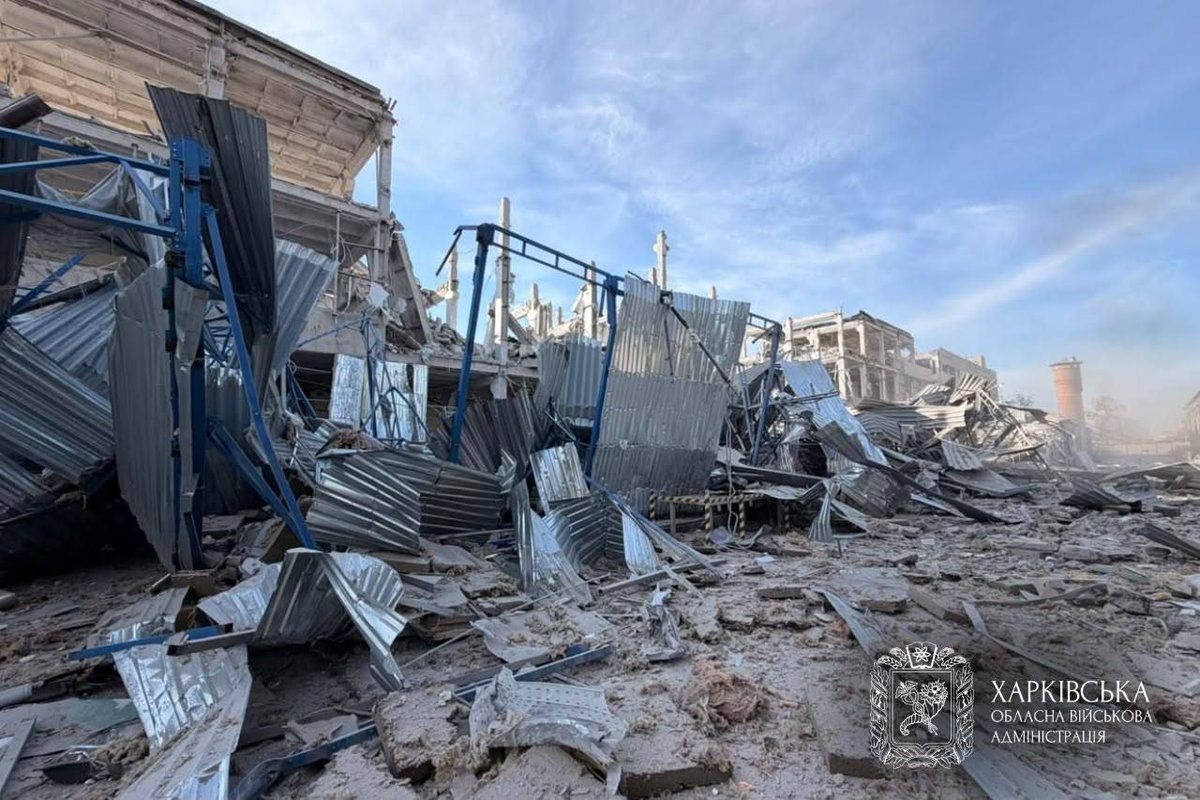
At 07:34 UTC, Russian forces launched Tornado‑S rockets against an industrial complex in Derhachi, Kharkiv Oblast. The strike, reported by monitor_the_situation, caused structural damage to the facility but resulted in no casualties.
“Newly released footage shows damage from Russian Tornado‑S rocket strikes on an industrial facility in Derhachi, Kharkiv Oblast. No casualties or timeline reported.” – monitor_the_situation, 28 Oct 2026, https://t.me/monitor_the_situation/39686
The Tornado‑S is a precision‑guided artillery rocket capable of striking targets up to 120 km away. Its use against industrial infrastructure aligns with a pattern of targeting economic assets to degrade regional production capacity.
Although the immediate human cost was limited, the damage to the facility may affect local employment and supply chains, contributing to longer‑term economic pressure on the Kharkiv region.
Overall assessment
The events of 28 October demonstrate a multi‑dimensional kinetic campaign by Russian‑aligned forces, combining high‑casualty UAV attacks, precision drone strikes on air‑defence assets, and artillery rocket bombardment of industrial sites. The coordinated UAV campaign produced the highest civilian toll, highlighting the persistent threat to non‑combatants even as front‑line engagements evolve.
Ukrainian authorities continue to adapt by reinforcing air‑defence networks, dispersing critical infrastructure, and issuing public alerts to mitigate civilian exposure. However, the breadth of the attacks across seven oblasts indicates a sustained capacity to project kinetic force over a wide geographic area.