On 28 October 2026, Houthi forces launched a coordinated attack on Aden International Airport in Yemen after issuing an evacuation warning, marking the most significant kinetic event of the day. The strike, reported by the Telegram channel monitor_the_situation, highlights the group’s continued capability to target critical infrastructure despite international pressure. The incident follows a cascade of high‑intensity engagements across the region, including Jordanian airstrikes in southern Syria, a Russian Bulava ICBM test, and a massive Russian missile‑drone barrage over Ukraine.
Houthi Attack on Aden International Airport
At 15:35 local time, Houthi militants fired upon Aden International Airport, prompting an immediate evacuation order for passengers and staff. While the exact weapon systems used were not disclosed, the attack caused significant disruption to civilian air traffic and raised concerns about the security of Yemen’s primary gateway. The event was documented by monitor_the_situation and corroborated by Reuters sources, which noted that the strike occurred shortly after the group warned of imminent operations.
"Houthis attacked Aden Airport after evacuation warning," monitor_the_situation, 28 Oct 2026.
Casualties have not been independently verified, but the disruption to airport operations is expected to have economic repercussions for Yemen’s fragile recovery.
Jordanian Airstrikes in Southern Syria
Earlier in the day, at 12:35, Jordanian air forces conducted strikes in southern Syria, killing at least seven civilians, including three children. The operation, reported by Al Jazeera, targeted locations believed to be linked to militant groups operating near the Jordan‑Syria border. The precise coordinates were not released, but the strikes underscore Jordan’s willingness to engage militarily beyond its borders in response to perceived security threats.
"Jordan’s air strikes in southern Syria killed at least seven people, including three children," Al Jazeera, 28 Oct 2026.
The civilian toll has drawn condemnation from humanitarian organizations, though Jordan maintains that the targets were legitimate combatants.
Russian Bulava ICBM Test in the Sea of Okhotsk
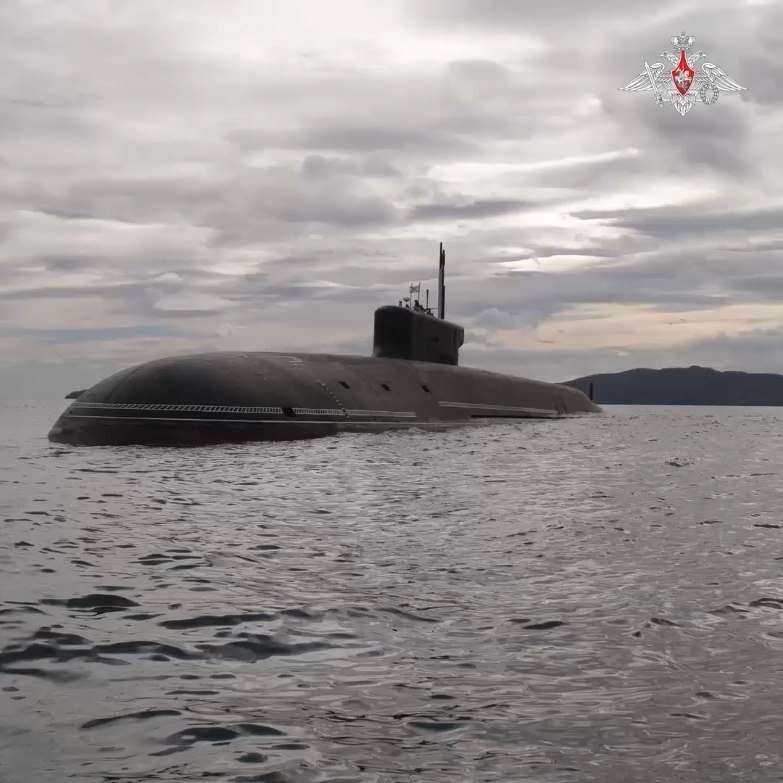
At 10:40, the Russian Defence Ministry announced a successful test‑fire of a Bulava intercontinental ballistic missile (ICBM) from the nuclear submarine Generalissimo Suvorov in the Sea of Okhotsk. The missile’s warheads reportedly reached the designated test range on schedule, demonstrating Russia’s continued focus on strategic deterrence capabilities. The test was reported by the Telegram channel intelslava and included a photo of the launch.
"Russia test‑fires a Bulava intercontinental ballistic missile from its nuclear submarine Generalissimo Suvorov in the Sea of Okhotsk," intelslava, 28 Oct 2026.
While not a combat operation, the test contributes to the broader kinetic environment by showcasing advanced missile technology that could be employed in future conflicts.
Russian Missile and Drone Swarm Over Ukraine
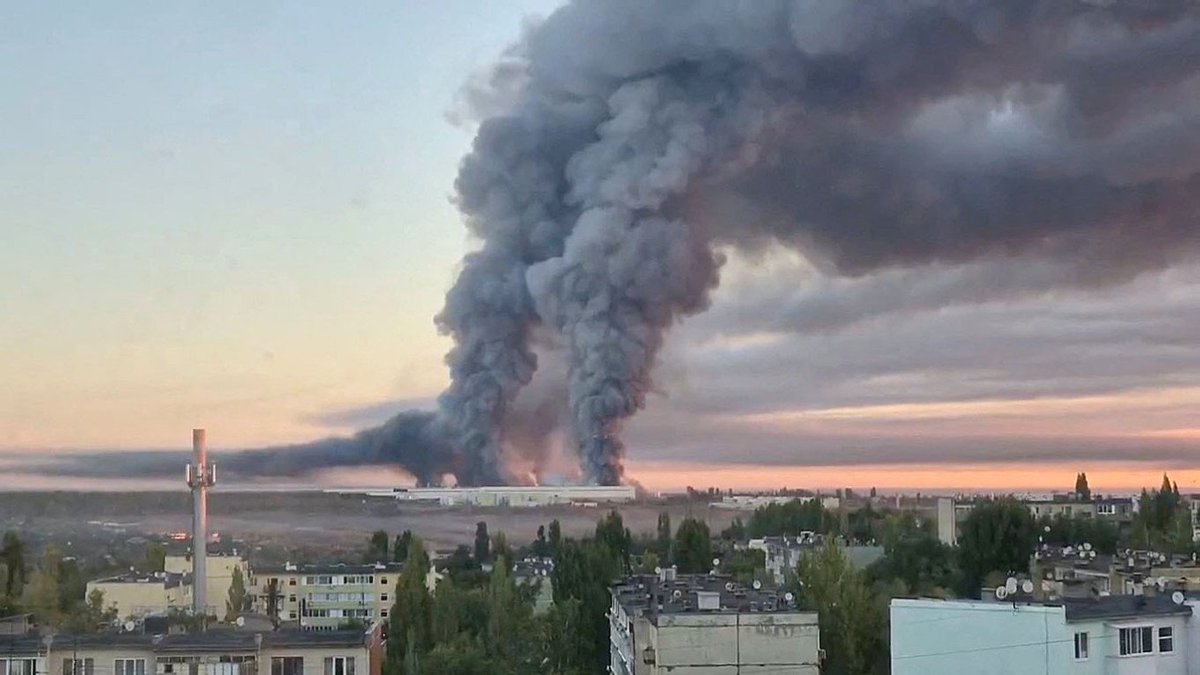
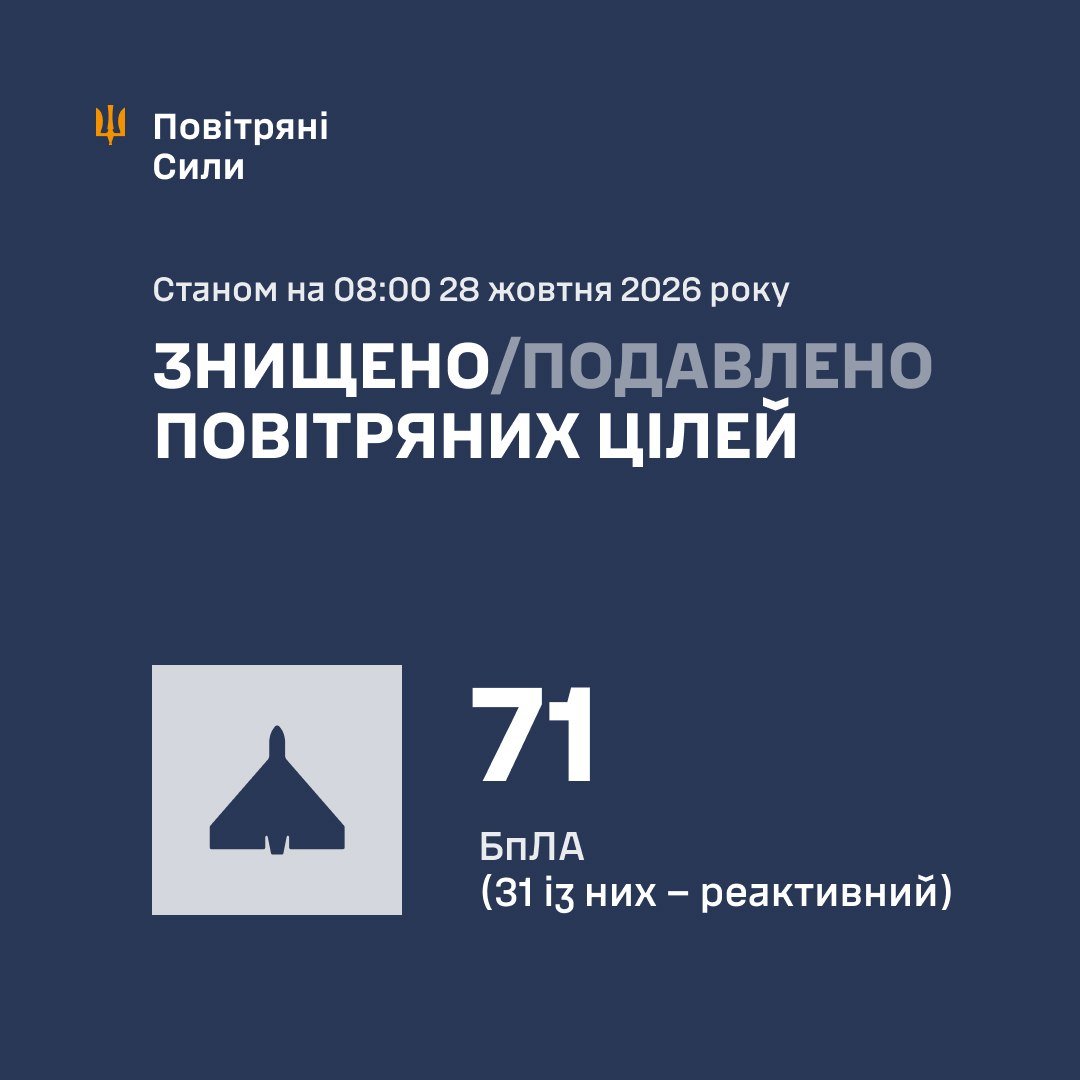
In the early hours of 28 October, Russia launched an Iskander‑M ballistic missile accompanied by a swarm of 88 drones targeting Ukrainian territory. Ukrainian air defenses intercepted 71 of the drones, with impacts recorded at eight separate locations. The operation, detailed by monitor_the_situation, illustrates the integration of ballistic missiles with unmanned aerial systems in modern warfare.
"Russia launched an Iskander‑M/S‑400 ballistic missile and 88 drones overnight; Ukraine's air defenses shot down or suppressed 71 drones, with impacts at 8 locations," monitor_the_situation, 28 Oct 2026.
The engagement underscores Ukraine’s reliance on layered air‑defense assets, including legacy systems such as the MIM‑23 Hawk, which later intercepted two Russian Kalibr cruise missiles over Ukrainian airspace.
Additional Kinetic Incidents Across the Region
Several medium‑severity events further illustrate the day’s widespread kinetic activity:
- Ukrainian Hawk Interception: At 16:09, a Ukrainian MIM‑23 Hawk missile successfully downed two Russian Kalibr cruise missiles, as reported by monitor_the_situation (source).
- Drone Strike on Liberian‑Flagged Vessel: Russian drones struck the container ship CONTSHIP JET 21 nautical miles off Cape Shabla, Bulgaria, causing damage but not sinking the vessel. The incident was documented by CIG_telegram (source).
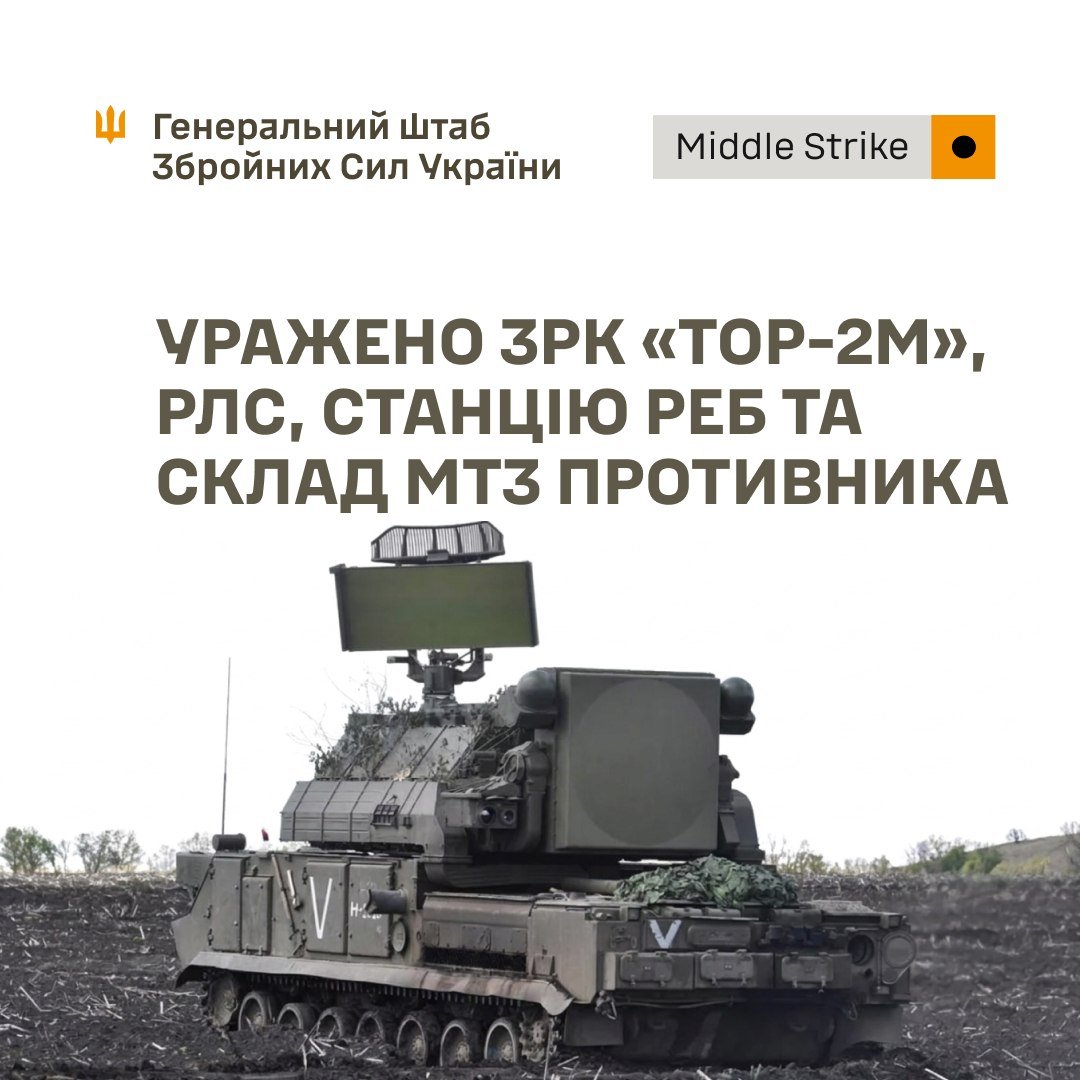
- Ukrainian Strikes in Russian Heartland: Ukrainian forces reported hits on a Tor‑M2 air‑defence system and radar in Kursk, an electronic‑warfare station in Bryansk, and a logistics depot near Valerianivka in Donetsk. The Ukrainian General Staff released the details via monitor_the_situation (source).
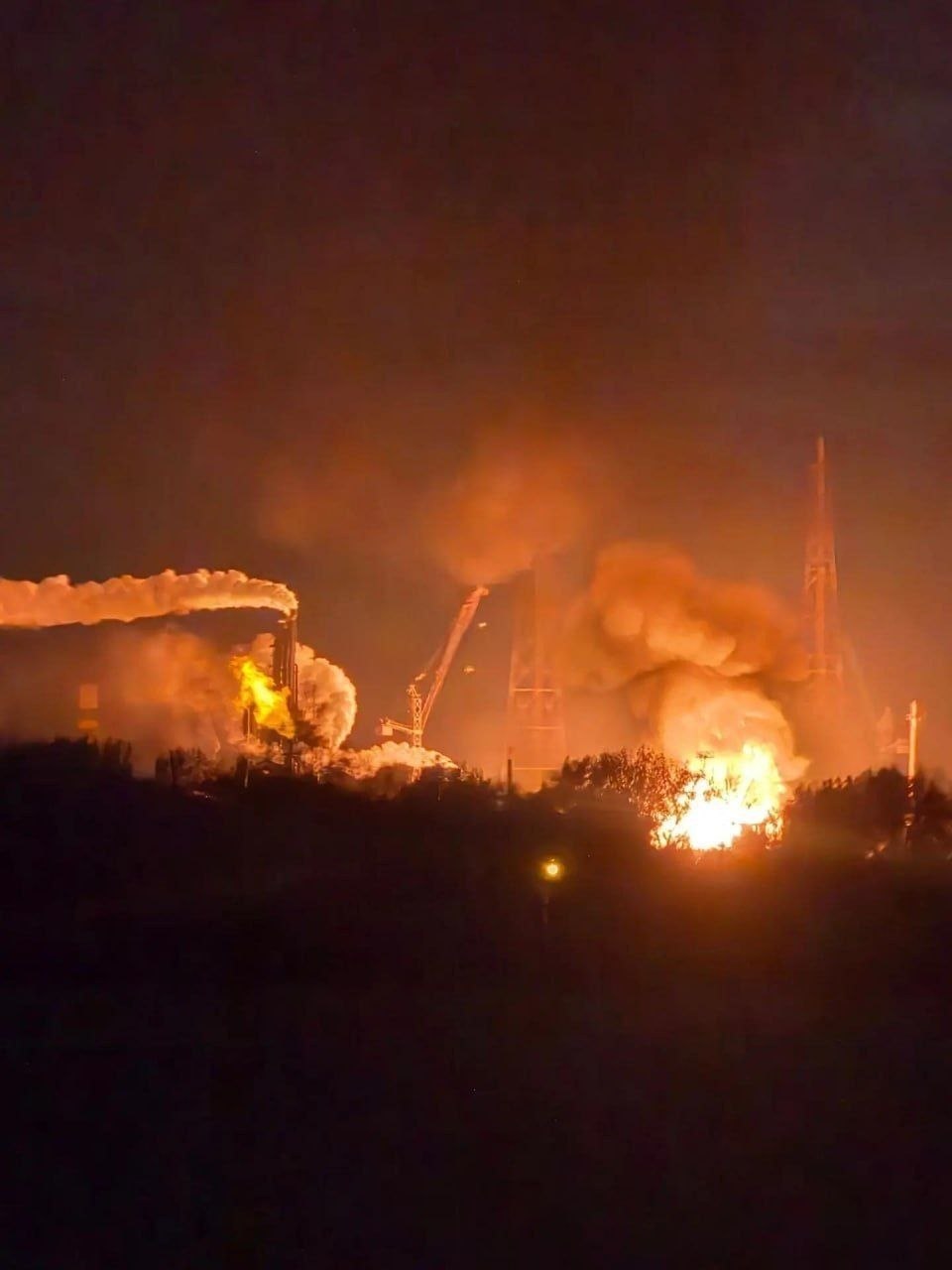
- Storm Shadow Hits on Energia Plant: Satellite imagery confirmed four Storm Shadow missiles striking the Energia plant in Yelets, Lipetsk Oblast, causing extensive damage to facilities that produce power sources for Russian missile systems. The imagery was shared by monitor_the_situation (source).
- Fuel Tank Explosion in Sudan: A strike ignited a 750,000‑liter diesel fuel tank east of Al Managil in Gezira State, Sudan, as reported by monitor_the_situation (source).
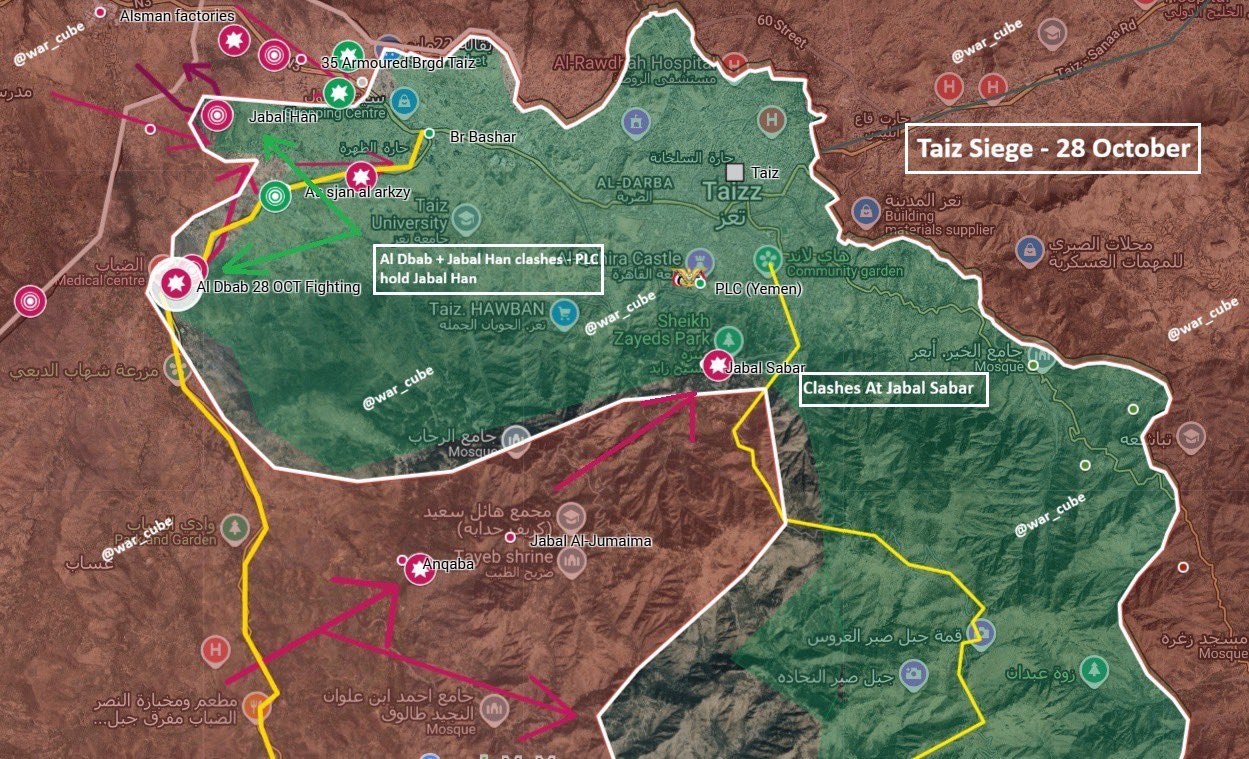
- Ground Conflict in Taiz, Yemen: Ongoing battles between AnsarAllah and the PLC Government continued at Jabal Han, Al Dbab and Jabal Sabar, with the city under siege and lacking water and electricity. The situation was detailed by CIG_telegram (source).
- Regional Tensions in West Africa: Niger accused Chad of a drone strike in the Agadez region that killed two civilians, a claim denied by Chad. The allegation was posted by rnintel (source).
- Libyan National Army Movements: Convoys led by Saddam Haftar moved toward the Libya‑Algeria‑Niger border over a 48‑hour period, as reported by rnintel (source).
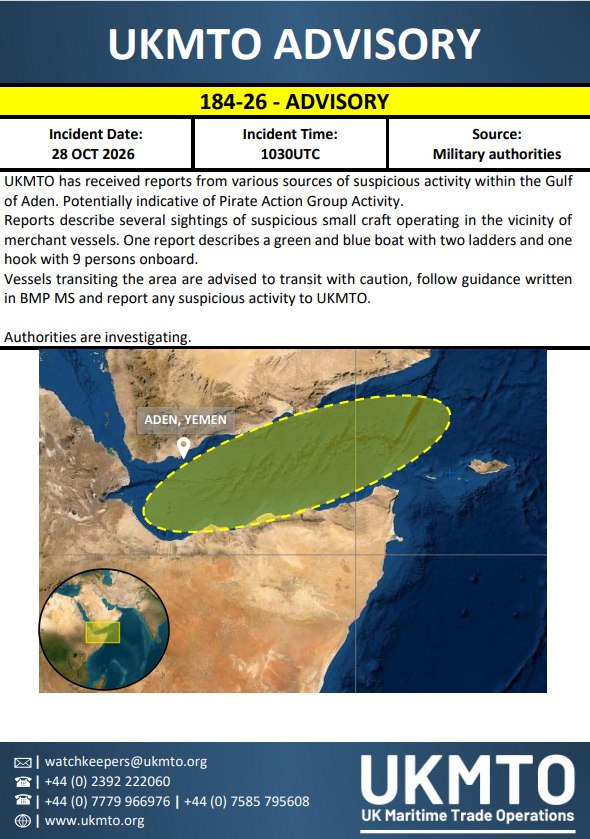
- Piracy‑Related Activity: The UK Maritime Trade Operations (UKMTO) reported suspicious small craft, potentially linked to the Pirate Action Group, operating near merchant vessels in the Gulf of Aden (source).
- Drone‑Induced Economic Losses in Russia: E‑commerce platform Ozon estimated $374 million in losses after drone strikes ignited fires at 11 logistics facilities across Russia (source).
- Knife Attack at Israeli Embassy in Belgrade: A knife‑wielding assailant was killed after stabbing a guard outside the Israeli Embassy; Serbian police classified the incident as a terrorist attack (source).
Collectively, these events demonstrate a pattern of kinetic engagements that blend conventional firepower with emerging technologies such as drones and precision‑guided missiles. The geographic spread—from the Red Sea to the Black Sea, and from the Korean peninsula to West Africa—highlights the increasingly globalized nature of modern conflict.
Implications for Regional Stability
The Houthi strike on Aden Airport, combined with Jordanian air operations and Russian strategic testing, suggests a heightened willingness among regional actors to employ kinetic force to achieve political objectives. Ukraine’s defensive successes against Russian missile and drone attacks illustrate the effectiveness of integrated air‑defense networks, yet the continued use of high‑value munitions such as Iskander‑M and Kalibr missiles indicates that escalation remains a tangible risk.
Monitoring agencies and open‑source intelligence platforms will need to maintain heightened vigilance as these kinetic trends evolve, particularly in contested zones where civilian infrastructure is increasingly targeted.