On 27 October 2026 Ukraine’s 2nd National Guard Khartiia Corps announced a decisive breakthrough on the Kupiansk axis, reporting the elimination of more than 100 Russian soldiers and the capture of over 30 combatants during Operation Veles. The maneuver, described by President Zelensky as a “turning point” in the eastern front, involved Ukrainian units advancing up to 15 km underground by repurposing the region’s gas‑pipeline network to move troops covertly.
Operation Veles in Kupiansk
The engagement took place in the strategic transport hub of Kupiansk, Kharkiv Oblast, a focal point for Russian supply lines. According to the Telegram channel monitor_the_situation (source URL: https://t.me/monitor_the_situation/39553), the Khartiia Corps leveraged “adapted gas infrastructure tactics” to infiltrate Russian defensive positions, resulting in the reported casualties. The operation marks the first large‑scale underground movement documented in the conflict.
"Khartiia Corps kills 100 Russians in Operation Veles," – President Zelensky, 27 Oct 2026.
Key implications include a disruption of Russian logistics, a morale boost for Ukrainian forces, and a potential shift in the tactical calculus on the eastern front.
Escalation of Russian missile and drone attacks on Kyiv
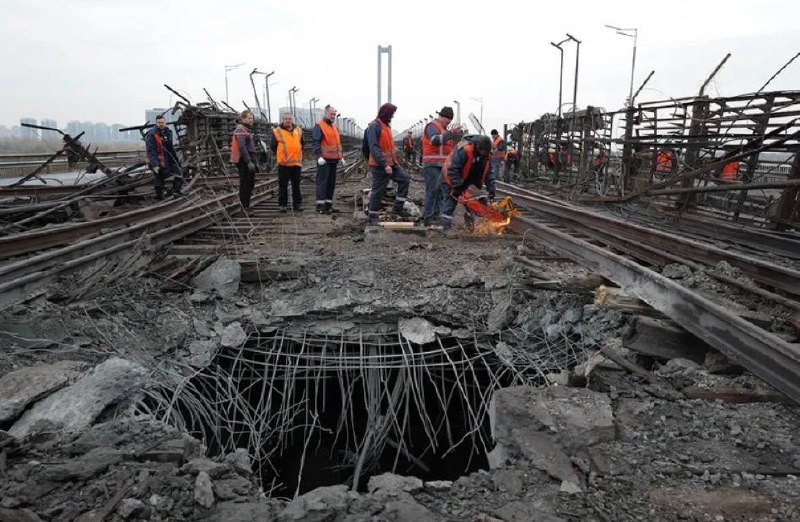
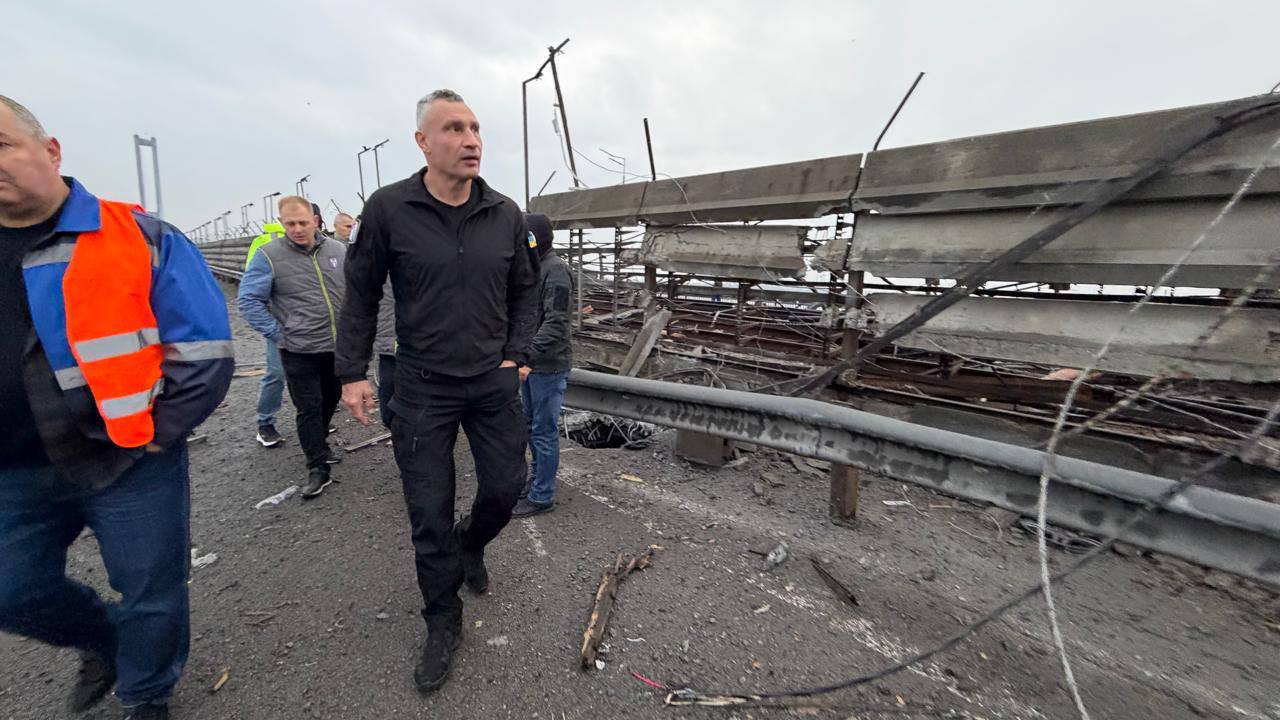
Simultaneously, the capital endured a series of high‑intensity strikes. At 10:11 UTC, a ballistic missile hit Kyiv’s Southern Bridge, a university campus, an administrative building and nearby medical centers, killing four civilians and injuring 55 (monitor_the_situation, https://t.me/monitor_the_situation/39473). A second missile‑drone combination struck the city at 10:45 UTC, causing one death and 15 injuries, while damaging university facilities and a major bridge (monitor_the_situation, https://t.me/monitor_the_situation/39476). Earlier, at 06:20 UTC, a missile impact on a dormitory killed at least one student and wounded ten others (monitor_the_situation, https://t.me/monitor_the_situation/39442).
Additional attacks included a ballistic missile barrage on the Pivdennoe (Southern) bridge, reported by CIG_telegram (https://t.me/CIG_telegram/86159), which damaged the railway portion of the structure and caused extensive traffic congestion. At 09:26 UTC, a Russian overnight strike damaged the DTEK Kyiv Electric Networks office, underscoring a pattern of targeting critical energy infrastructure (monitor_the_situation, https://t.me/monitor_the_situation/39465).
"Russia launched multiple rocket attacks on Kyiv hours before a humanitarian ceasefire began in Oleshky," – Al Jazeera video, 13:34 UTC (https://www.aljazeera.com/video/newsfeed/2026/10/27/russia-strikes-kyiv-ahead-of-localised-ceasefire-in-oleshky).
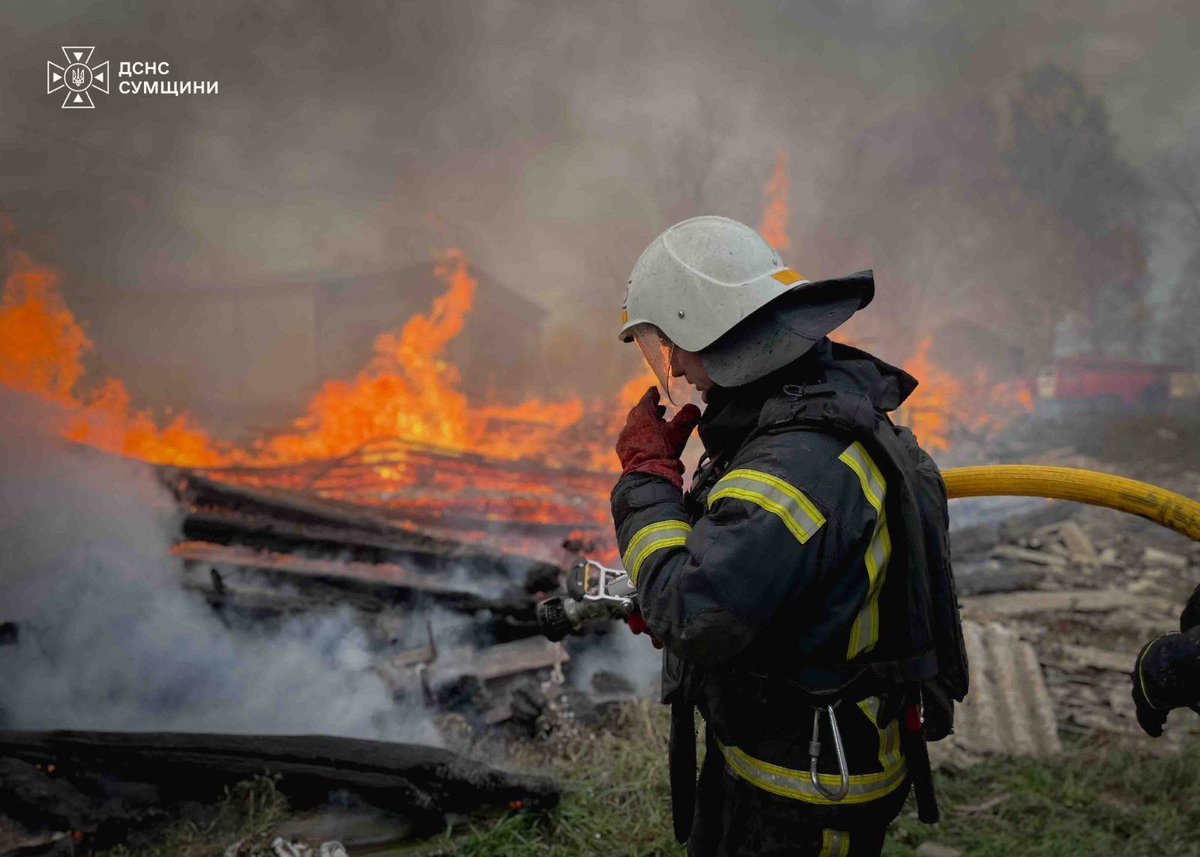
Collectively, these strikes resulted in at least 12 civilian deaths and 97 injuries across Kyiv, Chernihiv, Sumy, Kharkiv and Donetsk over the preceding 24 hours, as documented by the CIT volunteer summary (monitor_the_situation, https://t.me/monitor_the_situation/39520).
Other notable kinetic incidents in Ukraine
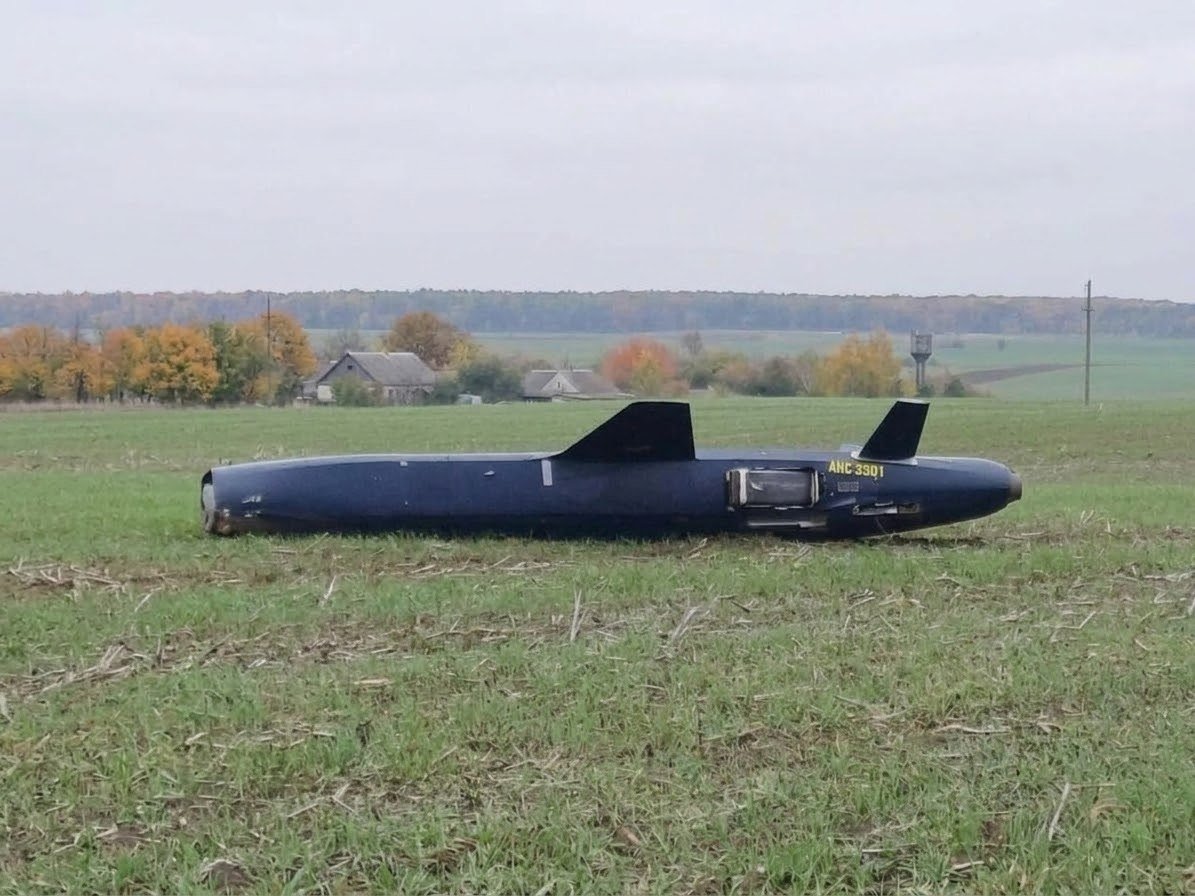
Drone activity continued beyond the capital. In Donetsk’s Leninskyi district, a Russian‑operated drone struck a truck parking area, damaging multiple vehicles (monitor_the_situation, https://t.me/monitor_the_situation/39472). In western Ukraine, residents of Lutsk reported persistent drone attacks on critical infrastructure, with air‑alert sirens sounding for hours (monitor_the_situation, https://t.me/monitor_the_situation/39531). Parallel reports from Volyn and Rivne oblasts indicated an uptick in Russian UAV incursions, extending the threat to regions far from the front line (monitor_the_situation, https://t.me/monitor_the_situation/39530).
On the eastern front, Russian Aerospace Forces deployed FAB‑500 glide‑kit bombs against Ukrainian deployment sites in Ukrainka and Berezhne, striking units of the 31st Separate Protection Brigade and the 57th Separate Motorized Infantry Brigade respectively (intelslava, https://t.me/intelslava/97100). The use of glide‑kit equipped bombs reflects a continued emphasis on precision‑guided munitions despite the broader saturation‑strike campaign.
Private air‑defence initiatives
Amid the heightened aerial threat, Ukrainian private sector actors have taken defensive measures. Nova Poshta, a major postal and logistics company, announced the formation of its own air‑defence unit, which successfully intercepted Russian drones targeting its Kyiv facilities (monitor_the_situation, https://t.me/monitor_the_situation/39503). The development illustrates a growing trend of civilian enterprises augmenting national air‑defence capabilities.
Conclusion
The juxtaposition of a major Ukrainian ground success in Kupiansk with an intensified Russian aerial campaign over Kyiv underscores the multi‑domain nature of the 2026 conflict. While Operation Veles demonstrates Ukraine’s capacity for innovative maneuver warfare, the persistent missile and drone strikes on civilian targets continue to generate significant humanitarian costs and strain critical infrastructure. Monitoring the evolution of underground movement tactics and the effectiveness of private air‑defence units will be essential for assessing future operational dynamics.