On 27 October 2026, Russian forces launched a coordinated strike that combined ballistic missiles and unmanned aerial systems against multiple Ukrainian targets, underscoring a continued escalation of hostilities.
Ballistic Missile Barrage on Kyiv
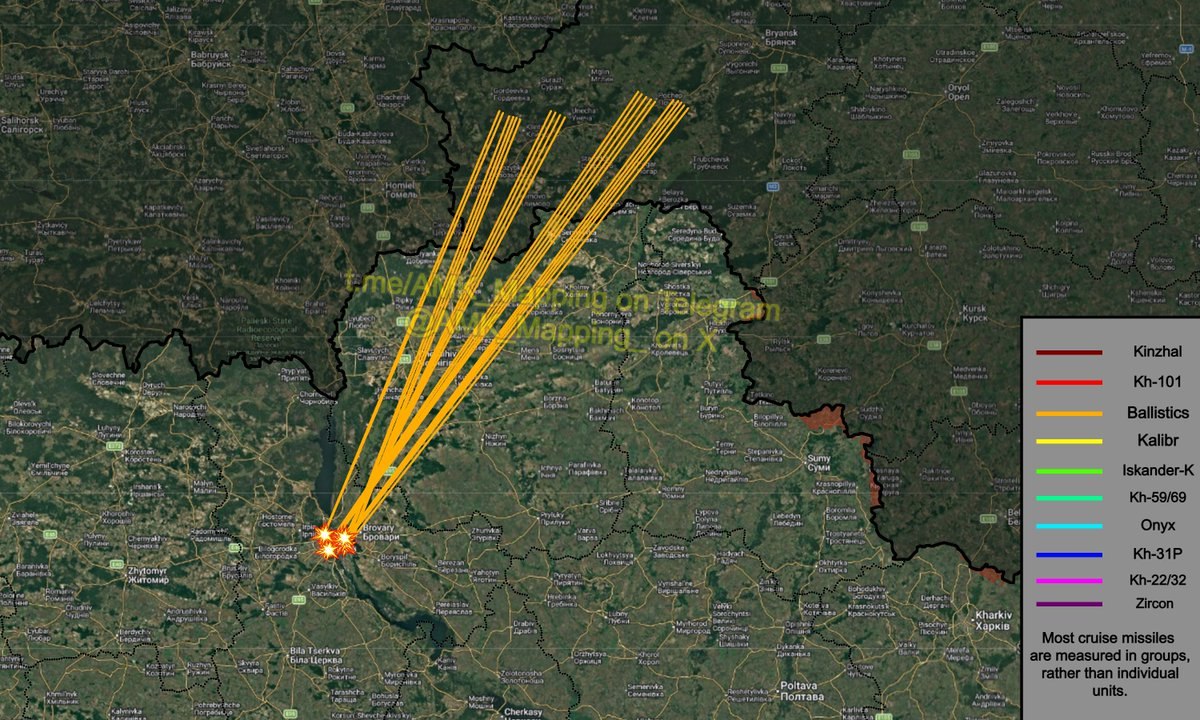
At 02:53 UTC, a salvo of approximately twenty Iskander‑M and S‑400 ballistic missiles impacted the Ukrainian capital. The missiles struck the CHP‑5 combined‑heat‑power plant and residential districts of Dniprovsky and Podilsky. Ukrainian air‑defence systems reported no successful interceptions. No civilian casualties were confirmed in the immediate aftermath, though damage to critical energy infrastructure is expected to affect power supply across the city.
“Russian Iskander‑M and S‑400 ballistic missiles struck Kyiv, hitting the CHP‑5 power plant and the Dniprovsky and Podilsky districts, with no interceptions reported.” – monitor_the_situation
Source: @AMK_Mapping_
Geran Drone Attack on Lozova Industrial Facility
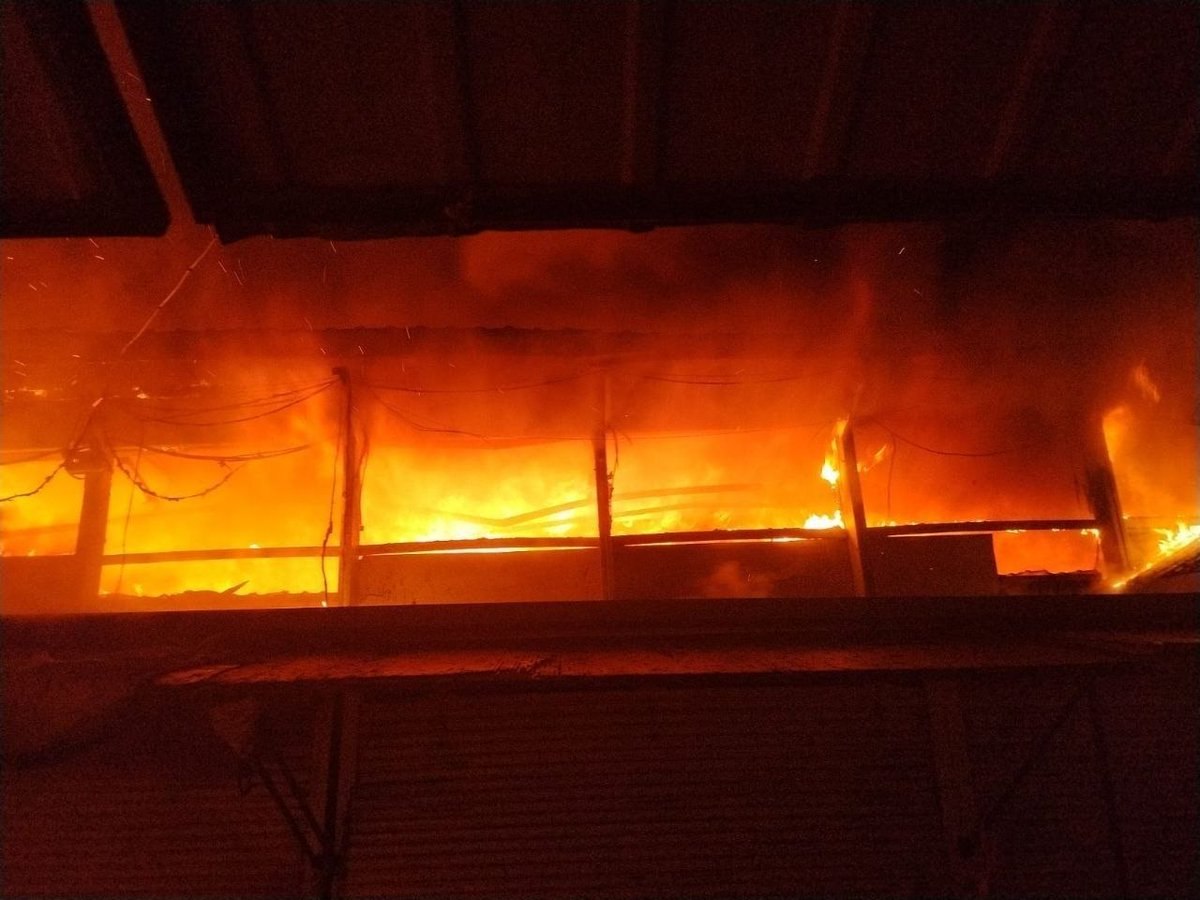
At 04:08 UTC, Russian‑operated Geran‑2 and Geran‑4 drones targeted an industrial complex in the city centre of Lozova, Kharkiv Oblast. The strikes ignited a fire that required the deployment of local fire‑fighting units. Preliminary reports indicate no fatalities, though the extent of material damage has not been quantified.
“A fire broke out at an industrial facility in Lozova's city centre following Russian Geran‑2/4 drone strikes.” – monitor_the_situation
Source: monitor_the_situation
Geran‑4/5 Jet‑Drone Strikes in Vinnytsia Oblast
Simultaneously, at 04:06 UTC, Geran‑4/5 jet‑drones were employed against targets in Vinnytsia Oblast, western Ukraine. Video evidence released by the monitoring channel shows the drones approaching and releasing munitions over an unspecified site. As with the other incidents, no casualties have been reported.
“Russian forces continued overnight attacks on western Ukraine, with Vinnytsia Oblast hit again by Geran‑4/5 jet‑drones.” – monitor_the_situation
Source: monitor_the_situation
Operational Assessment
The coordinated use of long‑range ballistic missiles and low‑altitude attack drones reflects a multi‑layered approach aimed at degrading both strategic infrastructure and economic assets. The failure of Ukrainian air‑defence to intercept any of the twenty missiles suggests either saturation of the system or gaps in radar coverage for high‑speed, low‑trajectory projectiles. The selection of Geran‑type drones, which are modified commercial UAVs equipped with improvised warheads, indicates a reliance on readily available platforms to sustain pressure on secondary targets.
While casualty figures remain low, the attacks on the CHP‑5 plant and industrial facilities have broader implications for energy security and regional economic stability. Disruption of power generation in Kyiv could exacerbate civilian hardship, especially during the approaching winter months. Damage to industrial sites in Kharkiv and Vinnytsia oblasts may impair local supply chains and reduce employment capacity.
Strategic Context
These events occur amid ongoing diplomatic efforts to negotiate a cease‑fire, yet the timing and scale of the strikes demonstrate a willingness by Russian command to leverage kinetic force to shape the battlefield environment. The use of both conventional ballistic missiles and asymmetric drone tactics illustrates a blended warfare doctrine that seeks to overwhelm defensive measures while maintaining operational flexibility.
Continued monitoring of missile trajectories, drone launch points, and target selection will be essential for assessing future escalation risks and for informing defensive posture adjustments by Ukrainian forces and their allies.