On 27 October 2026 a series of hostile unmanned aerial vehicle (UAV) attacks unfolded across the Russian Federation, ranging from a lethal strike in Bryansk Oblast to industrial hits in Voronezh, Moscow, and Omsk. The incidents, reported by open‑source intelligence channels such as intelslava and Monitor the Situation, demonstrate a coordinated use of small‑scale drones to target both civilian infrastructure and strategic military assets. The cumulative effect underscores growing challenges for Russian air‑defence systems and raises questions about the evolving tactics of Ukrainian‑aligned operators.
Critical Attack in Bryansk Oblast
At 07:52 UTC a hostile UAV detonated an explosive device in the Bezhitsky District of Bryansk Oblast, killing one civilian and wounding six others. Governor Egor Kovalchuk confirmed the casualty figures and described the immediate response:
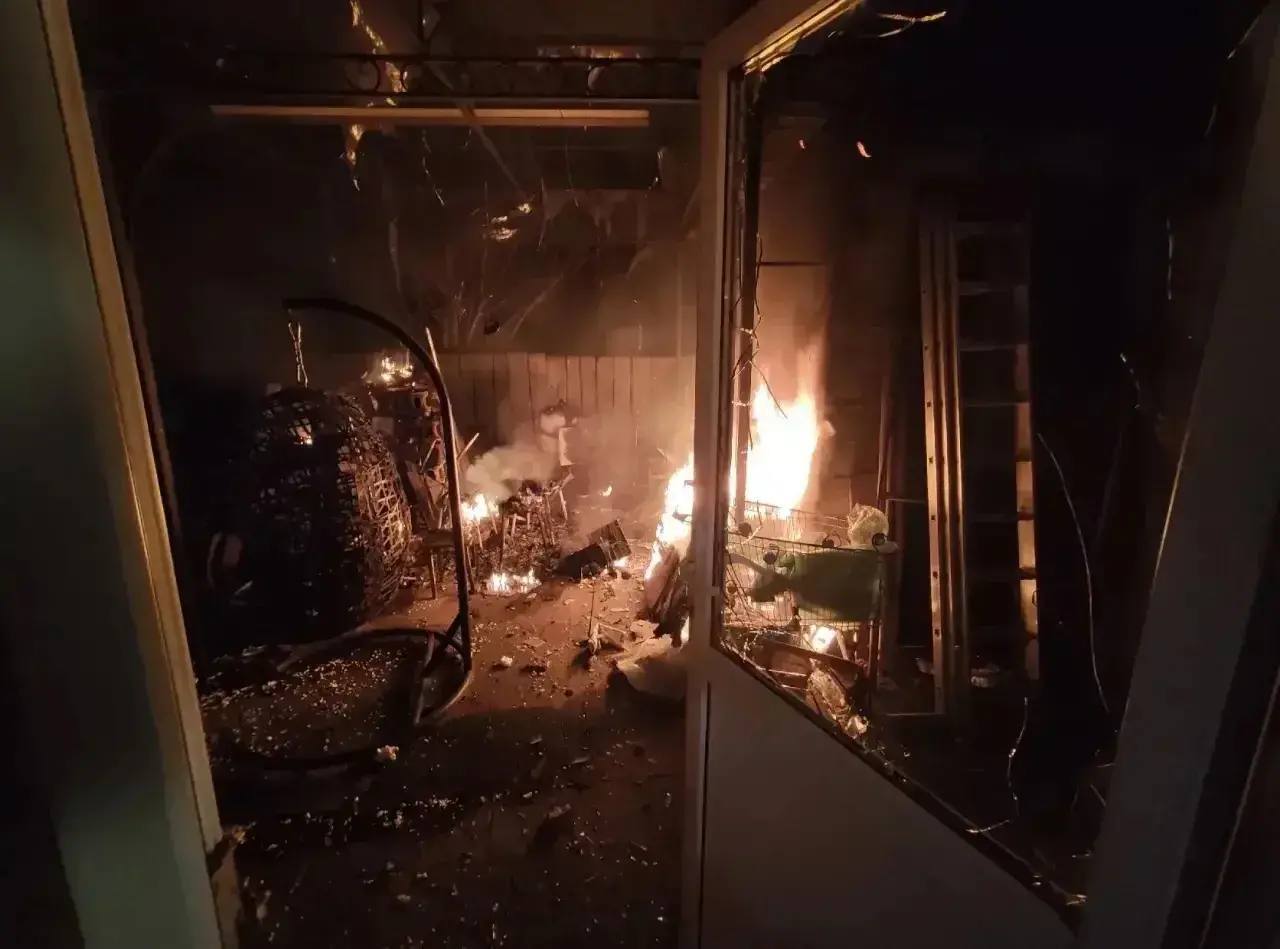
"Defense Ministry pyrotechnicians are working at the scene. Traffic along Yeletsky Lane and Komsomolskaya Street is closed,"(Source: intelslava). The explosion damaged residential buildings and several parked cars, prompting temporary road closures and the deployment of emergency services. The weapon identified was a generic drone, with no specific model disclosed, operated by forces linked to the Ukrainian side, though the source does not attribute direct command. The Defense Ministry’s pyrotechnic units were tasked with neutralising unexploded ordnance, highlighting the presence of secondary hazards following the strike.
Ukrainian FP‑1 Drones Target Voronezh Rubber Plants
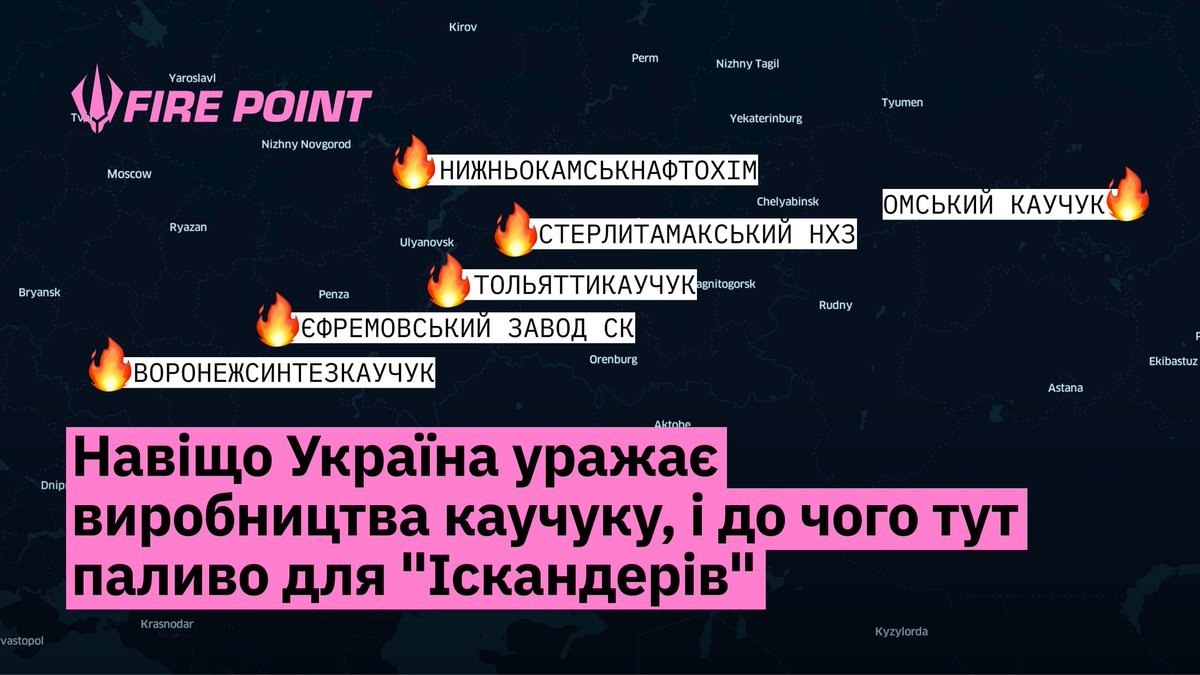
At 12:22 UTC three FP‑1 drones struck major rubber manufacturing facilities in Voronezh Oblast: Voronezhsintezkauchuk, Omsk Kauchuk, and Tolyattikauchuk. These plants produce polymer compounds essential for solid‑rocket‑fuel production, including the propellant for Iskander‑M missiles. While no casualties were reported, the attacks disrupted production lines and caused localized fires that required containment by plant fire brigades. The FP‑1 platform, a small fixed‑wing UAV equipped with a modest payload, has been employed repeatedly in recent months to strike high‑value industrial targets (Source: monitor_the_situation). The incident marks the sixth of ten major Russian rubber plants hit since the conflict began, indicating a focused campaign to erode Russia’s missile‑fuel supply chain.
Satellite Evidence of Damage at the 75th Arsenal, Serpukhov
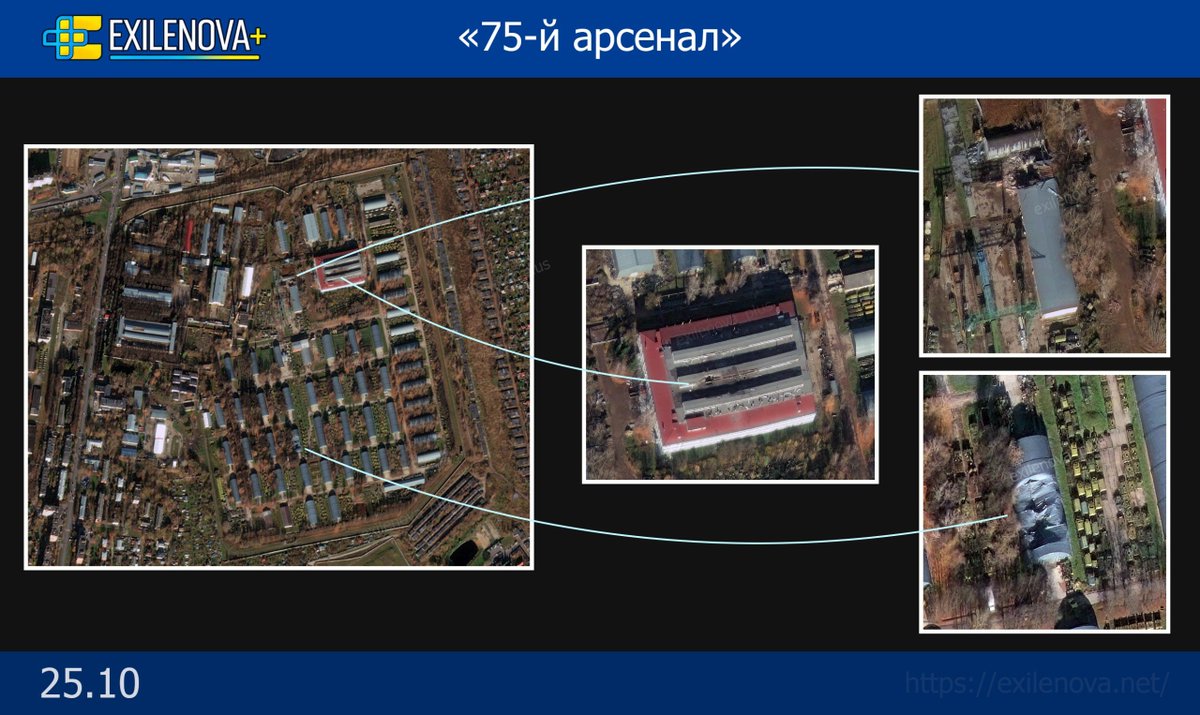
Satellite imagery released at 09:28 UTC revealed structural damage at the 75th Arsenal in Serpukhov, Moscow Oblast, confirming a drone strike that occurred on 22 October. The analysis shows two buildings with roof collapse and scorch marks consistent with a low‑altitude explosive device. The Arsenal stores ammunition and components for the Russian armed forces, making it a high‑value target. Although the 22‑October attack predates today’s briefing, the public release of the imagery on 27 October underscores the ongoing intelligence focus on Russian munitions depots (Source: monitor_the_situation). No casualty data were provided, and Russian authorities have not publicly commented on the damage.
Ukrainian Drones Strike Omsk’s Omsky Kauchuk Petrochemical Plant
At 08:20 UTC a Ukrainian‑operated drone impacted the Omsky Kauchuk petrochemical complex in Omsk, Siberia, more than 2,500 km from the front lines. The strike caused a minor fire in a processing unit and prompted an evacuation of non‑essential personnel. Russian war‑bloggers criticized the apparent lapse in air‑defence coverage, noting that the plant’s remote location traditionally enjoys a lower priority for radar monitoring. The incident was reported by Monitor the Situation and corroborated by social‑media posts from the analyst @ChrisO_wiki (Source: monitor_the_situation). No fatalities were recorded, but the event illustrates the expanding geographic reach of UAV operations.
Collectively, these events reflect a pattern of low‑cost, high‑impact drone usage aimed at both civilian and military targets. The attacks exploit gaps in Russia’s layered air‑defence architecture, particularly in peripheral regions where radar coverage is sparse. While the casualty toll for today remains limited to a single fatality, the strategic implications—disruption of missile‑fuel production, damage to ammunition depots, and the psychological impact of strikes deep within Russian territory—are significant. Russian authorities have responded with increased deployment of pyrotechnic units, tighter traffic controls around affected zones, and public statements emphasizing the resilience of critical infrastructure. However, the frequency and diversity of the targets suggest a sustained campaign that may compel Moscow to reassess its UAV detection and interception protocols.