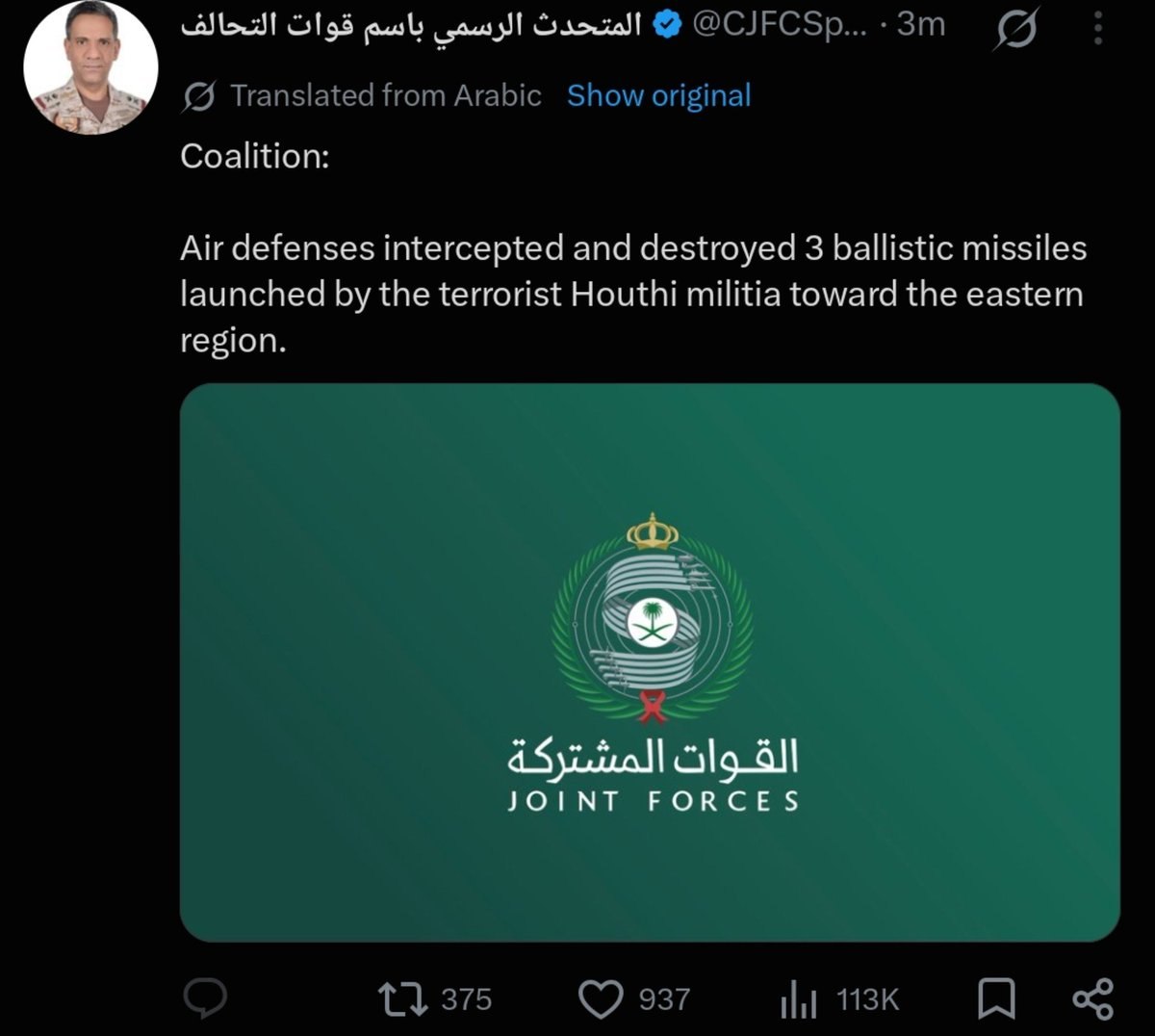
At 01:16 UTC on 27 October, Saudi Arabia’s Eastern Province experienced a coordinated launch of at least three ballistic missiles, marking the most significant hostile action reported today. Early‑warning alerts were issued in Al Kharj and surrounding areas before the missiles were detected, though no casualties have been confirmed. The launch was reported by the monitoring channel monitor_the_situation and accompanied by a photo of the missile trajectories (source).
Ground Gains by Ansarullah in Southern Yemen
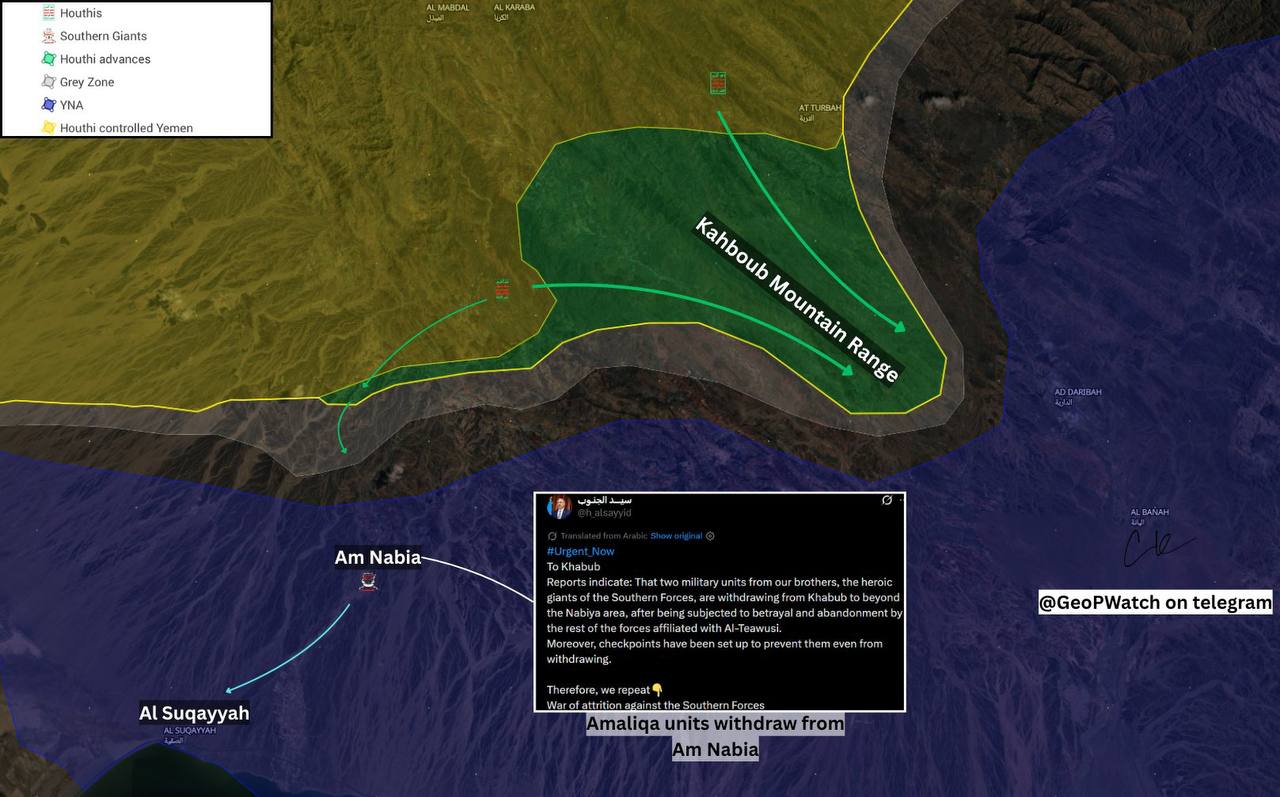
In the early morning hours, the Houthi‑aligned militia Ansarullah seized the Kahboub mountain range in Lahj Governorate, southwestern Yemen, and began advancing toward the strategic town of Al Suqayyah. The movement was documented by the Telegram channel CIG_telegram at 04:37 UTC, which noted that two Amaliqa units withdrew from Am Nabia, citing leadership failures within the Presidential Leadership Council (PLC). The Southern Giants, a local militia coalition, corroborated the withdrawal and highlighted the operational impact on PLC‑aligned forces (source).
"Ansarullah’s success has been concentrated in the southern Lahj region as they have taken the Kahboub mountain range and have since been pushing towards the Al Suqayyah area," – CIG_telegram, 27 Oct 2026.
Houthi Drone Strike on Ghawar‑Adjacent Gas‑Oil Separation Plant
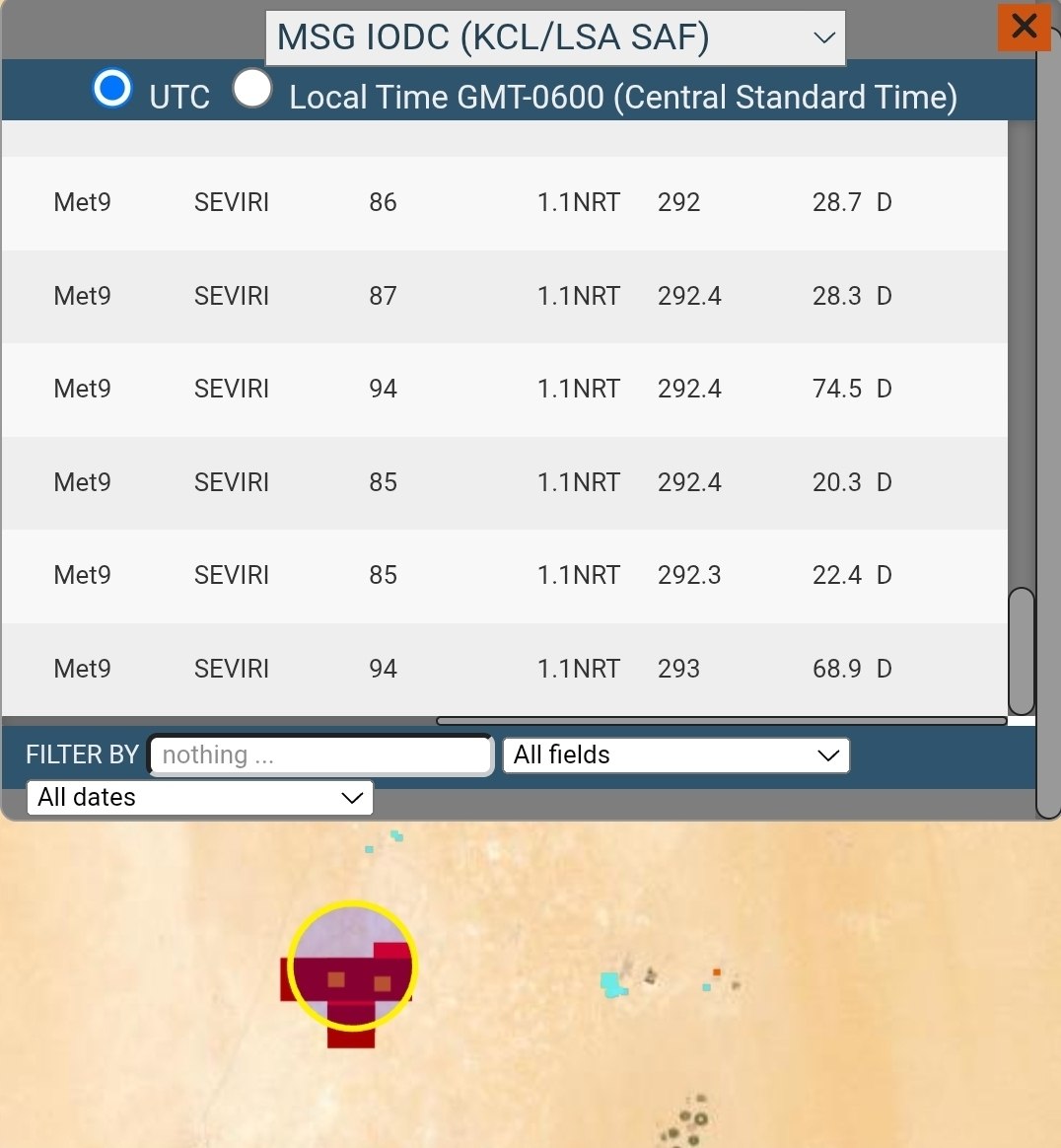
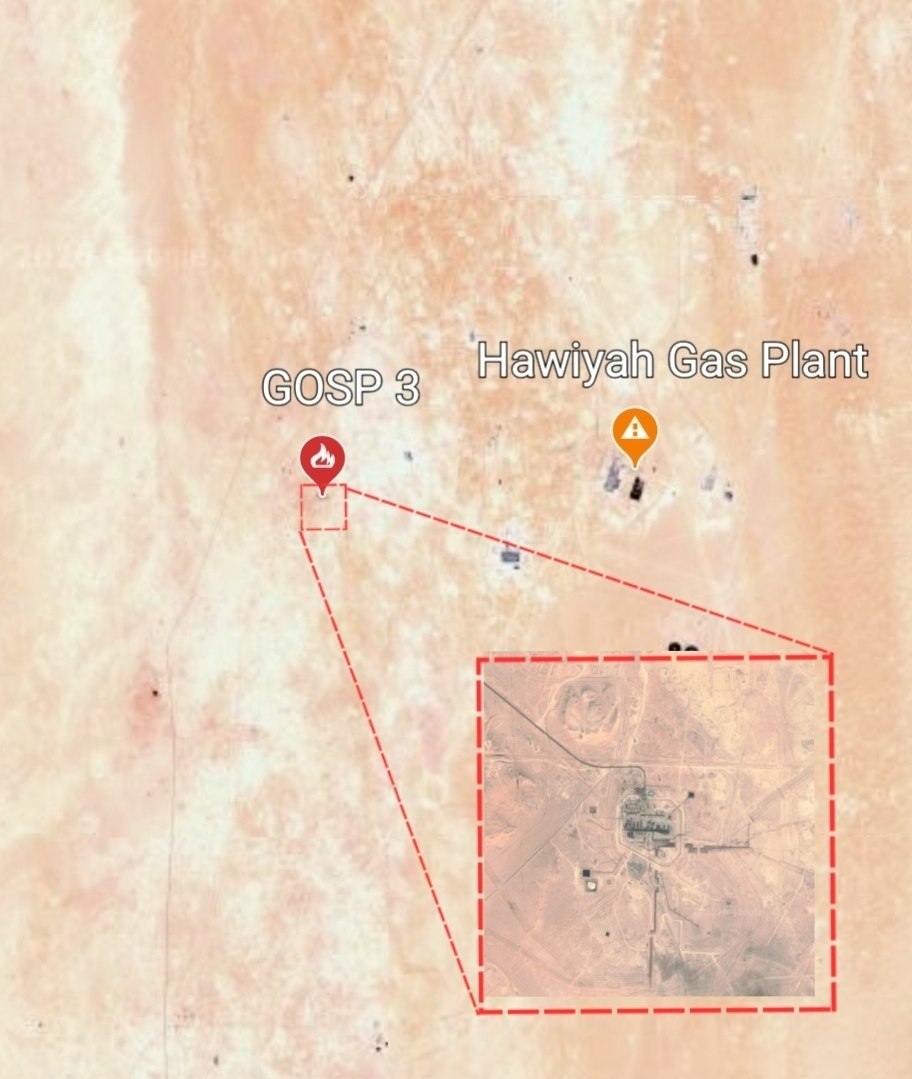
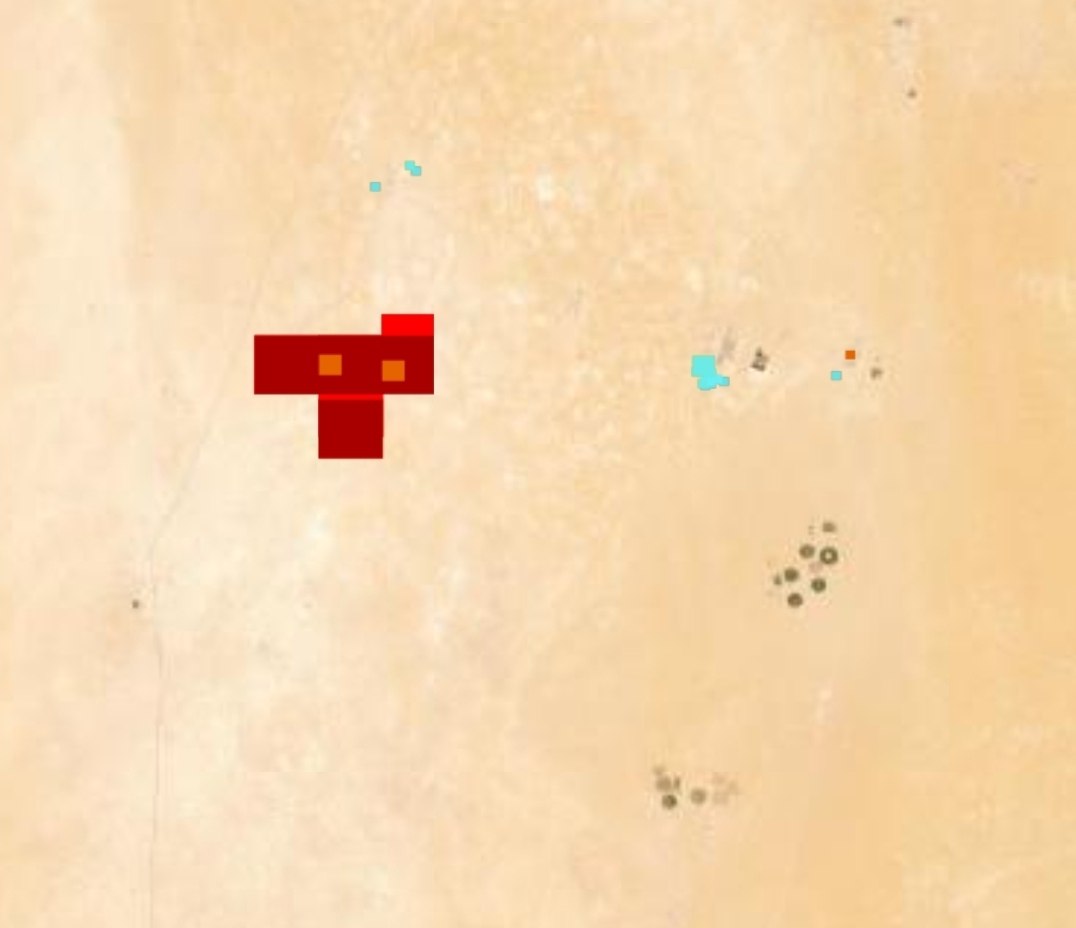
At 02:28 UTC, a Houthi‑operated drone targeted a gas‑oil separation plant (GOSP) located near the Hawiyah gas facility, approximately 20 km east of the Ghawar oil field in Saudi Arabia’s Eastern Province. Satellite‑derived thermal imagery from the FIRMS system recorded heat signatures exceeding 70 FRP, indicating a significant fire. The incident was reported by GeoPWatch, which linked the attack to the broader Houthi campaign against Saudi energy assets (source).
Drone Attack Directly on Ghawar Oil Field
Shortly after, at 02:28 UTC, the intelligence channel intelslava confirmed a separate drone strike on Saudi Aramco’s Ghawar oil field, the kingdom’s largest onshore oil complex. While the strike did not result in reported injuries, the targeting of critical infrastructure underscores the expanding reach of Houthi aerial capabilities (source).
Explosions Reported in Dammam
Local residents in Dammam, a major port city in the Eastern Province, reported hearing multiple explosions at approximately 01:14 UTC. The reports, relayed by the channel rnintel, did not specify the source of the blasts, and no immediate casualty figures were released. The timing coincides with the missile launch, suggesting a possible coordinated pattern of attacks (source).
Analysis of the Escalation Pattern
The events of 27 October illustrate a multi‑dimensional escalation: ballistic missile launches, drone strikes on high‑value energy facilities, and rapid ground advances in Yemen’s southern theater. The ballistic missiles, though lacking confirmed impact data, demonstrate a capability to reach deep into Saudi territory, potentially serving both a deterrent and a signaling function. Simultaneously, the Houthi use of commercially available drones to strike Ghawar and adjacent GOSP sites reflects an evolving asymmetric strategy aimed at disrupting Saudi oil production and revenue streams.
On the Yemeni front, the capture of the Kahboub mountain range provides Ansarullah with a tactical high ground advantage, facilitating further incursions toward Al Suqayyah, a gateway to the Red Sea corridor. The withdrawal of Amaliqa units, attributed to internal PLC disputes, may weaken the coalition’s defensive posture, allowing Houthi‑aligned forces to consolidate control over Lahj’s southern districts.
Collectively, these developments suggest a coordinated effort by Houthi and allied militias to apply pressure on both the Saudi mainland and the Yemeni government, leveraging kinetic attacks and territorial gains to influence ongoing diplomatic negotiations.