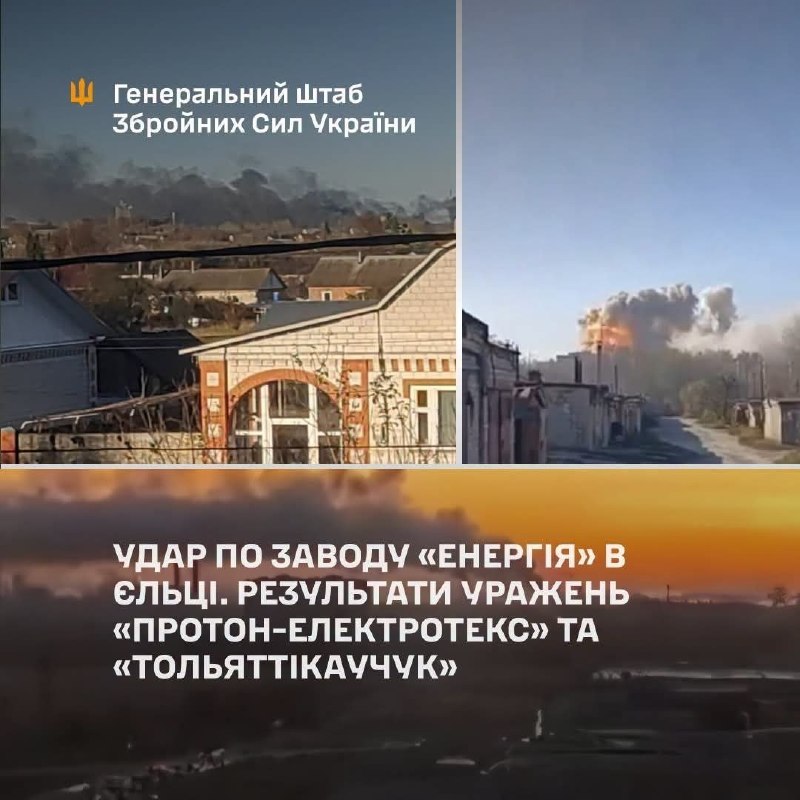
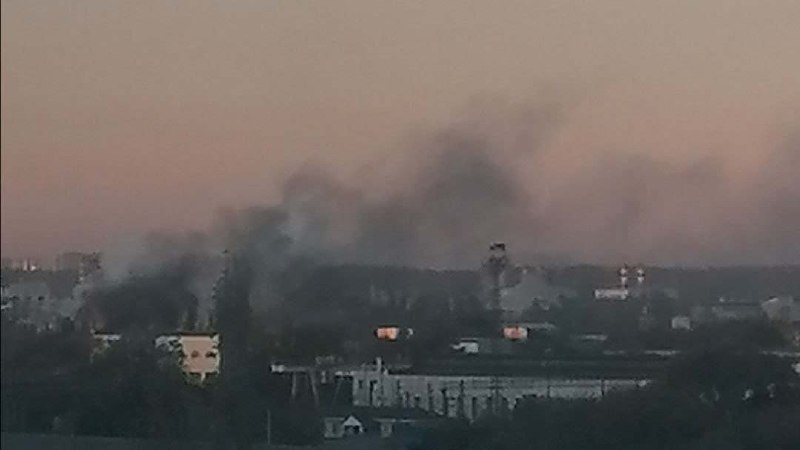
On the night of 26 October 2026, Ukraine’s General Staff reported a high‑profile drone strike on the Energia battery plant in Yelets, Lipetsk Oblast, igniting a fire that threatened a key facility for missile and bomb battery production. The attack, described as an "overnight drone strike" by monitor_the_situation, marks the latest in a wave of Ukrainian kinetic actions targeting Russian military‑industrial assets deep inside the federation.
Energia Battery Plant Attack in Yelets
The Energia plant, located in the city of Yelets, manufactures solid‑propellant batteries used in a range of Russian guided weapons. According to the Ukrainian General Staff, the drone‑borne munition penetrated the plant’s perimeter, striking a storage area and causing a blaze that required emergency services to intervene. No immediate casualty figures were released, but the incident underscores a strategic shift toward precision UAV operations against high‑value production sites.
"Ukraine’s General Staff says an overnight drone attack hit the Energia plant in Yelets, western Russia, which produces missile and bomb batteries, sparking a fire." – monitor_the_situation
While the exact type of drone was not disclosed, the operation aligns with Ukraine’s broader “Black Forest” 15th Artillery Reconnaissance Brigade doctrine, which has previously employed small‑scale UAVs to strike logistics and industrial targets in the Belgorod and Voronezh regions.
Shelling of Voronezh Oblast
Earlier that morning, at 06:17 UTC, Ukrainian forces launched a shelling operation in Russia’s Voronezh Oblast, resulting in two civilian deaths and seventeen injuries, including a child. The governor of Voronezh, cited by intelslava, confirmed the casualties and emphasized that the attack originated from Ukrainian‑controlled territory. No specific weapon system was identified, but the incident illustrates the continued use of indirect fire to pressure Russian border regions.
"Two people were killed and 17 were injured as a result of an attack by the Ukrainian Armed Forces on the Voronezh region, the governor reported. Among the injured is a child." – intelslava
The shelling follows a pattern of Ukrainian artillery strikes aimed at disrupting Russian rear‑area logistics and civilian morale, complementing the more technologically sophisticated UAV campaigns.
Drone Assaults on Belgorod Logistics and Infrastructure
Between 06:16 UTC and 07:29 UTC, multiple drone attacks were reported in the Belgorod region. At 06:16 UTC, the 15th Artillery Reconnaissance Brigade’s “Black Forest” unit targeted logistics hubs, striking railway depots and fuel storage facilities. The operation reportedly damaged several rail cars and caused temporary suspension of freight movements, though no casualties were confirmed.
Later, at 07:29 UTC, a separate UAV sortie hit the MegaGRINN shopping complex in Belgorod, igniting a fire that engulfed the 163,000 m² mall. The complex was closed at the time, preventing civilian injuries, but the blaze required a coordinated response from local fire services and highlighted the vulnerability of civilian infrastructure to aerial attacks.
Both incidents were documented by monitor_the_situation, which noted that the drones employed were likely commercially available quadcopters modified for payload delivery, a tactic Ukraine has refined since 2022 to exploit gaps in Russian air‑defence coverage over rear‑area zones.
Additional UAV Incursions in Voronezh Region
Beyond the Energia and Belgorod strikes, a series of smaller‑scale UAV attacks unfolded across Voronezh Oblast. At 07:58 UTC, drones targeted the Voronezhsintezkauchuk petrochemical plant and the Voronezh Aircraft Production Association, causing debris damage to nearby structures and halting production lines. The petrochemical facility, linked to solid‑rocket propellant manufacturing, suffered minor equipment loss but remained operational.
At 10:03 UTC, a hostile drone damaged a passenger train at Somovo station, injuring five passengers and suspending rail traffic on the Anapa‑Moscow line. The attack, reported by intelslava, involved a low‑altitude UAV that struck a carriage, prompting an emergency evacuation and temporary closure of the affected rail segment.
Finally, at 06:50 UTC, a drone strike hit a business center in the city of Voronezh, igniting explosions, thick smoke, and localized fires. Residents reported the absence of air‑raid sirens, suggesting a rapid, low‑observable approach by the attackers.
Implications and Operational Context
The concentration of kinetic events within Russia’s central and western oblasts reflects a coordinated Ukrainian strategy to impose a multi‑layered pressure campaign. By combining artillery shelling, precision UAV strikes on strategic industrial sites, and attacks on civilian infrastructure, Kyiv aims to stretch Russian defensive resources, degrade war‑fighting capabilities, and signal the reach of its long‑range strike assets.
From a tactical perspective, the use of commercially available drones equipped with modest payloads allows Ukrainian forces to conduct high‑frequency, low‑cost operations that evade traditional radar‑based air‑defence systems. The attacks on Energia and the Voronezhsintezkauchuk plant demonstrate a deliberate focus on disrupting the supply chain for missile propulsion components, potentially affecting Russia’s ability to sustain its own kinetic operations elsewhere.
Strategically, the shelling of Voronezh and the drone‑induced disruptions to rail logistics underscore Ukraine’s intent to target the logistical arteries that support Russian front‑line deployments. While casualty figures remain relatively low compared to frontline combat, the cumulative effect of these incidents contributes to a broader attrition model that erodes Russian operational tempo.
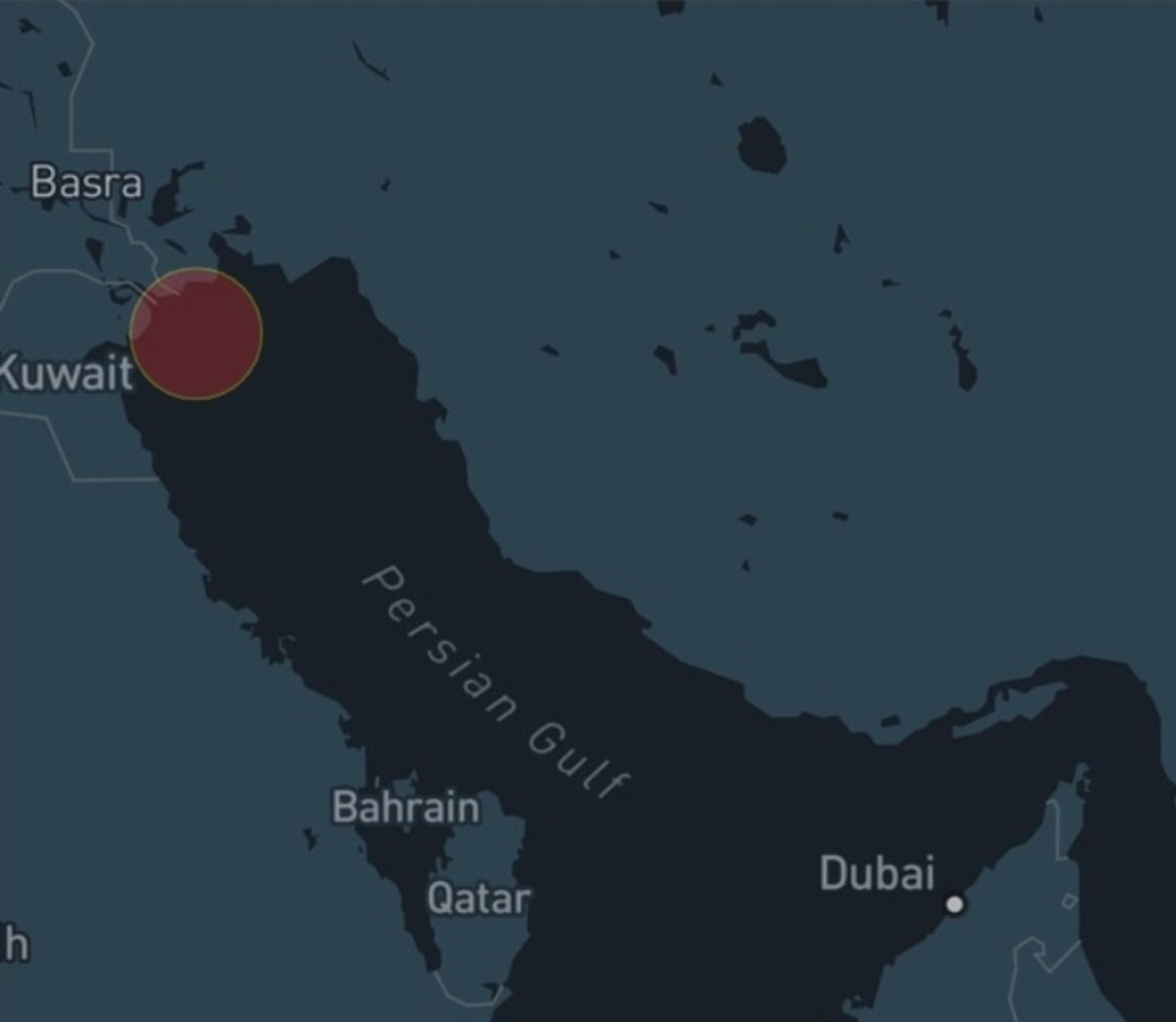
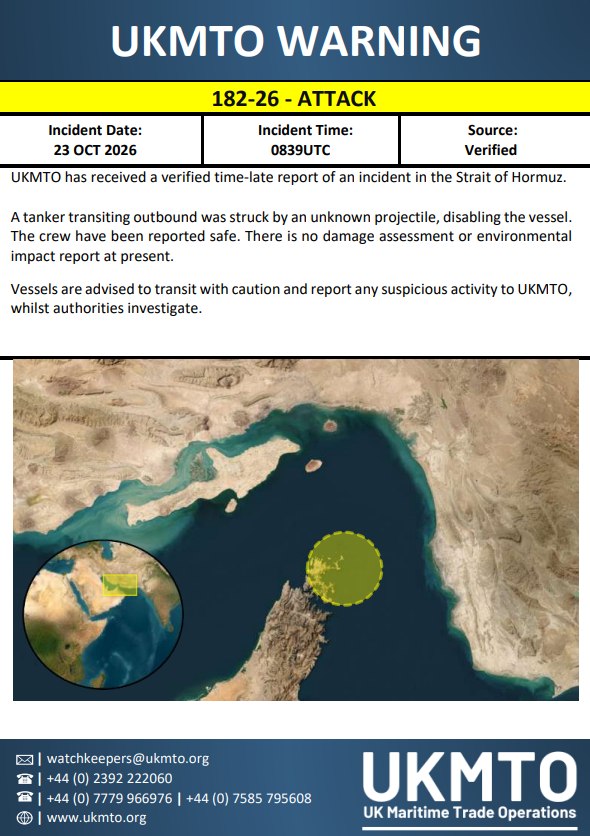
Russian authorities have responded by tightening air‑defence coverage around key industrial zones and increasing patrols along the border regions. However, the diversity of attack vectors—ranging from ballistic missiles in the south to UAVs in the heartland—poses a persistent challenge for Russian command structures tasked with safeguarding a vast and heterogeneous territory.