On 26 October 2026, Ukrainian long‑range strike assets launched a coordinated attack on the Russian city of Voronezh, deploying a mix of cruise missiles and jet‑drones. Russian air‑defence units reported multiple engagement attempts, but no confirmed interceptions or casualties were released. The strike marks the most severe cross‑border operation recorded this week, underscoring Kyiv’s expanding reach into Russian territory.
Cross‑border missile and drone attacks
According to the Telegram channel monitor_the_situation, the Voronezh assault was documented at 03:28 UTC, with visual evidence of explosions and smoke rising over the city’s industrial districts. The channel linked to a photo‑gallery hosted on the same platform (source). While the exact payload composition remains unverified, analysts note that the combination of cruise missiles and low‑observable jet‑drones is designed to overwhelm layered air‑defence systems.
“Ukrainian missiles strike Voronezh, air defense engages.” – monitor_the_situation, 26 Oct 2026
Implication: The operation demonstrates Ukraine’s capability to project power beyond its borders, potentially forcing Russia to reallocate air‑defence resources from the front lines.
Russian airstrikes on Ukrainian cities
In the early morning hours, Russian forces conducted airstrikes that injured six civilians across Zaporizhzhia and Chernihiv. The incidents were reported by the same monitoring channel at 05:40 UTC and corroborated by Reuters (source). Four injuries occurred in Zaporizhzhia, a strategic industrial hub, while two more were reported in Chernihiv, a city near the northern front.
The strikes employed unguided munitions, and no military targets were confirmed. The civilian toll, though limited, highlights the persistent risk to non‑combatants as both sides intensify aerial operations.
Ground force redeployments in Donetsk
At 04:20 UTC, Russian command announced the deployment of reserve units to the Komar sector of Donetsk Oblast. The move, detailed by monitor_the_situation, aims to halt Ukrainian advances that have threatened to recapture Komar and push toward Velyka Novosilka. The reserves, comprising mechanised infantry and artillery elements, are expected to reinforce defensive lines and conduct counter‑offensive actions.
Ukrainian forces have reported slowed momentum in the area, citing “fierce resistance” from the newly arrived Russian units. The redeployment reflects Moscow’s strategy of shoring up vulnerable sectors after weeks of Ukrainian counter‑offensives.
Intensified drone campaign against Ukrainian infrastructure
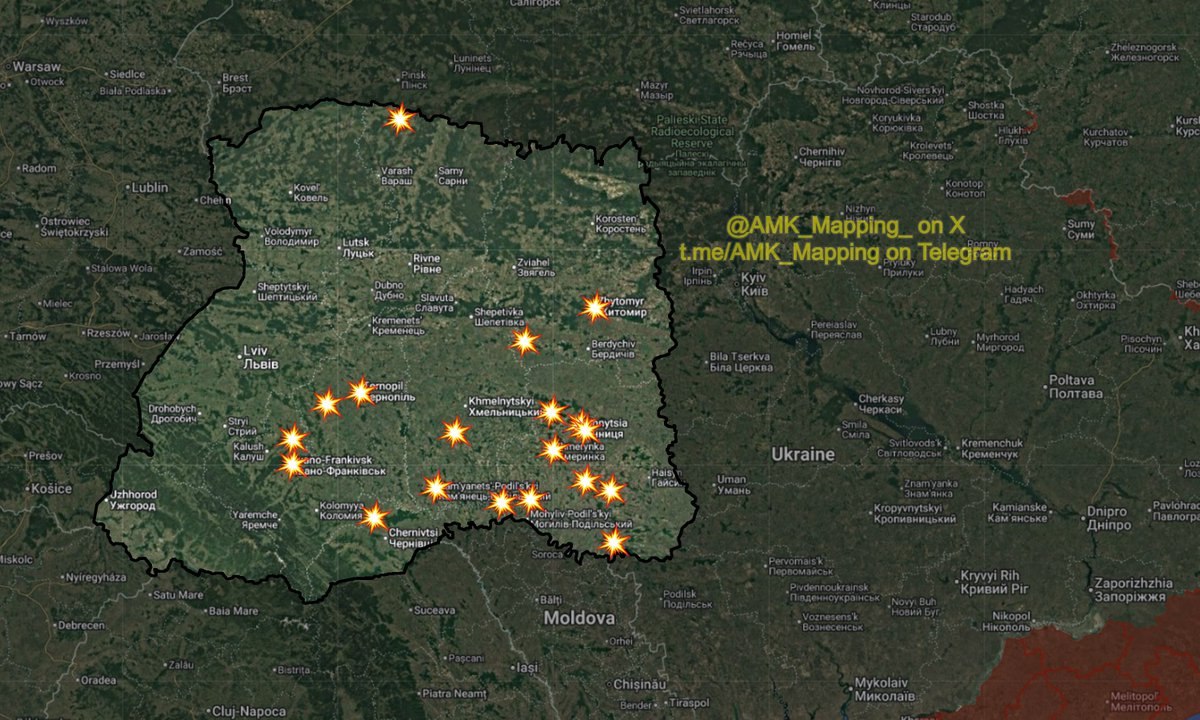
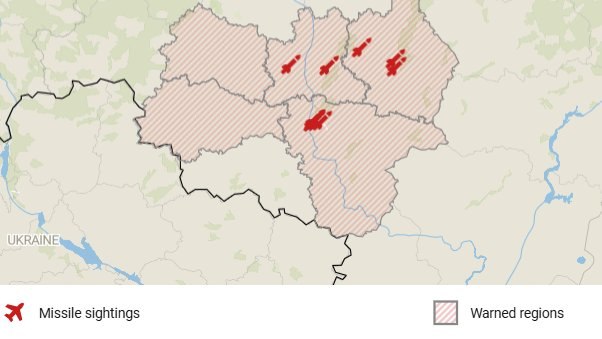
Throughout the day, Russian forces launched a series of Geran‑series jet‑drone attacks across western Ukraine. The first wave, reported at 04:00 UTC, targeted multiple oblasts—including Vinnytsia, Zhytomyr, Chernivtsi, Khmelnytskyi, Ternopil, and Ivano‑Frankivsk—using Geran‑4 and Geran‑5 platforms. Photographic evidence posted by monitor_the_situation (source) shows smoke plumes near civilian infrastructure.
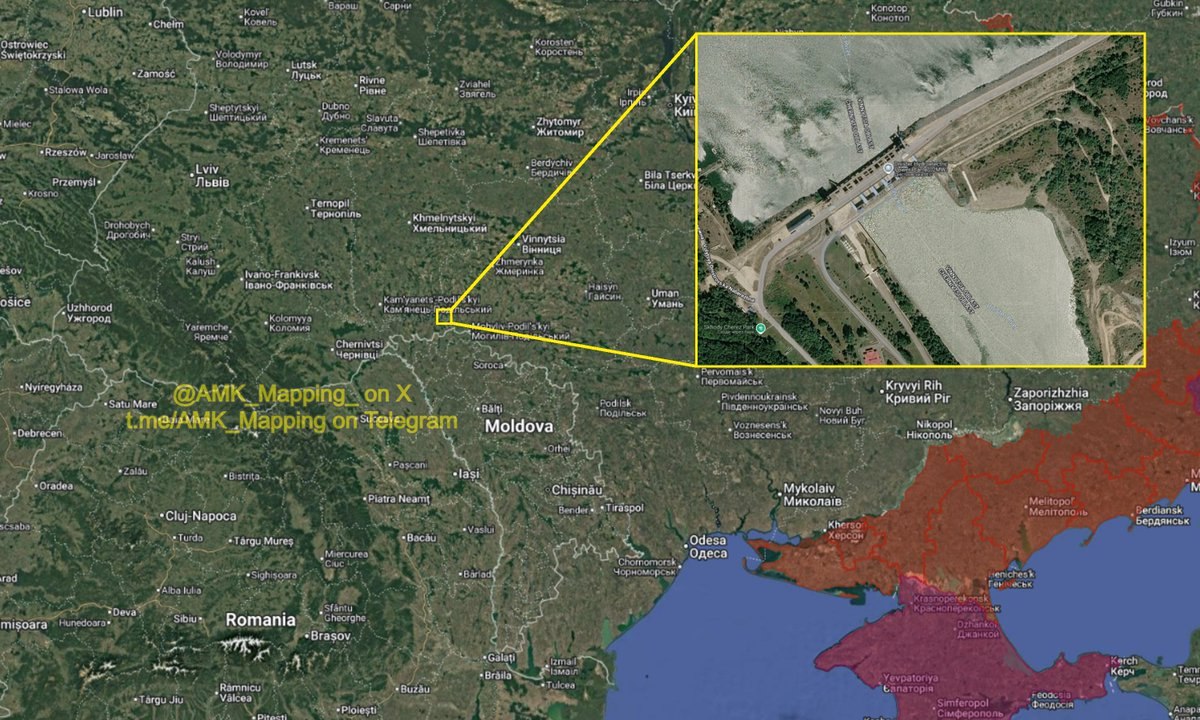
At 03:42 UTC, a Geran‑4 drone struck the Dniester Hydroelectric Power Plant in Chernivtsi Oblast, near the Moldovan border. The attack, highlighted by the mapping account @AMK_Mapping_, caused temporary shutdown of one turbine but did not result in reported injuries.
Additional drone strikes were logged in Odessa, Chernivtsi, and Kharkiv oblasts. An IntelSlava post (source) documented video footage of Geran drones impacting sites in Odessa, Chernivtsi, and Kharkiv, while a separate Monitor report (03:26 UTC) identified a Geran‑2/4 drone hitting the Zalyutine 330 kV substation on the western outskirts of Kharkiv city.
“Russian drones strike Dniester Hydroelectric Plant in Western Ukraine.” – AMK_Mapping_, 26 Oct 2026
The coordinated drone offensive underscores a Russian emphasis on degrading Ukraine’s energy grid, a tactic that seeks to create civilian hardship and complicate logistical support for frontline units.
Analytical overview
Collectively, the events of 26 October illustrate a marked escalation in both Ukrainian offensive reach and Russian defensive‑offensive measures. Ukraine’s ability to strike deep into Russian territory with cruise missiles and jet‑drones signals a maturation of its long‑range strike capability, likely supported by Western‑supplied precision weapons. Conversely, Russia’s intensified drone campaign and rapid ground‑force redeployments indicate a strategic pivot toward asymmetric pressure on Ukrainian infrastructure while attempting to stabilize contested front‑line sectors.
From an operational perspective, the dual‑theater pressure may strain Russian command and control, as resources are divided between defending the homeland and reinforcing embattled positions in Donetsk. For Kyiv, the challenge will be to sustain cross‑border operations without overextending its logistics, especially as Western allies assess the risk of broader escalation.
Key observations: the absence of reported casualties in Voronezh suggests either effective Russian air‑defence or limited payload impact; the civilian injuries in Zaporizhzhia and Chernihiv reaffirm the human cost of aerial warfare; and the systematic targeting of energy facilities reflects a continued Russian strategy to erode Ukraine’s resilience.