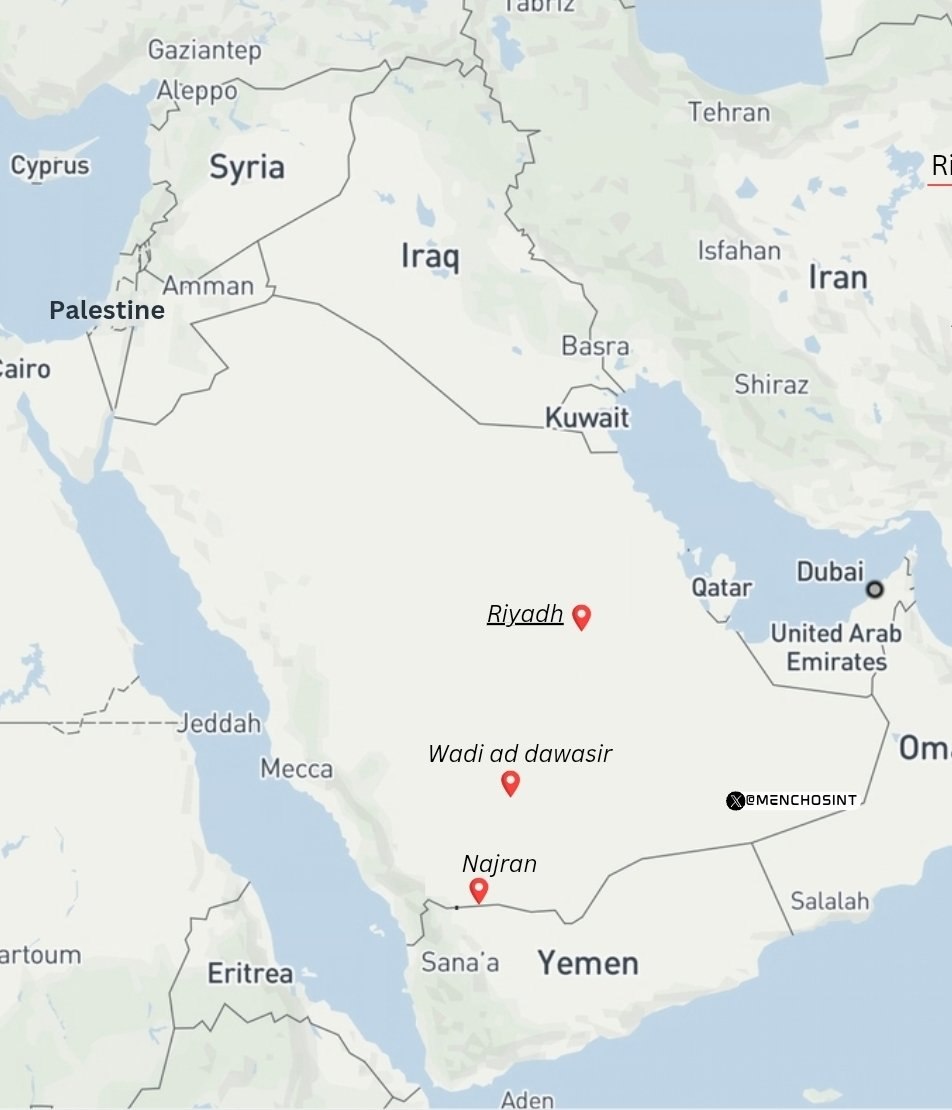
On the morning of 25 October 2026, Saudi Arabia’s capital Riyadh experienced a sudden surge of aerial threats as Yemeni forces launched a series of missiles and unmanned aerial vehicles (UAVs) toward multiple strategic locations, including Riyadh, Najran, and the desert outpost of Wadi Al‑Dawassir. The attacks triggered early‑warning alerts across the affected zones and prompted an immediate response from Saudi air‑defence units. No casualties were reported in the initial three‑hour window, but the volume and coordination of the strikes underscore a marked escalation in Yemen‑Saudi hostilities and raise profound concerns for the Kingdom’s broader security architecture.
Yemeni Missile and Drone Offensive
The offensive, documented by the open‑source monitoring channel monitor_the_situation, involved a mixed salvo of ballistic missiles and armed drones. According to the channel’s post at 03:07:50 UTC, the weapons were directed at three distinct targets: the metropolitan area of Riyadh, the southern city of Najran, and the remote military installation at Wadi Al‑Dawassir. The use of both missiles and drones suggests a layered approach designed to overwhelm detection systems and exploit gaps in the Kingdom’s layered air‑defence network.
🟠 **Yemeni Missiles and Drones Target Saudi Cities** Yemeni forces launched missiles and drones toward Riyadh, Najran, and Wadi Al‑Dawassir over the past three hours, triggering early warning alerts in the affected areas.The source URL for the original post is https://t.me/monitor_the_situation/39061.
Saudi Air Defence Response
Within minutes of the first alerts, Saudi Arabia’s integrated air‑defence system, comprising Patriot PAC‑3 batteries, THAAD interceptors, and domestically produced Skyguard units, engaged the incoming threats. The monitoring channel GeoPWatch reported multiple successful interceptions over Riyadh at 03:10:57 UTC, confirming that at least two missiles and one drone were neutralised before reaching populated areas.
Multiple interceptions ongoing over the skies of Riyadh.The GeoPWatch post (https://t.me/GeoPWatch/41007) did not disclose the exact number of interceptors expended, but the rapid engagement demonstrates the operational readiness of Saudi forces amid heightened alert levels.
Iran’s Nuclear Escalation Threat
Compounding the Yemeni barrage, Tehran issued a stark warning on the same day, signalling a willingness to expand its strategic calculus to include nuclear options if its interests were threatened. The Jerusalem Post (JPost) relayed the Iranian statement at 03:01:14 UTC, in which Iranian officials declared that any attack on Iranian territory could trigger strikes on “energy and civilian targets” and potentially “escalate to nuclear action.”
Tehran aims to cause even more pain in the case of a renewed campaign, especially at a time when interceptor missile stockpiles are under pressure in Israel and in US‑aligned nations in the Gulf.The full article is available at https://www.jpost.com/middle-east/iran-news/article-912728. While the statement did not reference Saudi Arabia directly, the regional proximity of Iranian strategic assets and the shared vulnerability of Gulf states to missile interception strain place the Kingdom at the intersection of two converging threat vectors.
Combined Threat Landscape
The simultaneity of a kinetic missile‑drone offensive from Yemen and a strategic nuclear warning from Iran creates a compound risk environment for Saudi Arabia. The Yemeni attack demonstrates an operational capability to project force across the Red Sea corridor, exploiting the Kingdom’s extensive border with Yemen and its reliance on air‑defence corridors that are already taxed by regional tensions. Iran’s rhetoric, meanwhile, signals a potential shift from conventional deterrence to asymmetric escalation, leveraging its nuclear program as a political lever. Both developments strain Saudi missile‑defence stockpiles, which have been concurrently supporting allied operations in the broader Gulf, including the protection of Israeli and U.S. assets.
Implications for Saudi Security Policy
Saudi defence planners are likely to reassess allocation of interceptor missiles, prioritize hardening of critical infrastructure in Riyadh and southern provinces, and accelerate procurement of next‑generation air‑defence platforms. The Kingdom’s recent contracts for advanced S‑300 and indigenous “Patriot‑like” systems may see expedited delivery schedules. Additionally, diplomatic channels with the United States and United Kingdom are expected to intensify, seeking assurances of extended missile‑defence support and intelligence sharing on Iranian nuclear intentions. The dual‑front pressure also underscores the importance of regional cooperation with the United Arab Emirates and Oman, both of which have expressed willingness to share radar data and joint response protocols.
Outlook
In the short term, Saudi Arabia is expected to maintain a heightened state of readiness, with continuous aerial patrols over Riyadh and the southern border. The absence of reported casualties from the 25 October attacks suggests that current defensive measures are effective, yet the volume of threats indicates a trajectory toward more frequent and possibly more sophisticated attacks. Monitoring of Yemeni missile production facilities and Iranian nuclear discourse will remain central to the Kingdom’s threat‑assessment cycle. As the Gulf region navigates an increasingly volatile security environment, Saudi Arabia’s ability to absorb and repel simultaneous conventional and strategic threats will be a decisive factor in regional stability.