On 25 October 2026, Israel's Mossad and the Israeli Air Force released a video that documents a pre‑emptive strike against Iran's ballistic missile launchers and integrated air‑defence systems. The footage, first published by the Jerusalem Post, shows coordinated air‑force sorties targeting multiple radar and missile sites, followed by a statement from former Mossad chief Yossi Bar‑Nea that the operation was intended to demonstrate Israel's capability to overwhelm the Islamic Revolutionary Guard Corps (IRGC). The release marks the first public visual confirmation of a joint Mossad‑air force kinetic action against Iranian strategic assets.
Operational Context and Strategic Messaging
The disclosed strike aligns with Israel's long‑standing doctrine of pre‑emptive action to neutralise perceived existential threats. By publicising the operation, Israeli officials aim to convey a deterrent signal to Tehran and its regional allies. The Jerusalem Post article notes that the video was originally recorded on 13 June 2025 but was re‑released to underscore Israel's readiness amid escalating regional tensions.
“The purpose of this release is to ensure that the IRGC understands the depth of Israel’s operational reach,” the former Mossad chief said, as quoted by the Jerusalem Post.
Algerian Military Deployment to Niger
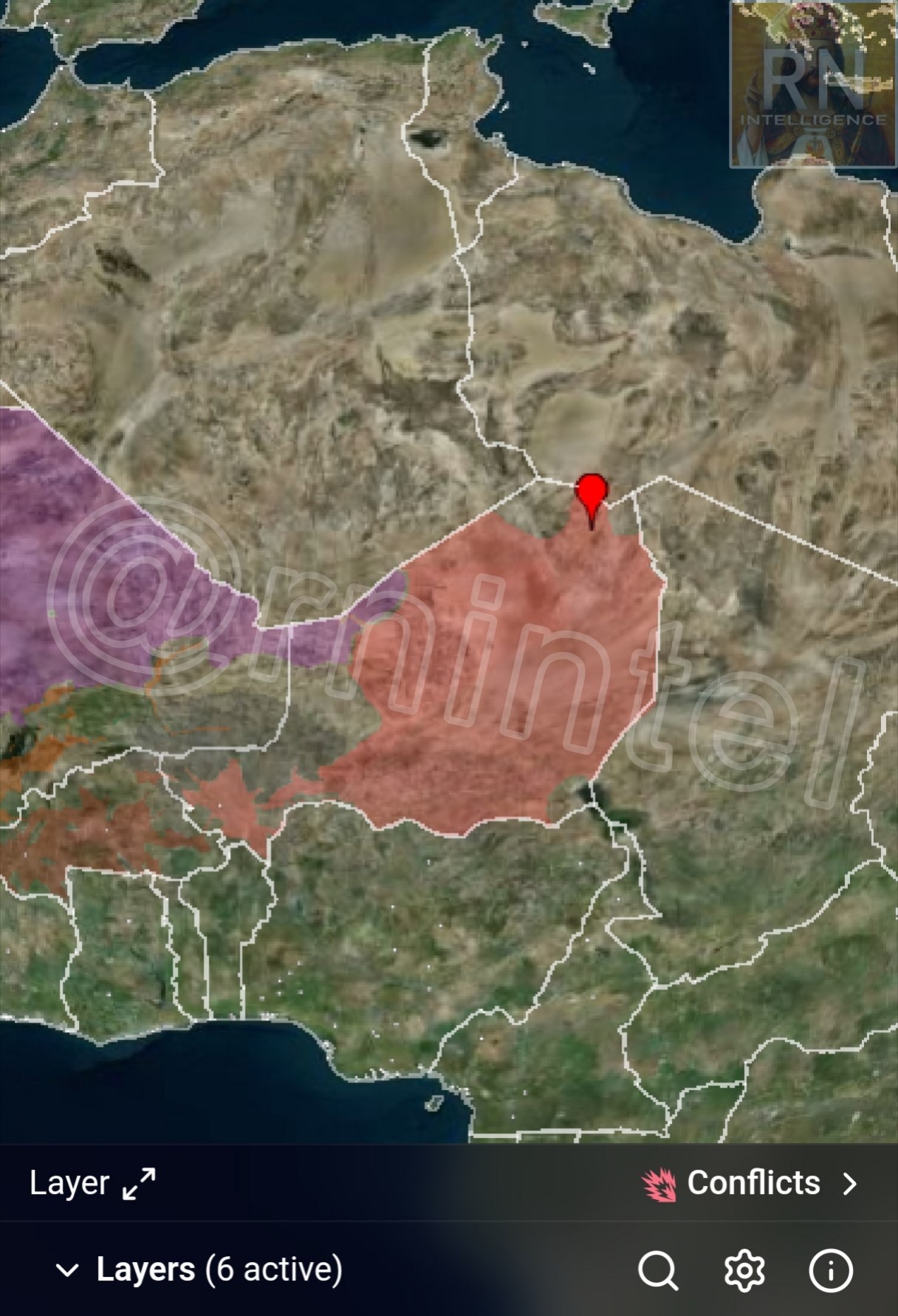
In parallel, Algeria’s parliamentary bodies approved a forward deployment of troops to Niger. The lower house, via the CIG_telegram channel, reported unanimous approval for forces to move to Madama Air Base and to protect key oil infrastructure. A subsequent vote by the Council of the Nation reinforced the decision, citing the need to safeguard oil facilities and counter perceived western‑backed threats. No weapons were disclosed, and the deployment expands Algeria’s existing presence at Air Base 101, established after the failed coup attempt on 29 August 2025.
Ukrainian Drone Strike on Russian Artillery
Ukrainian drone operators from the Apostoly unit employed Blyskavka UAVs to engage a Russian self‑propelled artillery system, achieving six confirmed hits. The incident, reported by monitor_the_situation, demonstrates the increasing effectiveness of low‑cost, high‑precision UAVs in the conflict. No casualty figures were released, but the strike temporarily degraded the artillery’s operational capability.
Saudi Interception of Houthi‑Launched Munitions
Saudi defence forces intercepted missiles and drones launched by Yemen’s Iran‑backed Houthis, who claimed to have targeted a Saudi airport and oil facilities. The JPost reported that Saudi authorities did not comment directly on the Houthi statements, but the successful interception underscores the kingdom’s layered air‑defence posture.
Russian Drone Swarm Over Ukraine
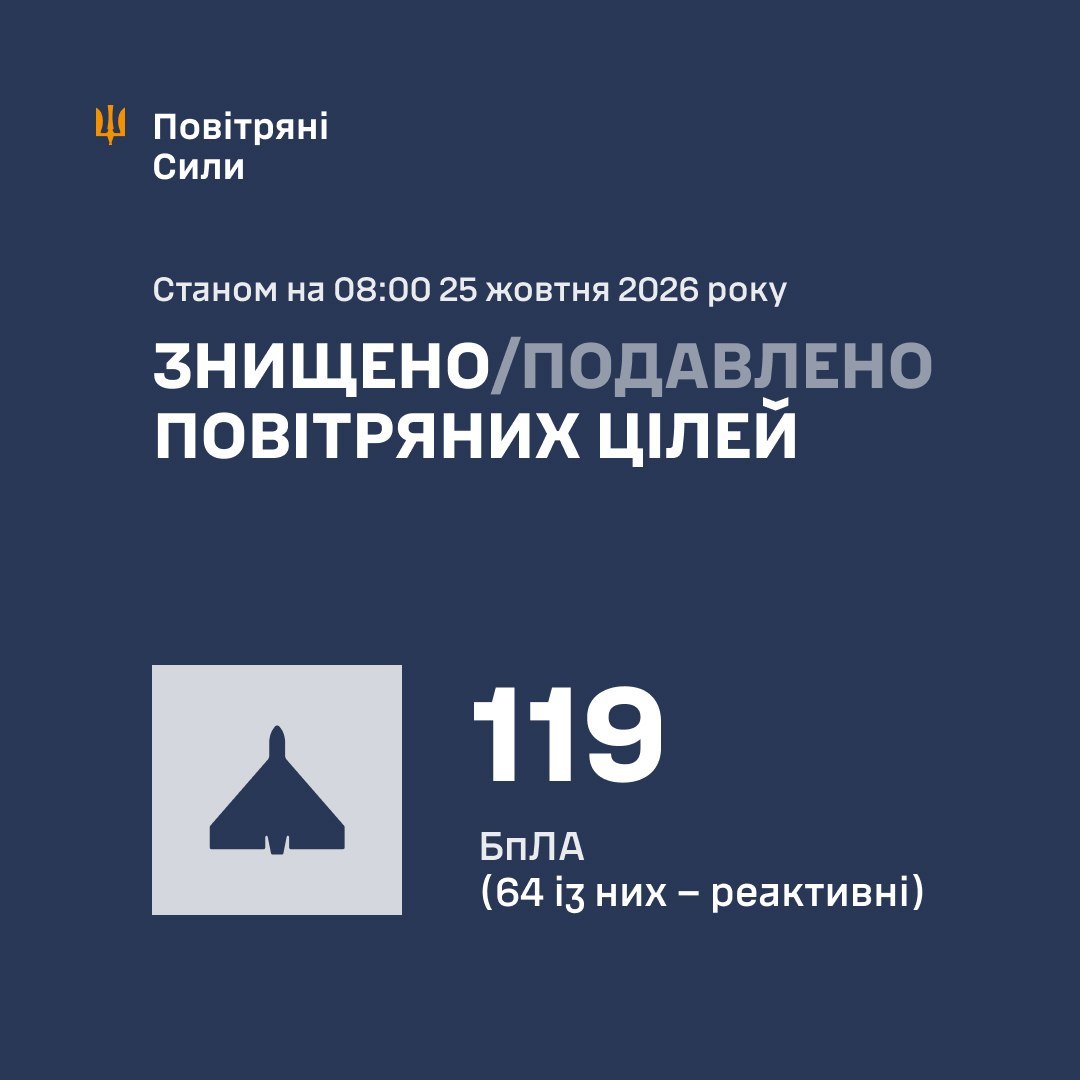
Russia launched a swarm of 153 drones, including 92 Shahed models, against Ukrainian targets. Ukrainian air‑defences reported shooting down 119 drones, with nine remaining airborne as of 08:00 UTC. The operation, detailed by monitor_the_situation, reflects Russia’s continued reliance on large‑scale UAV attacks to strain Ukrainian air‑defence resources.
UAV Activity Over Russian Interior Regions
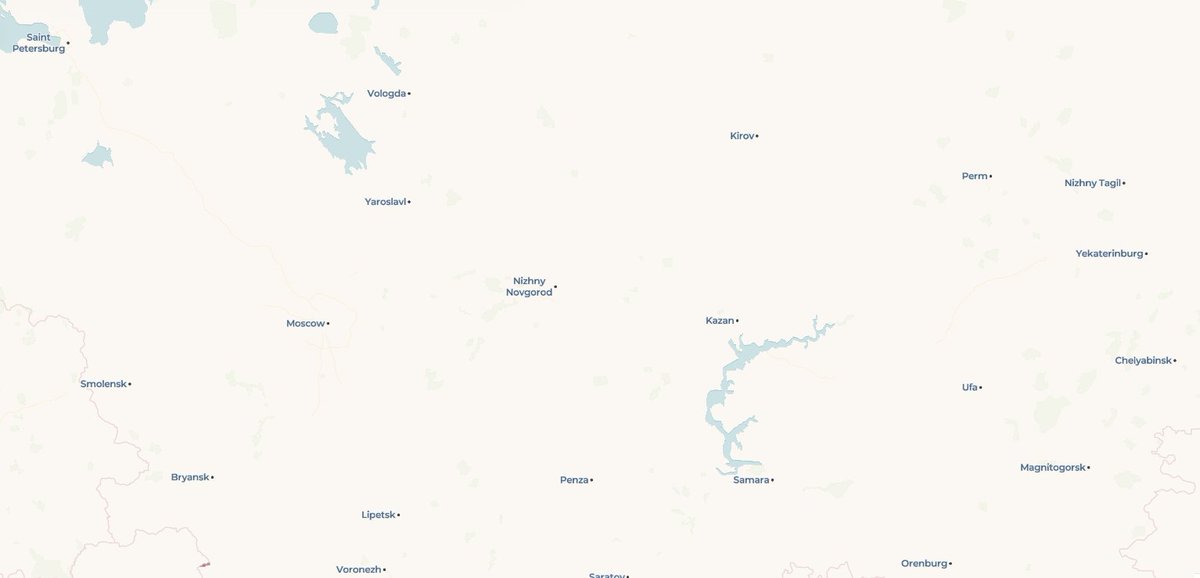
Separate reports indicated hostile UAV activity over the Mari El Republic and Kirov region, located 900–1,250 km from Ukraine’s border. Russian monitoring channels issued warnings, though no engagements were confirmed. The presence of drones deep within Russian territory raises questions about the source and intent of the flights.
Analytical Assessment
Collectively, these events illustrate a pattern of kinetic actions that extend beyond traditional battlefronts. Israel’s publicized strike serves a strategic communication function, while Algeria’s troop movement signals a shift toward protecting economic assets in the Sahel. Ukraine’s UAV successes highlight the growing role of autonomous systems in modern warfare, a trend mirrored by Russia’s extensive drone deployments. Saudi Arabia’s interception capability and the reported UAV incursions into Russian interior regions further emphasize the expanding geographic scope of aerial threats.
While casualty data remain limited for most incidents, the operational details suggest a continued escalation in the use of unmanned platforms and pre‑emptive strikes across multiple theatres. Monitoring agencies should track subsequent statements from the involved ministries and any follow‑up kinetic actions that may arise from these developments.