On 24 October 2026, two distinct kinetic incidents captured international attention: a large‑scale unmanned aerial vehicle (UAV) operation launched by Russia against Ukraine, and a deadly shooting at a Christian church in Jordan that left eight civilians dead. Both events underscore the continued reliance on aerial and small‑arms firepower in contemporary conflicts, while also prompting immediate security responses from the affected states.
Russian Drone Swarm Over Ukraine
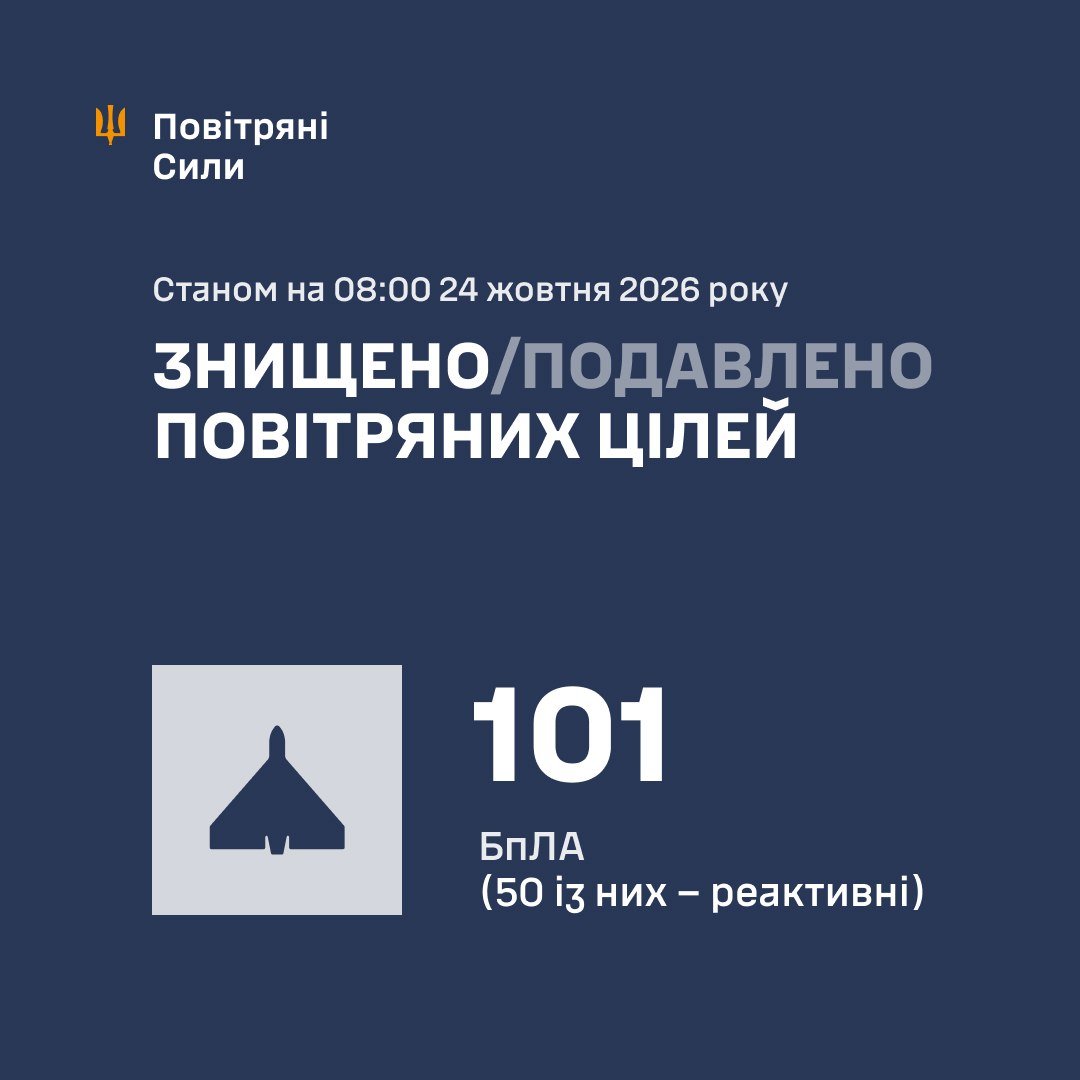
At 09:15 UTC, Russian forces released a coordinated swarm of 126 drones, including 61 Shahed‑type loitering munitions, targeting multiple sites across Ukraine. Ukrainian air‑defence units intercepted 101 of the drones, according to a report from the Telegram channel monitor_the_situation. The remaining 25 drones succeeded in striking 14 locations, with debris reported in five additional areas.
"Ukrainian air defenses intercepted or suppressed 101 of 126 drones launched overnight, including 61 Shaheds. Strikes were recorded at 14 locations and debris fell at five more." – monitor_the_situation, 2026‑10‑24
The engagement highlights the increasing use of swarm tactics to overwhelm defensive systems. Shahed drones, originally supplied by Iran, are designed for precision strikes against high‑value targets, while the broader mix of UAVs likely served a saturation role. Ukrainian forces, employing a layered air‑defence architecture that includes surface‑to‑air missiles, anti‑aircraft artillery, and electronic warfare, managed to limit the operational impact of the attack.
Jordan’s Church Shooting and Government Response
In a separate incident, a gunman opened fire inside a Christian church in Jordan, killing eight worshippers. The attack, reported by both Al Jazeera and the Telegram channel monitor_the_situation, prompted an immediate security clampdown. Jordanian authorities have not yet identified the perpetrators or established any links to known extremist groups.
"Jordan’s King Abdullah orders firm response after deadly church attack" – AlJazeera, 2026‑10‑24
Following the shooting, King Abdullah issued a statement calling for a "firm response" and ordered a nationwide review of security protocols at religious sites. The Ministry of Interior announced heightened patrols, increased checkpoint presence, and the deployment of rapid‑response units to vulnerable locations. While the investigation remains ongoing, officials emphasized that the attack appears to be an isolated incident rather than part of a coordinated campaign.
Russian 50th Separate Unmanned Systems Brigade “Varyag” Operations
Later in the day, at 14:12 UTC, the Russian 50th Separate Unmanned Systems Brigade, known as “Varyag,” reported the destruction of Ukrainian military assets using a combination of UAV‑borne munitions and unmanned ground vehicles (UGVs). According to the Telegram channel intelslava, the brigade eliminated a Gyurza‑class armored combat vehicle, a civilian pickup truck, and two UGVs employed by Ukrainian forces.
"Combat operations by the 50th Separate Unmanned Systems Brigade 'Varyag' destroying Ukrainian Armed Forces equipment, including a Gyurza armored combat vehicle, a pickup truck, and two unmanned ground vehicles (UGVs)." – intelslava, 2026‑10‑24
The use of UGVs marks a notable evolution in ground‑based kinetic engagements, allowing Russian forces to conduct remote strikes against mobile targets without exposing personnel to direct fire. Ukrainian officials have not yet released casualty figures or detailed damage assessments for the incident.
Ukrainian Drone Activity Over Moscow
In a reciprocal escalation, Ukrainian drones targeted Moscow’s civilian aviation infrastructure at 12:40 UTC. The attacks forced the cancellation of 110 flights and delayed an additional 178, with Sheremetyevo Airport experiencing a five‑hour suspension of departures. The Telegram channel monitor_the_situation reported that the disruptions were caused by small‑scale UAV incursions, though no casualties were reported.
"Ukrainian drone attacks have thrown Moscow's airports into another day of chaos, with 110 flights canceled and 178 delayed. No flights departed from Sheremetyevo Airport for over five hours." – monitor_the_situation, 2026‑10‑24
These operations illustrate the expanding role of drones in strategic denial, targeting not only military assets but also critical civilian infrastructure to impose economic and psychological pressure.
Analytical Summary
The events of 24 October demonstrate a convergence of aerial and ground‑based kinetic tactics across disparate theaters. Russia’s large‑scale drone swarm underscores a doctrinal shift toward saturation attacks designed to test and degrade enemy air‑defence capabilities. Simultaneously, the deployment of UGVs by the 50th Separate Unmanned Systems Brigade reflects an increasing reliance on autonomous platforms for precision strikes against mobile ground targets.
Jordan’s response to the church shooting highlights the challenges faced by states in addressing low‑profile, high‑impact attacks that lack clear attribution. The swift governmental reaction—heightened security measures and a public call for a firm response—aims to deter further incidents and reassure minority communities.
Ukrainian drone incursions into Moscow’s airspace reveal a reciprocal strategy of targeting civilian logistics to erode morale and disrupt normalcy. While the immediate physical damage appears limited, the broader impact on air‑travel and public perception is significant.
Collectively, these incidents reaffirm the centrality of unmanned systems in modern conflict, while also illustrating the persistent threat posed by small‑arms attacks against civilian populations. Monitoring agencies should continue to track the evolution of UAV tactics, the integration of UGVs, and the security responses of affected states.