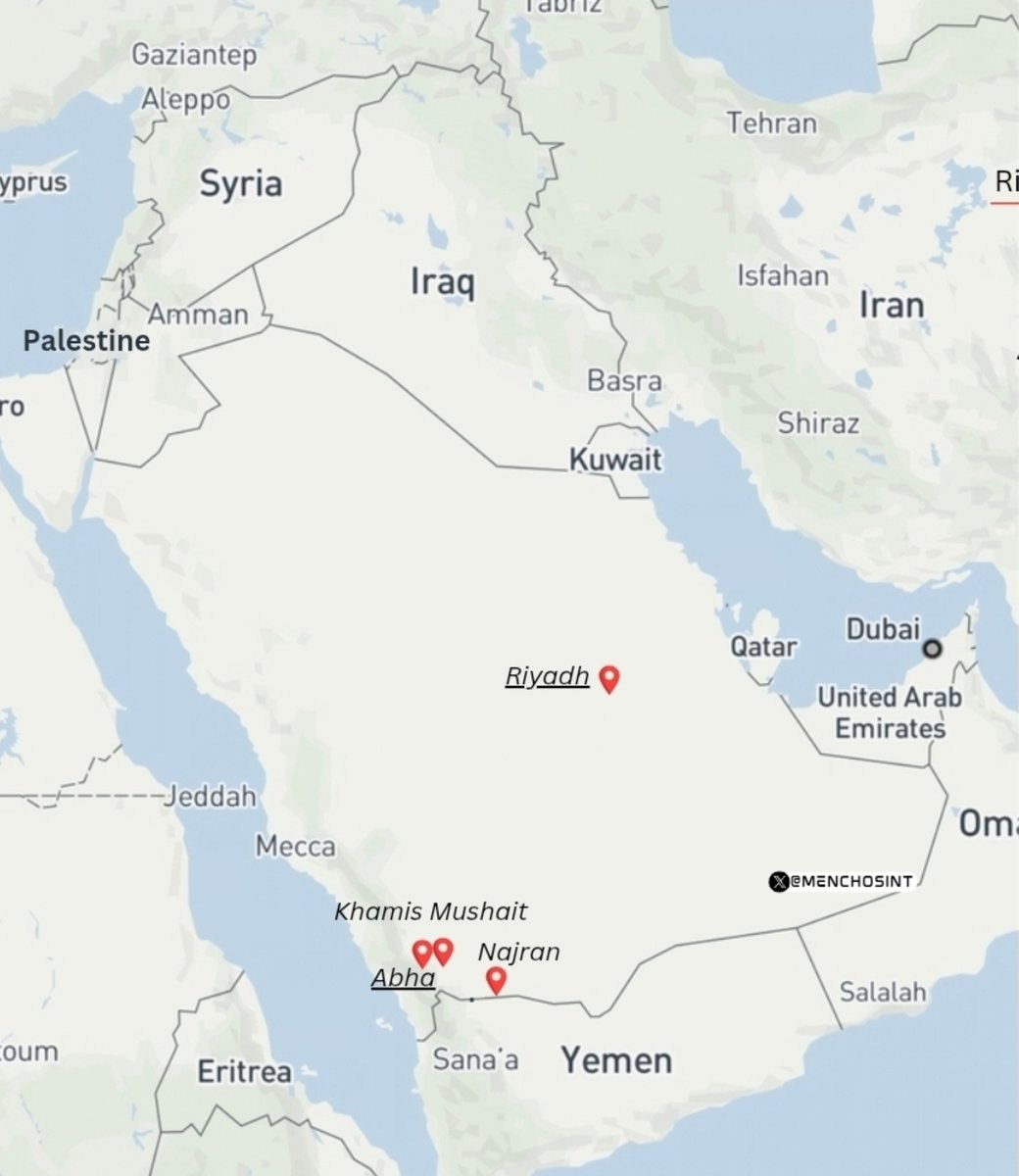
At 00:26 UTC on 23 October 2026, a ballistic missile launched from Yemen struck the outskirts of Riyadh, Saudi Arabia, marking the most significant hostile act recorded today and underscoring the heightened threat environment facing the Gulf region. The attack, reported by the CIG_telegram channel (source), involved a single Yemeni ballistic missile targeting the Saudi capital. No casualties were confirmed in the initial reports, but the incident prompted immediate activation of Saudi air‑defence systems and a rapid escalation of security alerts across the kingdom.
Yemeni Missile Attack on Riyadh
The missile impact was captured on video and disseminated by CIG_telegram, confirming the weapon type as a ballistic missile originating from Houthi‑controlled territory in Yemen. While the exact launch site was not disclosed, the attack aligns with a pattern of Houthi operations that have increasingly targeted Saudi infrastructure since the conflict’s escalation in 2024. The Saudi Joint Forces, responsible for national air‑defence, have not yet released a detailed damage assessment, but the event triggered a series of early‑warning alerts for additional missile and drone threats.
Saudi Early Warning and Interception Operations
At 04:06 UTC, the monitor_the_situation channel posted an early‑warning bulletin indicating that ballistic missiles and drones were fired from Yemen toward multiple Saudi cities, including Riyadh, Abha, Najran and Khamis Mushait. The alert, which featured a graphic warning and a link to the original Telegram post (source), emphasized the breadth of the threat: "🟠 **Missile and Drone Alerts Issued Across Saudi Cities**". The same channel later reported that Saudi forces had intercepted seven drones and two ballistic missiles over the previous 24 hours (source), attributing the interceptions to the Saudi Joint Forces in coordination with allied partners from Turkey, Pakistan and the United Kingdom.
🟠 **Saudi Forces Intercept 9 Houthi Attacks in 24 Hours**
Saudi Joint Forces reported 7 drone and 2 ballistic missile interceptions against Houthi attacks in the last 24 hours. Saudi airpower supports Yemeni government operations, while Türkiye, Pakistan, and UK prepare to deploy additional…
These defensive actions demonstrate Saudi Arabia’s layered air‑defence posture, which integrates Patriot and Arrow missile systems with advanced radar networks. The successful interceptions, however, do not eliminate the risk of further strikes, as the Houthi movement continues to possess a limited but functional ballistic missile capability and a growing inventory of unmanned aerial systems (UAS).
Russian Drone Campaign Across Western Ukraine
Concurrently, Russia intensified its aerial campaign over western Ukraine, deploying Geran‑type drones in a coordinated series of attacks. Between 03:22 UTC and 04:06 UTC, monitor_the_situation documented at least four separate incidents:
- At 03:22 UTC, a Geran‑4 drone struck the Vantovyy Bridge in Zaporizhzhia, temporarily halting traffic (source).
- At 03:27 UTC, a Geran‑4 jet‑drone hit Dnipro, igniting a fire, causing power outages and likely damaging the Prydniprovska Thermal Power Plant (source).
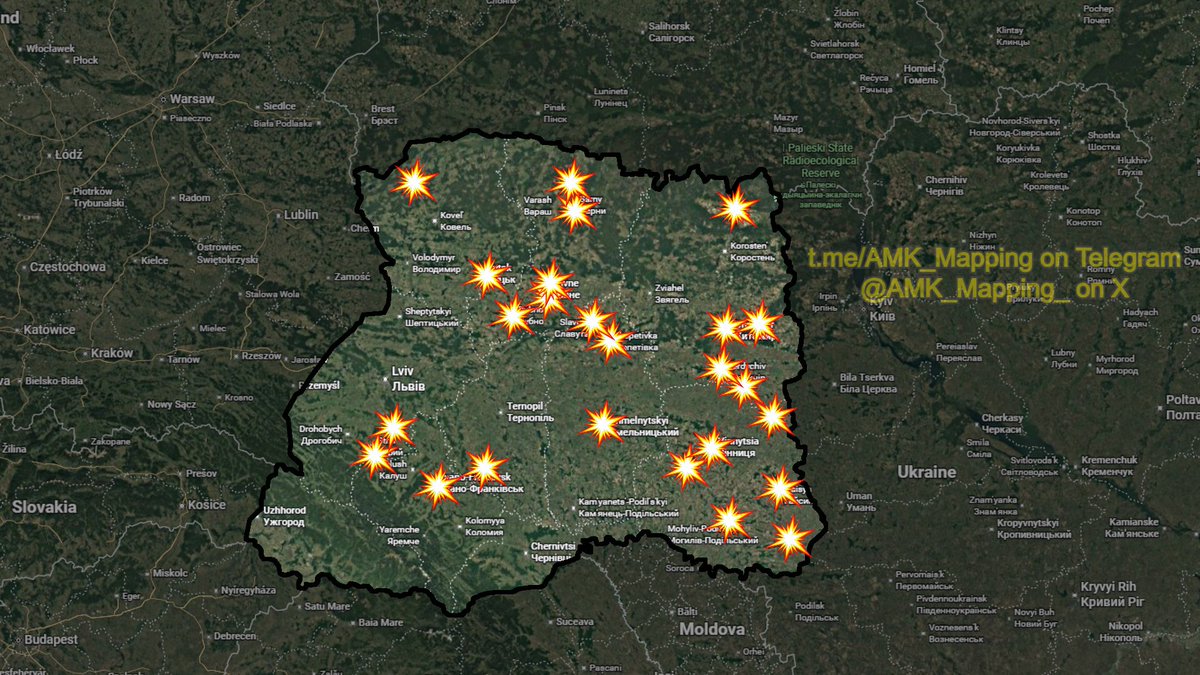
- At 04:06 UTC, a broader alert noted heavy Geran drone attacks across at least 25 locations in eight western Ukrainian oblasts, including Vinnytsia, Khmelnytskyi, Zhytomyr, Ternopil, Ivano‑Frankivsk, Lviv, Rivne and Volyn (source).
These drone strikes, while primarily aimed at infrastructure and logistical nodes, illustrate Russia’s reliance on low‑cost, expendable UAVs to sustain pressure on Ukrainian defenses. The Geran series, adapted from Iranian Shahed designs, are capable of loitering for extended periods and delivering small payloads with sufficient accuracy to disrupt power grids and transport corridors.
Implications for Regional Security
The simultaneous emergence of high‑intensity missile threats from Yemen and a proliferating drone campaign by Russia creates a compounded security dilemma for the Middle East and Eastern Europe. For Saudi Arabia, the Riyadh missile attack represents a direct challenge to the kingdom’s strategic depth and underscores the need for continued investment in missile‑defence interoperability with regional allies. The early‑warning system’s rapid dissemination of alerts across multiple cities demonstrates an improved situational‑awareness capability, yet the persistence of Houthi launch capacity suggests that diplomatic avenues alone may be insufficient to curb future attacks.
In Ukraine, the Geran drone onslaught signals a tactical shift by Russian forces toward saturation attacks that strain Ukrainian air‑defence resources. The targeting of critical energy infrastructure, such as the Prydniprovska Thermal Power Plant, aims to erode civilian resilience and complicate reconstruction efforts. While casualty figures remain low in the reported incidents, the potential for civilian harm escalates with each successive strike on densely populated urban centers.
Combined, these developments highlight a broader trend: state and non‑state actors are leveraging relatively inexpensive missile and drone technologies to achieve strategic effects, thereby raising the threshold for regional conflict escalation. The convergence of threats across disparate theatres—Gulf security and Eastern European frontlines—demands a coordinated response that integrates intelligence sharing, joint air‑defence exercises, and robust diplomatic engagement to mitigate the risk of inadvertent escalation.