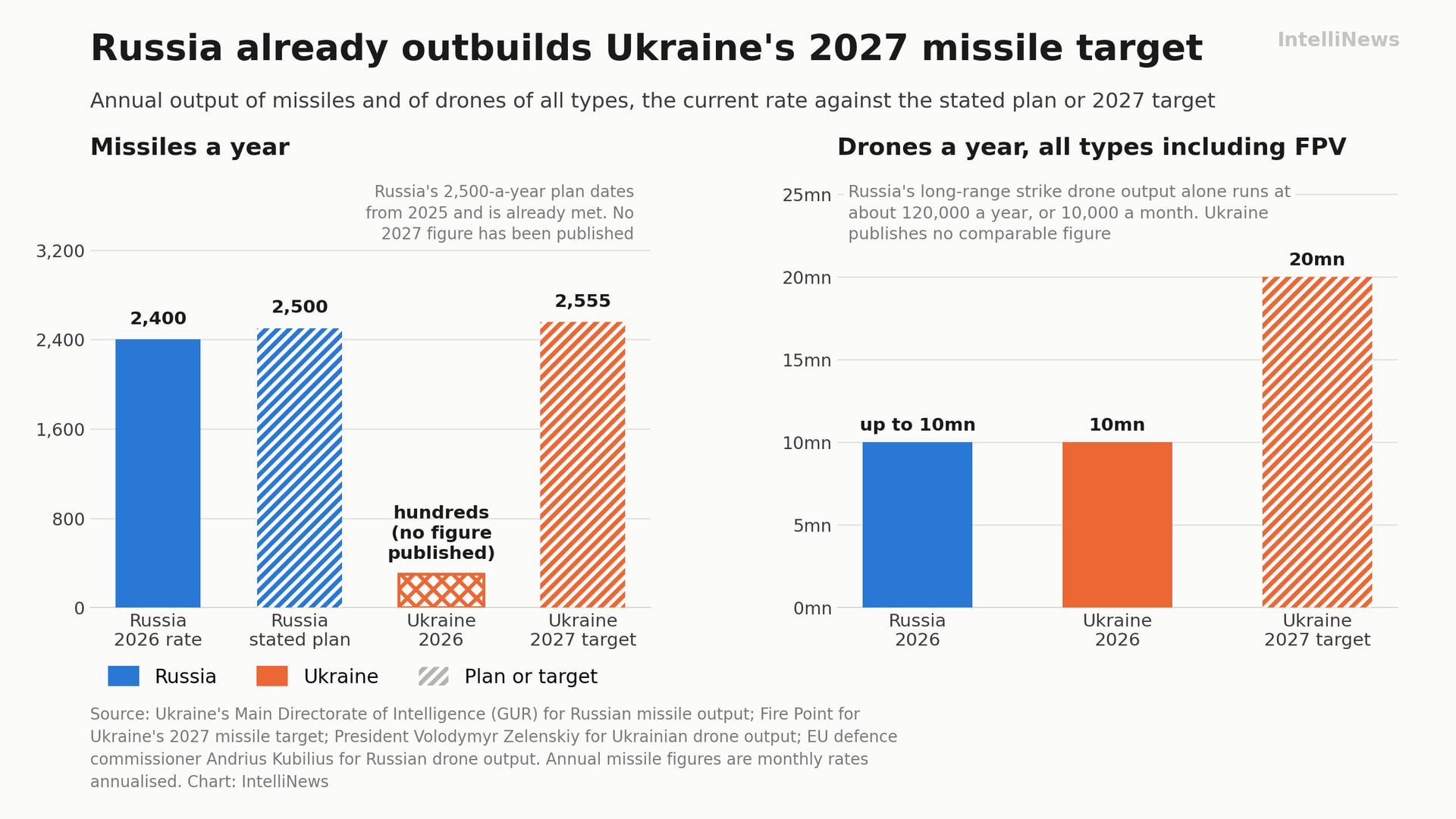
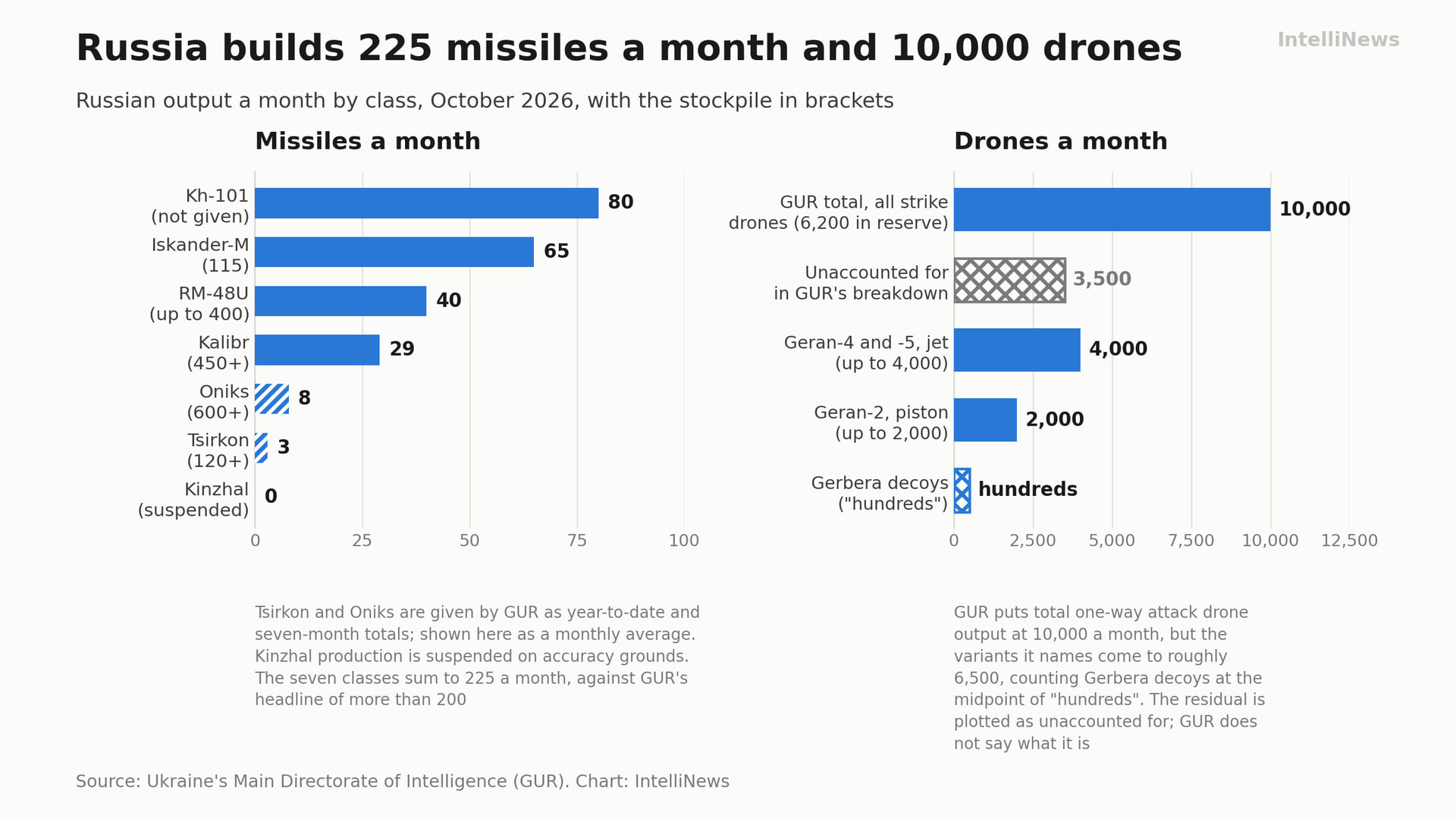
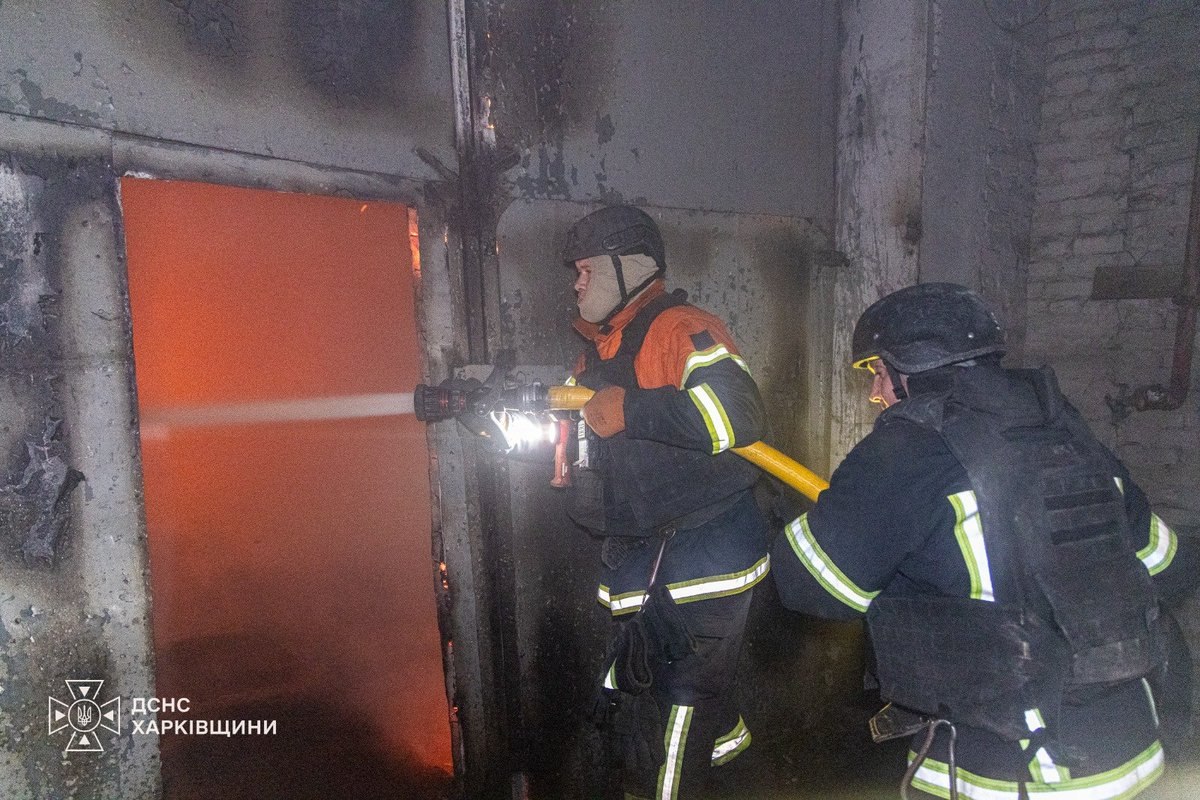
In the early hours of 23 October 2026, Russia launched a large‑scale combined missile and drone operation against Ukraine’s capital, Kyiv. The attack employed Iskander‑M, S‑400, Zircon and Oniks missiles alongside more than 210 unmanned aerial vehicles. Ukrainian air defenses reported downing or suppressing 181 UAVs, preventing further damage, but the sheer volume of weapons underscored an escalation in kinetic pressure on the city.
"Russia launched a massive overnight attack with Iskander‑M, S‑400, Zircon and Oniks missiles plus 210 drones; 181 UAVs were downed or suppressed," – Monitor the Situation, 23 Oct 2026
Key details of the Kyiv strike include the use of multiple missile families capable of both high‑altitude and sea‑skimming trajectories, and a dense swarm of drones designed to overwhelm air‑defence radars. No civilian casualties were confirmed in the immediate aftermath, but the attack forced emergency power outages across Kyiv and Kyiv Oblast, highlighting the vulnerability of critical infrastructure.
Massive Kyiv Missile and Drone Barrage
The coordinated strike began at approximately 02:00 UTC, with Iskander‑M ballistic missiles targeting the city’s northern districts, while S‑400 surface‑to‑air missiles were repurposed for ground‑attack roles against energy facilities. Zircon hypersonic missiles, typically reserved for naval targets, were directed at command‑and‑control nodes, and Oniks anti‑ship missiles were employed in a land‑attack configuration against a logistics hub. Ukrainian Air Force officials confirmed that 181 of the 210 attacking UAVs were intercepted, primarily by the S‑300 and Patriot systems deployed around the capital.
Ukrainian Counter‑Strikes on Russian Territory
In parallel with defending Kyiv, Ukrainian forces executed a series of offensive operations against Russian targets. At 17:08 UTC, Ukrainian cruise missiles struck the Baltimor Airbase and the Proton electronics plant in Voronezh Oblast, Russia, aiming at facilities linked to missile production. A separate missile strike at 14:57 UTC hit the Proton semiconductor plant in Oryol, Russia, with footage showing multiple impact points, though damage assessments remain pending.
Additional Ukrainian attacks were reported in the Russian city of Voronezh, where three “Flamingo” missiles reportedly impacted an airfield, according to Intelslava. While the exact target remains unverified, the strikes illustrate Ukraine’s expanding long‑range strike capability, likely leveraging Western‑supplied cruise missiles.
Russian UAV Attacks Within Ukraine
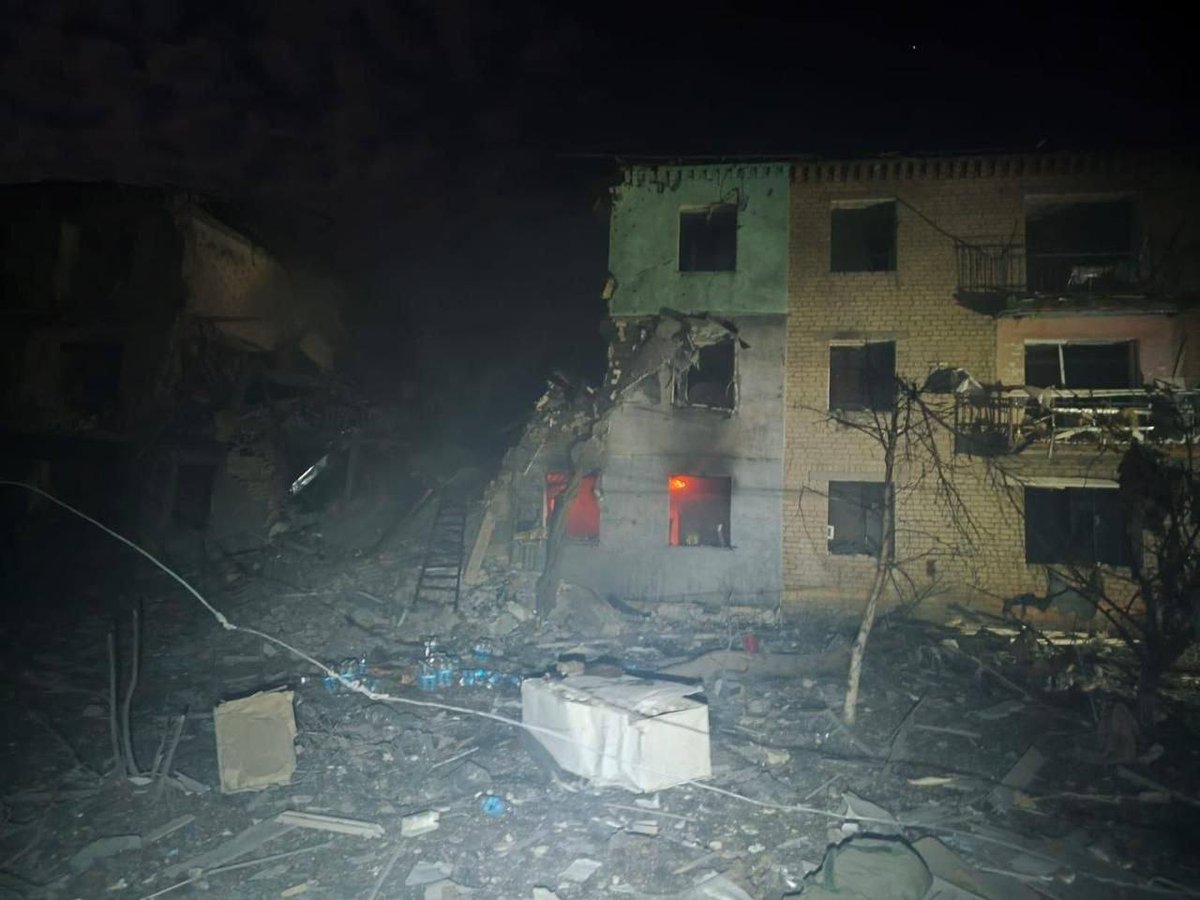
Russia continued its UAV campaign against Ukrainian territory throughout the day. At 16:40 UTC, a Russian drone struck a civilian building in Zhytomyr, injuring three civilians, including children. Earlier, at 07:12 UTC, a Shahed‑type drone swarm attacked the market in Lozova, Kharkiv Oblast, killing two civilians and temporarily halting power generation at a DTEK plant. The swarm comprised 176 drones, of which 92 were jet‑powered Shahed models; Ukrainian air defenses downed or suppressed 140 of the incoming UAVs.
Other notable UAV incidents included a Geran‑2/4 drone strike on a warehouse complex in Bezliudivka, Kharkiv Oblast, and a Geran‑2 attack on a petrol station in Sumy, both causing material damage but no confirmed fatalities.
Ground Combat and Counter‑Offensives in Zaporizhzhia
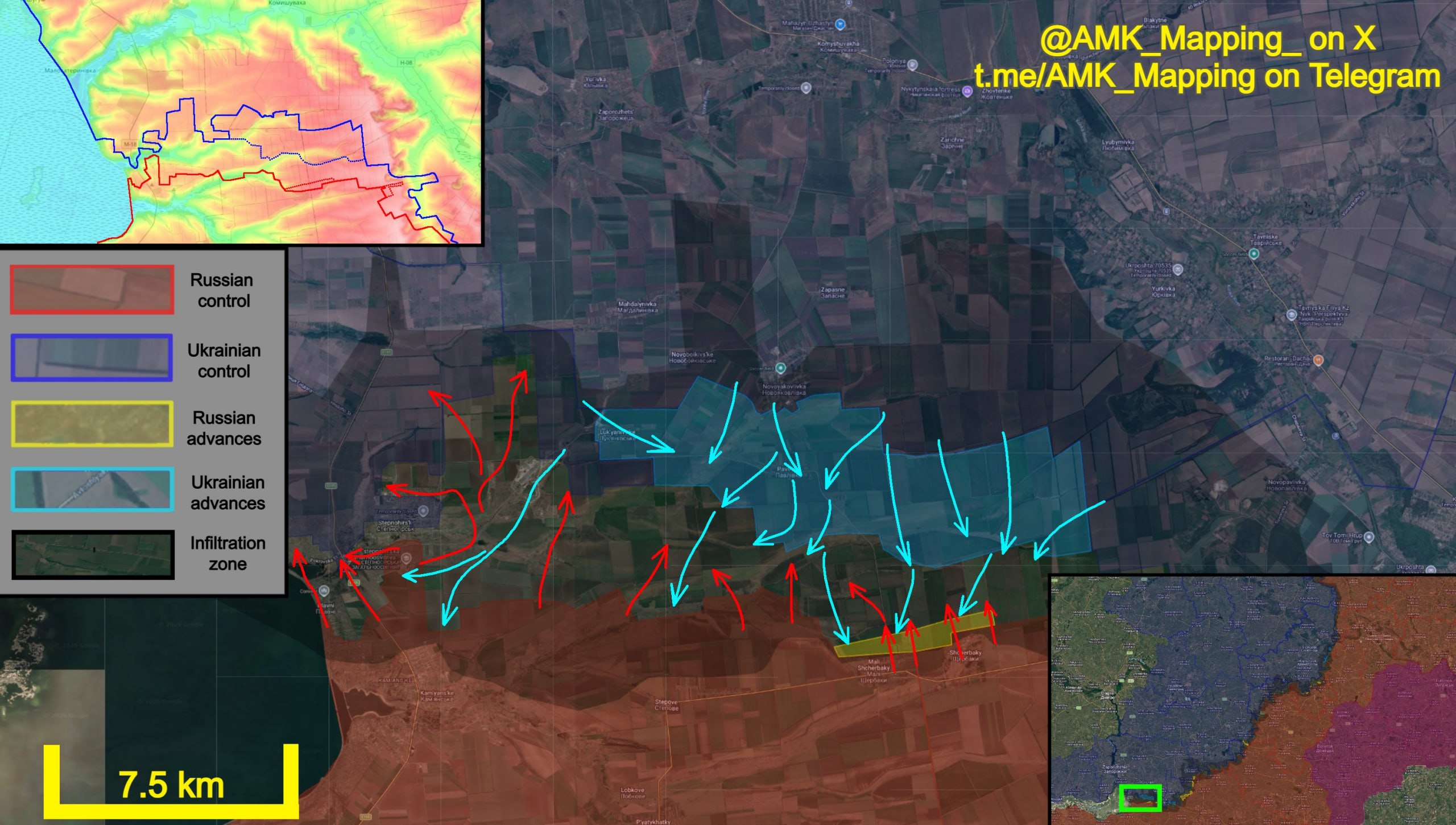
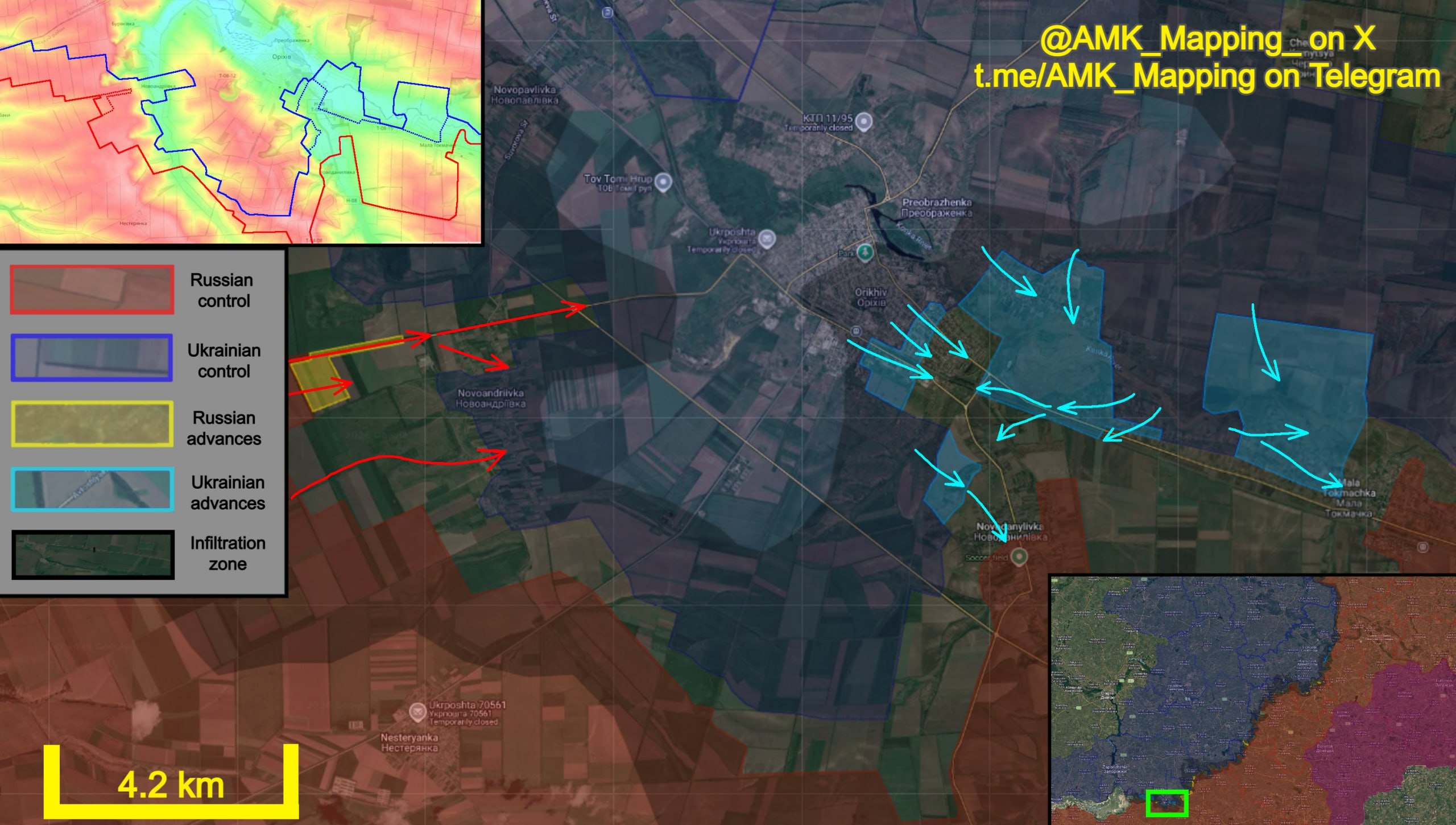
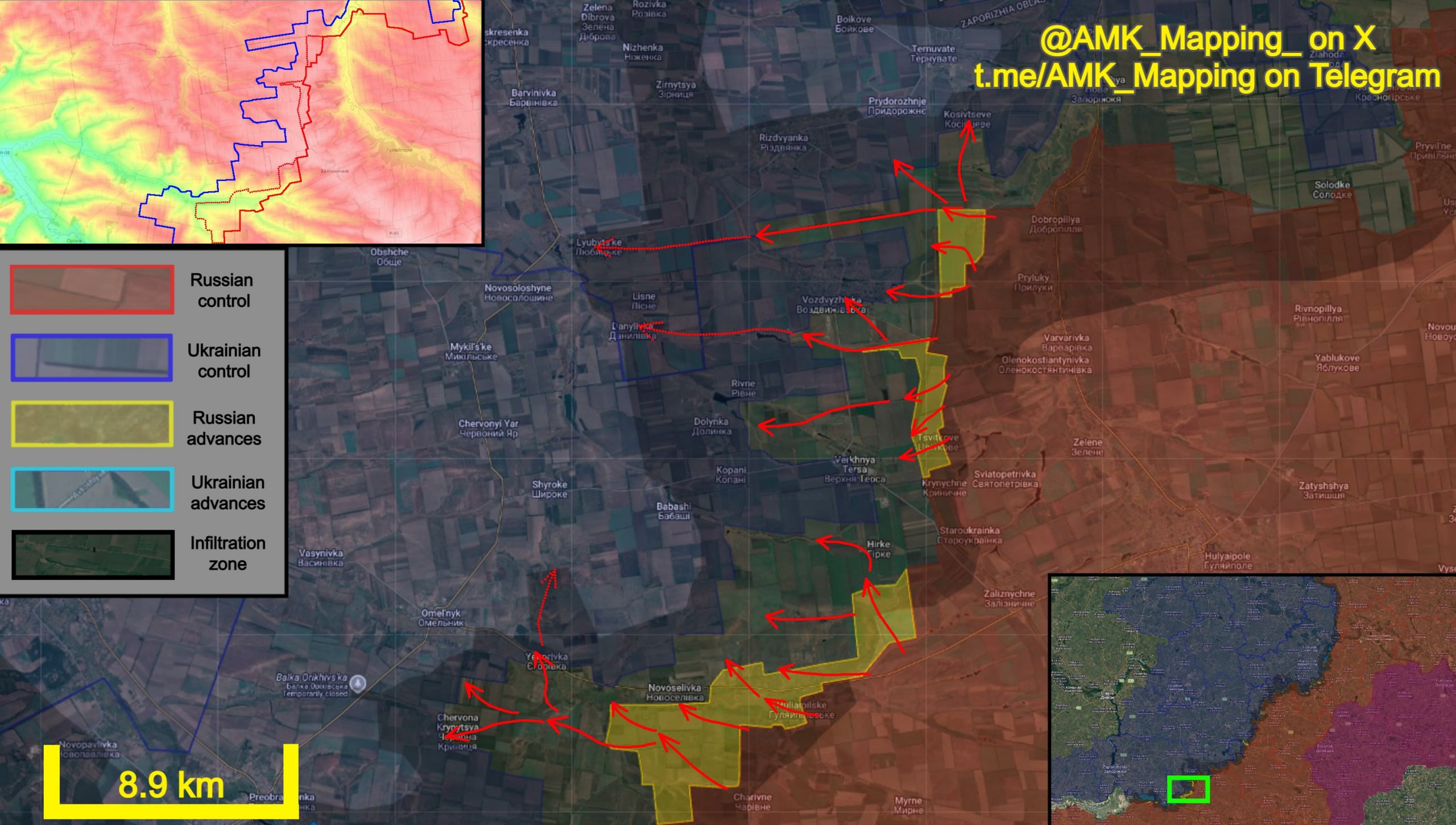
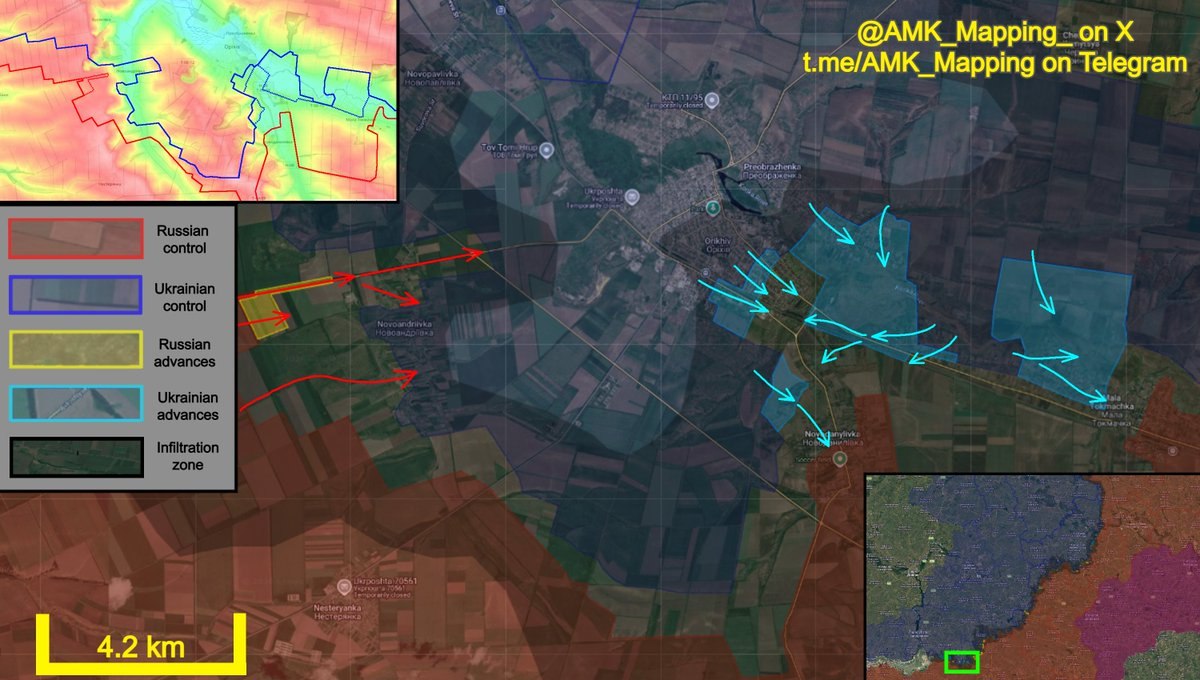
Ukrainian forces intensified counter‑offensive operations in the Zaporizhzhia Oblast, focusing on the Stepnogorsk, Orekhov, and Omelnik directions. Between 17:34 UTC and 17:45 UTC, Ukrainian troops cleared multiple villages north of Shcherbaky and Preobrazhenka, reclaiming territory previously held by Russian forces. Simultaneously, Russian units intensified assaults in the Omelnik direction, capturing several villages and advancing through forested terrain. The fluid frontlines underscore a high‑intensity phase of ground combat, with both sides reporting heavy artillery exchanges and infiltration attempts.
Civilian Casualties and Infrastructure Damage
Across Ukraine, the cumulative impact of kinetic actions resulted in at least 16 civilian deaths and 119 injuries in the preceding 24 hours, with the highest tolls recorded in the Kharkiv and Kyiv regions. Specific incidents include a Russian drone strike in Zhytomyr (three injured) and a daytime rocket attack on Chernihiv that killed one civilian and injured 25. In Kyiv, emergency power outages were imposed following the missile barrage, affecting residential and commercial consumers.
Russian casualties were also reported. The General Staff announced 1,830 military losses on 23 October, bringing total war casualties to 1,574,620 since the invasion began. Ukrainian intelligence corroborated a record daily loss of 2,250 Russian personnel on 21 October, highlighting the sustained attrition on both sides.
Summary of Operational Trends
The events of 23 October demonstrate a multi‑dimensional escalation: Russia continues to employ high‑volume UAV swarms and missile salvos against Ukrainian urban centers, while Ukraine expands its long‑range strike repertoire against strategic Russian infrastructure. Ground operations in the south remain fiercely contested, with both sides seeking to exploit gaps in the opponent’s defensive lines. Civilian protection measures, such as emergency power shutdowns and evacuation orders, are increasingly employed to mitigate the humanitarian impact of kinetic engagements.