On 23 October 2026, a cascade of kinetic events unfolded across disparate theatres, ranging from lethal infiltrations in unnamed locales to high‑intensity aerial bombardments and extensive unmanned‑aircraft operations. The day began with a critical infiltration that resulted in two fatalities, setting a grim tone for a series of attacks that together accounted for dozens of deaths, hundreds of injuries, and significant material damage.
Critical Infiltration Event
At 06:57 UTC, an unidentified group carried out a severe attack described by the Telegram channel idkunim_il. The incident, classified as an infiltration, led to two deaths. The channel’s brief report stated, "The hard attack this morning: 2 killed, may their memory be blessed." No weapons, organizations, or national affiliations were disclosed, and the location remains unknown. The original post can be accessed at https://t.me/idkunim_il/64706.
"The hard attack this morning: 2 killed, may their memory be blessed." – idkunim_il, 06:57 UTC
High‑Intensity Airstrike and Rocket Attacks
Mid‑day saw a high‑severity airstrike when Russian forces deployed cluster bombs against Ukrainian positions, as reported by Al Jazeera. The strike, occurring at 13:17 UTC, was part of Russia’s broader campaign that has yielded negligible territorial gains this year. The report highlighted Kyiv’s ongoing front‑line consolidation amid the bombardment. Source: Al Jazeera.
Earlier, at 10:11 UTC, Russian missile attacks targeted Ukrainian energy infrastructure, killing eight people and wounding 67. The strikes forced energy company DTEK to shut down a thermal power plant. The details were provided by the monitoring channel monitor_the_situation (source).
Series of UAV Operations
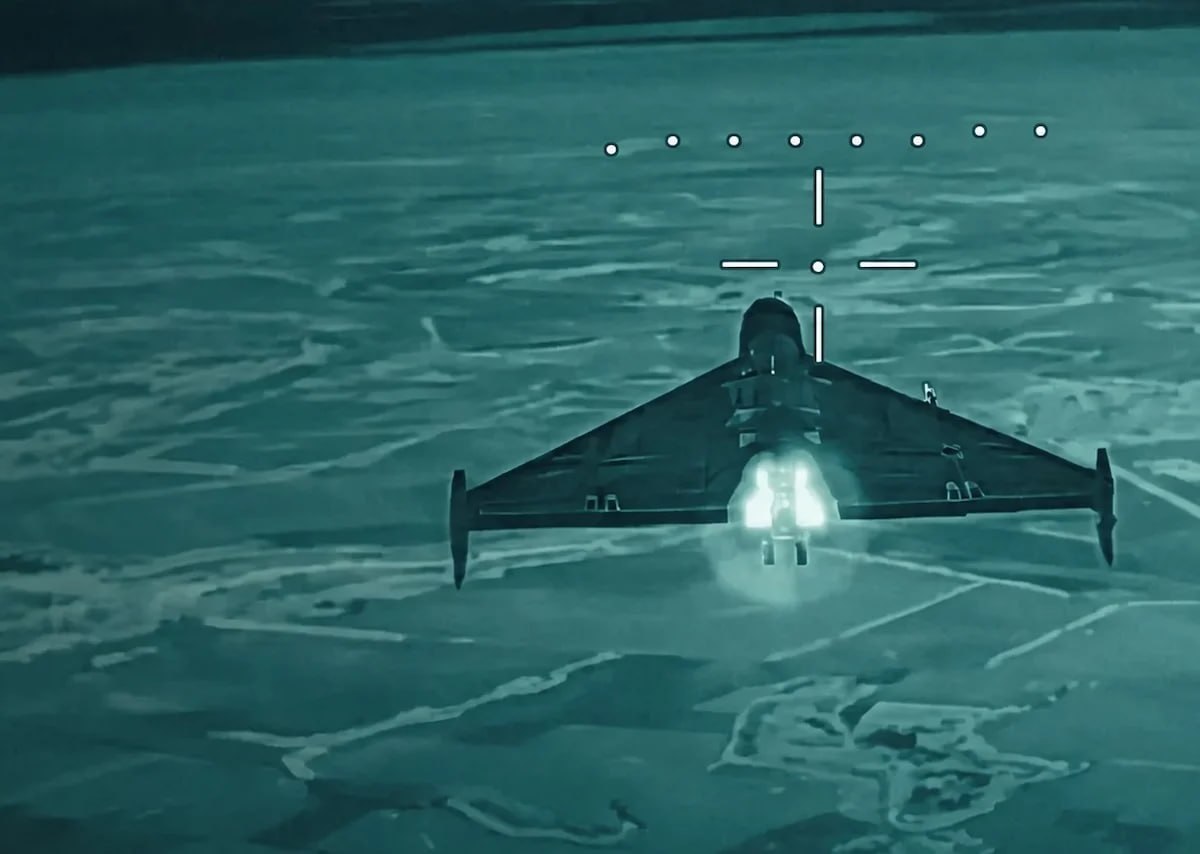
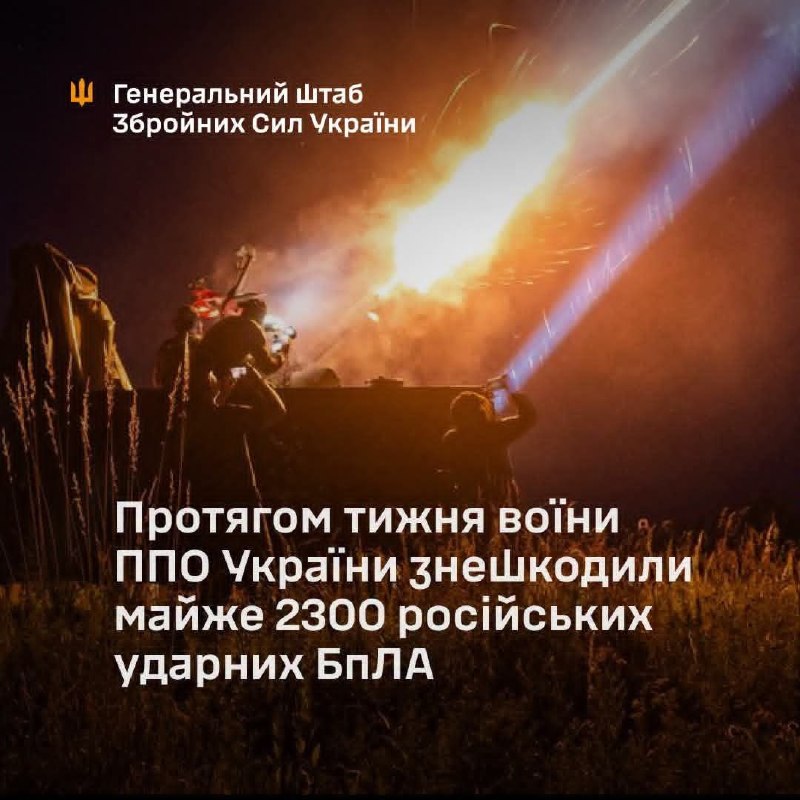
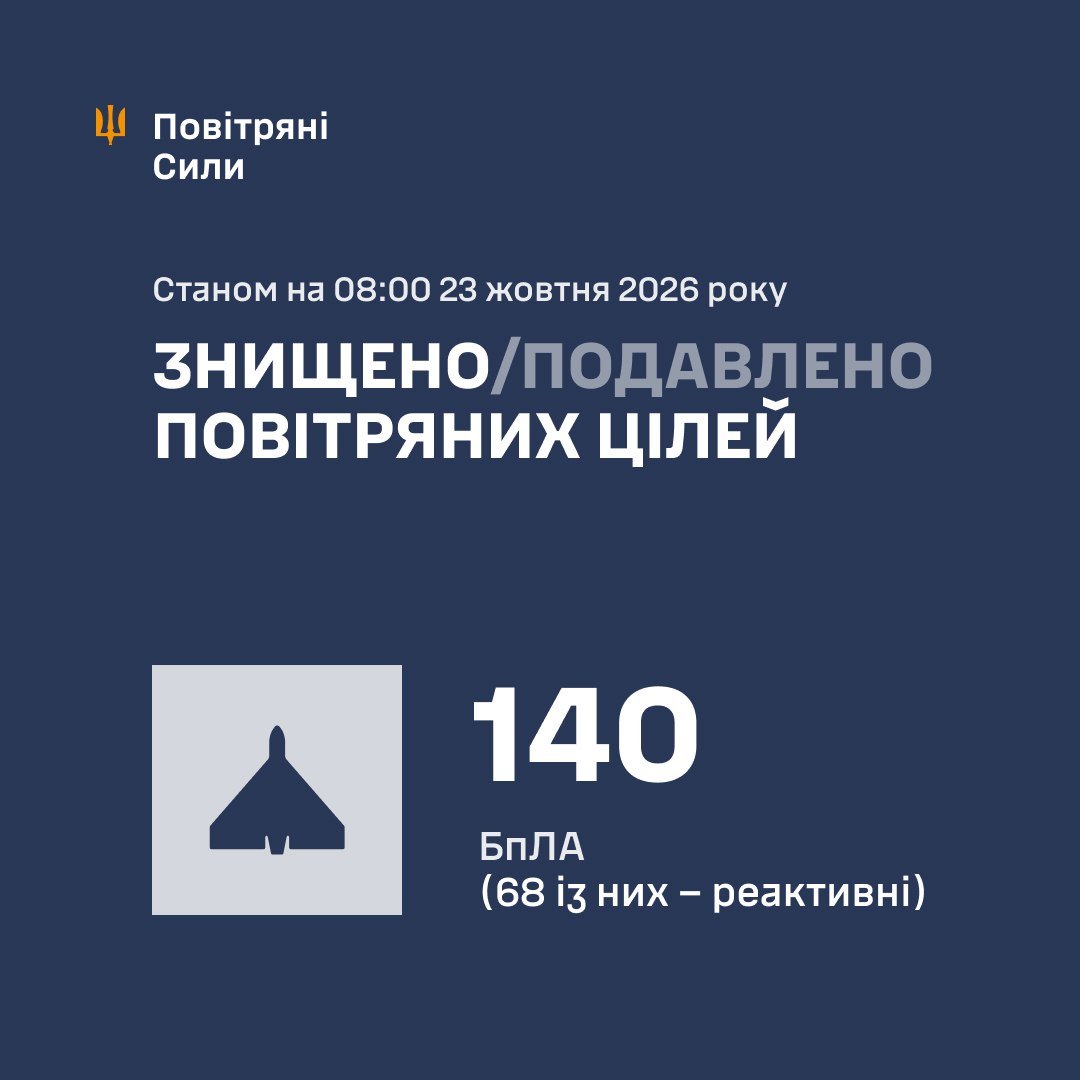
Unmanned aerial systems dominated the latter part of the day. At 07:17 UTC, Russian forces launched 176 drones, including 92 jet‑powered Shahed models, against Ukraine. Ukrainian air defenses downed 140 of these UAVs, while the remaining drones struck 19 locations (monitor_the_situation).
Conversely, Ukrainian drones conducted multiple strikes inside Russian territory. At 07:24 UTC, a UAV hit a Federal Tax Service data centre in Gorodets, Nizhny Novgorod Oblast, potentially disrupting state registry and tax systems (monitor_the_situation). Shortly after, at 07:26 UTC, another Ukrainian drone attacked the Uralchem Azot chemical plant in Berezniki, generating visible smoke and raising concerns about chemical safety (monitor_the_situation).
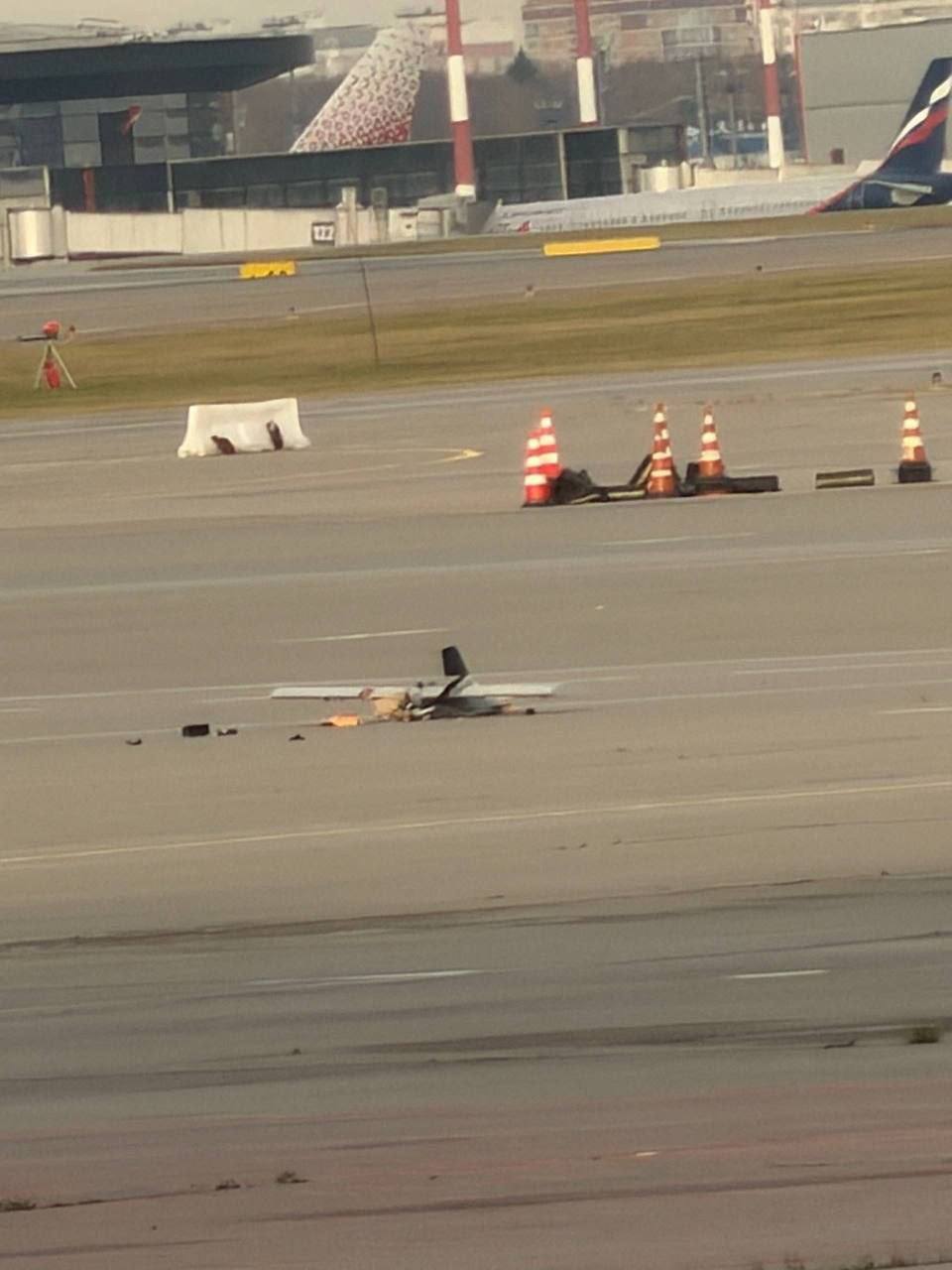
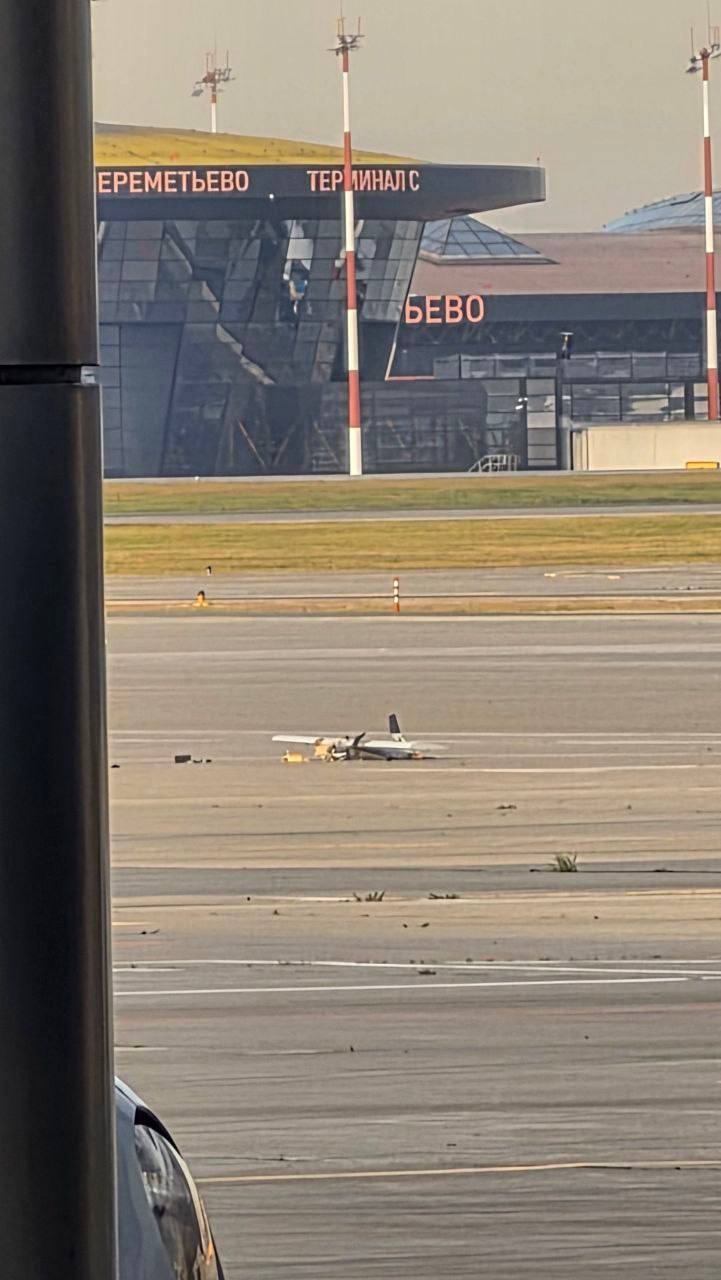
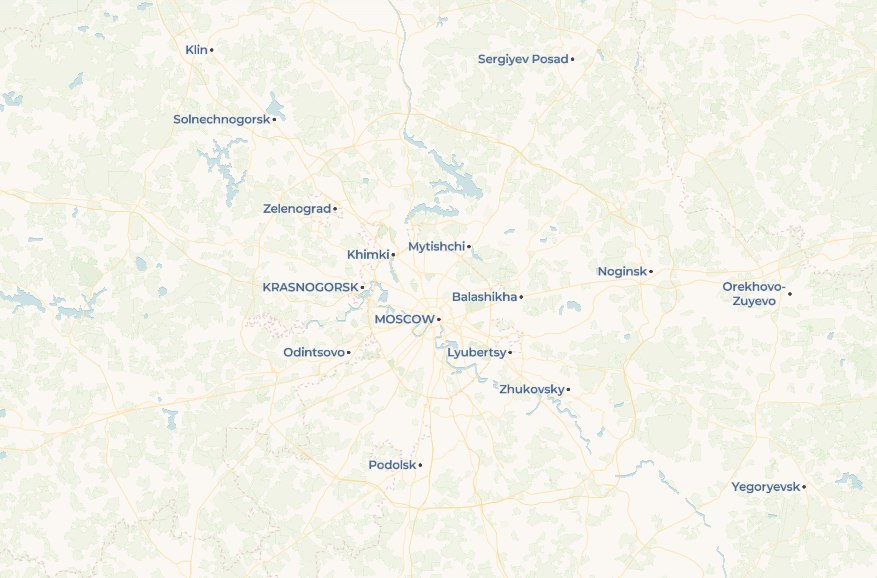
Further north, at 13:25 UTC, Ukrainian drones struck Moscow’s Sheremetyevo Airport, forcing the diversion of 38 flights and delaying or canceling roughly 300 others. Airport authorities broadcast a warning and advised passengers to seek shelter (intelslava).
In a separate development, Ukrainian forces reported a cumulative total of 408,000 Russian drones shot down in 2026, encompassing Shahed‑type, fixed‑wing, and multirotor platforms (OSINTdefender).
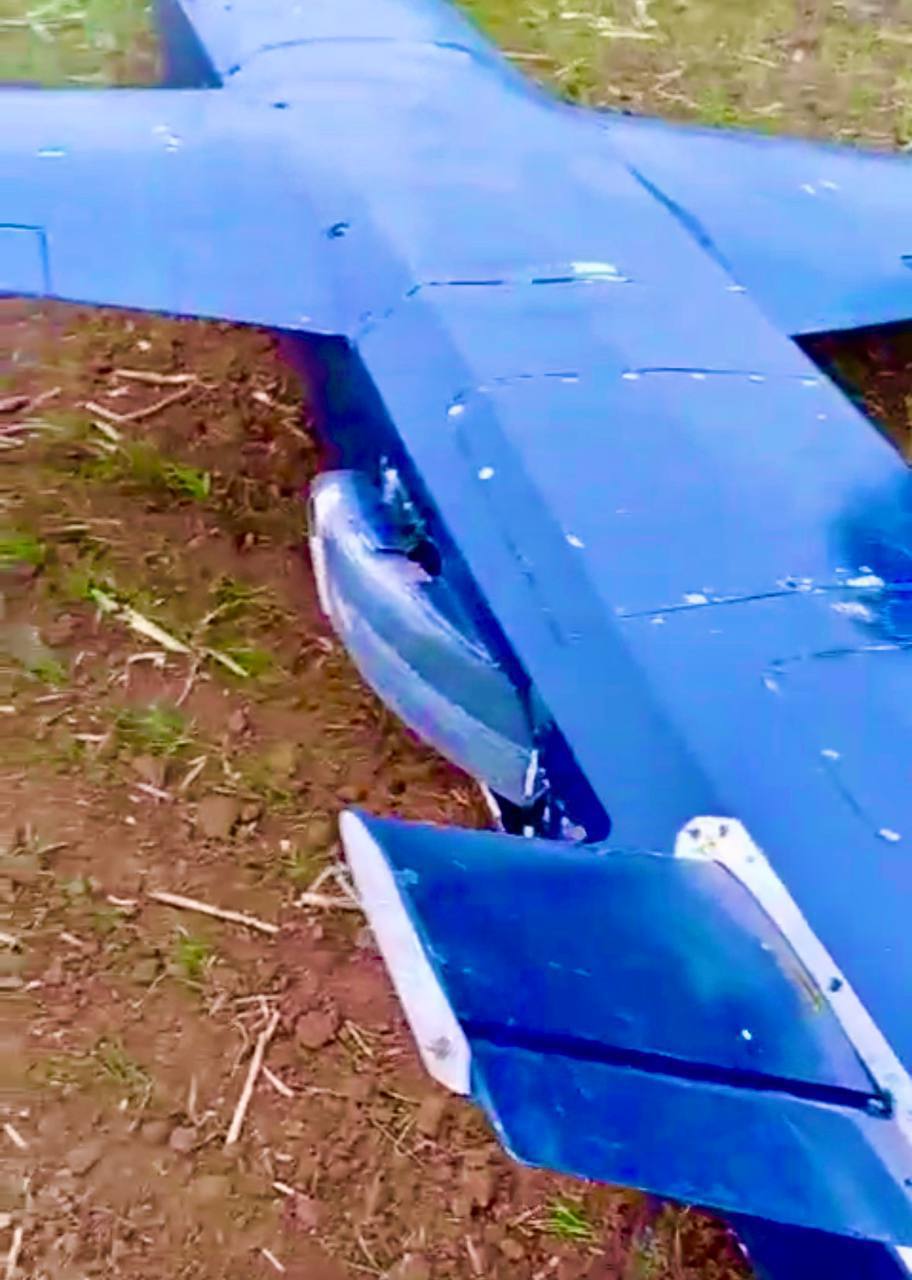
Russia, meanwhile, escalated its UAV deployment by introducing the modified Geran‑5 K5‑K jet‑powered munition against Ukrainian targets, as noted by the intelligence channel intelslava (source).
Ground and Infiltration Incidents in Jordan and Syria
Jordan experienced two separate lethal infiltrations. At 11:58 UTC, a funeral procession was attacked by two gunmen, resulting in at least seven deaths (rnintel). Later, at 13:10 UTC, a church attack claimed 19 casualties (both wounded and killed). The perpetrators were described as having a “takfiri” background, according to Jordanian sources relayed by BellumActaNews (source).
In Syria, an Israeli raid resulted in the death of a Syrian man with an intellectual disability, as reported by Al Jazeera (source). No weapons or affiliated groups were identified.
Operational Trends and Assessment
The breadth of kinetic activity on 23 October illustrates a multi‑layered conflict environment where state and non‑state actors employ a mix of conventional and unconventional means. Key observations include:
- Escalation of UAV warfare: Both Russia and Ukraine intensified drone deployments, with Russia introducing new jet‑powered munitions while Ukraine achieved a high interception rate and claimed extensive enemy drone losses.
- Continued use of indiscriminate munitions: The Russian cluster‑bomb strike in Ukraine underscores the persistence of weapons with high civilian impact.
- Localized infiltration attacks: The Jordanian incidents demonstrate that lethal infiltrations remain a potent threat to civilian gatherings, even in relatively stable environments.
While the precise locations of many events remain undisclosed, the cumulative effect is a heightened risk of civilian casualties and infrastructure disruption across the affected regions.