At 14:31 local time on 22 October 2026, a coordinated missile and drone assault launched from Yemen struck the Saudi capital, Riyadh, causing direct impacts in the city centre. The attack was reported by the CIG_telegram channel, which posted video evidence of the explosions and confirmed that both missile and drone munitions were employed. No casualty figures were released in the initial report, but the incident marks the most severe kinetic event recorded in Saudi Arabia on this date.
Riyadh Capital Under Direct Impact
The CIG_telegram briefing described the strike as “Yemeni missile and drone attacks struck Riyadh, Saudi Arabia, causing direct impacts.” The source provided two video clips showing smoke plumes and damage to civilian infrastructure. While the exact weapon types were not disclosed, the combination of missile and drone suggests a hybrid attack designed to overwhelm air‑defence systems.
"Direct impacts in Riyadh, the capital of Saudi Arabia, after Yemeni missile and drone attacks this afternoon" – CIG_telegram, 2026‑10‑22T14:31:15
Saudi authorities have not yet issued an official casualty count, but the presence of both kinetic and aerial threats in the capital underscores a heightened risk environment for critical government and civilian sites.
Ministry of Defense Targeted
Earlier in the afternoon, at 13:48, the Israeli‑monitoring channel intelslava reported that Houthi rebels struck a building belonging to Saudi Arabia’s Ministry of Defense in Riyadh. The post did not specify the weapon used, noting only that “Yemeni Houthi rebels have struck a building of the Ministry of Defense of Saudi Arabia, according to Israeli sources.” A single video item accompanied the claim.
"Yemeni Houthi rebels have struck a building of the Ministry of Defense of Saudi Arabia" – intelslava, 2026‑10‑22T13:48:06
Although casualty details were absent, the targeting of a high‑profile defense installation signals an escalation in the strategic intent of the Houthi campaign.
Ansarullah Ballistic Missile Impact
At 13:06, the Russian‑language intelligence feed rnintel posted that an Ansarullah‑operated ballistic missile impacted Riyadh. The brief stated: “An Ansarullah ballistic missile impacted in Riyadh, Saudi Arabia, a short while ago.” Two video clips illustrated the missile’s trajectory and impact zone. The weapon is identified explicitly as a ballistic missile, indicating a longer‑range capability compared with the earlier drone strike.
"An Ansarullah ballistic missile impacted in Riyadh, Saudi Arabia" – rnintel, 2026‑10‑22T13:06:15
No injuries were reported, but the event adds a third distinct actor—Ansarullah—to the list of groups capable of striking the Saudi heartland.
Aramco Dhahran Headquarters Evacuated
In the eastern province, the monitor_the_situation channel reported that Saudi Aramco evacuated its Dhahran headquarters after a ballistic missile from Yemen struck the Tower Building on 13 October. The notification, posted at 09:45, referenced a Reuters report confirming the strike and the subsequent remote‑work directive for staff. While the incident occurred earlier in the month, the channel reiterated the event on 22 October, emphasizing the ongoing threat to critical energy infrastructure.
"Saudi Aramco Evacuates Dhahran HQ After Missile Strike" – monitor_the_situation, 2026‑10‑22T09:45:46
The evacuation underscores the vulnerability of Saudi Arabia’s energy sector to cross‑border missile attacks, even when the strike predates the current day’s events.
Dammam Airport Hit, One Fatality
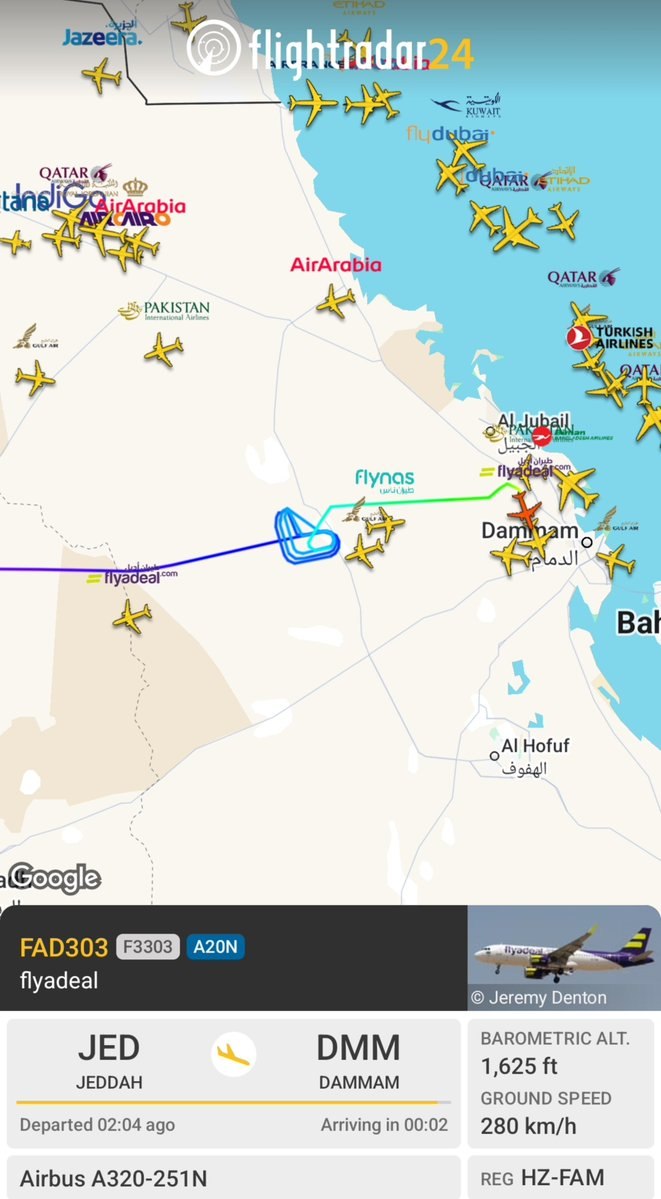
At 07:45, monitor_the_situation reported that Dammam Airport was struck by a missile or drone, resulting in one death and multiple injuries. The Saudi aviation authority confirmed the damage but announced that the airport would remain operational despite the attack. A single photograph accompanied the report, showing smoke and debris near the runway.
"Dammam Airport was hit by a missile or drone, killing one person and injuring others, but Saudi authorities kept it open" – monitor_the_situation, 2026‑10‑22T07:45:21
The decision to keep the airport open reflects a strategic choice to maintain civil‑air mobility while managing security risks.
Saudi Drone Interceptions Over Riyadh and Medina
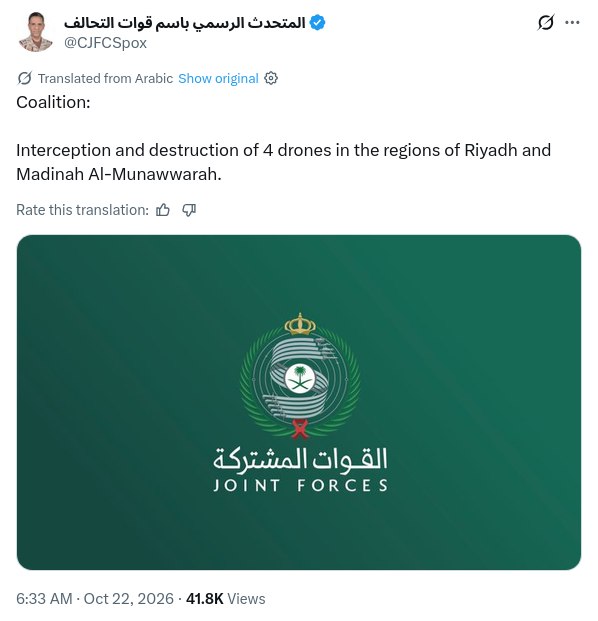
Two separate interception reports were logged on 22 October. At 11:47, monitor_the_situation announced that Saudi authorities intercepted four drones over Riyadh and Medina, attributing the action to the Saudi‑led coalition. At 09:32, the same channel reported a coalition force destroying a drone over Riyadh. Both incidents were documented with a single photo each.
"Saudi Arabia Reports Intercepting 4 Drones Over Riyadh and Medina" – monitor_the_situation, 2026‑10‑22T11:47:31
"Coalition forces intercepted and destroyed a drone in the Riyadh region" – monitor_the_situation, 2026‑10‑22T09:32:49
These defensive actions demonstrate an active air‑defence posture, yet the repeated incursions highlight persistent gaps in early‑warning and neutralisation capabilities.
Analysis of Threat Patterns
The clustering of kinetic events on 22 October reveals a multi‑vector pressure campaign against Saudi Arabia. Three distinct actors—Houthi rebels, Ansarullah, and unspecified Yemeni missile operators—have employed ballistic missiles, cruise‑type missiles, and drones within a six‑hour window. The attacks targeted both civilian and strategic sites: the capital city, a defense ministry building, an energy‑sector headquarters, and a major airport.
Key observations include:
- Use of mixed weapon systems (missiles and drones) to complicate detection and interception.
- Geographic dispersion of strikes, extending from the central region (Riyadh) to the eastern province (Dhahran) and the eastern coastal city of Dammam.
- Rapid response by Saudi air‑defence and coalition forces, evidenced by multiple drone interceptions, though the effectiveness against missile threats remains unclear.
Overall, the events of 22 October illustrate an escalation in the kinetic dimension of the Yemen‑Saudi conflict, with potential implications for regional security, energy markets, and civilian safety.