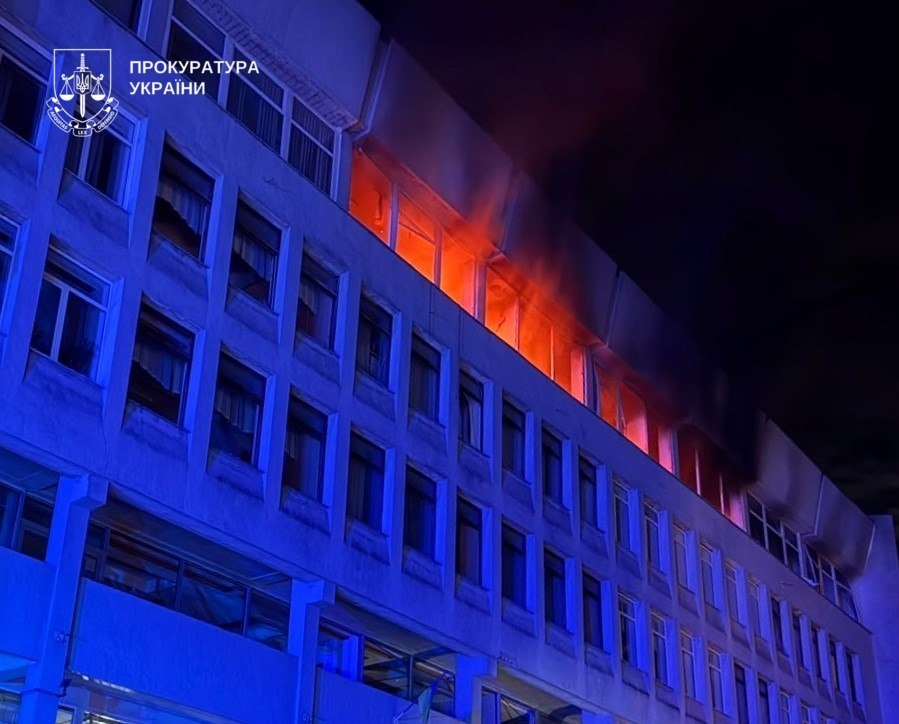
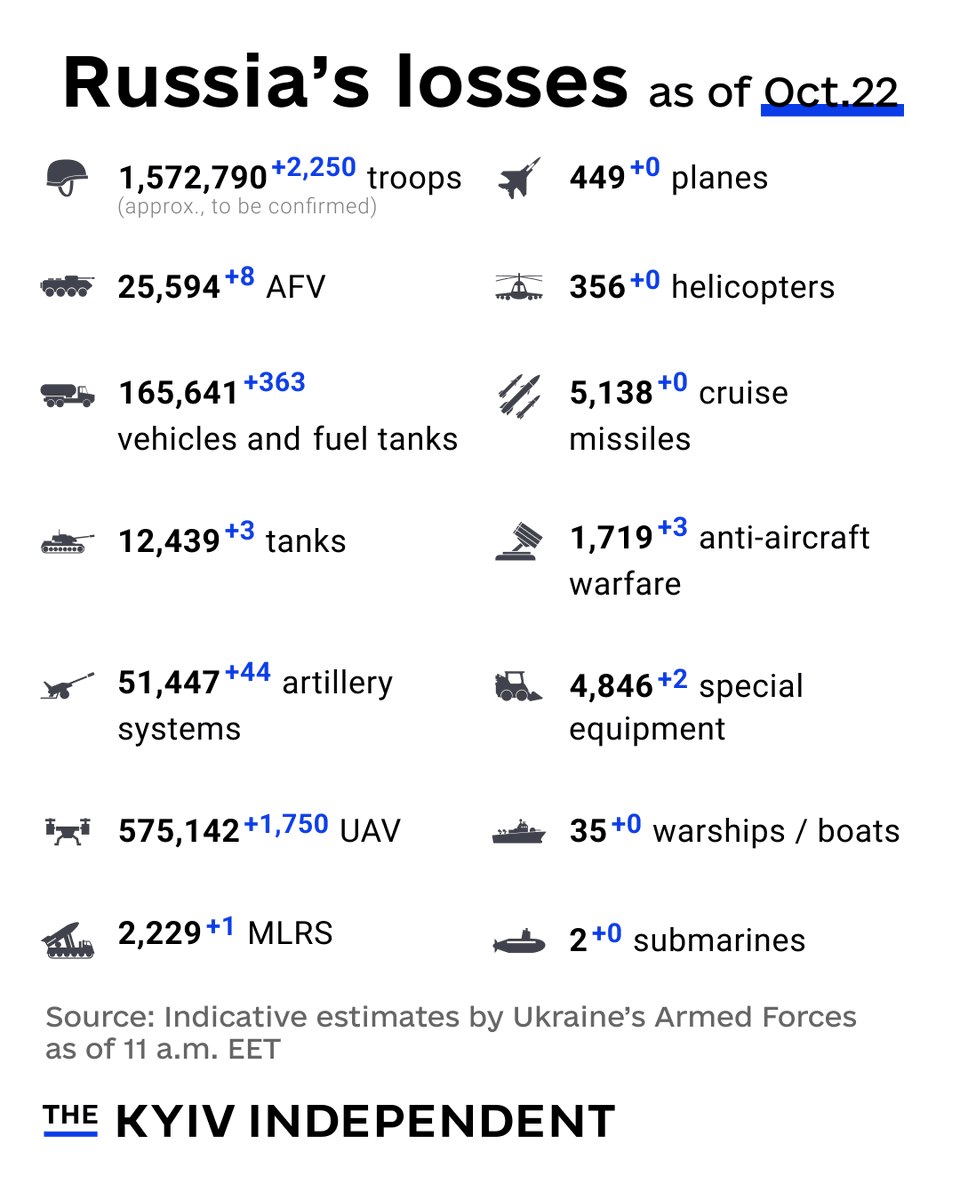
On 22 October 2026, Ukraine experienced its most lethal day of kinetic combat since the start of the year, as a series of coordinated Russian missile, rocket and drone attacks struck the capital and several regional centers. The deadliest incident occurred in central Kyiv at 17:18 UTC, when a Russian missile barrage killed at least one civilian and injured more than 20 residents. The attack unfolded amid heightened political tension after U.S. envoy Steve Witkoff praised Russian President Vladimir Putin as a “humanitarian” during talks in St. Petersburg, prompting public outrage in the Ukrainian capital.
Kyiv Residents React to Witkoff Calling Putin Humanitarian
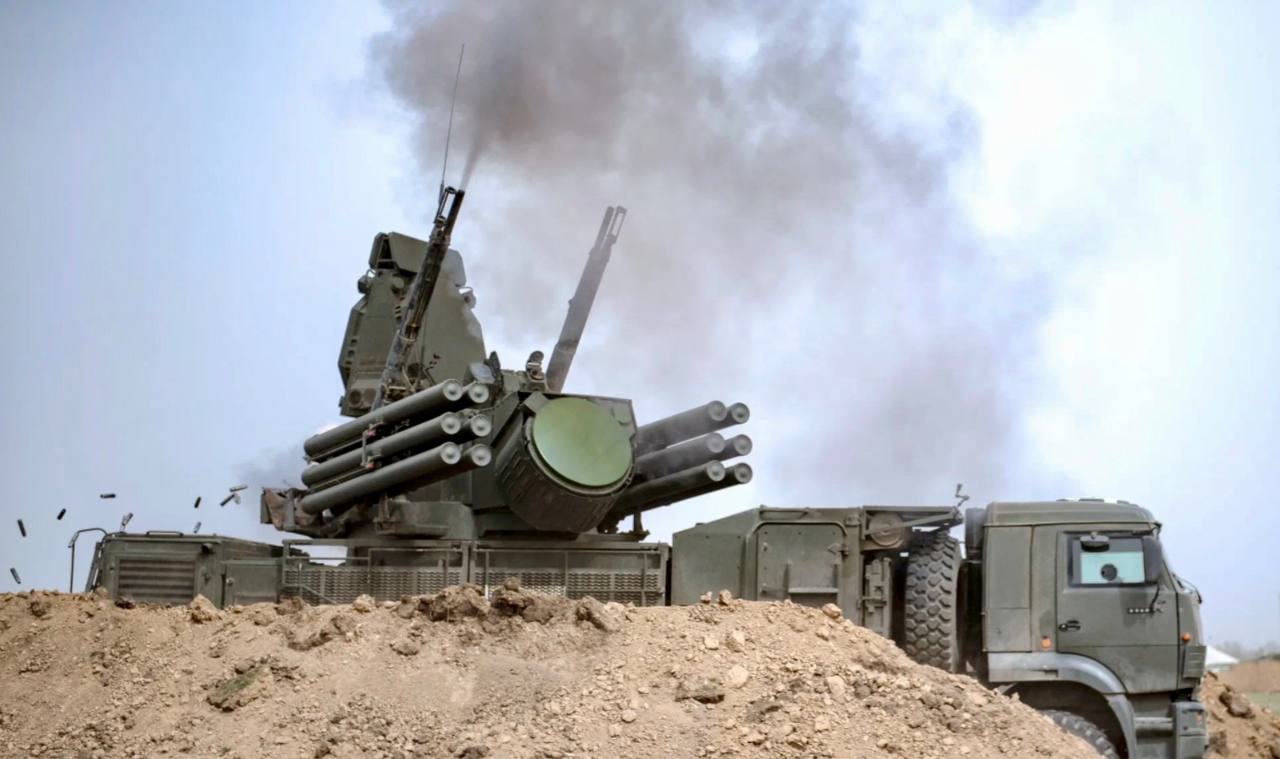
Earlier that morning, a separate missile and drone wave that began at 07:43 UTC targeted Kyiv and surrounding areas, killing nine people and wounding 57, according to the Ukrainian Air Force. The strikes employed a mix of Iskander‑M, S‑400, Zircon and Onyx missiles, supplemented by more than 200 unmanned aerial systems (UAS). The breadth of weaponry underscores a deliberate escalation in Russia’s long‑range strike capability.
Overview of the Day's Kinetic Operations
The day’s hostilities can be grouped into three primary categories: (1) large‑scale missile barrages on urban centers, (2) targeted airstrikes on infrastructure and civilian sites, and (3) UAV‑driven attacks on logistical and military assets. Collectively, these operations resulted in at least 30 confirmed fatalities and over 200 injuries across Ukraine, according to official tallies from the Ukrainian General Staff and independent monitoring outlets such as monitor_the_situation and the Kyiv Independent.
Major Missile Barrages in Kyiv
Two critical rocket events dominated the capital’s casualty count. The first, at 07:43 UTC, involved a coordinated launch of Iskander‑M ballistic missiles, S‑400 surface‑to‑air missiles repurposed for ground attack, Zircon hypersonic missiles, and Onyx cruise missiles. The barrage struck residential districts, a commercial shopping center, and a government building, resulting in nine civilian deaths and 57 injuries. The second, at 17:18 UTC, was a shorter but still lethal missile strike that killed one civilian and injured more than 20. Both attacks were reported by the Telegram channel monitor_the_situation (source URLs https://t.me/monitor_the_situation/38530 and https://t.me/monitor_the_situation/38644).
In addition, a high‑severity rocket attack at 13:26 UTC deployed missiles equipped with cluster warheads over Kyiv. President Volodymyr Zelensky described the munitions as designed to detonate mid‑air, dispersing sub‑munitions across a 400‑meter radius, thereby maximizing area damage. The JPost reported this development (source https://www.jpost.com/international/article-912581).
Widespread Airstrikes Across Ukrainian Cities
At 14:54 UTC, a series of UAV, cruise missile and conventional airstrike attacks were recorded across multiple Ukrainian regions, including Kyiv, Chernihiv, Sumy, Kharkiv, Donetsk, Dnipropetrovsk and Zaporizhzhia. The cumulative effect of these strikes was the death of 19 civilians and injuries to 85 others. The attacks targeted power substations, transportation hubs and residential blocks, reflecting a strategy aimed at disrupting both civilian life and critical infrastructure. The source channel monitor_the_situation provided a consolidated casualty figure (source https://t.me/monitor_the_situation/38620).
Targeted Attacks on Infrastructure and Markets
Beyond the capital, Russian forces executed precision strikes on regional assets. In Lozova, Kharkiv Oblast, a double‑strike at 12:09 UTC combined a Geran‑type loitering drone with a Banderol anti‑tank missile, destroying the central market, killing two civilians and wounding 34 shoppers (source https://t.me/monitor_the_situation/38580). In the Pochaina district of Kyiv, a single missile destroyed a JYSK retail store at 13:04 UTC, causing additional civilian casualties (source https://t.me/monitor_the_situation/38599).
Further, at 15:12 UTC, Ukrainian forces reported striking Russian electronic‑warfare and command facilities in Bryansk Oblast, Russia, as well as logistics depots in Zaporizhzhia and Luhansk regions. These retaliatory strikes employed precision‑guided missiles, demonstrating Ukraine’s expanding long‑range strike capability (source https://t.me/monitor_the_situation/38626).
UAV and Drone Engagements
Unmanned systems featured prominently throughout the day. Russian Geran‑4 jet‑drones attacked two Ukrainian locomotives near Kharkiv at 08:36 UTC, disrupting rail logistics (source https://t.me/monitor_the_situation/38536). In the Donetsk Oblast town of Ocheretyne, a Russian FPV drone struck a civilian evacuation vehicle, endangering non‑combatants attempting to flee combat zones (source https://t.me/monitor_the_situation/38587). Conversely, Ukrainian forces employed a Bulava strike drone to destroy a Russian fuel tanker in the occupied settlement of Vesele, Zaporizhzhia Oblast, at 15:50 UTC, neutralizing a logistical asset (source https://t.me/monitor_the_situation/38632).
Ukrainian 151st Mechanized Brigade also deployed an FPV drone at 12:31 UTC to target Russian motorcyclists near Dvorichna, Kharkiv Oblast, illustrating the use of low‑altitude drones for tactical harassment (source https://t.me/monitor_the_situation/38588).
Casualty Summary and Weaponry
Aggregating the verified reports yields the following casualty and weapons profile for 22 October 2026 in Ukraine:
- Deaths: 30 confirmed civilians (including 9 from the early Kyiv barrage, 1 from the late‑day strike, 2 in Lozova, and 18 from other incidents).
- Injuries: 224 civilians injured across Kyiv, Kharkiv, Donetsk and other oblasts.
- Primary weapons used: Iskander‑M ballistic missiles, S‑400 missiles, Zircon hypersonic missiles, Onyx cruise missiles, cluster‑warhead missiles, Geran‑type loitering drones, Banderol anti‑tank missiles, UAVs, FPV drones, and conventional airstrike aircraft.
- Key actors: Russian Armed Forces, Ukrainian Air Force, Ukrainian Armed Forces, and various Ukrainian volunteer monitoring groups.
Conclusion
The intensity and diversity of kinetic actions on 22 October 2026 indicate a pronounced escalation in Russia’s offensive posture, combining strategic missile strikes with tactical drone operations. Ukraine’s response, featuring both defensive air‑defense measures and retaliatory long‑range strikes, reflects a growing capacity to contest Russian firepower. The civilian toll underscores the humanitarian cost of this escalation, reinforcing the need for continued monitoring of kinetic events and their impact on civilian populations.