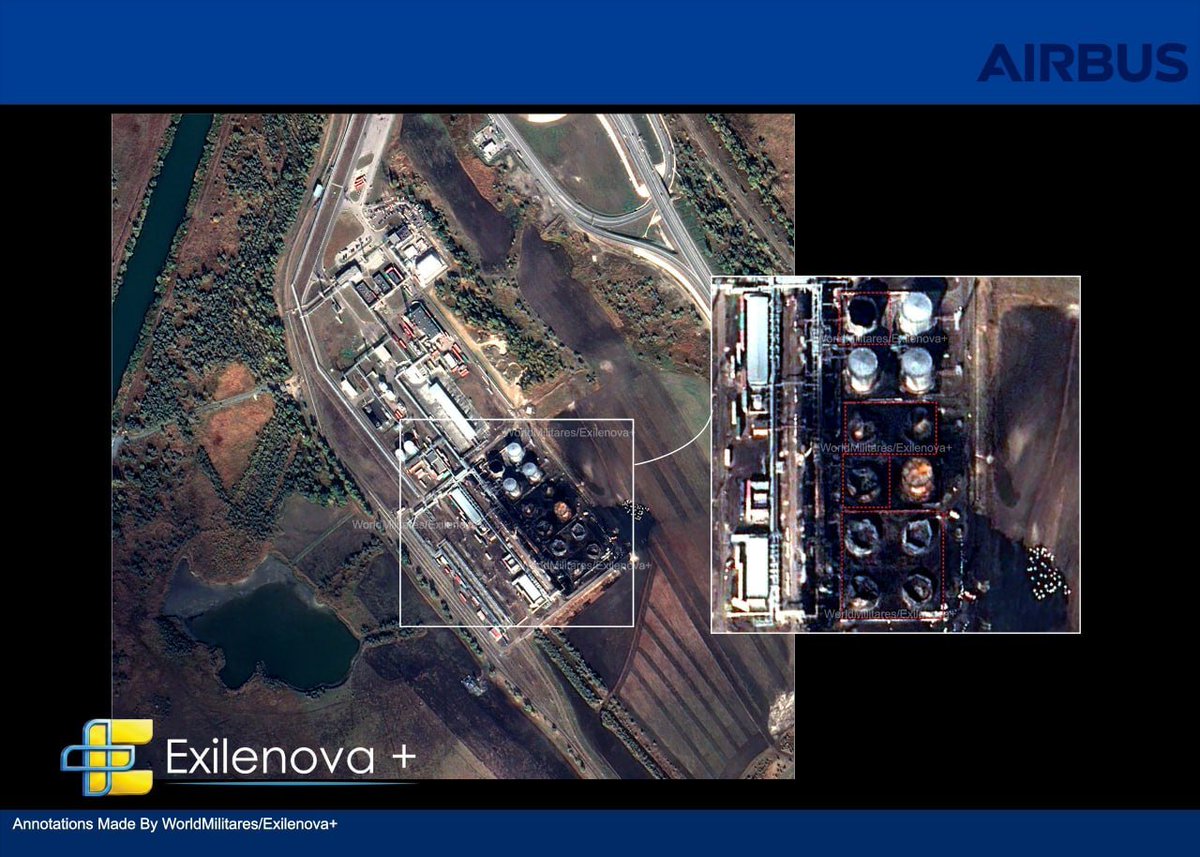
On 21 October 2026, Ukraine experienced a concentrated wave of kinetic events that spanned urban centers, frontline provinces, and the Black Sea. The incidents, documented by multiple open‑source channels, illustrate a pattern of heightened aerial activity, targeted strikes on infrastructure, and evolving naval drone‑on‑drone engagements.
Russian Drone Attack on Kyiv
At 05:20 a.m. local time, air‑raid alerts sounded across Kyiv as Russian unmanned aerial systems (UAS) entered Ukrainian airspace. According to the Telegram channel monitor_the_situation, the attack resulted in two fatalities and two injuries. The channel posted the following excerpt:
"At least 2 killed and 2 injured as Russian drones struck Kyiv early Oct. 21, with air raid alerts sounding at 5:20 a.m. local time."
The drones, identified as Shahed‑type loitering munitions, targeted a residential district near the city centre. Emergency services reported rapid response, but the incident underscored the persistent threat to civilian populations in the capital.
Glide‑Bomb Strikes in Zaporizhzhia Oblast
In the southern outskirts of Zaporizhzhia, the settlement of Balabyne was hit by a salvo of five Russian KAB‑1500L glide bombs at 07:33 UTC. The strike, reported by monitor_the_situation, caused structural damage to industrial facilities but, as of the latest update, resulted in no confirmed casualties. The use of precision‑guided glide bombs reflects Russia’s continued reliance on stand‑off munitions to degrade Ukrainian defensive positions while minimizing exposure of aircraft to air‑defence systems.
Ukrainian Naval Drone‑on‑Drone Engagement
In a notable development on the Black Sea, the Ukrainian Navy deployed the Sargan 3000 unmanned surface vessel (USV) equipped with a Sting interceptor drone to neutralise an incoming Russian Shahed drone. The engagement, captured on video and shared by monitor_the_situation, marked the first recorded instance of a naval USV destroying an aerial drone in combat. The Ukrainian Navy’s statement highlighted the tactical advantage of layered autonomous systems in contested maritime zones.
Civilian Casualties in Donbas
Russian artillery and aerial strikes in the Donbas region resulted in the deaths of several elderly civilians, as reported by the same channel. While the exact number of victims was not disclosed, the incident aligns with a broader pattern of civilian harm in contested urban areas, raising concerns about compliance with international humanitarian law.
Ukrainian UAV Operations Against Russian Forces
The 158th Separate Mechanized Brigade released footage of its UAV crews conducting strikes on Russian troops and equipment in the Donbas. The video, posted on monitor_the_situation, showed multiple quad‑copter drones engaging ground targets, illustrating Ukraine’s expanding use of low‑cost, expendable UAVs for close‑support missions.
Energy Infrastructure Attacks in Kyiv and Surrounding Regions
Concurrent with the Kyiv drone strike, Russian overnight rocket attacks damaged the energy grid across four regions: Kyiv City, Kyiv Oblast, Volyn, and Odesa. The attacks caused partial power outages, according to the channel’s report. Damage to substations and transmission lines aims to erode civilian morale and strain emergency response capacities.
Ukrainian Drone Strike on Russian Oil‑Products Terminal
At 07:20 UTC, Ukrainian drones targeted the Rostovsky oil‑products export terminal in Russia’s Rostov Oblast, damaging eight storage tanks. The strike, documented by monitor_the_situation, demonstrates Ukraine’s capability to project kinetic force beyond its borders, disrupting Russian fuel logistics that support frontline operations.
Cross‑Border Maritime Threats in the Western Black Sea
Russian Geran‑4 jet‑drones attacked four commercial vessels in the western Black Sea, sinking or damaging three dry‑cargo ships and one container vessel. The incident, reported at 06:40 UTC, underscores the expanding use of armed UAVs in maritime warfare and the associated risks to civilian shipping lanes.
Collectively, these events reflect a multi‑domain escalation in kinetic activity, with both state and non‑state actors employing a range of aerial and maritime platforms to achieve tactical objectives. The convergence of high‑precision glide bombs, loitering munitions, and autonomous surface vessels signals a shift toward integrated, technology‑driven warfare in the Ukrainian theater.