On the morning of 21 October 2026 a coordinated wave of Russian unmanned aerial systems (UAS) targeted multiple Ukrainian locations, resulting in civilian deaths, significant infrastructure damage, and a rapid operational response by Kyiv’s air‑defence network. The most lethal strike occurred in the village of Korotych, Kharkiv Oblast, where two elderly civilians – an 81‑year‑old woman and an 83‑year‑old man – were killed as a Russian drone attacked residential structures. Simultaneously, a university building in Kremenchuk, Poltava Oblast, sustained direct hits, underscoring the breadth of the assault on both civilian and educational facilities.
Casualties in Kharkiv and Damage in Kremenchuk
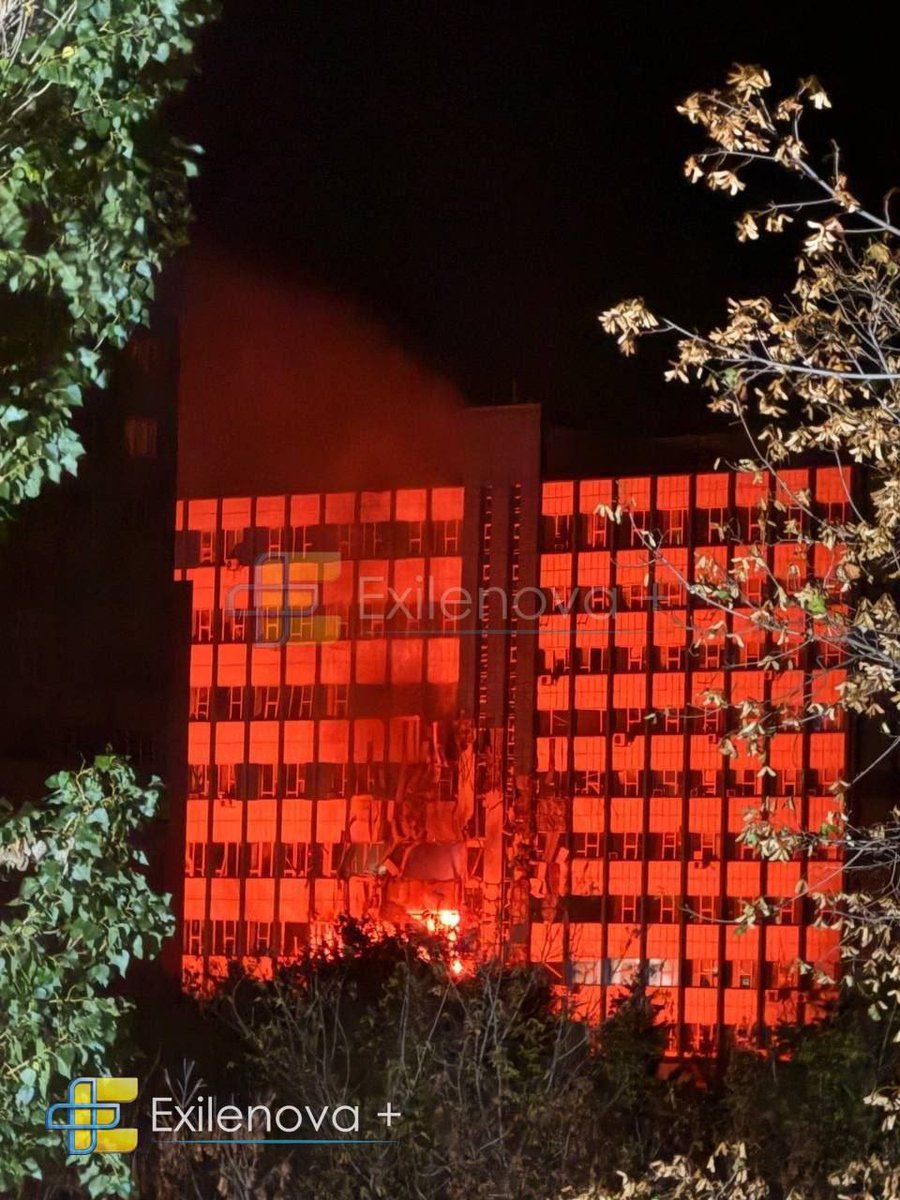
The attack on Korotych was reported by Governor Syniehubov via the Telegram channel @KyivIndependent. According to the source, the drone strike ignited a fire that quickly engulfed the victims’ home, leaving no survivors. The same sortie also struck a university building in Kremenchuk, causing structural damage but no reported injuries. The incident was catalogued under the hostile_uav event type and classified as CRITICAL due to the loss of life and the symbolic targeting of an educational institution. Source URL:
https://t.me/monitor_the_situation/38232
Infrastructure Attacks in Kyiv
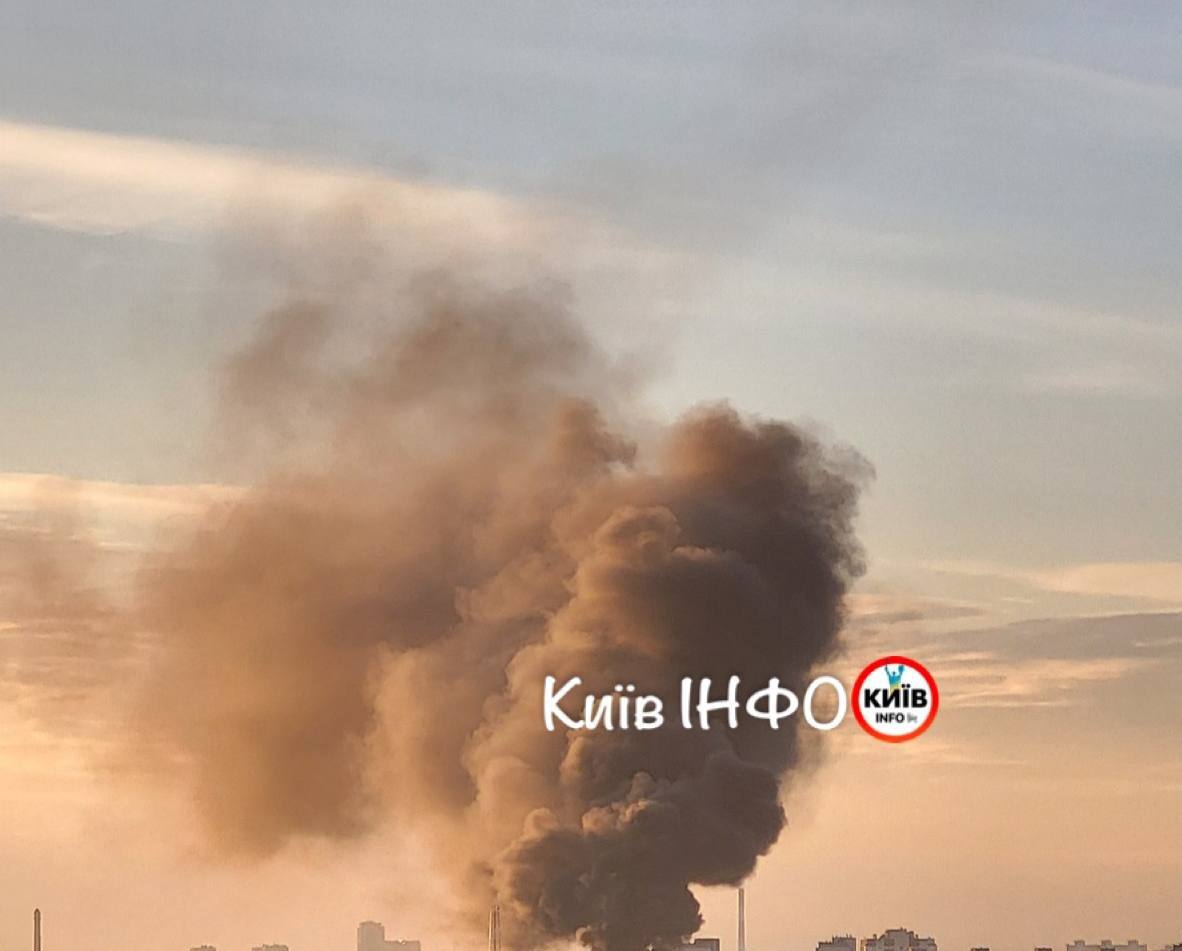
At approximately 01:38 UTC, Russian Geran‑4/5 jet‑drones penetrated Kyiv’s airspace and struck the Nyvky 330 kV electrical substation, a critical node in the national power grid. The impact ignited a large fire that threatened the continuity of electricity supply to the capital’s western districts. Emergency crews contained the blaze after several hours, but the incident highlighted vulnerabilities in high‑voltage infrastructure to low‑cost, swarming drone tactics. The event was logged as a hostile_uav incident with a MEDIUM severity rating. Source URL:
https://t.me/monitor_the_situation/38221
Commercial Targets in Mykolaiv and Rivne
In the early hours, Geran‑4 drones also attacked two Epicentr shopping centres – one in Pervomaisk, Mykolaiv Oblast, and another in Dubno, Rivne Oblast. The strikes ignited extensive fires, prompting evacuations and temporary closures of the retail complexes. While no fatalities were reported, the attacks disrupted local commerce and strained emergency response resources across two separate oblasts. The incidents were recorded under the hostile_uav category with a MEDIUM severity level. Source URL:
https://t.me/monitor_the_situation/38223
British RapidRanger Deployment and Interceptions
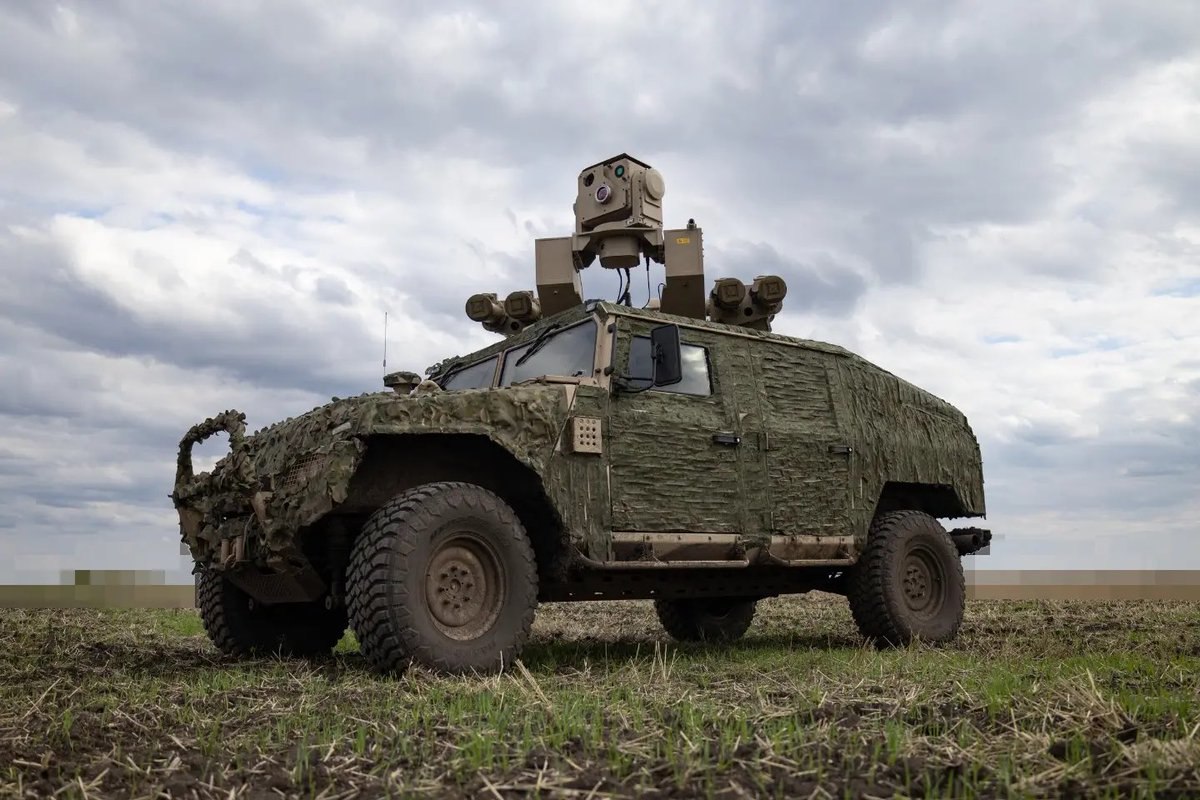
In response to the escalating drone threat, Ukraine integrated British‑supplied RapidRanger surface‑to‑air missile (SAM) systems into its capital’s air‑defence architecture. By 04:41 UTC, at least one RapidRanger battery had engaged multiple hostile UAVs over Kyiv, achieving confirmed kills. The system employs low‑cost laser‑guided munitions (LMM) produced in Belfast, offering a scalable solution against swarming drone attacks. The deployment was announced by the monitoring channel @monitor_the_situation and classified as a interception event with MEDIUM severity. Source URL:
https://t.me/monitor_the_situation/38237
Ukrainian Counter‑Drone Activity
Amid the Russian offensive, Ukrainian forces conducted a separate operation in Luhansk, targeting a former Ukrtelcom building repurposed as a data centre for the Russian‑aligned telecom provider Lugacom. Mid‑range Ukrainian drones struck the facility, disrupting communications within the Russian‑controlled enclave. While this action falls outside the primary theme of Russian aggression, it illustrates the broader contest for electronic and information infrastructure across the conflict zone. Source URL:
https://t.me/monitor_the_situation/38218
Assessment
The coordinated drone campaign of 21 October demonstrates a strategic shift by Russian forces toward low‑cost, high‑frequency aerial attacks aimed at civilian populations, critical energy nodes, and commercial venues. The use of Geran‑4/5 platforms, which can be launched from short‑range launchers, enables rapid saturation of air‑defence zones, overwhelming traditional radar and missile systems. Kyiv’s swift activation of the RapidRanger system, however, indicates a growing resilience. The British‑provided SAMs have already proven effective in neutralising multiple UAVs, suggesting that continued procurement and integration of low‑cost interceptors could mitigate future drone swarms.
Overall, the events of 21 October underscore the dual challenge facing Ukrainian defence planners: protecting a dispersed network of civilian and strategic assets while integrating new foreign‑supplied technologies into an already complex air‑defence grid. The casualty figures, though limited to two civilian deaths, reflect the human cost of a conflict increasingly fought in the sky.