At 02:18 GMT on 21 October 2026, a hostile unmanned aerial vehicle (UAV) struck the bustling market of Abyei, a town straddling the Sudan‑South Sudan border. The attack killed 150 civilians and injured dozens more, according to Al Jazeera video footage. The strike, which targeted civilians without any identifiable military objective, marks the deadliest single‑day incident in the Abyei area since the 2023 border clashes.
Al Jazeera video: "Drone strike on Abyei market near Sudan‑South Sudan border kills 150" (https://www.aljazeera.com/video/newsfeed/2026/10/21/drone-strike-on-abyei-market-near-sudan-south-sudan-border-kills-150?traffic_source=rss)
Location: Abyei market, Abyei Area, Sudan/South Sudan border region.
Casualties: 150 dead, multiple injured.
Weapon: UAV (type not disclosed).
Perpetrators: Unidentified; no organization claimed responsibility.
US Diplomatic Intervention Stops Planned Israeli Bombing of Iran
Earlier in the day, at 04:56 GMT, a high‑priority intelligence leak reported that Israel had prepared a large‑scale bombing campaign against Iran for 10 October. The operation, which would have targeted both civilian and military infrastructure across Iran, was abruptly halted after direct intervention by the United States. According to a message posted on the Russian‑language channel rnintel, President Donald Trump personally ordered the cancellation, citing concerns over regional escalation.
"🇺🇸🇮🇷🇮🇱⚡️- BREAKING: Israel planned a major bombing campaign against Iran on October 10th, but the attack was halted by President Trump, according to the Financial Times. The strikes would’ve targeted Iranian civilian and military infrastructure." (https://t.me/rnintel/68019)
Involved parties: Israel, United States, Iran.
Weaponry: Planned airstrike using conventional bombers; not executed.
Implication: The diplomatic de‑escalation underscores Washington’s willingness to intervene directly in intra‑regional conflicts when the risk of broader war rises.
Houthi Strike on Shabwah Government Training Camp
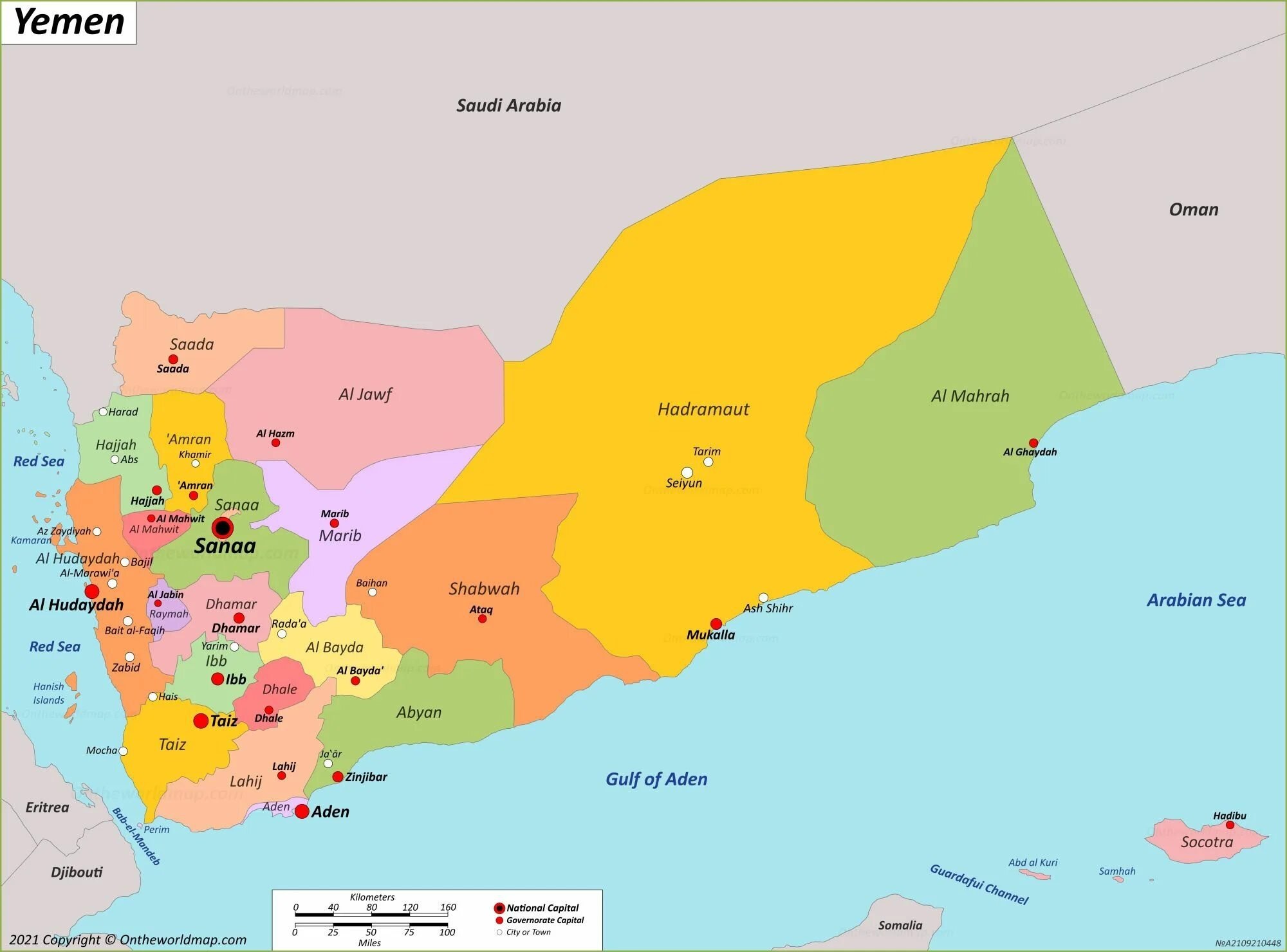
At 00:28 GMT, the GeoPWatch channel reported a massive Houthi missile or artillery strike on a government training camp in Shabwah Governorate, Yemen. Initial reports listed 73 fatalities, 14 persons missing, and more than 200 wounded. The governor of Shabwah confirmed the figures in a televised briefing, describing the attack as “one of the deadliest assaults on Yemeni security forces in recent memory.”
GeoPWatch report: "The governor of the Yemeni province of Shabwah said the death toll from a Houthi strike on a government training camp has risen to 73, with an additional 14 missing and over 200 wounded." (https://t.me/GeoPWatch/40915)
Location: Government training camp, Shabwah Governorate, Yemen.
Casualties: 73 dead, 14 missing, >200 injured.
Weapon: Unspecified heavy weaponry, likely rockets or artillery.
Perpetrator: Houthi forces.
Houthi Rocket Attack on Residential Area in Taiz
At 00:57 GMT, the monitor_the_situation channel relayed an AP‑sourced account of a Houthi rocket landing in a residential neighbourhood of Taiz, Yemen. The strike killed two teenage girls and wounded six other civilians, including children. The incident adds to a pattern of indiscriminate attacks on densely populated districts as Houthi forces tighten their siege around Taiz.
Monitor_the_situation post: "🟠 **Houthi Strike Kills 2 Teenage Girls in Taiz** A Houthi strike on a residential neighborhood in Taiz killed two teenage girls and wounded six others, per AP. Civilians face grave risks as Houthi forces encircle the city and restrict essential supplies." (https://t.me/monitor_the_situation/38211)
Location: Residential neighbourhood, Taiz, Yemen.
Casualties: 2 dead (teenage girls), 6 injured.
Weapon: Rocket (type not disclosed).
Perpetrator: Houthi forces.
Implications and Outlook
The convergence of three distinct flashpoints on a single day illustrates the volatility of the Horn of Africa and the broader Middle East. The Abyei UAV attack, with its high civilian death toll, raises immediate concerns about the proliferation of armed drones among non‑state actors and the potential for cross‑border retaliation between Sudan and South Sudan. No claim of responsibility has emerged, but the scale suggests a capability beyond typical insurgent groups.
Washington’s rapid diplomatic move to stop the Israeli‑planned strike on Iran demonstrates the United States’ continued role as a de‑confliction actor in the region. By averting a large‑scale air campaign, the U.S. likely prevented a cascade of retaliatory strikes that could have drawn in multiple state and non‑state participants, including Hezbollah, the Houthis, and regional militias aligned with Iran.
In Yemen, the Houthi attacks on Shabwah and Taiz underscore the group’s strategy of targeting both military installations and civilian population centres to pressure the internationally recognised government and its allies. The Shabwah camp strike, with over 70 fatalities, represents a significant degradation of Yemeni security capacity, while the Taiz residential strike highlights the humanitarian toll of indiscriminate targeting.
Collectively, these events suggest a heightened risk of escalation across three theatres: the Sudan‑South Sudan border, the Israel‑Iran rivalry, and the Yemeni civil war. International actors, including the United Nations and the African Union, may need to intensify monitoring of UAV proliferation, enforce stricter arms embargoes, and facilitate dialogue to prevent further civilian casualties.