Ukraine’s HUR Group 10 reported a seven‑week special operation in Sumy Oblast that killed 108 Russian forces, captured 29, and struck over 1,100 targets, clearing 600 hectares of contested terrain. The operation, detailed in a video posted by the monitor_the_situation channel (https://t.me/monitor_the_situation/38121), represents the most significant kinetic event recorded on 20 October 2026. HUR officials described the campaign as a coordinated effort to disrupt Russian offensive logistics and to reclaim agricultural land used as forward‑positioning zones.
"Seven weeks of sustained pressure have shattered the enemy’s ability to mass forces in Sumy, forcing a tactical withdrawal and opening a corridor for civilian return," the HUR statement read.
Escalation of UAV Threats in Kyiv
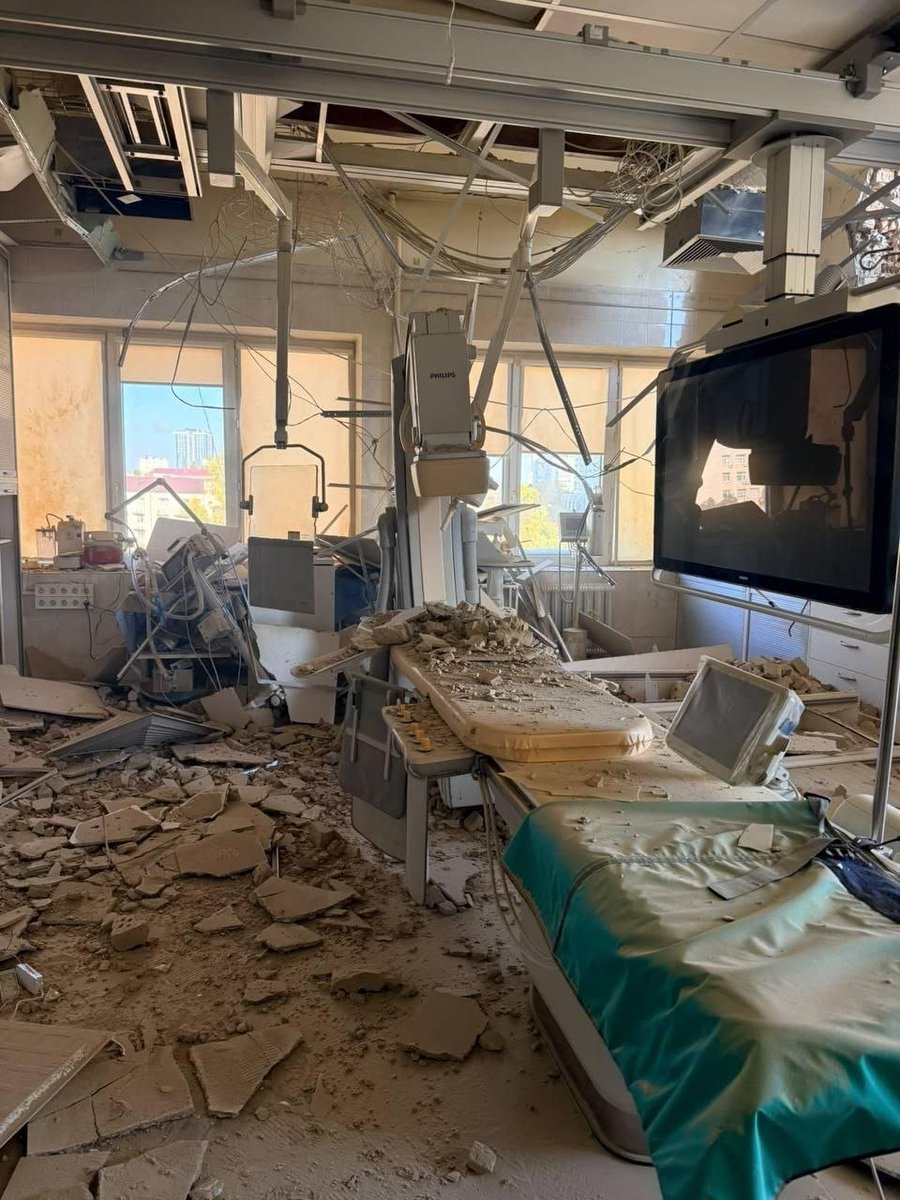
Within hours of the Sumy report, multiple Russian unmanned aerial systems (UAS) struck the Ukrainian capital. At 14:30 UTC, a Russian drone hit a Kyiv hospital in the Solomyanskyi district, injuring five patients and staff (monitor_the_situation, https://t.me/monitor_the_situation/38104). A separate incident at 12:23 UTC saw a drone crash near a residential building, wounding five civilians, two of whom required hospitalization (monitor_the_situation, https://t.me/monitor_the_situation/38072). The most lethal UAV event occurred at 08:48 UTC when a drone collided with a gas station in the Holosiivskyi District during rush hour, killing one person and injuring six (monitor_the_situation, https://t.me/monitor_the_situation/38023). These attacks underscore a sustained Russian strategy of targeting civilian infrastructure to pressure the Ukrainian government.
High‑Intensity Rocket and Missile Strikes Across Ukraine
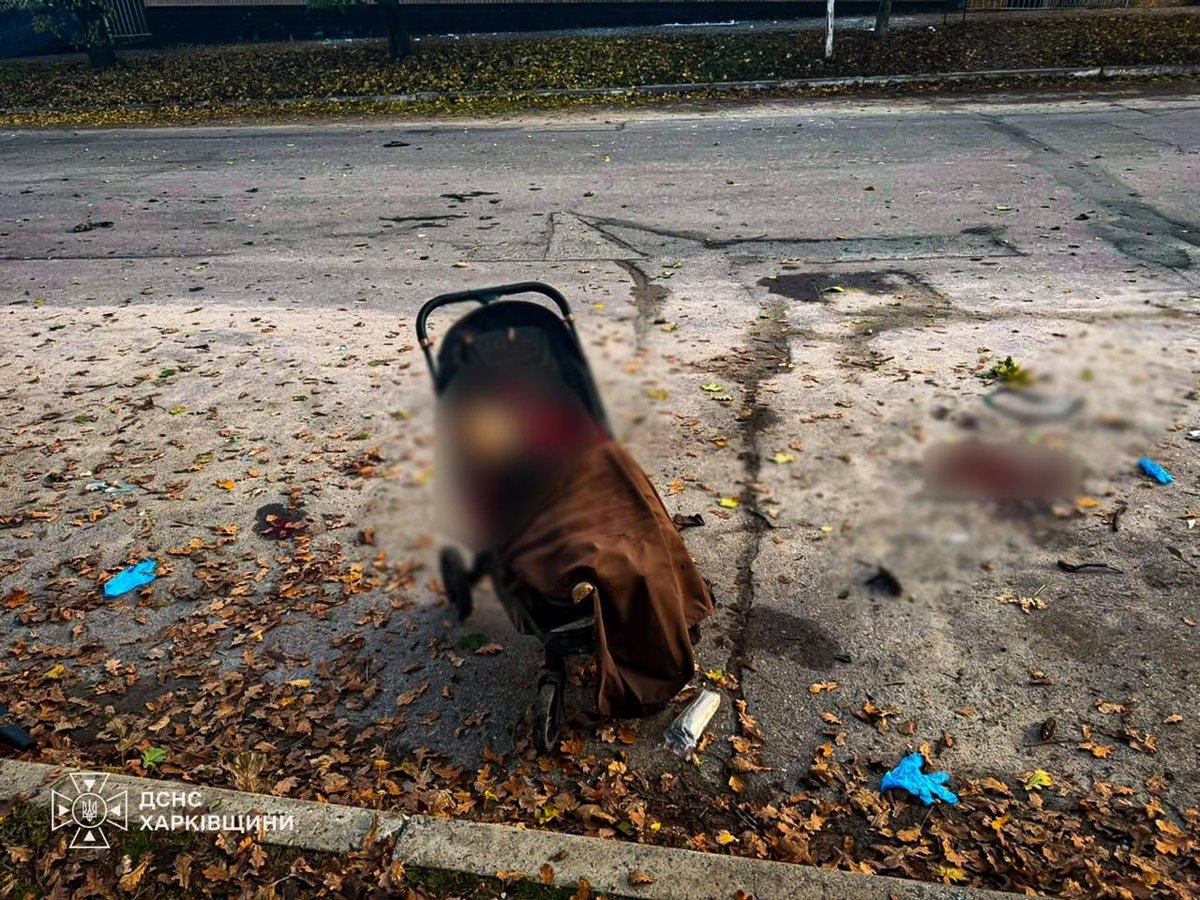
Rocket and missile attacks continued to inflict heavy casualties. In Pryluky, Chernihiv Oblast, a Russian strike on an apartment building killed 22 people, including five children, and injured 54 (monitor_the_situation, https://t.me/monitor_the_situation/38069). In Zaporizhzhia, two apartment blocks were hit, resulting in 15 deaths—three of them children—and 16 injuries (monitor_the_situation, https://t.me/monitor_the_situation/38065). Kremenchuk suffered a missile strike that killed two civilians and wounded nine (monitor_the_situation, https://t.me/monitor_the_situation/38067). A ballistic missile impact in Kyiv killed a woman (monitor_the_situation, https://t.me/monitor_the_situation/38071). Dnipro and Kramatorsk experienced coordinated strikes on warehouses and a thermal power plant, respectively, killing a total of five workers (monitor_the_situation, https://t.me/monitor_the_situation/38056). The cumulative toll from these high‑severity attacks on 18‑19 October was 33 dead and 114 injured, with Kyiv and Kharkiv regions bearing the highest civilian losses (monitor_the_situation, https://t.me/monitor_the_situation/38128).
Targeted Airstrikes and Ground Engagements
Russian airpower also focused on urban centers. An airstrike on a Sumy apartment building killed two residents and injured nine (monitor_the_situation, https://t.me/monitor_the_situation/38070). In Donetsk Oblast, video evidence released by the 20th Operational Brigade ‘Lyubart’ and the 1st Corps ‘Azov’ of the National Guard showed more than 30 Russian soldiers killed near Rodynske (monitor_the_situation, https://t.me/monitor_the_situation/38043). Meanwhile, Ukrainian forces repelled a Russian assault near Orikhiv in Zaporizhzhia Oblast, destroying an attacking group of roughly 20 troops (monitor_the_situation, https://t.me/monitor_the_situation/38110). These engagements illustrate the continued fluidity of front‑line combat despite the strategic emphasis on long‑range strikes.
Infrastructure Disruption and Power Outages
Russian attacks on energy and transport infrastructure compounded civilian hardship. A strike on Kyiv’s Nivki substation partially halted electric public transport (intelslava, https://t.me/intelslava/96739). DTEK reported power outages in four Kyiv districts—Shevchenkivskyi, Sviatoshynskyi, Solomianskyi, and Pecherskyi—following a separate attack (monitor_the_situation, https://t.me/monitor_the_situation/38117). In western Ukraine, Russian missiles targeted energy facilities in Lviv Oblast, though casualty figures remain unreported (monitor_the_situation, https://t.me/monitor_the_situation/38141). These systematic attacks aim to erode urban resilience and strain emergency response capacities.
Broader Operational Context
The Sumy offensive and the cascade of kinetic events in Kyiv and other regions occur against a backdrop of heightened Russian strategic posturing, including reported plans to station up to 100 nuclear warheads in Kaliningrad (intelslava, https://t.me/intelslava/96737). While the nuclear development lies outside the Ukrainian theater, it signals an escalation in Russian deterrence that may influence the intensity of conventional operations.
Overall, the data from 20 October 2026 depict a multi‑dimensional Russian campaign: ground offensives in the north, pervasive UAV strikes on civilian targets in the capital, and high‑precision rocket and missile attacks on densely populated areas. Ukrainian forces continue to conduct counter‑offensives, as evidenced by the Sumy operation and the successful defense near Orikhiv, but the civilian cost remains substantial.