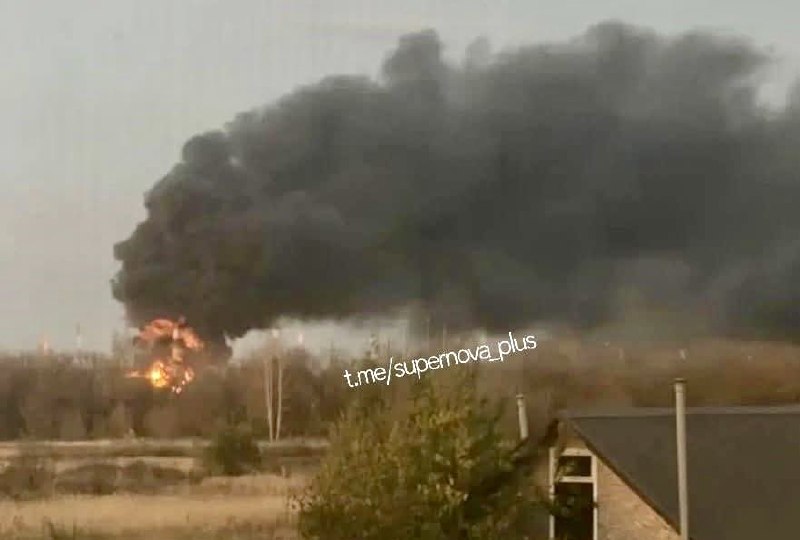
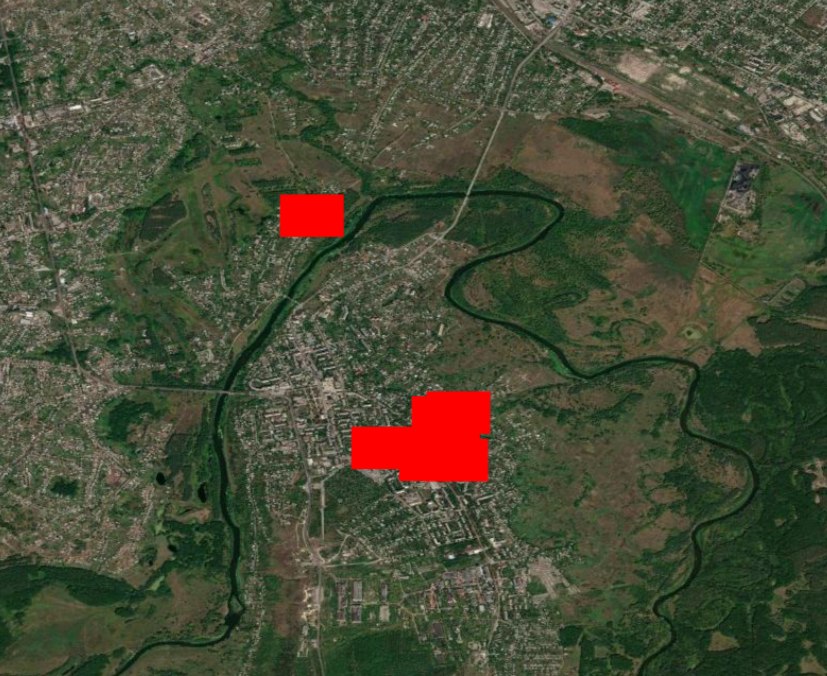
On 20 October 2026 a coordinated wave of aerial attacks marked a significant escalation in the war, extending the battlefield from the front lines in eastern Ukraine to deep Russian industrial zones. The most consequential strike was a Ukrainian long‑range drone operation against the Progress plant in Michurinsk, Tambov Oblast, a facility that manufactures control systems for aviation and missile technology. The attack ignited large fires and demonstrated the capacity of Ukrainian forces to project power well beyond the Ukrainian border.
Ukrainian Long‑Range Drone Strike on Michurinsk
At 03:29:46 UTC, Ukrainian‑operated drones penetrated Russian airspace and struck the Progress plant in Michurinsk, a city located approximately 500 km southeast of Moscow. According to the monitoring channel monitor_the_situation, the drones caused extensive fires that threatened critical production lines. No casualties were reported in the initial assessment, and the plant’s operational status remains uncertain. The strike targeted a strategic asset that supports both civilian aviation and military missile programs, underscoring a shift toward deep‑strike capabilities.
"Ukrainian Drones Strike Michurinsk Plant in Tambov Oblast" – monitor_the_situation, https://t.me/monitor_the_situation/37967
The operation aligns with recent Ukrainian statements about expanding the reach of their unmanned systems to disrupt Russian war‑production capacity. While the exact drone model was not disclosed, the ability to reach Tambov Oblast suggests the use of long‑range, possibly loitering‑munition platforms capable of navigating sophisticated Russian air‑defence networks.
Russian Glide‑Bomb Campaign Over Dnipro and Synelnykove
Just minutes earlier, at 03:21:08 UTC, Russian forces employed UMPK‑5 glide‑bombs in a coordinated airstrike on Dnipro, a major industrial city on the Dnieper River, and the nearby town of Synelnykove. The glide‑bombs, released from high‑altitude aircraft, are designed to travel several tens of kilometres before impact, reducing exposure to short‑range air‑defences. Video evidence posted by monitor_the_situation shows multiple explosions and smoke plumes across residential and industrial districts.
Preliminary reports indicate no confirmed fatalities, though several injuries were treated at local hospitals. Damage to infrastructure includes partial destruction of a power substation and minor damage to a chemical processing facility. The use of UMPK‑5 weapons marks a continued Russian emphasis on precision‑guided munitions to sustain pressure on Ukrainian urban centres.
"Russian forces hit Dnipro with UMPK‑5 glide‑bombs for a second consecutive night" – monitor_the_situation, https://t.me/monitor_the_situation/37965
Ukrainian Drone Attack on Nikolskoye Fuel Hub
At 05:54:18 UTC, Ukrainian drones targeted the Nikolskoye LPDS fuel pumping and storage hub in Tambov Oblast. The strike ignited a fire at the fuel depot, temporarily halting fuel distribution in the region. While the incident did not result in reported casualties, the disruption of fuel logistics could have downstream effects on both civilian and military transport networks within the Russian interior.
The attack illustrates a pattern of Ukrainian operators selecting logistical nodes that amplify the strategic impact of relatively low‑cost unmanned systems.
"Ukrainian Drones Strike Fuel Hub in Russia's Tambov Region" – monitor_the_situation, https://t.me/monitor_the_situation/37992
Russian Geran Drone Strikes on Izyum and Mykolaiv
In the early morning hours, Russian forces deployed Geran‑2 and Geran‑4 drones against Ukrainian cities. At 04:29:24 UTC, a Geran‑2/4 drone attack ignited at least two fires in Izyum, Kharkiv Oblast. Satellite‑derived fire data from NASA FIRMS corroborated the reports, indicating multiple hotspots within the city limits. The strike occurred as Ukrainian forces advanced near Lyman, pushing the frontline approximately 47 km westward.
Later, at 03:17:57 UTC, a separate wave of Geran‑2 and Geran‑4 drones struck Mykolaiv, Mykolaiv Oblast. Video footage released by the monitoring channel shows a dozen drones approaching the city in two coordinated waves, resulting in several fires near residential areas and a municipal warehouse. No deaths were confirmed, but local authorities reported several injuries and significant property damage.
Both attacks demonstrate Russia’s reliance on commercially available, modified commercial drones (originally Iranian‑derived Shahed platforms) to conduct persistent, low‑altitude strikes against urban targets. The use of Geran‑2 and Geran‑4 models, which can carry up to 30 kg of explosives, reflects an adaptation to the evolving battlefield where conventional air‑defences are strained.
"Russian Drone Attack Sparks Fires in Izyum, Kharkiv Oblast" – monitor_the_situation, https://t.me/monitor_the_situation/37978
"Russian Geran‑2 and Geran‑4 drones attacked Mykolaiv in two waves" – monitor_the_situation, https://t.me/monitor_the_situation/37964
Analysis of the Current Surge
The series of events on 20 October underscores a pronounced intensification of aerial warfare on both sides. Ukrainian forces have demonstrated the ability to strike deep into Russian territory, targeting high‑value industrial assets that support the Russian war machine. Conversely, Russian forces have escalated the use of glide‑bombs and low‑cost drones to maintain pressure on Ukrainian urban and logistical centres.
Key observations include:
- Extended Reach: Ukrainian long‑range drones are now capable of operating over 500 km from the front, challenging traditional notions of the conflict’s geographic limits.
- Weapon Diversification: Both sides are employing a mix of precision‑guided munitions (UMP‑5 glide‑bombs) and expendable UAVs (Geran‑2/4, long‑range drones) to achieve tactical effects while managing resource constraints.
- Target Selection: Strikes focus on industrial production (Progress plant), energy logistics (Nikolskoye fuel hub), and urban infrastructure (Dnipro, Izyum, Mykolaiv), indicating a strategy to erode both military capability and civilian resilience.
While casualty figures remain relatively low for the incidents reported on 20 October, the cumulative effect of repeated fires, infrastructure damage, and potential disruptions to supply chains may exacerbate humanitarian pressures in the affected regions.