On 19 October 2026 a Russian‑guided KAB aerial bomb struck the Southern Bridge in Dnipro, creating a large hole that is expected to keep the crossing closed for at least a month. The attack, reported by monitor_the_situation, underscores a pattern of high‑intensity kinetic operations aimed at crippling Ukraine’s transport arteries and civilian infrastructure.
Airstrike Campaign on Urban and Industrial Targets
In the early hours, Russian forces launched a series of airstrikes across the capital and surrounding regions. Overnight strikes damaged water‑filtration and plastics plants in Kyiv, a major data centre operated by Datagroup, and cut power to 66,000 metering points in the Volyn region. The Kyiv data centre loss was confirmed by intelslava, which noted the facility is now inoperable. Simultaneously, a Russian bomb hit the Cosmo Multimall in Kyiv, damaging its façade, roof and the on‑site petting zoo, though no animals were injured (source).
"The largest Ukrainian data centre, Datagroup, was completely destroyed, rendering it inoperable," – intelslava, 10:55 UTC.
Further south, a KAB‑guided bomb targeted Dnipro’s Southern Bridge, a critical link for both civilian traffic and military logistics. Local officials warned that repairs could take up to a month, disrupting supply routes to the eastern front.
Drone Activity and Counter‑UAV Operations
Russian loitering munitions continued to shape the battlefield. A Lancet drone destroyed a Ukrainian‑operated French‑made CAESAR 155 mm howitzer in Dnipropetrovsk Oblast (intelslava). In the Donbas region, Ukraine’s 21st Unmanned Systems Regiment (Marginal Squad) hit a Russian mobile air‑defence vehicle with a drone, demonstrating Kyiv’s growing proficiency in counter‑UAV tactics (monitor_the_situation).
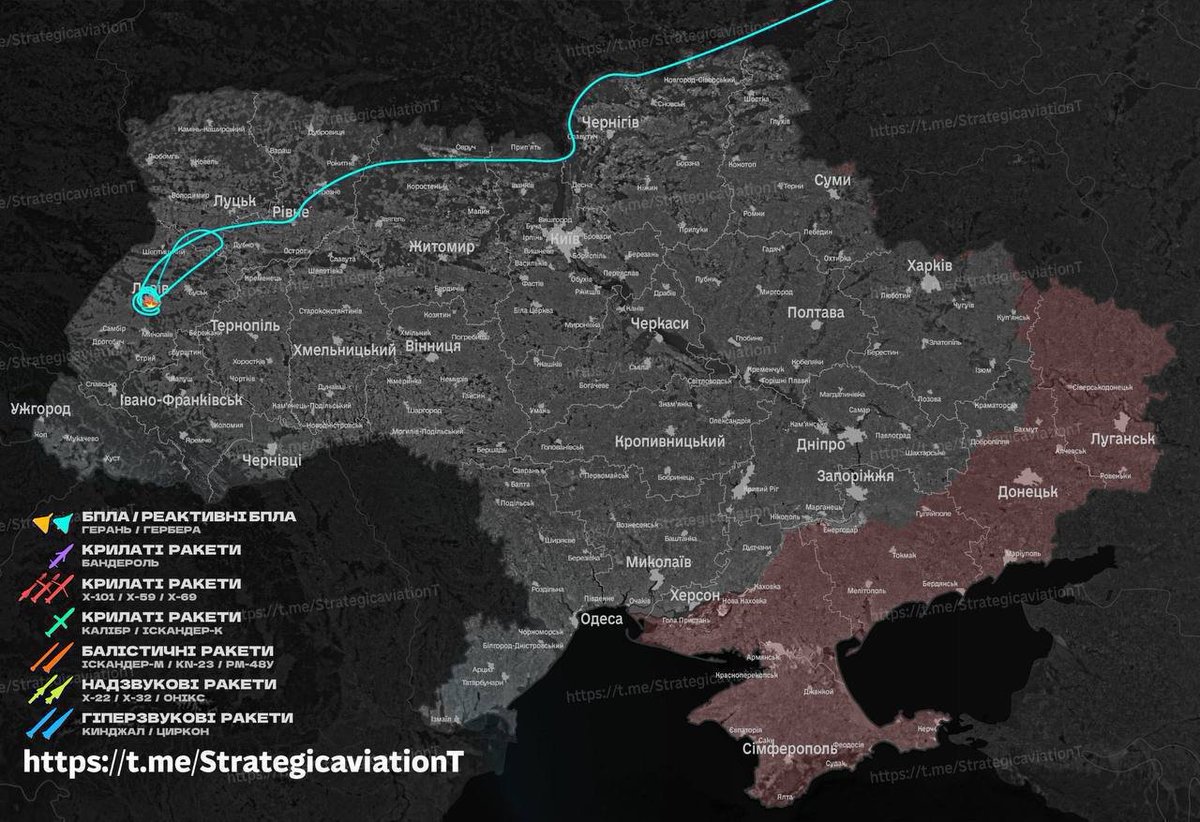
On the western front, a Russian Shahed jet‑powered drone flew 1,472 km from Oryol to Lviv, circling the city six times in a reconnaissance mission, highlighting the extended reach of Russian UAVs (monitor_the_situation).
Missile Threats and Early Warning Failures
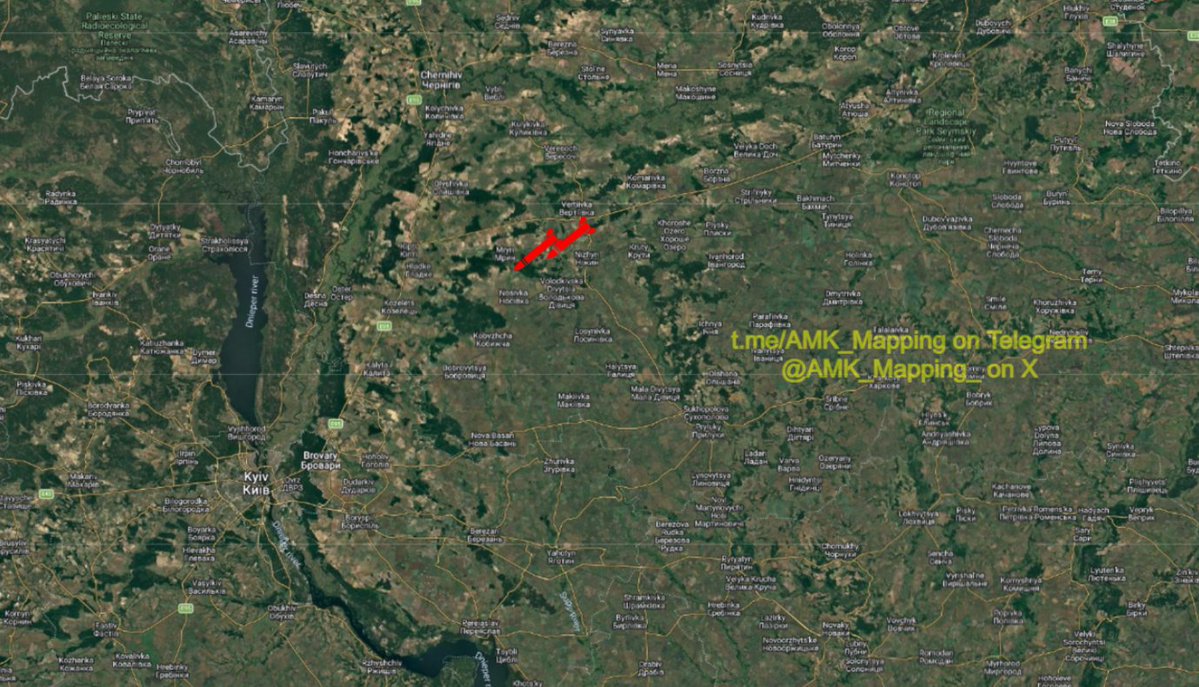
Ukraine’s air defence reported three Iskander‑K cruise missiles heading toward Kyiv, prompting an active incoming‑attack warning. The missiles were observed near Chernihiv Oblast before being intercepted (monitor_the_situation). Later, Ukrainian officials claimed a US intelligence warning about a Russian ballistic missile attack on Kyiv arrived too late, forcing reliance on domestic radar systems (monitor_the_situation).
Infrastructure Damage Beyond the Frontlines
Energy facilities across ten oblasts—including Kyiv, Vinnytsia, Volyn, Kirovohrad, Mykolaiv, Zhytomyr, Khmelnytskyi, Kharkiv, Ternopil, Odesa and Rivne—were struck, causing widespread outages. The Ukrainian Ministry of Energy confirmed the attacks and noted that bad weather compounded the impact, leaving 140 settlements without power (CIG_telegram).
In the Donbas, Ukraine’s 71st Air Assault Brigade employed a Gimli ground robot to place 140 kg of explosives on a Russian‑used gas pipeline, destroying it without exposing troops to direct fire (monitor_the_situation). This operation illustrates Kyiv’s increasing reliance on unmanned systems for high‑risk sabotage.
Localized Ground Engagements
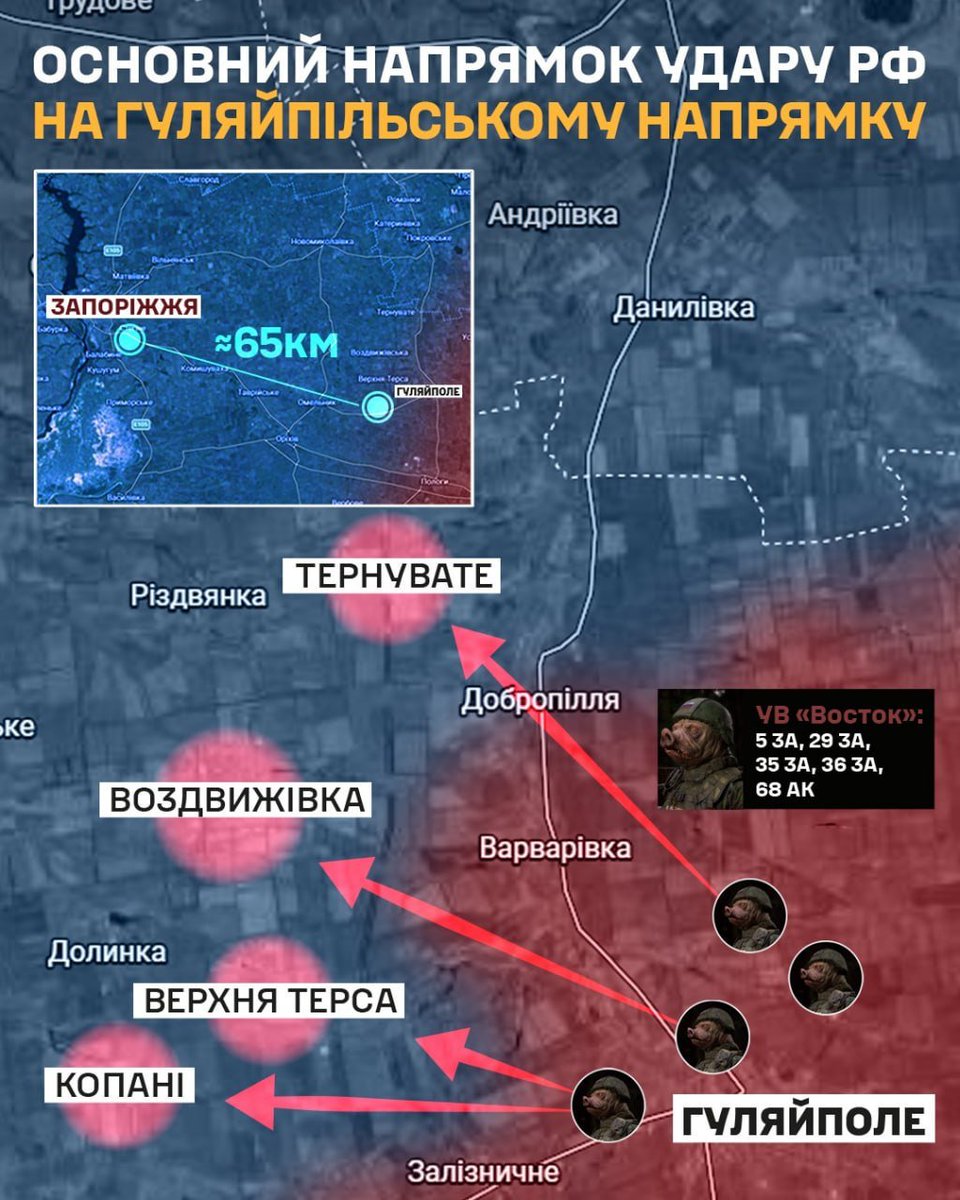
Near Huliaipole in Zaporizhzhia Oblast, Russian infantry groups and motorcycle units attempted local breakthroughs. Ukraine’s 7th Air Assault Corps reported holding the line and inflicting casualties on the advancing forces (monitor_the_situation).
In Rodynske, Donetsk Oblast, Ukrainian forces conducted an airstrike on a Russian UAV unit positioned near a mine, demonstrating Kyiv’s willingness to target enemy reconnaissance assets even within occupied territories (monitor_the_situation).
Strategic Implications
The concentration of kinetic strikes on transport hubs, energy grids, and data infrastructure reflects a Russian strategy aimed at degrading Ukraine’s logistical resilience and civilian morale. Simultaneously, Ukraine’s deployment of robotic explosives, drone‑on‑drone engagements, and rapid repair efforts indicate an adaptive defence posture that seeks to mitigate the impact of high‑value targets.
While the destruction of the Southern Bridge and the Datagroup data centre represent significant setbacks, the swift Ukrainian response—both in terms of counter‑UAV actions and the use of ground robots—suggests a narrowing gap in capability asymmetry. Continued pressure on energy and communications networks, however, may strain Ukraine’s ability to sustain prolonged defensive operations, especially if Russian missile launches increase in frequency.