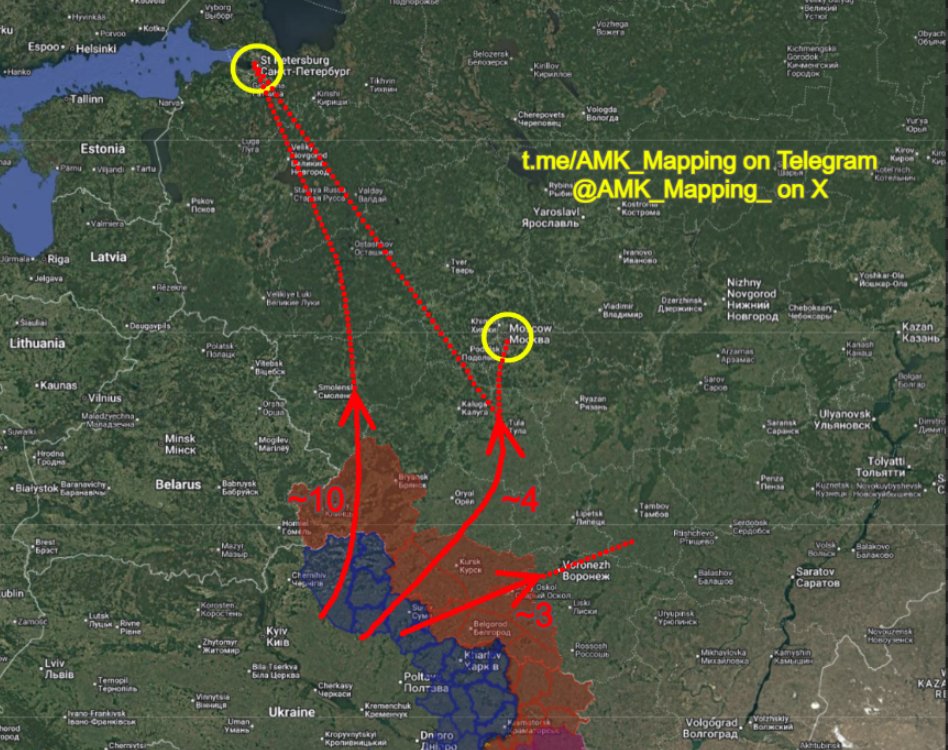
On 18 October 2026 Ukraine launched a coordinated strike involving seventeen FP-5 Flamingo cruise missiles aimed at strategic sites in western Russia, likely including St. Petersburg and possibly Moscow. Russian air‑defence units engaged the salvo across six oblasts—Kursk, Voronezh, Bryansk, Smolensk, Oryol and Tula—reporting a 100% interception rate. The operation marks the most concentrated Ukrainian missile offensive against Russian territory in the current conflict phase.
"Ukraine fired at least 17 FP-5 Flamingo cruise missiles in three groups, likely targeting St Petersburg and possibly Moscow. Russian air defence intercepted all over Kursk, Voronezh, Bryansk, Smolensk, Oryol, and Tula Oblast." – monitor_the_situation, 2026‑10‑18T04:00:09
Ukrainian Missile Barrage Over Russian Heartland
The FP-5 Flamingo, a long‑range, low‑observable cruise missile, was deployed in three separate waves, each tracked by Russian radar networks. According to the monitor_the_situation channel, the missiles were launched from positions in eastern Ukraine, exploiting recent advances in Ukrainian surface‑to‑air missile suppression tactics. Russian S‑300 and S‑400 systems, supplemented by the newer Pantsir‑S1 mobile units, engaged the missiles at varying altitudes, creating a layered defence that ultimately neutralised the threat. No civilian casualties or infrastructure damage were reported, but the sheer volume of missiles forced the diversion of air‑defence assets from other fronts.
Drone Strikes Ignite Urban Targets
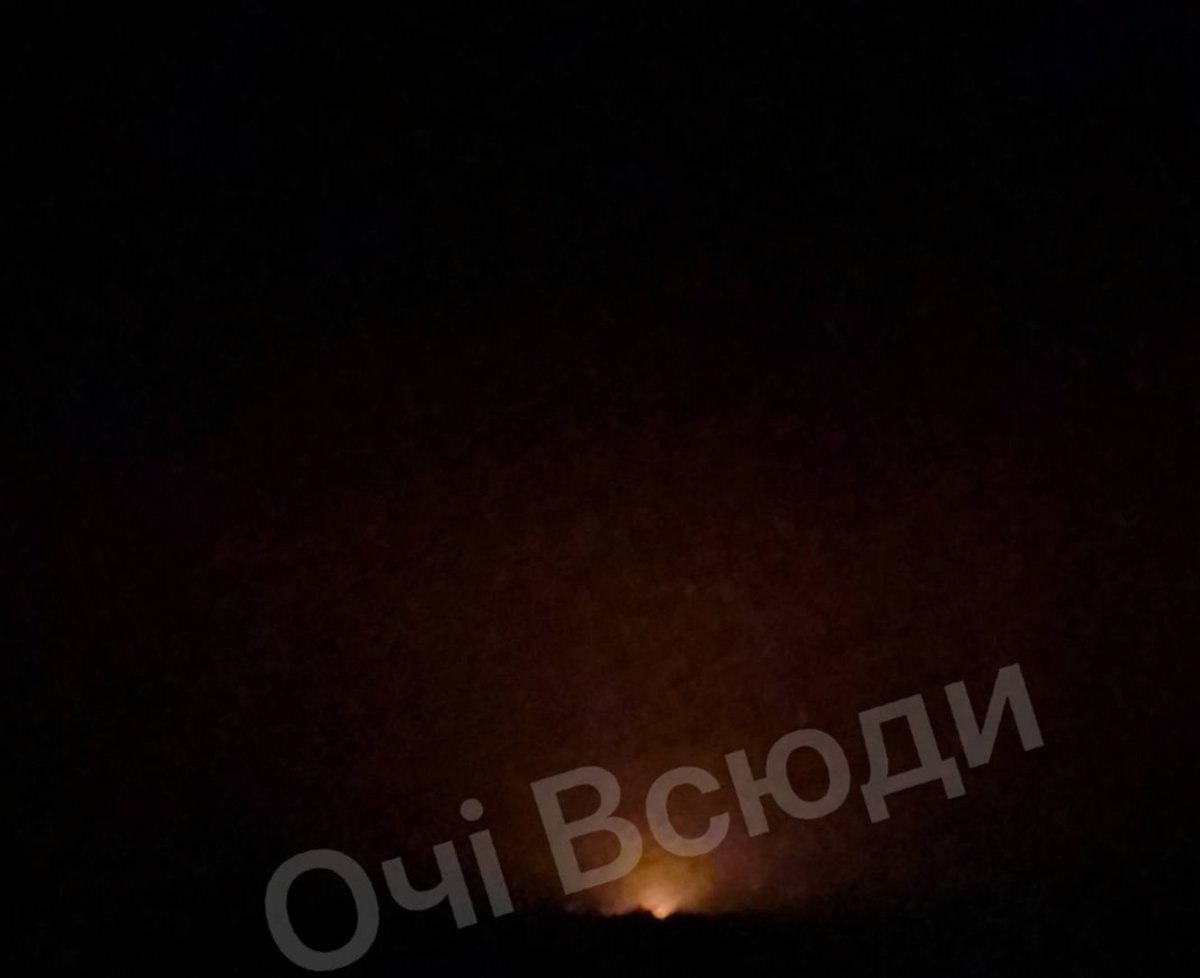
Simultaneously, Ukrainian UAVs targeted high‑value civilian and commercial sites in St. Petersburg. At 05:30:37 a swarm of armed drones struck an Ozon e‑commerce warehouse, igniting a large fire that engulfed the facility. Video evidence, shared by monitor_the_situation, shows the warehouse’s roof collapsing under the blaze. A separate report from AlJazeera captured multiple explosions across the city, attributing them to a coordinated drone swarm that penetrated the city’s outer air‑defence ring.
Further north, a Ukrainian drone attack on a VK datacenter in Moscow at 01:26:56 caused a localized fire and disrupted network services. The incident, documented by monitor_the_situation, highlighted the expanding reach of Ukrainian UAV operations into Russia’s capital region. Earlier, at 00:37:55, residents in Saint Petersburg and Leningrad Oblast recorded Russian air‑defence units engaging incoming UAVs, confirming a sustained aerial pressure from Ukrainian forces.
Russian Air Defence: Scale and Effectiveness
Russian air‑defence commanders responded with unprecedented intensity. In addition to the missile interceptions, surface‑to‑air missile batteries, anti‑aircraft artillery, and electronic warfare assets were deployed along a 1,200‑kilometre front. The rapid engagement of the FP-5 missiles demonstrated improved integration of radar data with command‑and‑control networks, a capability that analysts attribute to recent upgrades in the Russian Aerospace Forces.
However, the successful drone incursions into St. Petersburg and Moscow reveal gaps in low‑altitude coverage. While the high‑altitude S‑400 systems excel against cruise missiles, they are less effective against small, low‑observable UAVs. The reliance on legacy short‑range systems such as the 9K33 Osa and the newer Pantsir‑S1 proved crucial in mitigating the drone threat, yet the fires at the Ozon warehouse and VK datacenter indicate that some attacks still penetrated the defensive envelope.
Collateral Regional Incidents
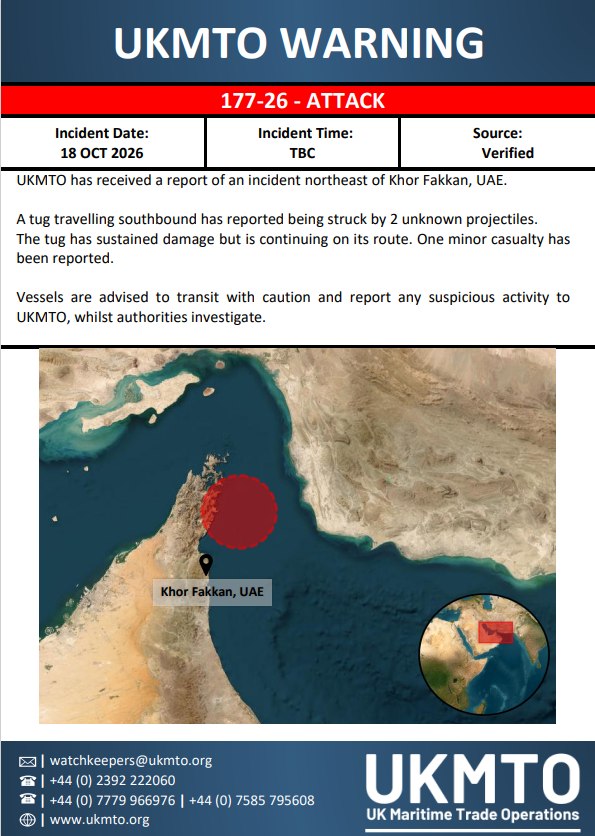
Amid the Ukraine‑Russia focus, several unrelated events unfolded on 18 October. A southbound tug in the Gulf of Oman, northeast of Khor Fakkan (UAE), was struck by two unknown projectiles, resulting in minor damage and one injury. The United Kingdom Maritime Trade Operations (UKMTO) issued a warning for vessels in the area, as reported by monitor_the_situation (2026‑10‑18T04:26:50).
In Saudi Arabia, a Saudi Arabian National Guard AH‑6i helicopter crashed in Najran, killing both onboard officers due to a technical malfunction, according to intelslava (2026‑10‑18T03:24:05). Additionally, Saudi air‑defence forces intercepted Houthi drones and missiles over Saudi territory, a development noted by monitor_the_situation (2026‑10‑18T03:22:20) and GeoPWatch (2026‑10‑18T00:10:57).
Implications for the Conflict
The coordinated missile and drone offensive underscores Ukraine’s evolving long‑range strike capability and its willingness to target Russian urban centres directly. While Russian air‑defences successfully neutralised the missile salvo, the persistence of UAV attacks suggests a growing asymmetry in low‑altitude threat mitigation. Analysts anticipate that Russia will accelerate the deployment of counter‑UAV systems, including directed‑energy weapons and AI‑driven detection platforms, to close the identified gaps.
For Ukraine, the ability to launch high‑profile attacks deep inside Russian territory serves both a tactical and psychological purpose, signalling operational reach and testing Russian defensive resilience. The attacks also risk escalating retaliatory measures, potentially expanding the conflict’s geographic scope.