On 18 October 2026, Ukrainian drones carried out the most extensive attack ever recorded against Russia’s second‑largest city, St. Petersburg. The coordinated strike hit a VKontakte data centre, the 330 kV Vostochnaya power substation, an oil‑loading terminal and the Korabelny Bridge, causing at least one civilian death and widespread service disruptions. Russian air defenses initially intercepted the majority of the unmanned aircraft, but several penetrated the city’s perimeter before being neutralised later in the night.
“Ukrainian drones carried out the largest ever attack on St. Petersburg, striking a VKontakte data centre, a power substation, an oil terminal and a bridge, with Russian air defenses initially intercepting most UAVs before dropping off.” – intelslava, https://t.me/intelslava/96624
Scope of the St. Petersburg Drone Campaign
The operation unfolded in multiple waves. The first documented strike at 06:32 UTC targeted the Korabelny Bridge, a critical transport link in central St. Petersburg, and was reported by monitor_the_situation. A second wave at 10:34 UTC resulted in a civilian fatality and damage to energy facilities, as covered by Al Jazeera. The final, most extensive wave began at 15:41 UTC, encompassing the VKontakte data centre and the Vostochnaya substation, with video evidence supplied by the same source. The cumulative effect included temporary outages at the power substation and interruptions to VKontakte’s online services.
Russian Air Defense Response
Russia’s air‑defence network responded aggressively across several fronts. Between 08:30 UTC on 17 October and 08:30 UTC on 18 October, Russian systems engaged more than 500 UAVs approaching the Moscow region, neutralising 127 drones near the capital, according to a statement from the Moscow City Government relayed by intelslava.
“From 08:30 on October 17 to 08:30 on October 18, 512 UAVs were flying toward the Moscow region. Most of them were destroyed by air‑defence forces at long range. 127 drones were neutralized as they approached Moscow.” – intelslava, https://t.me/intelslava/96594Additionally, Ukrainian drones aimed at Russian targets were intercepted by Russian electronic‑warfare systems and inadvertently entered Lithuanian airspace, prompting a diplomatic note from the Ukrainian Ministry of Foreign Affairs, also reported by intelslava.
Parallel Kinetic Events in the Wider Region
While the St. Petersburg attacks dominated headlines, several other kinetic incidents unfolded across the broader conflict zone on 18 October:
- Russian rocket strikes on Ukraine’s power grid killed two civilians and wounded twelve, including children, cutting electricity to tens of thousands of households. The attacks were documented by monitor_the_situation and involved multiple rockets hitting substations in four Ukrainian regions.
- Ukrainian drone activity in Belgorod knocked out a power substation in the Russian border oblast, as reported by monitor_the_situation with accompanying video footage.
- Yemeni conflict escalation: Ansarullah released video of quadcopter drones dropping grenades on PLC positions across Yemen, while the Houthis claimed to have shot down a Saudi Arabian National Guard AH‑6i helicopter over Najran using a surface‑to‑air missile. Saudi officials acknowledged the loss but attributed it to a mechanical malfunction. Both incidents were covered by intelslava and monitor_the_situation.
- Egyptian military deployment to Saudi Arabia for defensive purposes was approved by the Egyptian National Defense Council, as noted by rnintel.
- Black Sea drone strikes: Russian Geran‑4 and Lancet drones attacked a cargo ship and two Ukrainian drone‑boats in the western Black Sea, claiming the vessels were transporting military cargo. The incident was reported by monitor_the_situation.
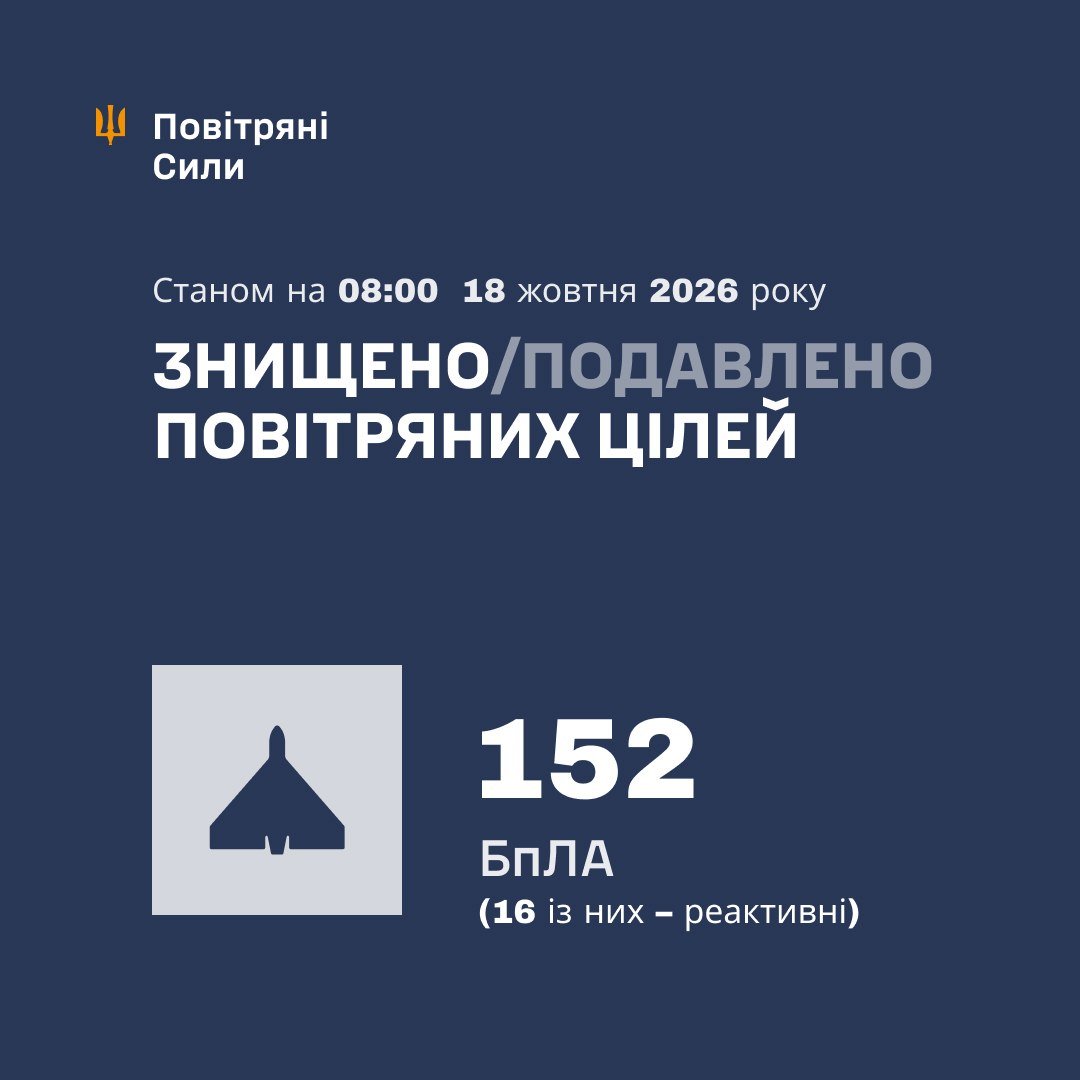
- Ukrainian air‑defence success: Ukraine shot down 152 of 180 Russian drones and intercepted an Iskander‑M ballistic missile overnight, limiting damage to 20 locations, according to monitor_the_situation.
Humanitarian Impact
Beyond kinetic engagements, the day saw a stark humanitarian reminder in Gaza City, where a funeral was held for 75 Palestinians whose remains were recovered from the Darij neighbourhood. The event, reported by Al Jazeera, underscores the ongoing civilian toll in the broader Middle‑East conflict landscape.
Analysis
The coordinated Ukrainian drone offensive against St. Petersburg represents a significant escalation in the use of unmanned systems to strike high‑value urban infrastructure deep within Russian territory. The attacks demonstrate both the expanding reach of Ukrainian UAV capabilities and the challenges faced by Russian air‑defence networks when confronting large swarms of low‑observable platforms.
Simultaneously, Russia’s intensified air‑defence posture around Moscow and the interception of drones that strayed into Lithuanian airspace highlight the regional spill‑over risks associated with high‑volume UAV operations. The multiplicity of drone‑related incidents—from the Black Sea to the Middle East—suggests a broader trend of non‑state actors and state militaries leveraging inexpensive, adaptable unmanned platforms to achieve tactical effects.
On the ground, conventional kinetic attacks continue to inflict civilian casualties, as seen in the Russian rocket strikes on Ukrainian energy infrastructure and the ongoing fighting in Yemen. The convergence of UAV warfare with traditional artillery and missile strikes creates a complex operational environment that complicates attribution, escalation management, and civilian protection.
Overall, 18 October 2026 marks a day of heightened kinetic activity across several theatres, with unmanned systems playing a central role in shaping the conflict dynamics.