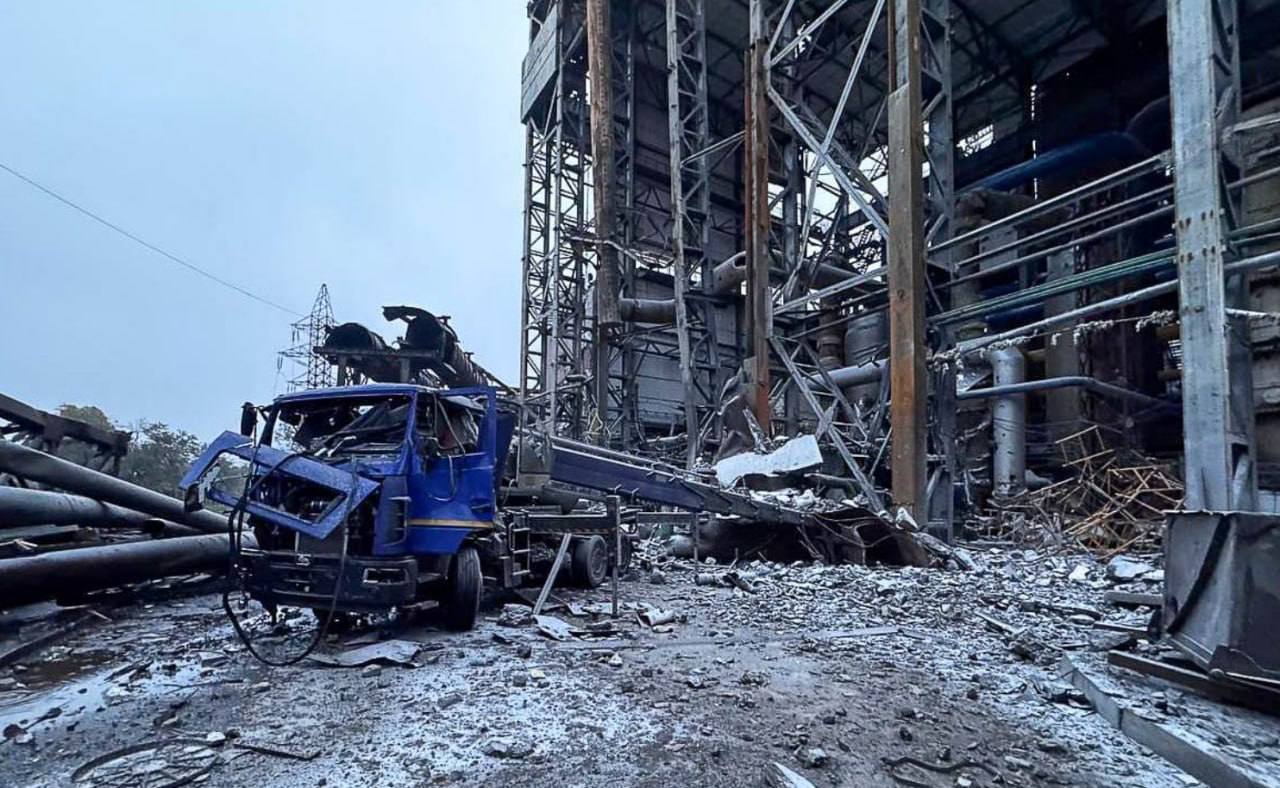
On 18 October 2026 at 08:41 UTC, the Russian Armed Forces launched a coordinated missile strike against the Zaporizhstal steel plant in Zaporizhzhia, marking the fifth direct attack on the facility since the conflict began. Six ballistic missiles impacted the plant’s internal energy and logistics infrastructure and caused additional damage to the blast‑furnace production sites. No casualty figures were released, but the strike halted any prospect of returning the plant to normal production mode.
"The Russian Armed Forces have attacked Zaporizhstal for the fifth time, launching six more ballistic missiles at the plant." – intelslava
The repeated targeting of Zaporizhstal underscores a strategic focus on Ukraine’s heavy‑industry capacity, aiming to degrade metallurgical output that supports both civilian reconstruction and military logistics.
Airstrike on Mechanized Brigade Deployment Points
At 15:45:45 UTC, the Russian Aerospace Forces (VKS) executed a precision airstrike using four FAB‑500 bombs equipped with UMPK guidance kits. The munitions struck two temporary deployment points: one belonging to the 159th Separate Mechanized Brigade in Hnylytsia, Kharkiv Oblast, and another for the 63rd Separate Mechanized Brigade in Donetsk Oblast. In addition, five FAB‑500 bombs destroyed an earthen crossing in Maiaky, further disrupting Ukrainian mobility.
"Four FAB‑500 bombs equipped with UMPK guidance kits struck the following targets: a temporary deployment point of the 159th Separate Mechanized Brigade in Hnylytsia, and a temporary deployment point of the 63rd Separate Mechanized Brigade in Donetsk." – intelslava
The use of guided FAB‑500s indicates a shift toward higher‑precision munitions in the Russian campaign, aiming to neutralize brigade‑level staging areas and impede reinforcement routes.
Naval Strike Near Odesa
At 15:38:45 UTC, the Russian Ministry of Defense reported the interception of a dry cargo ship carrying military and dual‑use supplies destined for Ukraine. The vessel was struck approximately 50 km southwest of the Odesa port, a critical maritime gateway for humanitarian and defense materiel. No casualties were reported, and the ship’s cargo status remains unverified.
This maritime action reflects Russia’s broader effort to interdict supply lines across the Black Sea, complementing land‑based kinetic operations.
Ground Infiltrations and Urban Combat in Donetsk Oblast
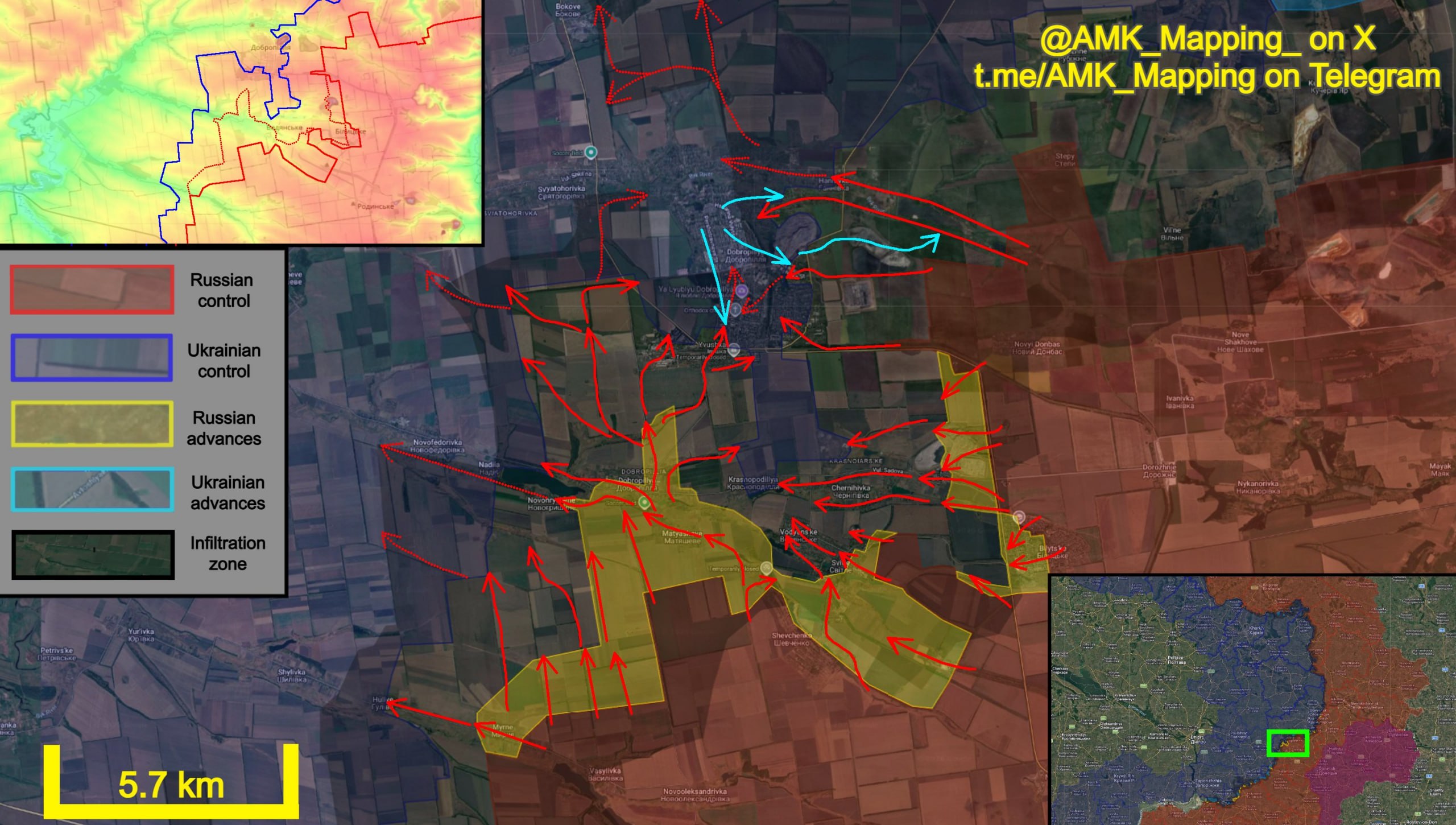
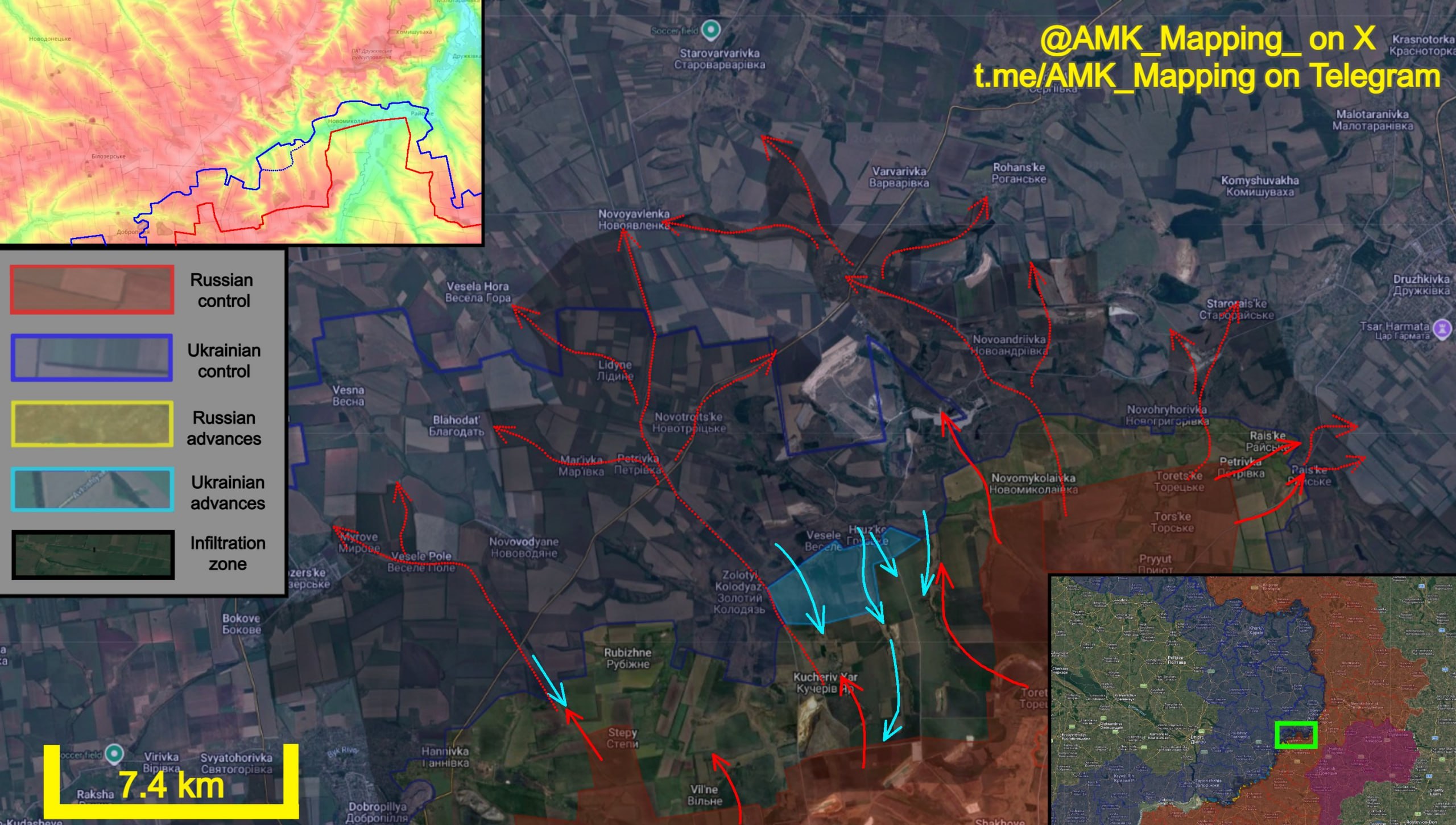
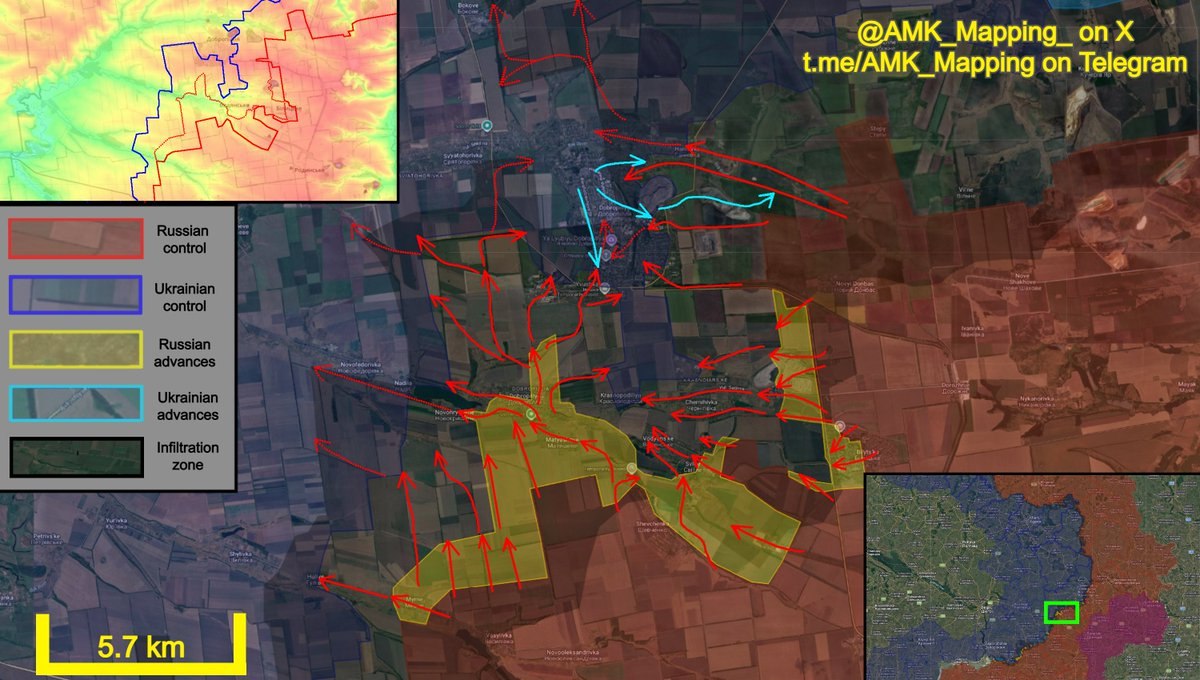
Multiple ground‑level events unfolded in Donetsk Oblast throughout the day. At 13:22:48 UTC, Russian forces intensified infiltrations around Dobropolye, entering the city from several axes and advancing into adjacent settlements. The offensive leveraged river‑bank crossings along the Byk River to deepen penetration. An earlier report at 13:02:07 UTC detailed deep infiltrations across villages such as Raiskoe, with Ukrainian troops conducting limited counter‑clearance operations.
At 09:37:03 UTC, Russian troops entered the city of Dobropillya from multiple directions, further evidencing a coordinated push after a brief operational pause. These movements suggest a concerted effort to secure urban centers and establish forward logistics nodes ahead of the upcoming winter season.
"Over the last few weeks, Russian forces significantly intensified their offensive operations in the Dobropolye direction, entering the city from multiple directions." – CIG_telegram
The combined infiltration and urban assault tactics increase the risk of protracted close‑quarter combat, raising potential civilian casualty rates and complicating humanitarian access.
Widespread Attacks on Energy Infrastructure
At 09:21:38 UTC, Russian forces launched a series of attacks on Ukraine’s energy grid, striking substations in Vinnytsia, Zhytomyr, Khmelnytskyi, and Odesa regions. The campaign employed a mix of drones, aerial bombs, and ballistic missiles, totaling 76 strikes across the four regions within a single night. Tens of thousands of households were left without power, exacerbating civilian hardship as winter approaches.
"Russia has carried out dozens of attacks on Ukraine’s energy infrastructure, striking substations in multiple regions with drones, bombs and missiles, leaving tens of thousands without power." – intelslava
The systematic targeting of power infrastructure aligns with a broader Russian strategy to erode civilian resilience and strain Ukraine’s emergency response capabilities.
Drone Activity in Volyn and Luhansk
Two notable unmanned‑aircraft incidents were recorded on 18 October. At 07:14:17 UTC, a Russian Geran‑4/5 jet‑drone struck a warehouse in Manevychi, Volyn Oblast, igniting a large fire. Casualty figures were not immediately available, and damage assessments remain pending.
Conversely, at 06:23:00 UTC, Ukrainian operators from the 66th Brigade employed drones during Operation Vivaldi to attack Russian tanks and vehicles in occupied Luhansk Oblast. The strikes targeted slow‑moving armor, demonstrating the growing efficacy of Ukrainian drone tactics in contested territories.
"Ukraine's 66th Brigade Strikes Russian Armor in Luhansk during Operation Vivaldi." – monitor_the_situation
These contrasting drone operations illustrate the escalating aerial contest, where both sides leverage unmanned systems for precision strikes against high‑value targets.