The most consequential kinetic event of 17 October 2026 unfolded in Yemen's capital, Sana'a, where the Houthis reported that Saudi Arabia conducted 53 airstrikes across six major cities within a 24‑hour window. According to GeoPWatch, the strikes targeted Sana'a, Taiz, Ibb, Lahij, Saada and Amran, inflicting a "large amount of casualties" on the civilian population. These coordinated attacks represent the highest intensity of aerial bombardment recorded in the country this year, underscoring the escalating tit‑for‑tat dynamic between the Saudi‑backed coalition and the Iran‑aligned Houthi movement.
"A large amount of casualties among the civilian population" – GeoPWatch, 16:46 UTC, 17 Oct 2026.
The air campaign employed a mix of precision‑guided munitions and unguided bombs, though exact weapon types were not disclosed. While casualty figures remain unverified, local health officials in Taiz and Ibb have reported surges in admissions for blast‑related injuries, suggesting dozens of fatalities and hundreds of wounded. The breadth of the strikes, spanning both northern strongholds (Saada, Amran) and southern provinces (Lahij), indicates a strategic effort to pressure the Houthi command structure and disrupt supply lines.
Rocket Assault on Aden's Presidential Palace and Airport
Earlier in the day, at 09:16 UTC, Iran‑backed Houthi forces launched missile attacks on the presidential palace and Aden International Airport. Al Jazeera documented the strikes, noting that the missiles struck the palace compound and the adjacent runway, temporarily halting civilian flights. The attacks were part of a broader Houthi campaign to challenge the internationally recognised government seated in Aden.
"What we know about the Houthi strikes on Aden’s presidential palace and airport, and why they matter" – Al Jazeera, 17 Oct 2026.
While no official casualty count was released, the rapid response by Yemeni security forces prevented further infiltration, and preliminary reports indicate limited structural damage. The use of medium‑range missiles demonstrates the Houthis' growing capability to project power deep into coalition‑controlled territories.
Ansarullah Ballistic Missile Strike Kills Six Saudi Soldiers
At 07:25 UTC, a ballistic missile identified as an Ansarullah (the political wing of the Houthis) projectile struck the presidential palace in Aden, killing six Saudi Arabian soldiers. CIG_telegram provided the names of the fallen servicemen, confirming the lethal impact of the strike. The missile, launched from an undisclosed location, penetrated the palace’s fortified perimeter, highlighting vulnerabilities in coalition defensive arrangements.
"Rerum Novarum has obtained the names of the six Saudi Arabian soldiers killed" – CIG_telegram, 17 Oct 2026.
The loss of six troops, all senior non‑commissioned officers, represents a significant morale blow for Saudi forces operating in Yemen and may prompt a reassessment of force protection protocols around high‑value political sites.
Ground Advances in Ta'izz: Ansarullah Breaches PLC Defenses
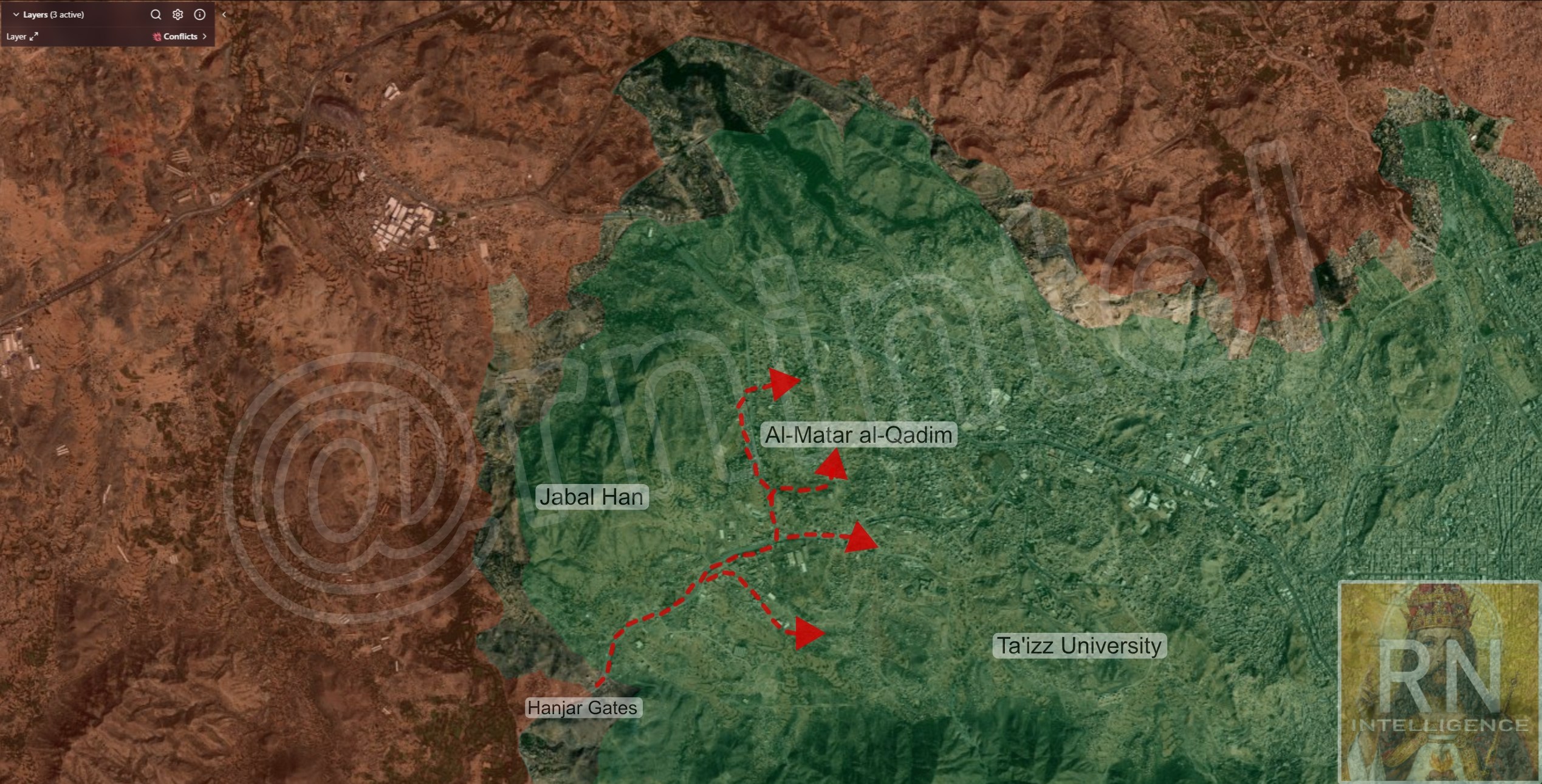
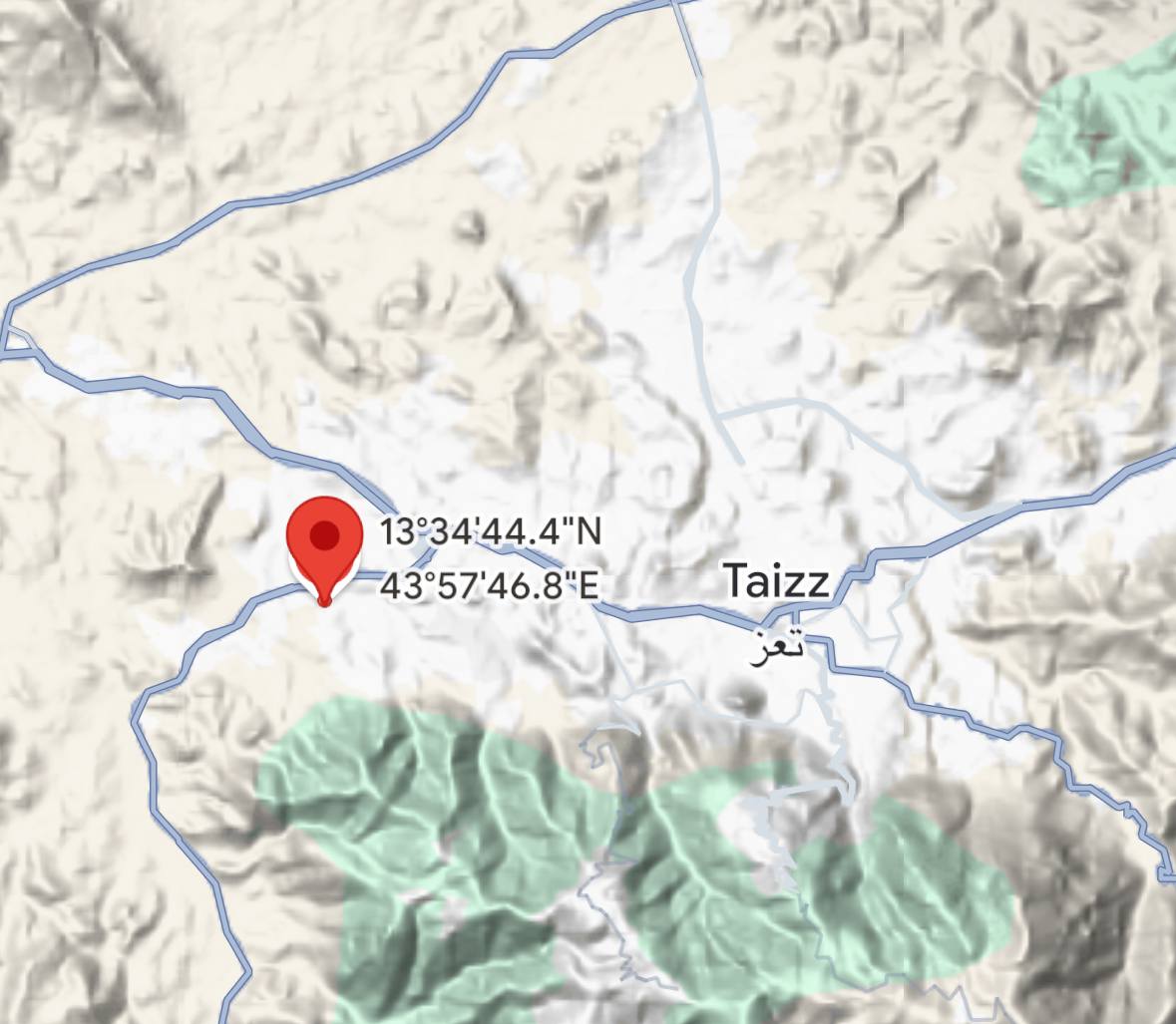
Two separate reports detail rapid ground movements in Ta'izz. At 16:01 UTC, Ansarullah forces breached the Presidential Leadership Council (PLC) defenses in western Ta'izz, advancing eastward through the al‑Matar al‑Qadim and al‑Jabali districts. Street fighting intensified, with both sides exchanging small arms fire and improvised explosive devices. Later, at 14:44 UTC, CIG_telegram confirmed that Ansarallah seized strategic districts of Mudarat and Murabah, pushing toward the Old Airport area and Ta'izz University.
The simultaneous offensives suggest a coordinated push to capture key urban infrastructure, potentially to leverage control over supply routes and to pressure the PLC into negotiations. No casualty figures were released, but eyewitness footage shows extensive damage to civilian structures and a growing number of displaced residents.
Security Belt Forces Mobilise into Aden
At 17:47 UTC, the elite Security Belt Forces, formerly aligned with the Southern Transitional Council (STC), began moving from Ad Dali into Aden. According to rnintel, the deployment aims to reinforce coalition positions amid the heightened Houthi threat. While the forces are not equipped with heavy weaponry, their presence adds a layer of security for government installations and may deter further missile attacks on the city.
Maritime Incident in the Gulf of Aden
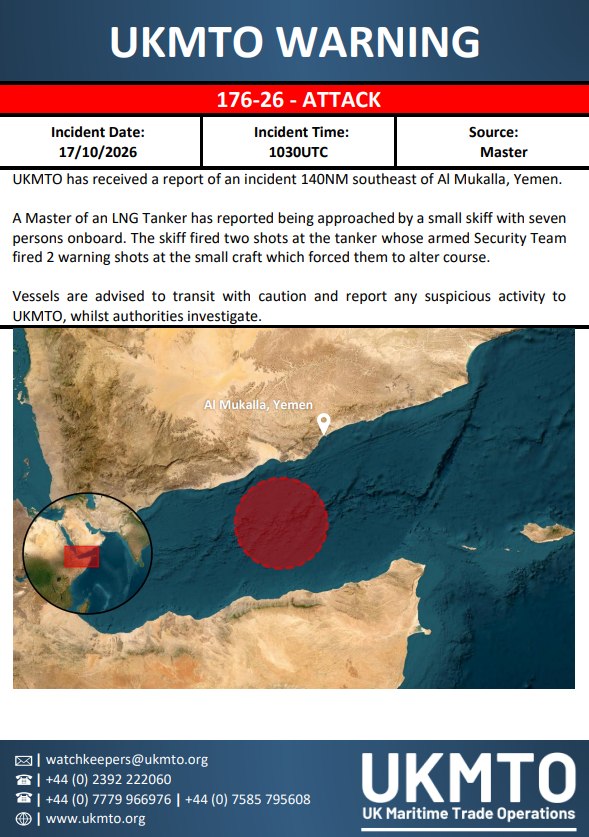
At 13:20 UTC, a small skiff carrying seven individuals fired two shots at an LNG tanker 140 nautical miles southeast of Al Mukalla. The tanker’s armed security team, operating under UKMTO guidelines, returned warning fire, forcing the skiff to alter course. Monitor_the_situation reported the incident, noting that the skiff’s actions appear to be a piracy‑related provocation rather than a state‑sponsored attack.
Border Infiltration and Red Sea Missile Threats
Two Saudi soldiers were killed on 10:00 UTC along the Yemen‑Saudi border in a clash with Ansarullah fighters, as reported by rnintel. The incident underscores the porous nature of the frontier and the ongoing risk of cross‑border raids.
Later, at 06:41 UTC, Al Jazeera highlighted Houthi missile strikes targeting key Red Sea supply routes. While specific targets were not disclosed, the strikes aim to disrupt maritime logistics supporting the Yemeni government and its allies, adding a strategic maritime dimension to the land‑based kinetic operations.