Russian missile attacks across eastern and southern Ukraine on 17 October 2026 have killed at least eight civilians and left roughly one million people without electricity, while Ukrainian forces conducted a large‑scale drone and missile raid toward Moscow. The coordinated assaults underscore a sharp escalation in hostilities, with both sides employing high‑precision weapons and targeting critical infrastructure.
Escalation of Russian Missile Campaign
At 05:19 UTC, Russian forces launched a multi‑city rocket strike that hit Kharkiv, Kramatorsk, Volyn and Rivne. According to AlJazeera, the attacks killed eight people and caused widespread power outages affecting an estimated one million residents.
"Russian attacks in Ukraine kill at least 8, cut power to 1 million"The weapons employed were a mix of missiles, though specific types were not disclosed. Russian state actors were identified as the responsible organization.
Earlier in the day, at 02:13 UTC, two North Korean‑origin Hwasong‑11A (KN‑23) ballistic missiles struck Zaporozhye, as reported by the Telegram channel intelslava. Video footage confirmed the impacts, marking a rare instance of North Korean missile technology being used on Ukrainian soil.
At 01:55 UTC, the city of Kryvyi Rih in Dnipropetrovsk Oblast endured a barrage of ballistic and Kalibr cruise missiles, resulting in at least eight explosions. Casualty figures remain pending, but the strike demonstrates Russia’s continued use of both land‑based and sea‑launched missile systems against urban centers.
Shortly after, at 01:52 UTC, Russian forces fired a large‑scale missile salvo comprising at least 24 ballistic and cruise missiles toward the Dnipropetrovsk, Zaporizhzhia and Kherson oblasts. According to the monitoring channel monitor_the_situation, none of the ballistic missiles were intercepted, and most cruise missiles reached their targets, causing extensive damage to infrastructure.
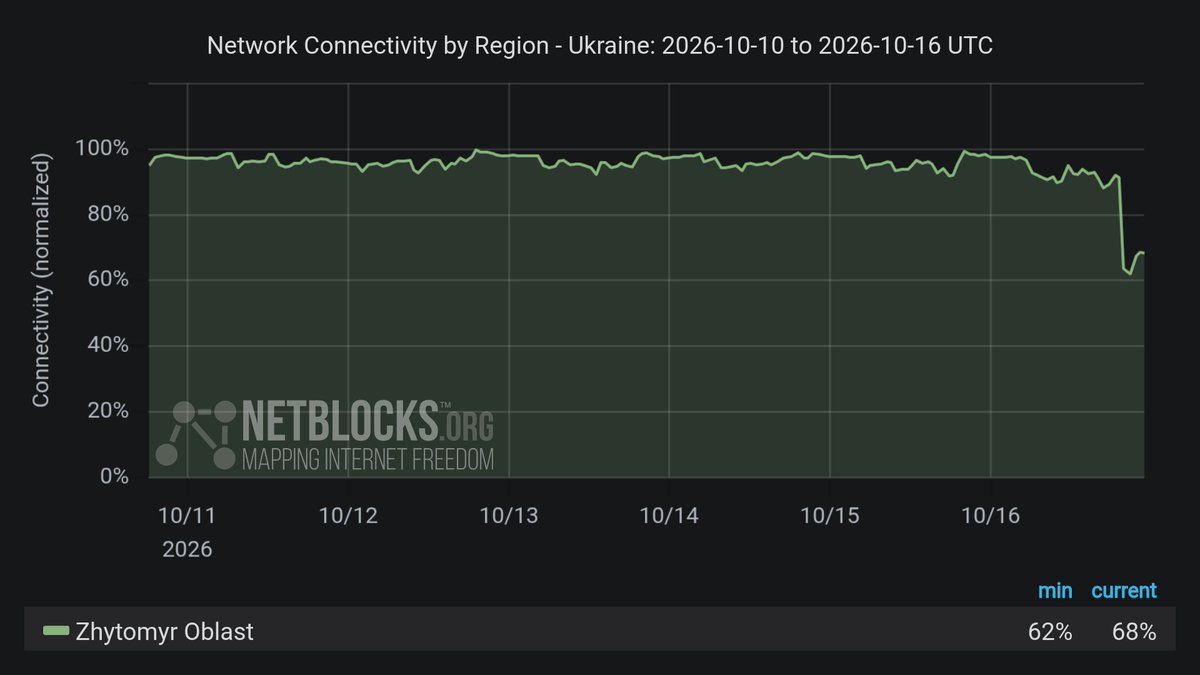
In the western region of Zhytomyr Oblast, Russian drone attacks at 00:04 UTC targeted energy and transport facilities, leading to power outages and significant internet disruption. The same channel reported that the attacks were part of a broader effort to cripple Ukraine’s logistical networks.
At 00:56 UTC, a Russian Geran‑4/5 jet‑drone struck an enterprise in Rivne, igniting a large fire that threatened nearby residential areas. Video evidence posted by monitor_the_situation showed the ensuing blaze and the rapid response of local emergency services.
Ukrainian Counter‑Operations
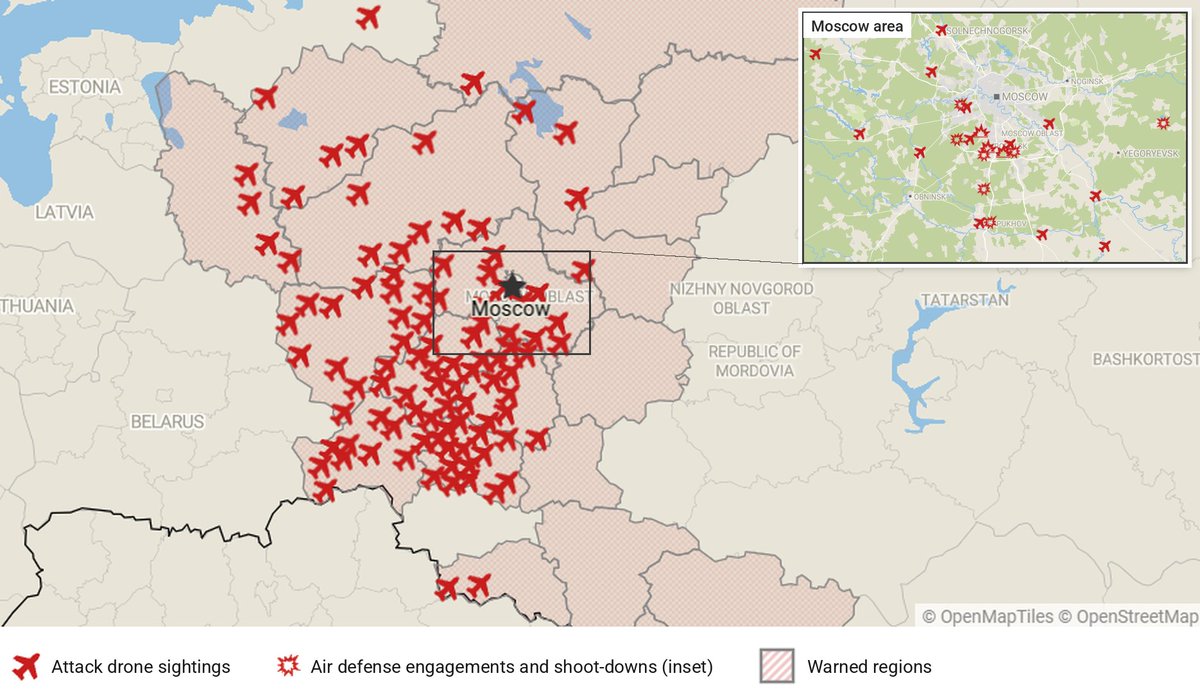
In a notable reversal of the usual pattern, Ukrainian forces launched a massive drone and missile raid toward the Moscow area at 00:50 UTC. The operation, documented by the channel monitor_the_situation, involved several hundred attack drones and missiles penetrating Russian airspace, with some units reportedly bypassing the western perimeter of the capital. While Russian authorities have not confirmed any damage, the raid signals Kyiv’s growing capability to project power deep into Russian territory.
Unconfirmed reports from the same source at 01:22 UTC suggested that up to eight Kalibr cruise missiles were launched from Russia’s Novorossiysk naval base in Krasnodar Krai, potentially heading toward Ukrainian airspace within 50 minutes. Although the launch remains unverified, the claim highlights the fluidity of missile deployments on both sides.
Humanitarian Impact
The United Nations migration agency issued a warning on 02:02 UTC that Russian attacks on energy infrastructure and housing could displace millions of Ukrainians this winter. The agency cited rising costs, funding shortages for relief, and the cumulative effect of repeated strikes on civilian dwellings as factors that may force large‑scale internal displacement.
Power outages across Kharkiv, Kramatorsk, Volyn, Rivne and Zhytomyr have disrupted essential services, including heating, water supply and communications. The loss of electricity to one million people in the eastern corridor exacerbates the vulnerability of civilians as temperatures begin to fall.
Broader Regional Developments
While the primary focus remains on the Ukraine conflict, other regional events were reported on 17 October. Iran’s Islamic Revolutionary Guard Corps (IRGC) Navy released video of a Very Large Crude Carrier (VLCC) ablaze after striking a sea mine in the Strait of Hormuz, as posted by intelslava. Additionally, a separate AlJazeera liveblog claimed that a U.S. Navy blockade had halted all Iranian ships from crossing the Strait, reflecting heightened tensions in the Middle East.
These developments, though not directly linked to the Ukrainian theater, underscore a broader pattern of heightened military activity and strategic signaling across multiple fronts.
Overall, the coordinated Russian missile strikes and Ukrainian aerial retaliation on 17 October illustrate a marked intensification of the conflict. The use of advanced missile systems, foreign‑origin weaponry and large‑scale drone operations points to an evolving battlefield where both sides seek to achieve strategic gains while inflicting significant civilian hardship.