The most consequential kinetic event recorded on 16 October 2026 was a massive Yemeni air campaign that, according to Yemeni military statements, delivered 1,250 strikes against Houthi positions within a single day, resulting in an estimated 700 Houthi combatant deaths. The operation coincided with a reported Houthi assault on Aden’s presidential palace and missile interceptions by the Saudi‑led coalition, underscoring the heightened volatility on the Arabian Peninsula.
Yemeni Forces’ 24‑Hour Airstrike Offensive
Yemeni forces announced that between 15:03 UTC on 16 October and the following morning they executed 1,250 precision strikes across Houthi‑controlled territories. The campaign allegedly eliminated 700 Houthi fighters, a figure presented as a decisive blow to the rebel group’s operational capacity. The strikes were reportedly coordinated with the Saudi‑led coalition, which intercepted multiple missiles launched by the Houthis during the same period. The coalition’s involvement was confirmed by statements that Saudi‑backed air defenses successfully neutralised inbound projectiles aimed at strategic locations in Yemen.
"Our forces have neutralised a significant portion of the Houthi threat, delivering over a thousand strikes and eliminating seven hundred combatants," a Yemeni military spokesperson told the monitoring channel monitor_the_situation (https://t.me/monitor_the_situation/37281).
While the Yemeni side provided detailed strike counts, the Houthi movement denied any offensive against the Saudi holy city of Medina and contested the casualty figures. No independent verification of the numbers is currently available, but the claim reflects the intensity of the conflict’s latest phase.
Russian Drone Campaign Over Ukraine
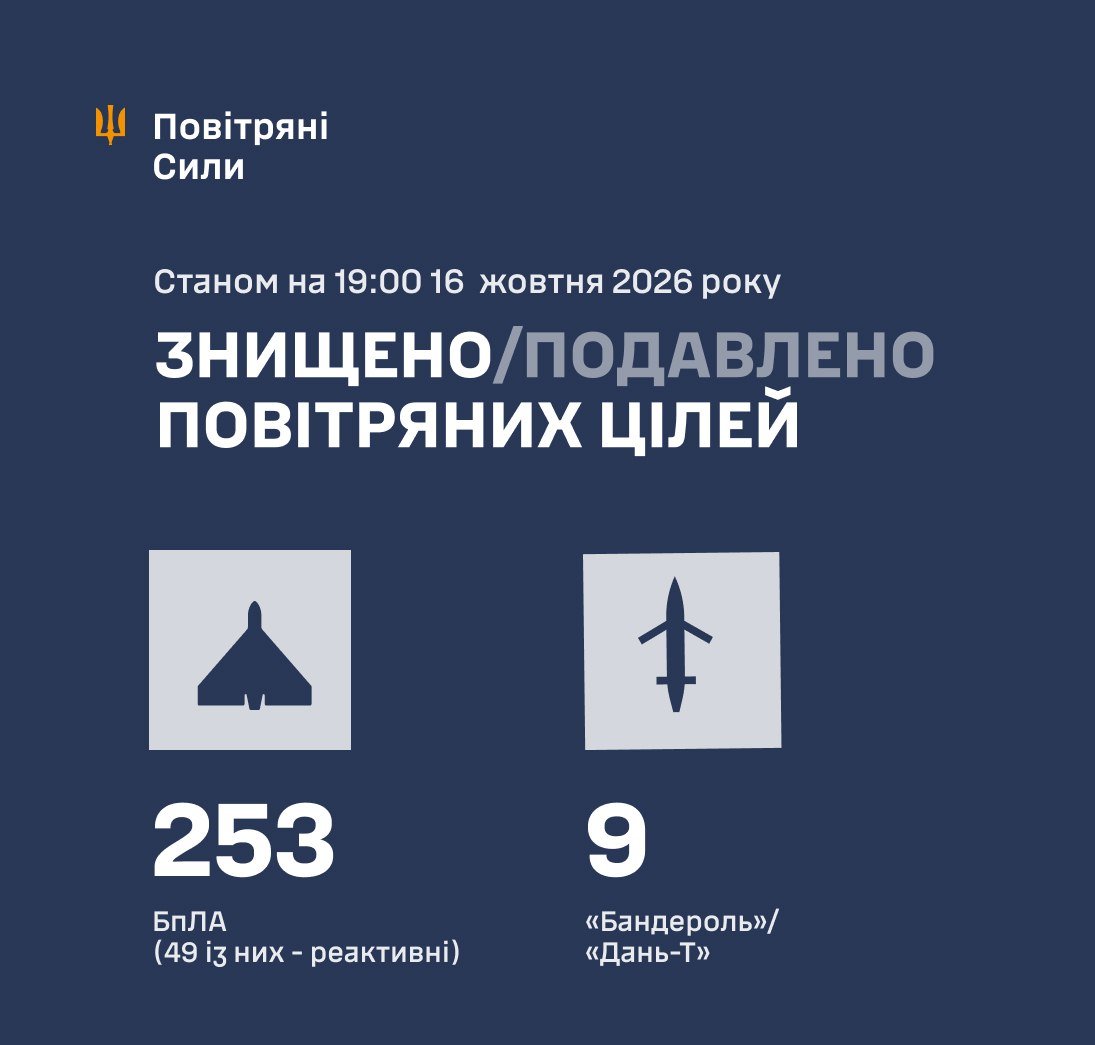
On the same day, Russia intensified its aerial assault on Ukraine, deploying a total of 315 strike drones between 07:00 UTC and 19:00 UTC. The drone fleet comprised 78 jet‑powered UAVs and 15 S‑8000 Banderol/Dan‑T models, among other unmanned systems. Ukrainian air‑defence forces reported that they intercepted or suppressed 253 of the incoming drones, including 49 jet‑powered platforms, thereby limiting the overall impact of the Russian offensive.
"We have downed or neutralised 253 hostile UAVs, protecting critical infrastructure and civilian areas," the Ukrainian defence ministry communicated via the monitor_the_situation channel (https://t.me/monitor_the_situation/37306).
The remaining 62 drones either evaded detection or caused limited damage, though specific casualty or material loss figures were not disclosed. The operation illustrates Russia’s reliance on unmanned aerial systems to sustain pressure on Ukrainian defenses, a tactic that has become increasingly prevalent since the conflict’s escalation in 2022.
Ukrainian Strike on Gazprom’s Surgut Condensate Plant
In a separate kinetic episode, Ukrainian forces targeted the Gazprom Surgum Condensate Stabilization Plant located in Surgut, Khanty‑Mansiysk Autonomous Okrug, Russia. The plant, situated roughly 2,400 km from Ukraine’s border, processes motor and aviation fuel with an annual capacity of 12 million tonnes. The strike, confirmed by the monitoring channel, demonstrated Ukraine’s capability to project power deep into Russian territory, striking a strategic energy asset.
"Ukrainian forces have successfully hit the Gazprom condensate plant in Surgut, disrupting a key component of Russia’s fuel production chain," reported by monitor_the_situation (https://t.me/monitor_the_situation/37256).
No immediate casualty figures were released, and the extent of operational disruption remains to be assessed. The attack aligns with Ukraine’s broader strategy of targeting Russian energy infrastructure to erode economic resilience.
Russian Drone Incursions Over Moldova
Moldova’s Defence Ministry documented five unauthorized drone incursions across its airspace over a seven‑hour window spanning the overnight period and the morning of 16 October. The drones traversed the country’s northern and southeastern sectors but did not result in crashes, explosions, or reported injuries. The ministry attributed the incursions to the broader Russian aerial campaign against Ukraine, suggesting spill‑over effects on neighbouring states.
"Five unauthorized UAVs entered Moldovan airspace; all were observed and tracked without incident," the Moldovan Defence Ministry conveyed via monitor_the_situation (https://t.me/monitor_the_situation/37214).
While the incidents did not cause physical damage, they raise concerns about air‑space security for neutral states situated near active conflict zones.
Russian Drone Attack in Ukraine Resulting in Civilian Fatalities
Separately, a Russian drone strike in Ukraine resulted in three civilian deaths and a power outage affecting approximately one million residents. The attack, reported by the Jerusalem Post, underscores the humanitarian toll of unmanned aerial warfare in densely populated areas.
"Russian drones have killed three people and cut power to one million, highlighting the civilian cost of the ongoing conflict," noted the Jerusalem Post (https://www.jpost.com/international/internationalrussia-ukraine-war/article-911932).
The incident occurred amid ongoing diplomatic overtures between the United States and Russia, including forthcoming joint initiatives beyond a recently agreed diesel trade deal, as indicated by statements from Russian investment envoy Kirill Dmitriev.
Analytical Overview
The events of 16 October illustrate a pattern of intensified kinetic operations across multiple theatres. In Yemen, the scale of the Yemeni‑Saudi air campaign signals a possible escalation in the protracted civil war, with casualty figures that, if accurate, could alter the balance of power between the Yemeni government and Houthi forces. In Eastern Europe, Russia’s reliance on large‑scale drone swarms continues to test Ukrainian air‑defence capabilities, while Ukraine’s deep‑strike capability against Russian energy assets demonstrates a strategic shift toward long‑range precision attacks.
Simultaneously, the spill‑over of drone activity into Moldova highlights the broader regional security implications of the Russia‑Ukraine conflict, emphasizing the need for robust air‑space monitoring and rapid response mechanisms among neighboring states.