On the night of 15 October, Russian forces unleashed at least sixteen KAB glide‑bombs on Kramatorsk in Donetsk Oblast, followed by a twelve‑hour barrage of heavy shelling that struck the city centre and its southern outskirts. The coordinated attack, reported by the @AMK_Mapping_ channel, caused extensive structural damage and marked the most intensive kinetic strike in Ukraine this week.
Kramatorsk Glide‑Bomb Barrage
The strike began with a salvo of sixteen KAB glide‑bombs, each equipped with a high‑explosive warhead designed for precision impact. Satellite imagery confirmed multiple impact craters within a 2‑kilometre radius of the city centre, and local emergency services reported dozens of injured civilians, though exact casualty figures remain unverified. The subsequent shelling involved 152 mm and 122 mm artillery rounds, extending the damage to residential districts and critical infrastructure such as power substations.
"The intensity and coordination of the Kramatorsk attack suggest a deliberate effort to degrade urban resilience ahead of upcoming Ukrainian offensives," the channel noted.
UAV and MLRS Strikes Across Kyiv Region
In the preceding 48 hours, Ukrainian regions endured a series of UAV, guided‑bomb and multiple‑launch rocket system (MLRS) strikes that resulted in nine fatalities and sixty‑one injuries, according to a volunteer report from the CITeam_en channel. The Kyiv region recorded nine wounded from UAV attacks, while Sumy province saw two injuries and Kharkiv oblast reported seven casualties from guided bombs and MLRS fire.
Ukrainian Rocket Strike on Russian Nebo‑U Radar
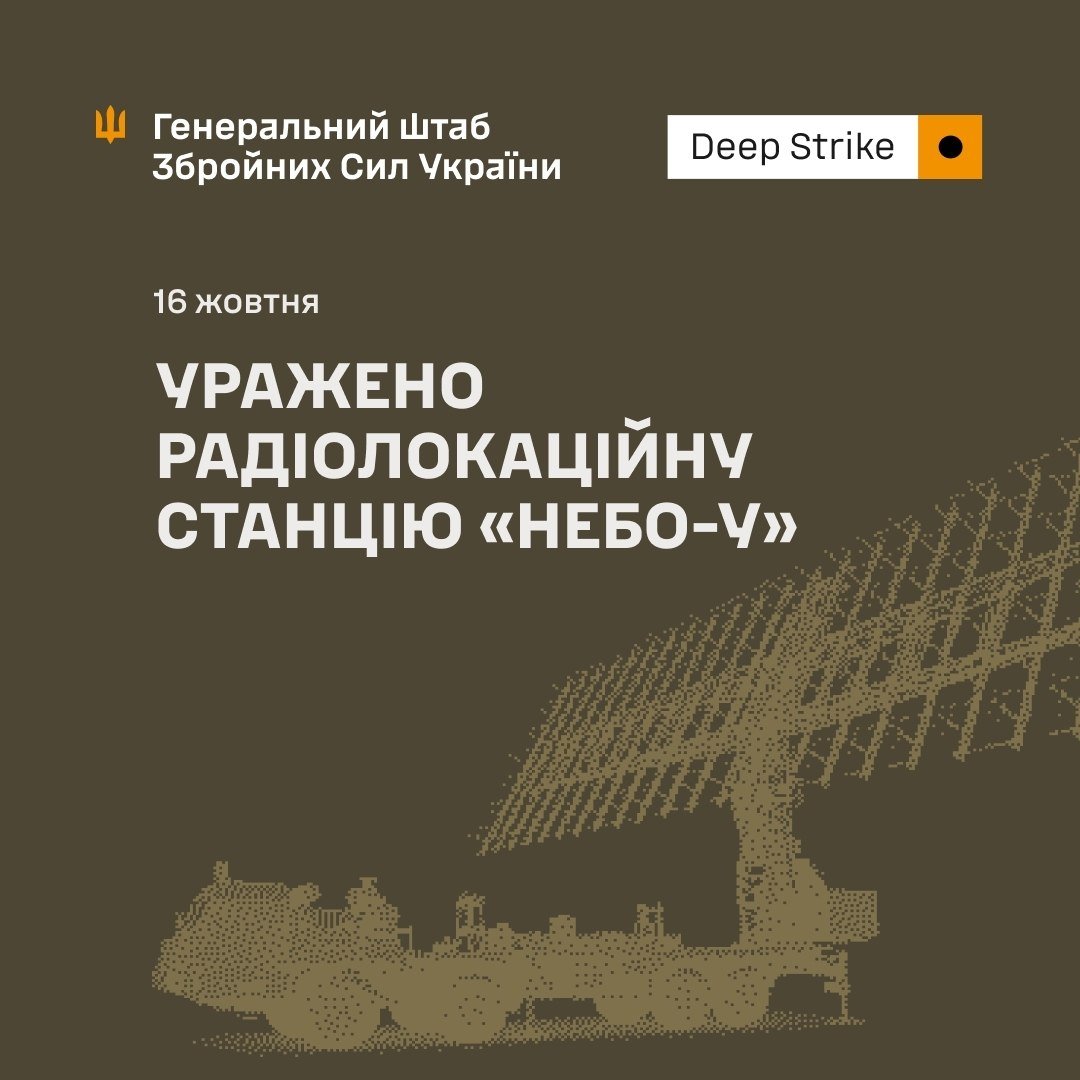
At approximately 02:00 UTC on 16 October, Ukrainian forces targeted a Russian 55Zh6U Nebo‑U long‑range radar near the settlement of Magri in Krasnodar Krai, Russia. The strike, delivered by a precision‑guided rocket and documented by @NOELreports, ignited a fire that temporarily disabled the radar, a system valued at roughly $100 million. The incident underscores Ukraine’s expanding capability to strike high‑value assets deep within Russian territory.
Zaporizhzhia Glide‑Bomb Incidents
Later that morning, three Russian KAB glide‑bombs struck Zaporizhzhia city, producing multiple explosions. While casualty numbers were not immediately released, the attacks damaged commercial buildings and disrupted traffic on the Dnipro River waterfront. The use of glide‑bombs in both Kramatorsk and Zaporizhzhia reflects a pattern of employing stand‑off precision munitions to bypass air‑defence corridors.
Rodynske Attack on Russian UAV Operators
Ukrainian air assets reportedly hit a Russian position in Rodynske, Donetsk Oblast, resulting in the death or injury of approximately twenty Russian UAV operators. The source, monitor_the_situation, did not specify the weapon system used, but the high concentration of UAV personnel suggests a targeted strike against Russia’s aerial reconnaissance capability.
Targeting UAV Launch Sites in Sumy Oblast
Russian Aerospace Forces (VKS) bombed two Ukrainian Territorial Defense UAV launch sites near Yastrebinoe and Mykolaivka in Sumy Oblast. The attacks employed four FAB‑500 and four FAB‑250 aerial bombs, supplemented by two UMPB glide‑bombs. Video evidence shared by intelslava shows the explosions and subsequent smoke plumes, indicating a concerted effort to suppress Ukrainian drone operations on the northern front.
Russian UAV Brigade Precision Strikes on Supply Trucks
The 50th Separate Unmanned Systems Brigade “Varyag” conducted precision drone strikes against Ukrainian pickup trucks transporting food and ammunition along the front line. The intelslava channel posted footage of the strikes, highlighting the brigade’s focus on logistical targets to impede Ukrainian sustainment.
Geran‑5 Jet‑Drone Performance Upgrade
Observations from the CIG_telegram channel recorded Russian Geran‑5 jet‑drones operating over western Ukraine at speeds of 700‑800 km/h, exceeding the previously known maximum of 600 km/h. This performance increase suggests either a propulsion upgrade or the deployment of a new variant, potentially narrowing the speed gap with Russia’s air‑launched cruise missiles.
Assessment of Kinetic Trends
The concentration of glide‑bomb attacks, combined with intensified UAV operations on both sides, indicates a shift toward high‑precision, stand‑off munitions that can be launched from beyond the reach of conventional air‑defence systems. Ukraine’s ability to strike deep‑inside Russian territory, exemplified by the Nebo‑U radar hit, demonstrates growing strike depth and operational reach. Conversely, Russia’s focus on disabling Ukrainian UAV launch sites and supply convoys reflects an effort to blunt Ukraine’s emerging drone‑centric tactics.
Overall, the mid‑October kinetic landscape in Ukraine is characterized by escalating use of glide‑bombs, targeted UAV engagements, and a notable increase in the speed and sophistication of Russian jet‑drones. These developments are likely to influence both tactical planning and strategic posturing in the weeks ahead.