On 15 October 2026, the Houthi movement launched a coordinated rocket and missile barrage aimed at multiple civilian and strategic sites across Saudi Arabia, including several airports, oil processing facilities, and seaports. According to the Telegram channel monitor_the_situation, the attacks were intercepted or failed to cause any reported damage or casualties. The operation, timed at 14:49 UTC, involved dozens of rockets and missiles dispatched from Yemen, reflecting an escalation in the group’s long‑standing campaign against the Saudi‑led coalition.
Saudi Air Force strikes Houthi positions in Yemen
At 17:34 UTC, the Yemen National Army released video footage confirming that the Royal Saudi Air Force conducted airstrikes targeting Houthi‑controlled vehicles and fortified positions within Yemeni territory. The footage, posted by the channel intelslava, shows multiple strike runs using precision‑guided munitions, though casualty figures were not disclosed. The operation underscores the ongoing kinetic exchange between Saudi forces and the Houthi movement in the protracted Yemeni conflict.
Iran directs Hezbollah to increase combat readiness
In a separate development, the Telegram outlet OSINTdefender reported that Iran issued a directive to Hezbollah on 15 October, ordering all full‑time members to relocate to newly assigned positions and to raise overall military readiness. The order, transmitted at 17:36 UTC, was framed as preparation for a potential regional escalation, though no immediate kinetic actions were recorded. The directive highlights Tehran’s influence over Lebanese militia structures.
Ansarullah claims downing of Saudi Eurofighter
At 13:12 UTC, the monitoring service GeoPWatch posted video evidence that the Yemeni militia Ansarullah asserted it had shot down a Royal Saudi Air Force Eurofighter Typhoon using a surface‑to‑air missile (SAM). The clip shows an explosion near the aircraft followed by what appears to be fuel leakage, but the final status of the jet remains unverified. The claim, if substantiated, would represent a rare successful engagement of a high‑performance fighter by a non‑state actor.
Ukrainian maritime and aerial counter‑operations
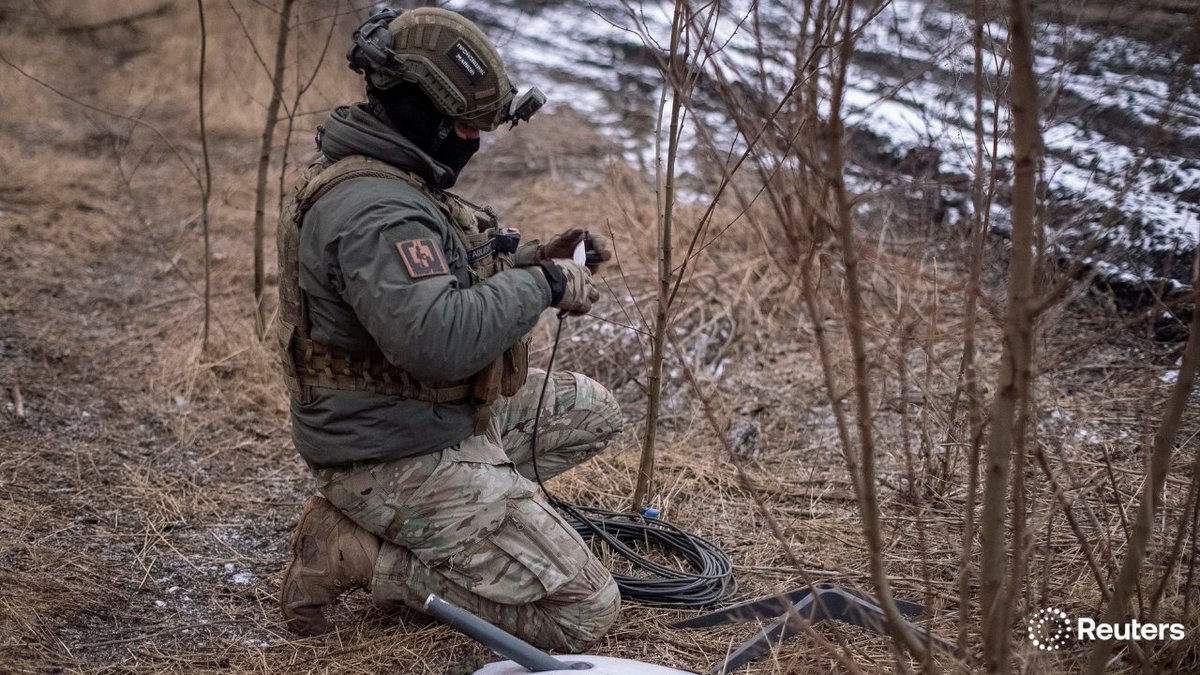
Multiple Ukrainian‑linked actions were documented on 15 October. The channel monitor_the_situation reported that Ukraine’s Neptune coastal missile system destroyed six Russian Su‑34 bomber aircraft, a claim that, if accurate, would constitute a significant loss for the Russian Air Force. In a related development, the same source indicated that Ukrainian forces equipped interceptor drones with SpaceX’s Starlink communications to engage Russian strike drones, a tactic corroborated by a Reuters‑cited report posted at 11:30 UTC. Additionally, Ukrainian officials warned that reductions in U.S. intelligence support, combined with intensified Russian missile strikes, increase civilian risk, as reported by AlJazeera.
Russia launches massive drone swarm against Ukraine
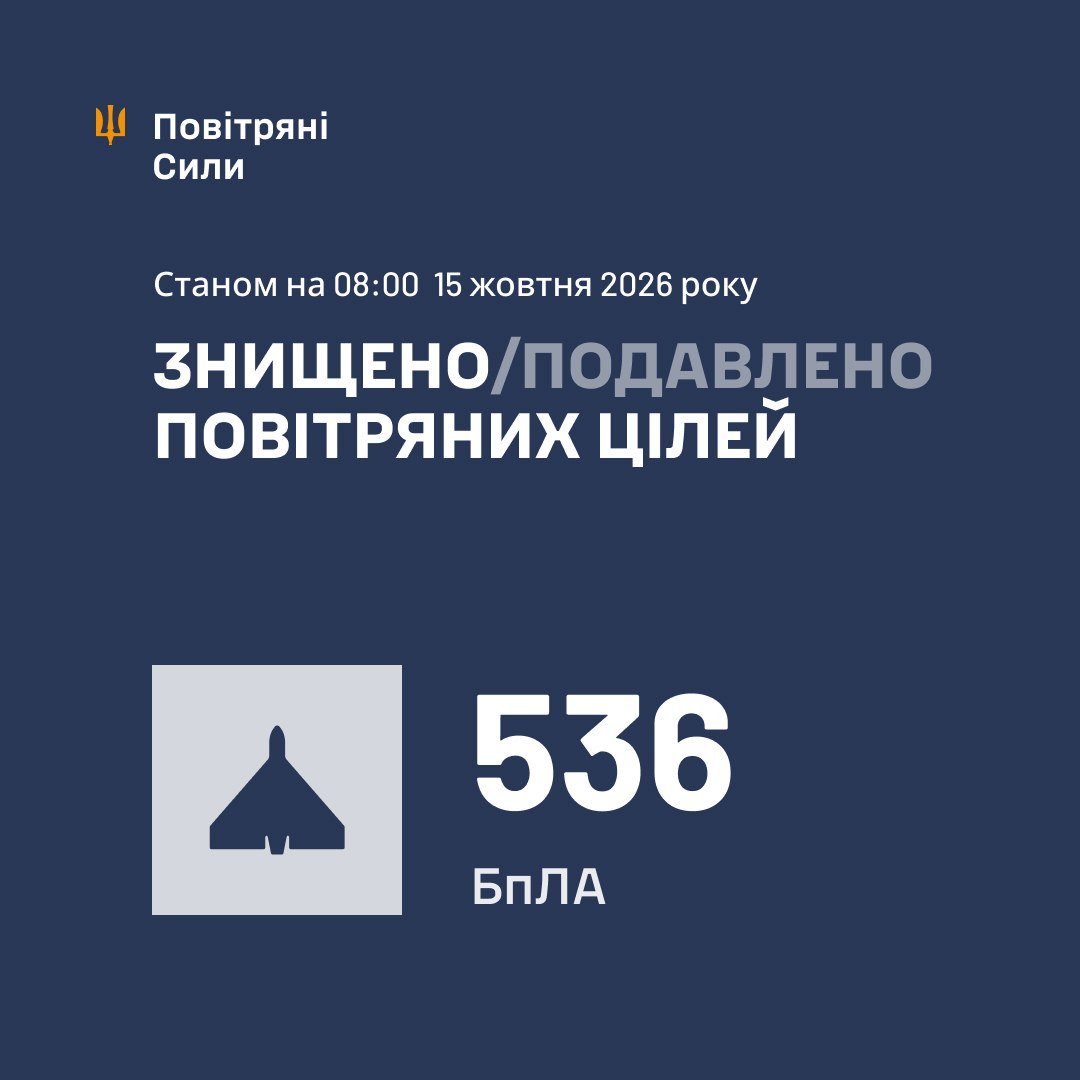
At 07:03 UTC, Russian forces deployed a swarm of 580 unmanned aerial vehicles (UAVs) targeting Ukrainian territory. Ukrainian air defenses reported shooting down or suppressing 536 of the drones, with additional engagements at 31 locations and debris observed at 11 sites. The operation also included the launch of two Kh‑59 cruise missiles. The scale of the UAV attack, detailed by monitor_the_situation, illustrates the growing reliance on large‑scale drone warfare in the Russia‑Ukraine conflict.
“The attacks on Russian oil refineries caused nothing serious,” Russian President Vladimir Putin said, downplaying damage while condemning attacks on domestic retailers Ozon and Wildberries. (Source: monitor_the_situation, 16:13 UTC)
“Reduced missile warnings increase threat to civilians as we push for an energy ceasefire,” Ukrainian officials warned amid concerns over diminished U.S. intelligence. (Source: AlJazeera, 11:45 UTC)
Overall assessment: The events of 15 October demonstrate a multi‑theater increase in kinetic activity, ranging from rocket barrages and airstrikes in the Arabian Peninsula to large‑scale UAV deployments in Eastern Europe. While most incidents reported no immediate casualties, the potential for escalation remains high given the involvement of state and non‑state actors across several conflict zones.