Iran conducted a high‑profile ballistic missile test launch from Mianeh in East Azerbaijan Province at 1214Z, marking the day’s most significant kinetic event. The launch, reported by the OSINT channel monitor_the_situation, involved a medium‑range ballistic missile whose trajectory and payload were not disclosed. The test was captured in a delayed video feed and corroborated by a Telegram post (source: https://t.me/monitor_the_situation/37100).
Additional Missile Activity
Earlier in the day, Iran executed a second ballistic missile test from Zanjan Province. The launch, also documented by monitor_the_situation, featured a similar missile system and was posted on the platform at 1130Z (https://t.me/monitor_the_situation/37001). Within hours, a missile launcher was observed moving along a highway near Marand, East Azerbaijan Province, suggesting logistical preparation for further missile operations (https://t.me/monitor_the_situation/36963).
Targeted Assassinations
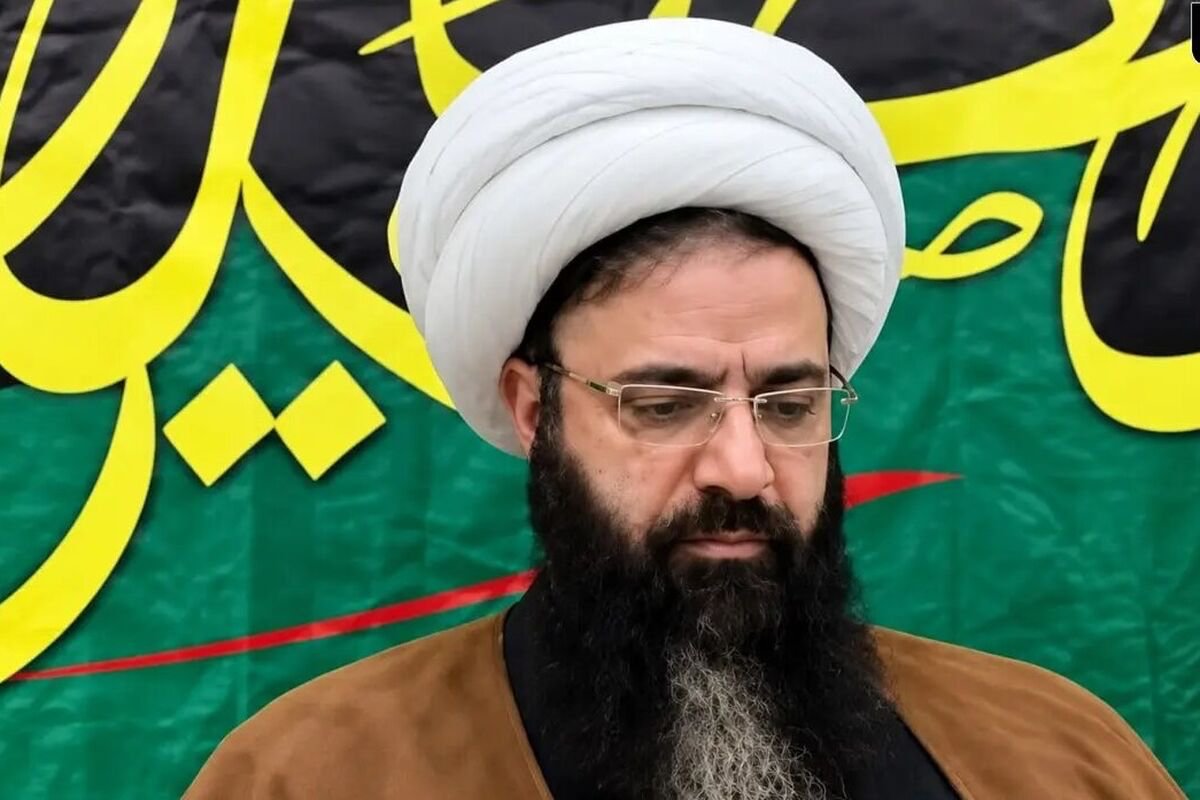
Two high‑profile killings were reported on October 15. In Sari, Mazandaran Province, Imam Yaser Taheri, the cleric of the Imam Hasan Askari Mosque, was slain inside his home. According to the IRGC‑owned news outlet Tasnim, a bladed weapon was used; the motive remains unclear (https://t.me/monitor_the_situation/37073).
"Cleric Killed at Home in Sari, Iran. Yaser Taheri, imam of the Imam Hasan Askari Mosque in Sari, was killed at his home. Initial IRGC‑owned Tasnim reports say a bladed weapon was used; motive unclear." – monitor_the_situation
Later that morning, Basij commander Aqila, leader of the Afzal Sisters unit, was assassinated outside her residence in Mehrestan, Sistan and Baluchestan Province. The attack, reported by The Jerusalem Post, occurred in front of her children and was part of a broader pattern of attacks on Iranian security personnel (https://www.jpost.com/middle-east/iran-news/article-911783).
Escalating Ground Clashes in the Southeast
Concurrent with the assassinations, the Islamic Revolutionary Guard Corps (IRGC) engaged in intensified combat with Baloch insurgents in Sistan and Baluchestan Province. The JPost analysis notes that reporting restrictions impede precise casualty figures, but the frequency of skirmishes has risen sharply, indicating a deepening insurgency in the Sunni‑majority region (https://www.jpost.com/middle-east/article-911846).
Naval Confrontations in the Strait of Hormuz
The strategic waterway saw two separate incidents. At approximately 1256Z, Iran’s navy reported an oil tanker ablaze in the eastern Strait of Hormuz following a “violation” of maritime rules (https://t.me/monitor_the_situation/37022). Video footage released by the same channel shows flames and smoke, though no casualty data were provided.
Earlier, on October 11, the IRGC struck the oil tanker Al Maqam (IMO 9732577) in the same strait. The attack, confirmed by video evidence, marks the second tanker hit in a short period and underscores Tehran’s willingness to employ naval force to assert control over the chokepoint (https://t.me/monitor_the_situation/36962).
U.S. Military Posturing
In a parallel development, the United States announced the deployment of additional troops and ammunition to the Persian Gulf region. The move, detailed by monitor_the_situation, follows Iranian rhetoric indicating readiness for renewed fighting. A video released on the platform shows U.S. transport aircraft and naval vessels moving into position (https://t.me/monitor_the_situation/37033). Former President Trump, speaking in the same briefing, claimed that any conflict would be brief and that much of Iran’s leadership had already been neutralized, though these statements were not substantiated by independent sources.
Analytical Overview
The concentration of kinetic events on October 15 reflects a coordinated escalation across multiple domains: strategic missile testing, targeted assassinations of religious and paramilitary figures, intensified ground combat in a restive province, and naval confrontations in a vital shipping lane. While the missile tests demonstrate continued development of Iran’s ballistic capabilities, the assassinations suggest a heightened internal security threat, potentially from rival factions or external operatives. The IRGC’s engagement with Baloch rebels and its naval actions in the Strait of Hormuz indicate a dual focus on internal stability and external deterrence.
U.S. force augmentation adds a further layer of complexity, signaling that regional powers are preparing for a broader confrontation. However, no direct combat between U.S. and Iranian forces was reported on the day in question.
Overall, the events of October 15 illustrate a multi‑theater posture by Iran that blends conventional kinetic capabilities with asymmetric tactics, while external actors respond with force posturing rather than direct engagement.