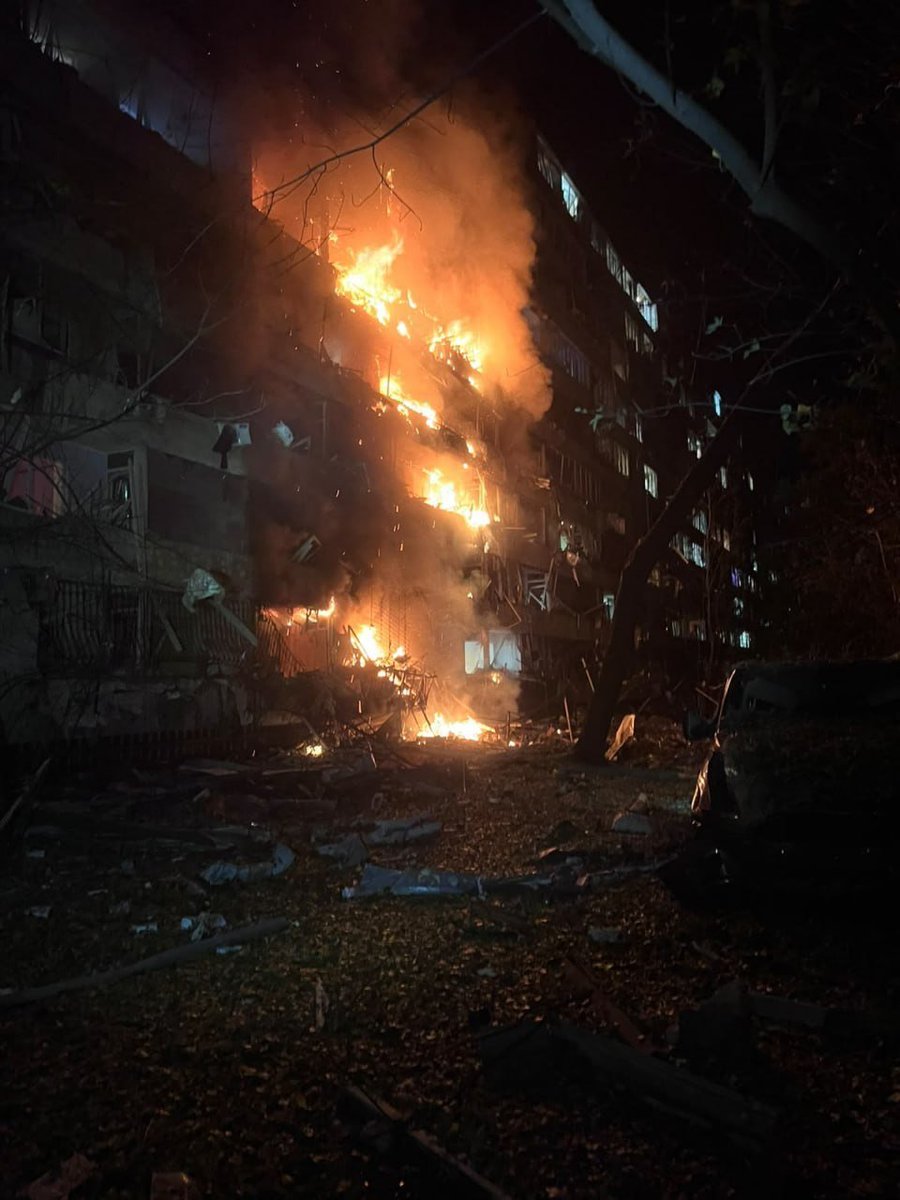
On 14 October 2026, Russian forces launched a coordinated kinetic campaign that struck deep into Ukrainian territory, combining high‑precision ballistic missiles, cruise missiles, loitering munitions and ground infiltrations. The most lethal episode unfolded in the capital, where a salvo of 39 missiles—including Iskander‑M, KN‑23, S‑400, Zircon and Onyx—hit Kyiv and surrounding cities, killing 10 civilians and wounding 91 others. The attack, reported by monitor_the_situation, marked the second consecutive night of ballistic strikes on the capital and underscored Russia’s capacity to project power far beyond the front lines.
Kyiv’s Night of Missile Hell
According to the Telegram feed, the missile barrage struck multiple districts, destroying residential blocks, a thermal power plant and critical infrastructure.
“At least 10 people have been killed and 91 injured in the latest wave of missile attacks on Kyiv,” the source wrote, adding that the strikes were part of a broader Russian effort to cripple the city’s energy grid ahead of the heating season.The attacks forced a citywide power outage, halting all three metro lines and leaving an estimated 600,000 residents without electricity, a figure later confirmed by President Volodymyr Zelensky in a separate briefing (intelslava).
Long‑Range Strikes Reach Western Ukraine
Beyond the capital, Russian long‑range missiles targeted the western city of Lutsk, killing three civilians and damaging civilian infrastructure (monitor_the_situation). The strike demonstrated Moscow’s intent to pressure Ukrainian regions far from the active front, complicating civilian evacuation and emergency response efforts.
Infiltration and Close‑Quarters Violence in Kharkiv Oblast
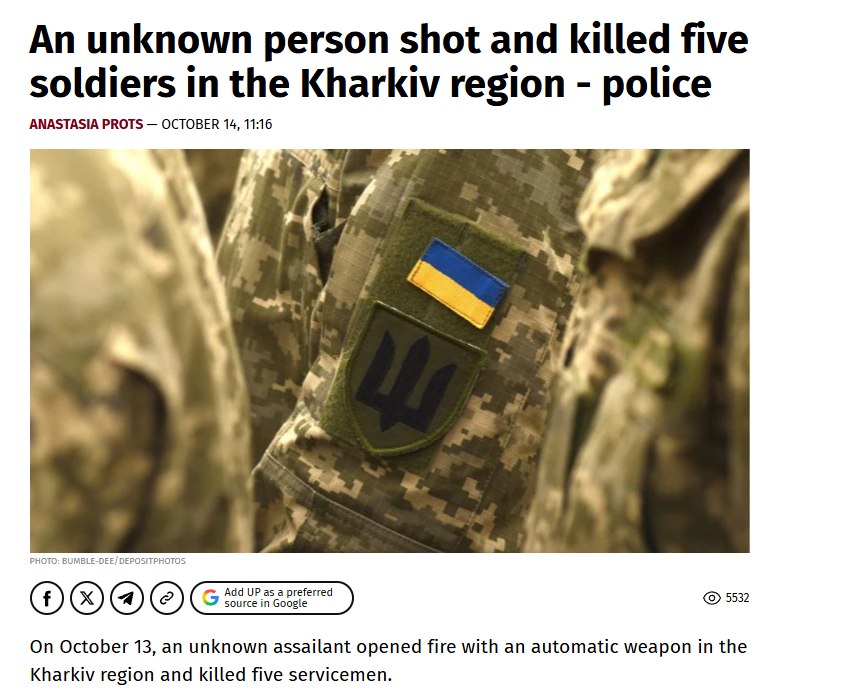
Kharkiv experienced a series of lethal infiltrations. On 13 October, an unidentified assailant used automatic weapons to kill five Ukrainian servicemen in the Kharkiv region (intelslava). A separate incident on 14 October involved an escaped Russian prisoner of war who entered a house in Kutuzivka, opening fire with an assault rifle and killing five soldiers of the 72nd Mechanised Brigade while wounding a marine (monitor_the_situation). These attacks highlight the persistent security vacuum in rear‑area zones and the threat posed by escaped combatants.
Drone Warfare and Airstrikes Intensify
Russian UAVs and loitering munitions were employed extensively across the country. A Geran‑5 loitering munition struck a logistics warehouse of Fresh‑Frozen Product LLC near Mykulychi in Kyiv Oblast, causing material loss but no reported casualties (intelslava). In Donetsk Oblast, Russian Aerospace Forces deployed FAB‑500 and OFAB‑250‑270 bombs against Ukrainian National Guard and army positions near Bilozerske and Vysokoivanivka, inflicting significant structural damage (intelslava). Meanwhile, Ukrainian forces demonstrated counter‑UAV capabilities, with the 115th Mechanized Brigade using an FPV drone to down a Russian Mi‑28NM attack helicopter over Donbas (monitor_the_situation).
Energy Infrastructure Under Siege
The cumulative effect of missile, drone and artillery strikes has crippled Ukraine’s power network. Zelensky’s statement on 14 October warned that explosions have damaged 26 electricity sites and four oil‑and‑gas facilities, leaving roughly 600,000 people without power (intelslava). The loss of a thermal power plant in Kyiv, combined with repeated attacks on substations in Kharkiv and the KSM Protek fuels plant, threatens to exacerbate winter energy shortages.
Strategic Implications
Russia’s multi‑domain approach—integrating ballistic missiles, cruise missiles, UAVs, loitering munitions and ground infiltrations—demonstrates a shift toward sustained pressure on Ukrainian urban centers and rear areas. The attacks have forced Ukrainian authorities to divert resources to civil defense, emergency repairs and counter‑infiltration operations, potentially diluting combat effectiveness on the front lines. Conversely, Ukraine’s growing proficiency in drone‑on‑drone engagements and rapid repair of critical infrastructure suggests an adaptive response, though the scale of damage remains severe.