On 14 October 2026 the conflict in eastern Europe entered a new phase of intensified aerial warfare. Russian missile and drone strikes targeted critical energy infrastructure and urban centres in Ukraine, while Ukrainian forces launched deep‑penetration drone attacks inside Russian territory and claimed unprecedented Russian personnel and equipment losses. The simultaneous escalation underscores a widening of the battlefield beyond traditional frontlines.
Ukrainian General Staff reports massive Russian casualties
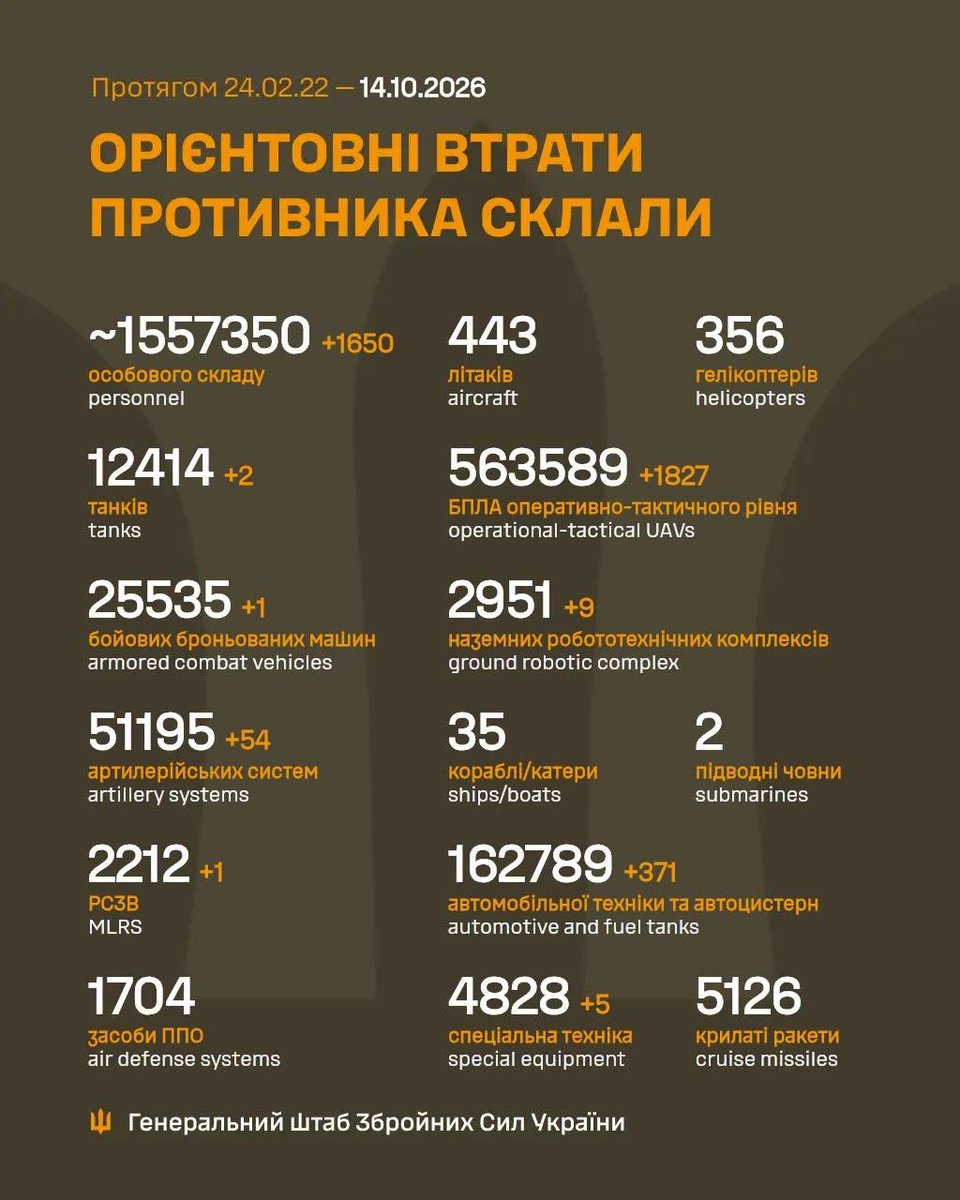
The Ukrainian General Staff released a daily update indicating that Russian forces suffered 1,650 fatalities in the Donbas region during a single day of combat. The report also listed the loss of 54 artillery pieces and 1,827 unmanned aerial vehicles (UAVs). The figures were posted on the Telegram channel monitor_the_situation at 05:04 UTC and are attributed to the Ukrainian General Staff. While independent verification is pending, the scale of the claimed losses marks the highest single‑day casualty count reported by Kyiv since the conflict began.
"Ukraine Reports Russian Losses: 1,650 Killed in a Day, plus substantial artillery and UAV losses," monitor_the_situation, 14 Oct 2026.
Ukrainian drone strike reaches deep into Russian territory
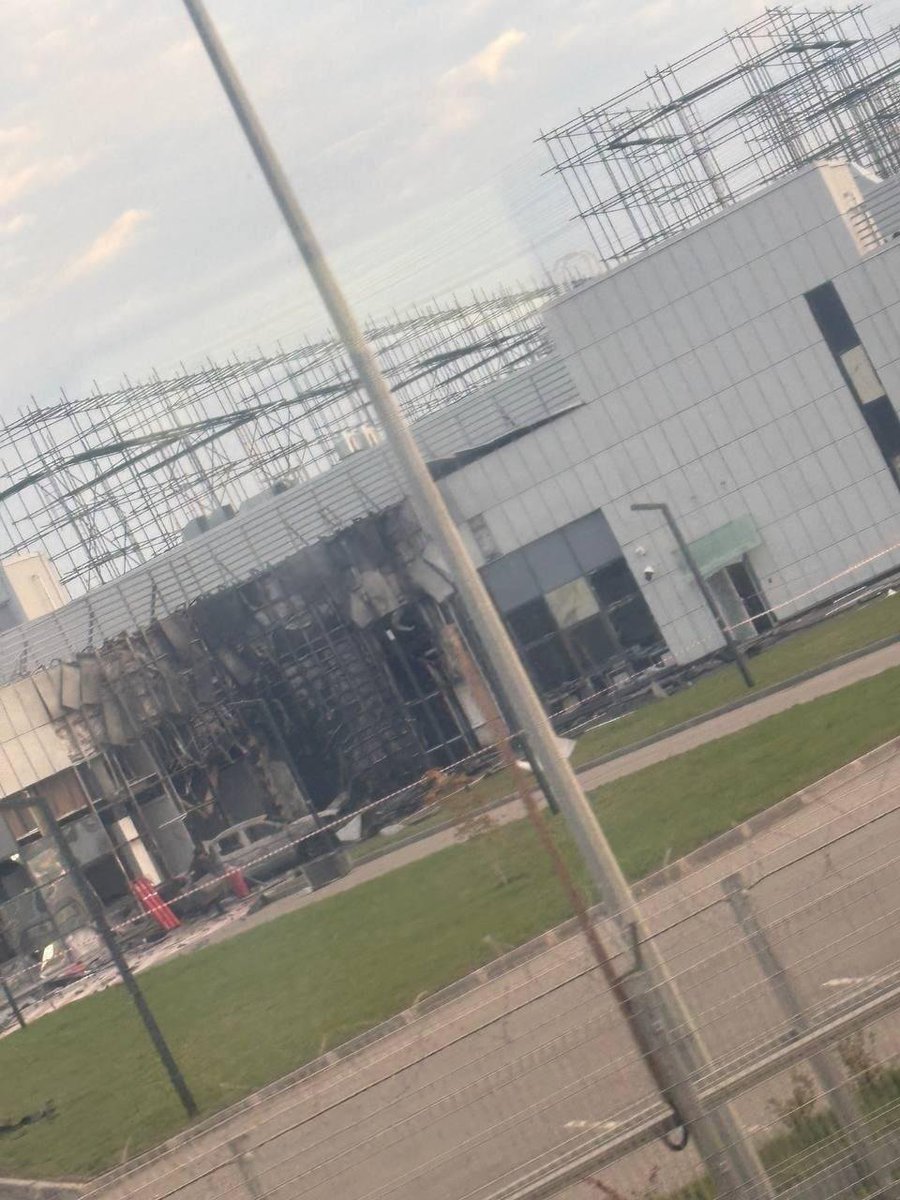
At 05:07 UTC Ukrainian combat drones penetrated more than 100 km into Russian airspace, striking the Saratov Oblast. The regional governor confirmed that the attack killed one civilian. A separate incident later that morning targeted a newly built Sberbank data centre in Balakovo, Saratov Oblast, where a drone collided with the front entrance, damaging computing infrastructure. Both events were reported by Al Jazeera and the Telegram channel monitor_the_situation, highlighting Kyiv’s expanding operational reach.
Russian large‑scale missile and drone offensive on Ukrainian energy grid
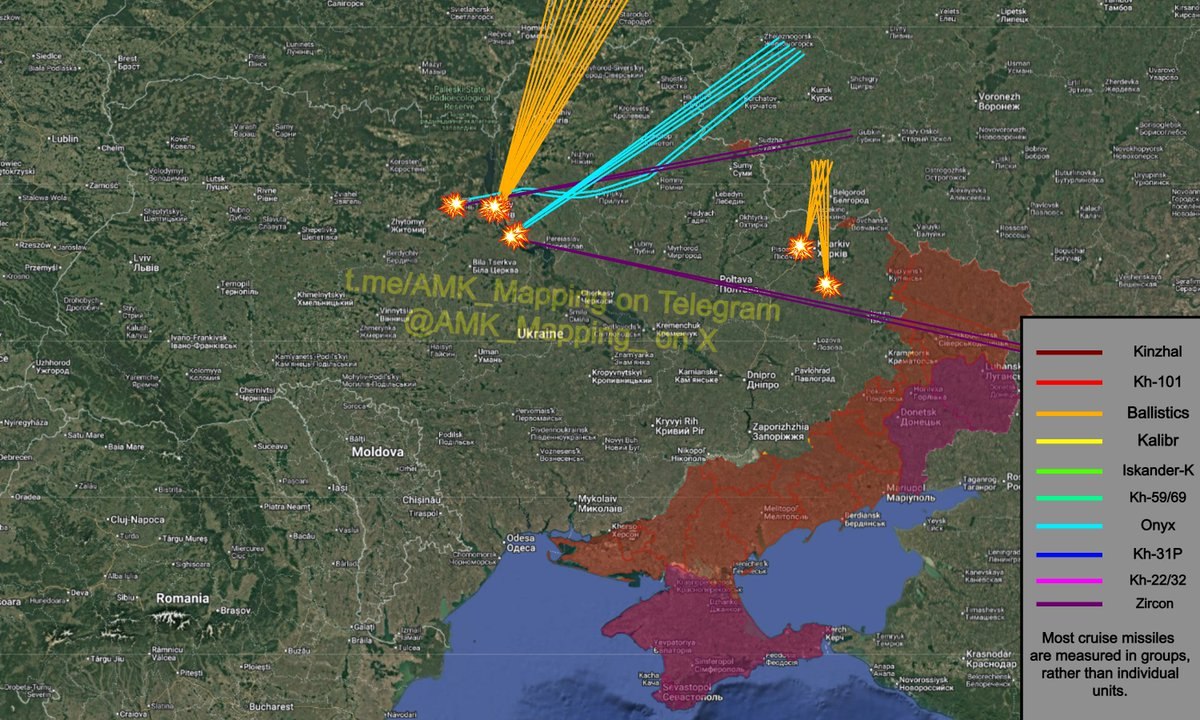
In the early hours of 14 October, Russia launched a coordinated missile and drone campaign against energy facilities in Kyiv and Kharkiv Oblasts. The arsenal included Iskander‑M ballistic missiles, modified S‑400 surface‑to‑air missiles repurposed for ground attack, and Oniks‑M cruise missiles, supplemented by swarms of attack drones launched from the Bryansk region. The strikes damaged power plants and substations, prompting widespread outages. The details were posted by monitor_the_situation at 03:24 UTC.
Intensified attacks on Kyiv and surrounding districts
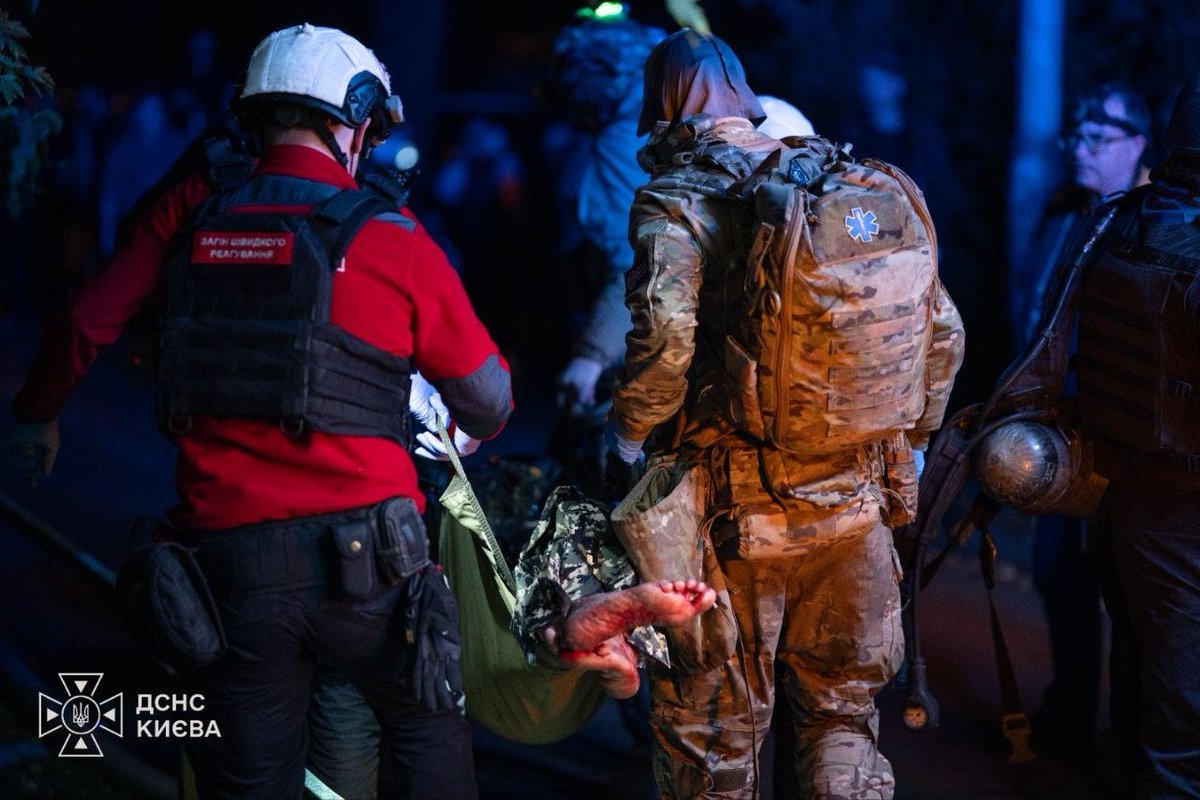
Russian rocket fire overnight hit Kyiv, killing three civilians and wounding twenty‑one, including a child. The most lethal impact occurred in the Desnianskyi district, where a high‑rise building was struck, while a separate fatality was recorded in the Holosiivskyi district. The State Emergency Service confirmed the casualties and ongoing rescue operations. The incident was documented by monitor_the_situation at 05:09 UTC.
Geran‑4/5 jet‑drone campaign across western Ukraine
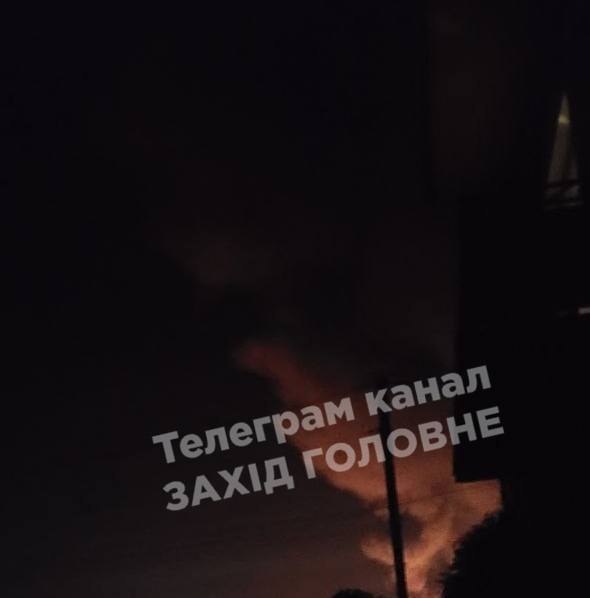
Russian Geran‑4/5 jet‑drones conducted prolonged attacks on several western Ukrainian cities. Explosions were reported near Rivne, Starokostyantyniv, Boyarka and Krasyliv, with the most visible damage in Rivne. In Zhmerynka, Vinnytsia Oblast, a Geran‑4/5 strike ignited a large fire at a locomotive depot, corroborated by NASA FIRMS satellite data. Northern Lutsk in Volyn Oblast also suffered a drone‑induced blaze. These incidents were reported by monitor_the_situation between 05:22 and 05:33 UTC.
Ukrainian counter‑drone operations
Russian air‑defence forces claimed to have intercepted 180 of 493 Ukrainian drones attempting to approach an unnamed city during the night. The statement, attributed to TASS and relayed by the Telegram channel intelslava at 05:29 UTC, illustrates Kyiv’s aggressive use of UAVs and the corresponding Russian defensive response.
The day's events demonstrate a reciprocal escalation: Russia intensifies missile and drone strikes on Ukrainian infrastructure, while Ukraine expands its drone operations into Russian heartland and claims substantial enemy losses. Both sides appear to be leveraging unmanned systems to achieve strategic effects beyond conventional artillery exchanges.