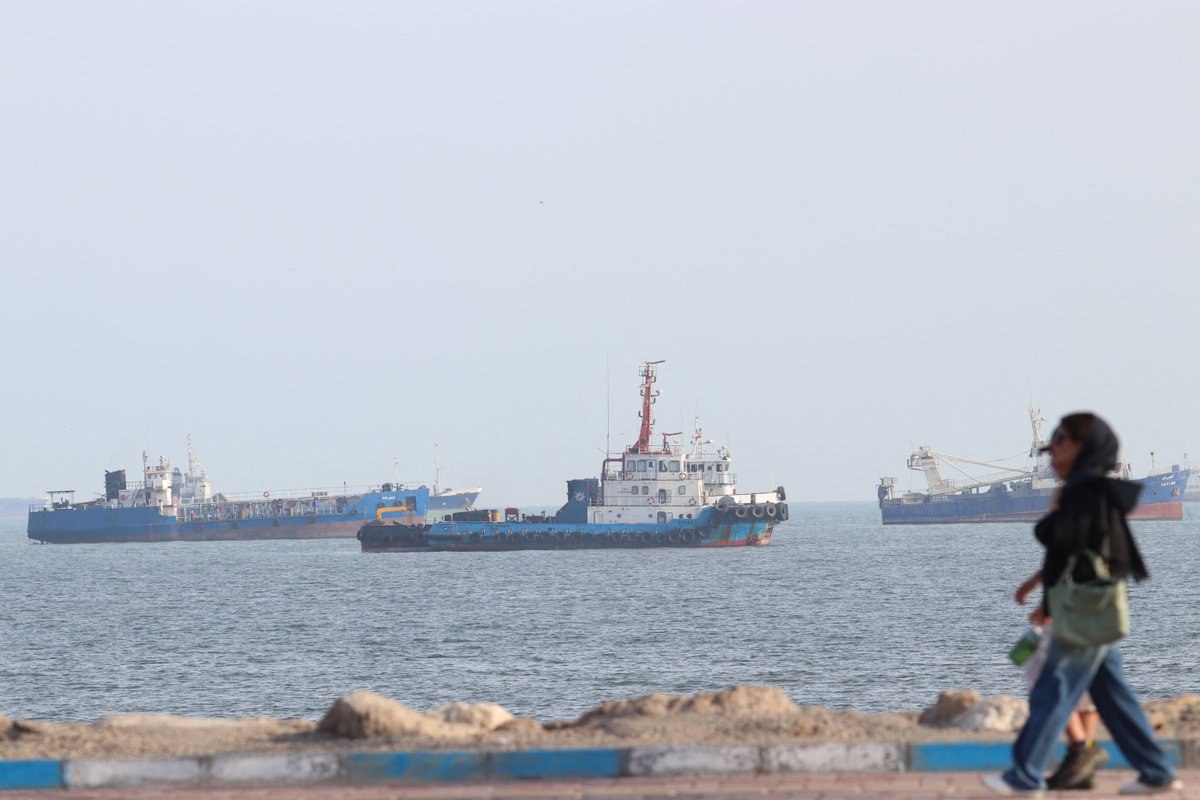
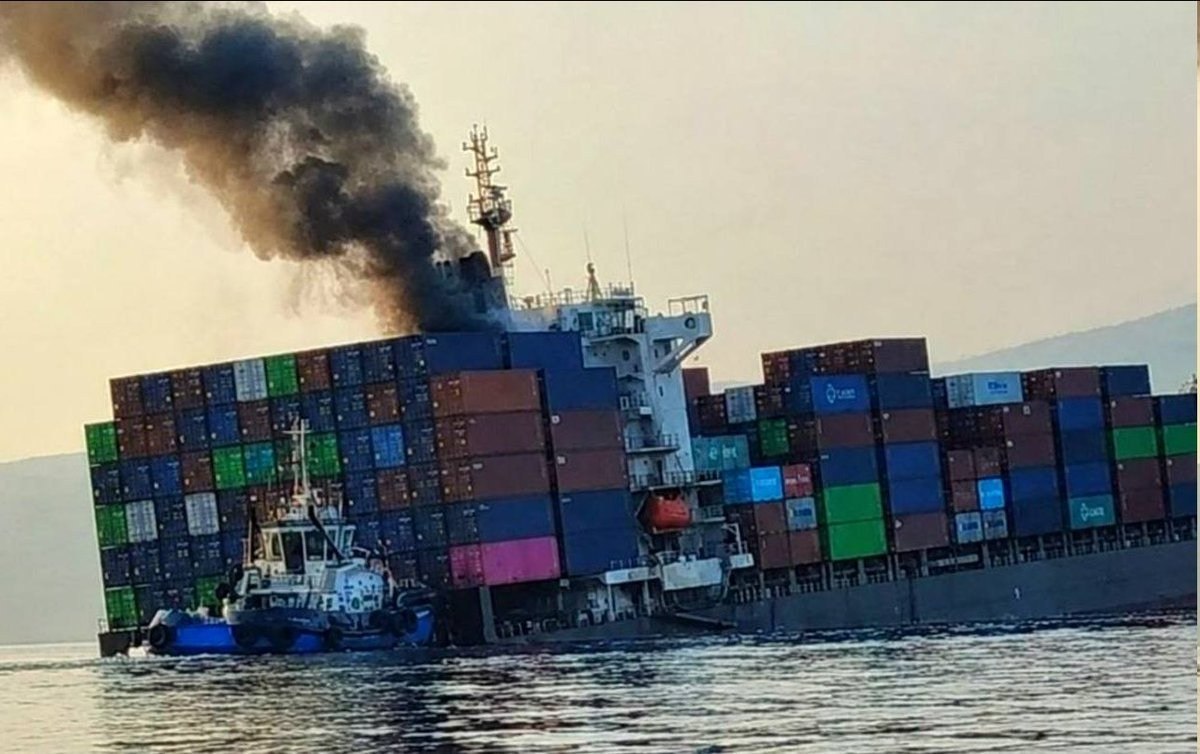
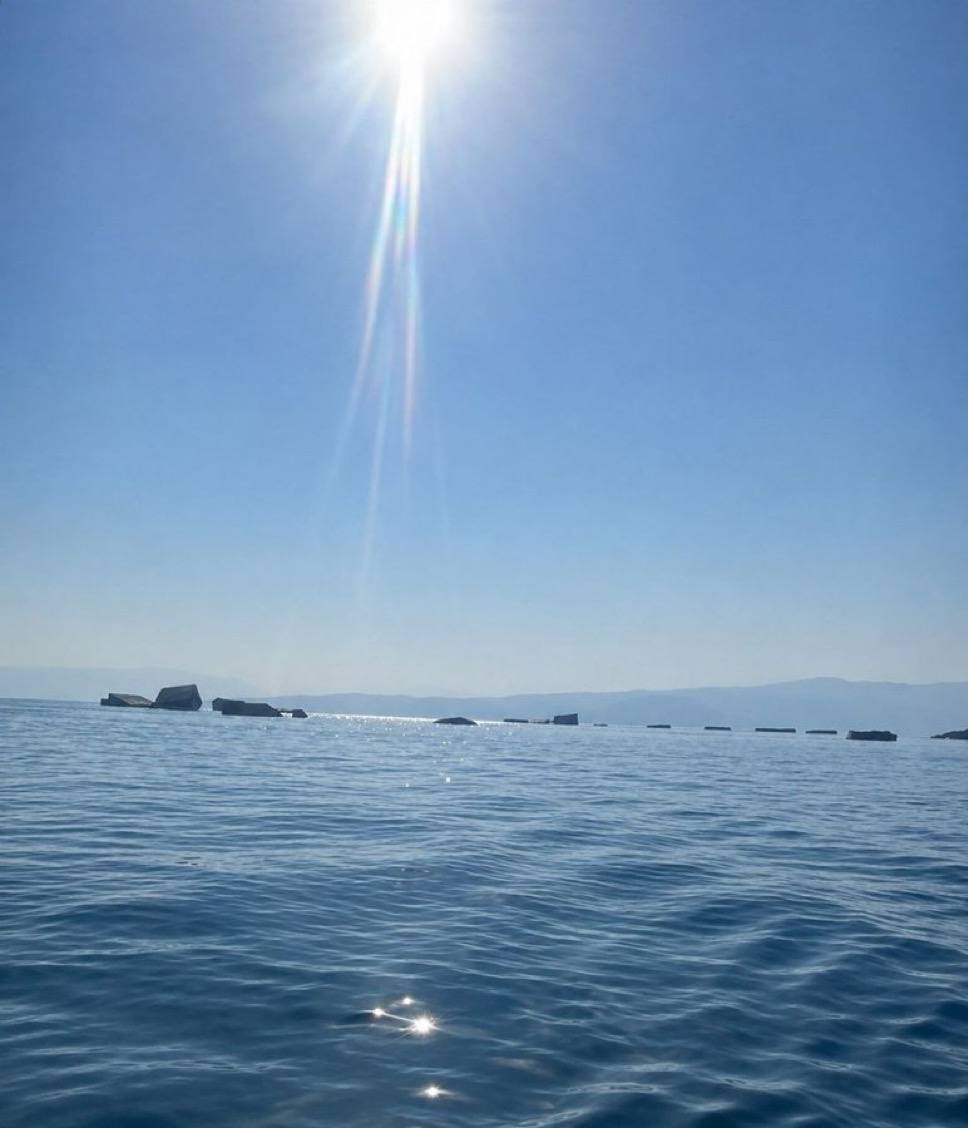
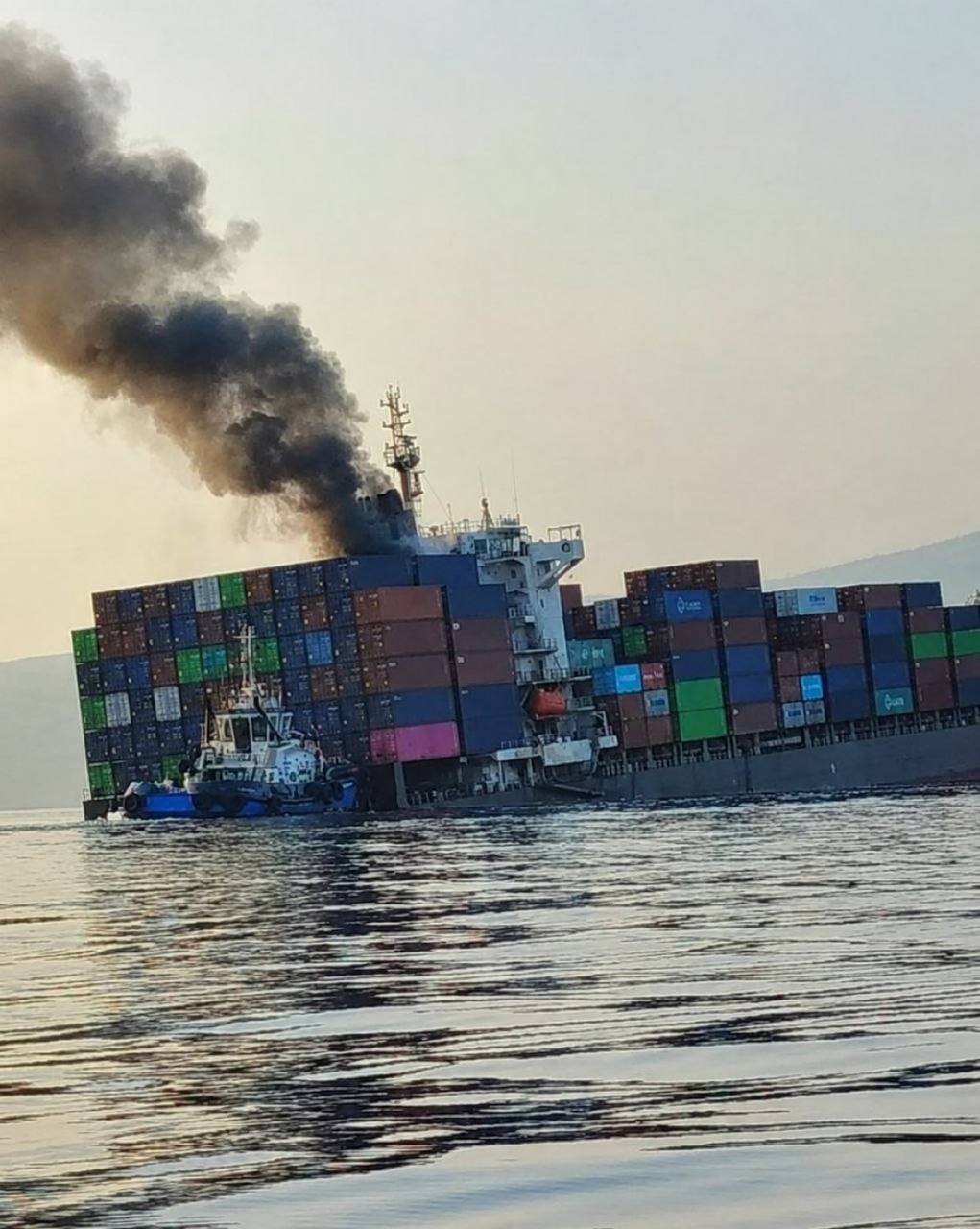
On 14 October 2026, two commercial vessels—GPS Pride and CAPE DAO—were reported sinking after being struck by Iranian projectiles in the Strait of Hormuz and the adjacent Gulf of Oman. The incidents, documented by the open‑source intelligence channel rnintel, represent the most severe kinetic event recorded in Iran on this date and underscore a rapid intensification of maritime hostilities that could disrupt international shipping and oil markets.
Details of the sinkings
According to rnintel, GPS Pride began taking on water in the narrowest part of the Strait of Hormuz shortly after 13:00 local time. Iranian authorities initially claimed the vessel attempted an unauthorized transit and triggered a sea mine, but a Reuters‑cited eyewitness account indicates the ship was hit by direct fire from Iranian‑mounted projectiles. CAPE DAO, a separate cargo carrier operating in the Gulf of Oman, suffered a similar fate later that afternoon, with crew members abandoning ship before it capsized. No official casualty figures have been released, but the rapid sinking of both vessels suggests a high probability of injuries among crew members.
"The GPS Pride was hit by what appears to be a guided projectile, not a mine," a Reuters correspondent wrote, confirming the Iranian claim of deliberate fire.
Both sinkings occurred within a span of less than two hours, highlighting coordinated use of kinetic weapons against commercial traffic. The events were captured in a photo released by rnintel (https://t.me/rnintel/67680).
Broader naval activity in the Strait
Iran’s naval posture in the Strait of Hormuz has escalated sharply throughout the day. At 11:16, Al Jazeera reported that Tehran increased surveillance after a surge in attacks that threatened oil flows. By 13:30, monitor_the_situation noted the deployment of small, unarmed spotter boats to locate targets following U.S. strikes that damaged Iran’s radar network. These boats, while non‑lethal, serve as forward observers for artillery and missile units, effectively extending Iran’s detection envelope in the congested waterway.
Additional incidents corroborate a pattern of aggressive engagement. At 10:32, GeoPWatch documented an attack on the vessels GFS PRIDE and ALFONSO, resulting in the sinking of GFS PRIDE in Omani waters—identified as the second sinking after CAPE DAO. Later, at 09:19, the IRGC announced a container ship carrying 2,500 containers had sunk in the southern Strait, prompting warnings to avoid floating cargo. The United Kingdom Maritime Trade Operations (UKMTO) simultaneously reported a container ship and an oil tanker struck in the area, though details remain unconfirmed.
Missile activity on land and sea
Iran’s kinetic operations extended beyond the waterway. At 07:06, monitor_the_situation reported a ballistic missile test launch from Marand Industrial Town in East Azerbaijan Province. The launch, timed at 0350 Z (07:20 local), was part of a scheduled test series and was not linked to any immediate threat, but it demonstrates Tehran’s continued development of medium‑range strike capabilities.
Later in the day, at 16:31, monitor_the_situation recorded the launch of anti‑ship missiles from Qeshm Island toward the Strait of Hormuz, followed by an explosion reported by UKMTO. While the UKMTO has not yet confirmed the impact, the launch indicates a willingness to employ sea‑skimming missiles against maritime targets, potentially complicating navigation for commercial vessels.
Ground‑level kinetic incidents
Iran’s internal security environment also saw lethal kinetic events. At 16:22, Al Jazeera reported the killing of two security officials near the strategic Chabahar port in Sistan‑and‑Baluchestan Province, attributing responsibility to foreign‑backed terrorist groups. Earlier, at 10:29, GeoPWatch confirmed the death of an IRGC commander in clashes with Baloch opposition forces in Mehrestan, underscoring the volatile security situation in Iran’s southeastern provinces.
Strategic context and potential impact
Iran’s intensified attacks appear calibrated to influence global oil prices ahead of the United States midterm elections. rnintel cited a statement from Tehran indicating a deliberate strategy to keep oil prices high by targeting shipping in the Strait of Hormuz, a critical chokepoint that transports roughly 20 % of the world’s petroleum. The timing aligns with heightened political stakes in Washington, where energy market stability is a key electoral issue.
From a tactical perspective, the combination of projectile strikes, anti‑ship missile launches, and the use of spotter boats suggests a layered approach: initial detection by small craft, followed by precision fire from coastal batteries or fast‑attack platforms. The sinking of two vessels within hours demonstrates the effectiveness of this doctrine when applied against unarmed commercial traffic.
International response remains measured. While the United Kingdom’s maritime authority has issued advisories, no coordinated naval escort has been deployed by NATO or allied forces. The United States has not publicly confirmed any direct engagement, though the presence of U.S. naval assets in the Gulf is well‑documented.
Implications for maritime security
Stakeholders in global trade should anticipate heightened risk in the Strait of Hormuz for the foreseeable future. Vessels transiting the waterway may face projectile attacks, missile strikes, or collateral damage from nearby explosions. Insurance premiums for ships operating in the region are likely to rise, and rerouting decisions could shift traffic to longer, costlier routes around the Cape of Good Hope.
Monitoring agencies, including Reuters, Al Jazeera, GeoPWatch, and rnintel, continue to provide real‑time updates. Their reports collectively illustrate a coordinated Iranian effort to leverage kinetic force across maritime, aerial, and ground domains.