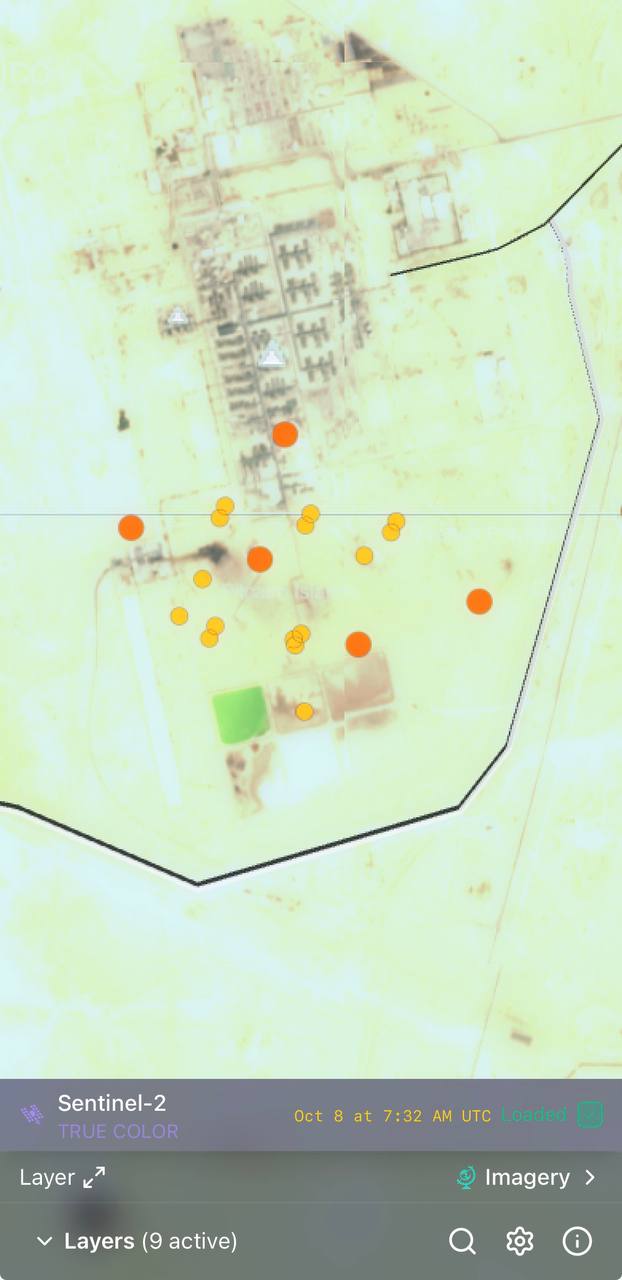
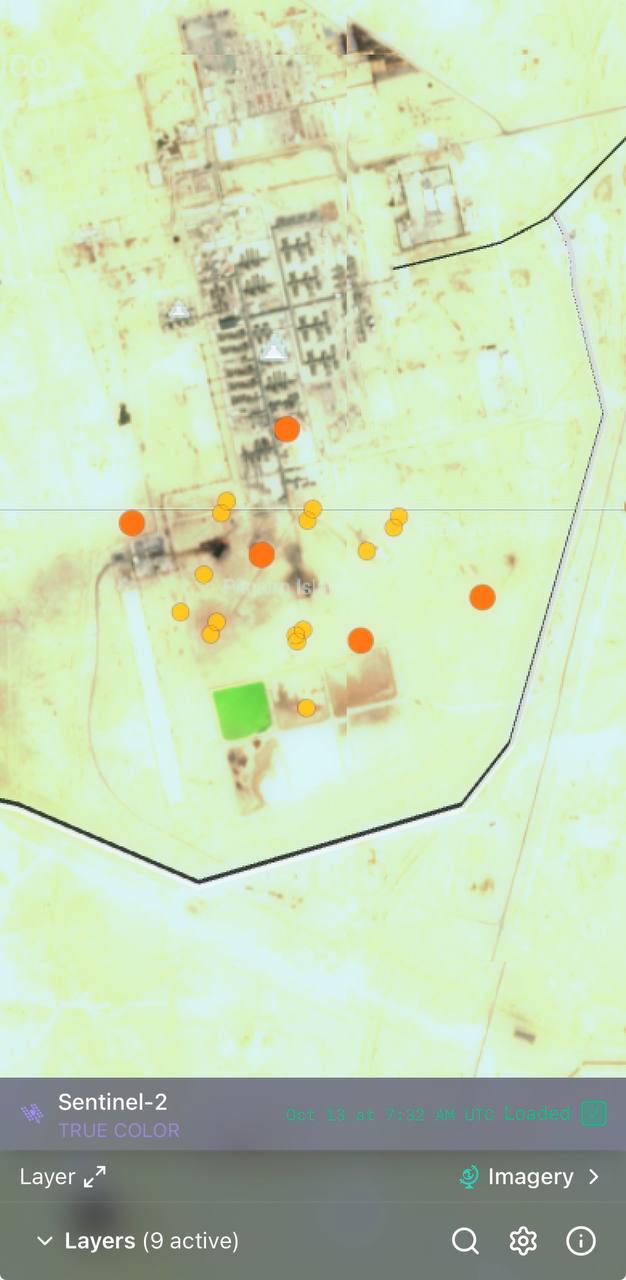
At 02:32 GMT on 14 October 2026, Houthi‑launched missiles struck an Aramco facility in Dhahran, igniting a fire and sending debris that wounded four civilians in Riyadh. The attack, reported by the monitoring channel monitor_the_situation, marks the most lethal single incident of the day and underscores a rapid escalation in the Houthi campaign against Saudi energy assets.
Houthi missile strikes on Saudi Aramco infrastructure
The Dhahran incident involved multiple missiles intercepted by Saudi air defenses; fragments that fell over Riyadh caused four injuries, though no fatalities were reported. According to the source, the missiles also triggered a blaze at the Aramco building, prompting an emergency response from local fire services. The same day, two additional Houthi‑affiliated projectile attacks were documented:
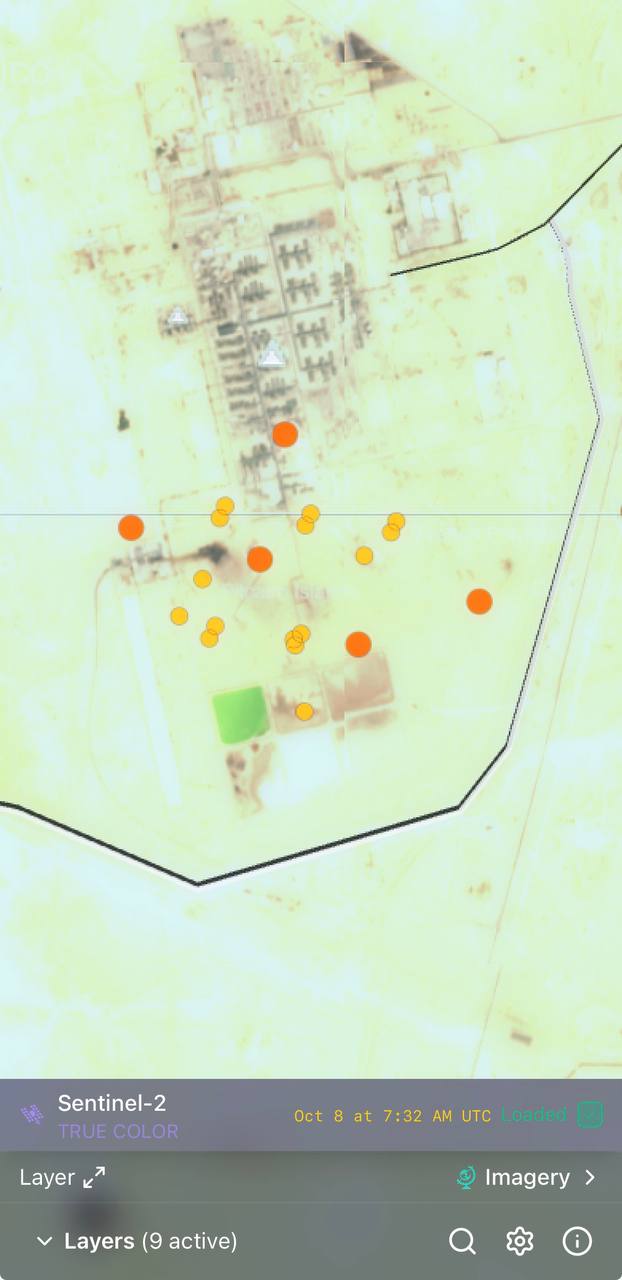
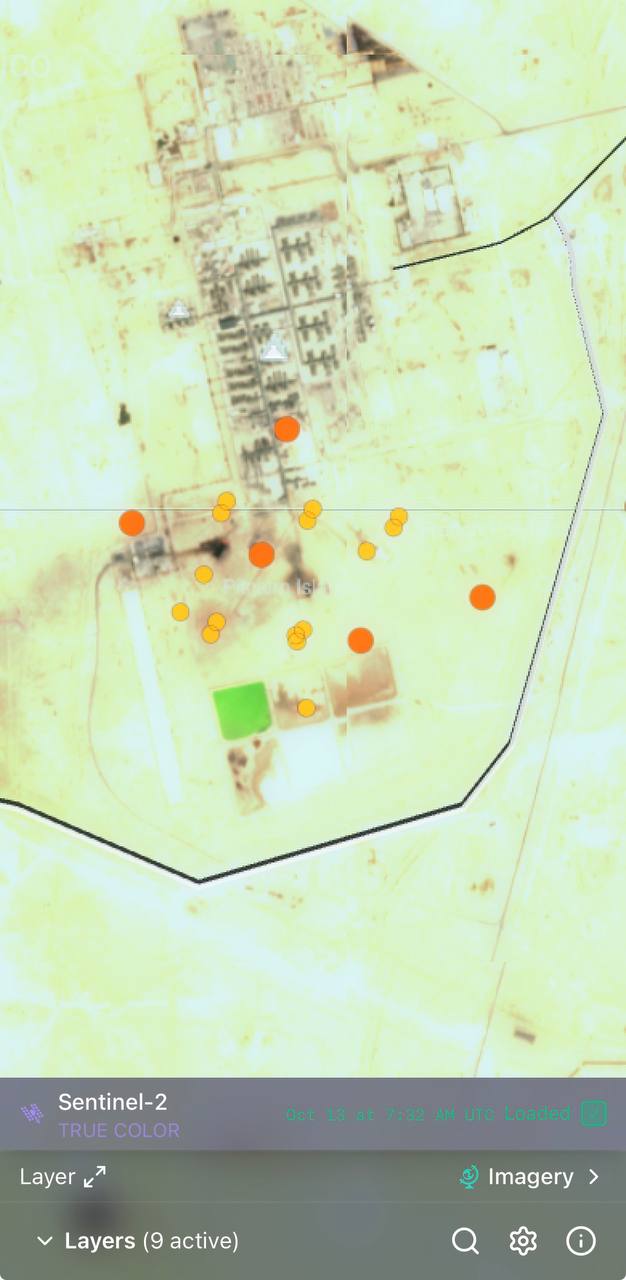
"BREAKING: Saudi Aramco’s Shedgum Gas Plant in Al‑Ahsa, eastern Saudi Arabia, has been struck by Ansarullah projectiles. Visual confirmation from minimap.technology shows plumes of smoke rising from the facility today." – CIG_telegram, 00:43 GMT
The Shedgum Gas Plant, located in the Al‑Ahsa region, suffered damage to its processing units, though the operator reported no immediate shutdown of gas output. A second strike targeted the Ghawar Oil Field, the world’s largest onshore oil reservoir, also in Al‑Ahsa. The rnintel channel confirmed smoke plumes emanating from the field at 00:40 GMT, indicating successful impact of the projectiles.
All three attacks employed rockets or projectiles identified as Houthi‑manufactured or supplied by the Ansarullah network, a front organization of the Houthi movement. The weapons used were unguided rockets and short‑range projectiles, but their precision in striking high‑value facilities suggests improved targeting capabilities, possibly aided by external technical assistance.
Saudi‑led coalition response and reciprocal strikes
In a parallel development, the Saudi‑led coalition conducted airstrikes against Houthi positions in Yemen earlier that morning. The AlJazeera live‑blog reported that coalition aircraft targeted what were described as “vital Houthi assets” and, in the process, a Saudi Aramco building in Dhahran was also hit. While the coalition’s official statement framed the strike as a defensive measure against Houthi aggression, the collateral damage to the Aramco structure highlights the intertwined nature of the conflict’s kinetic and economic dimensions.
The coalition’s use of precision‑guided missiles contrasts with the Houthi’s reliance on less sophisticated rockets, yet both sides have demonstrated a willingness to accept civilian risk to achieve strategic objectives. The four injuries in Riyadh, though limited, illustrate the broader threat to civilian populations when missile trajectories intersect densely populated areas.
Ground advances in Yemen: Houthi forces near Taiz
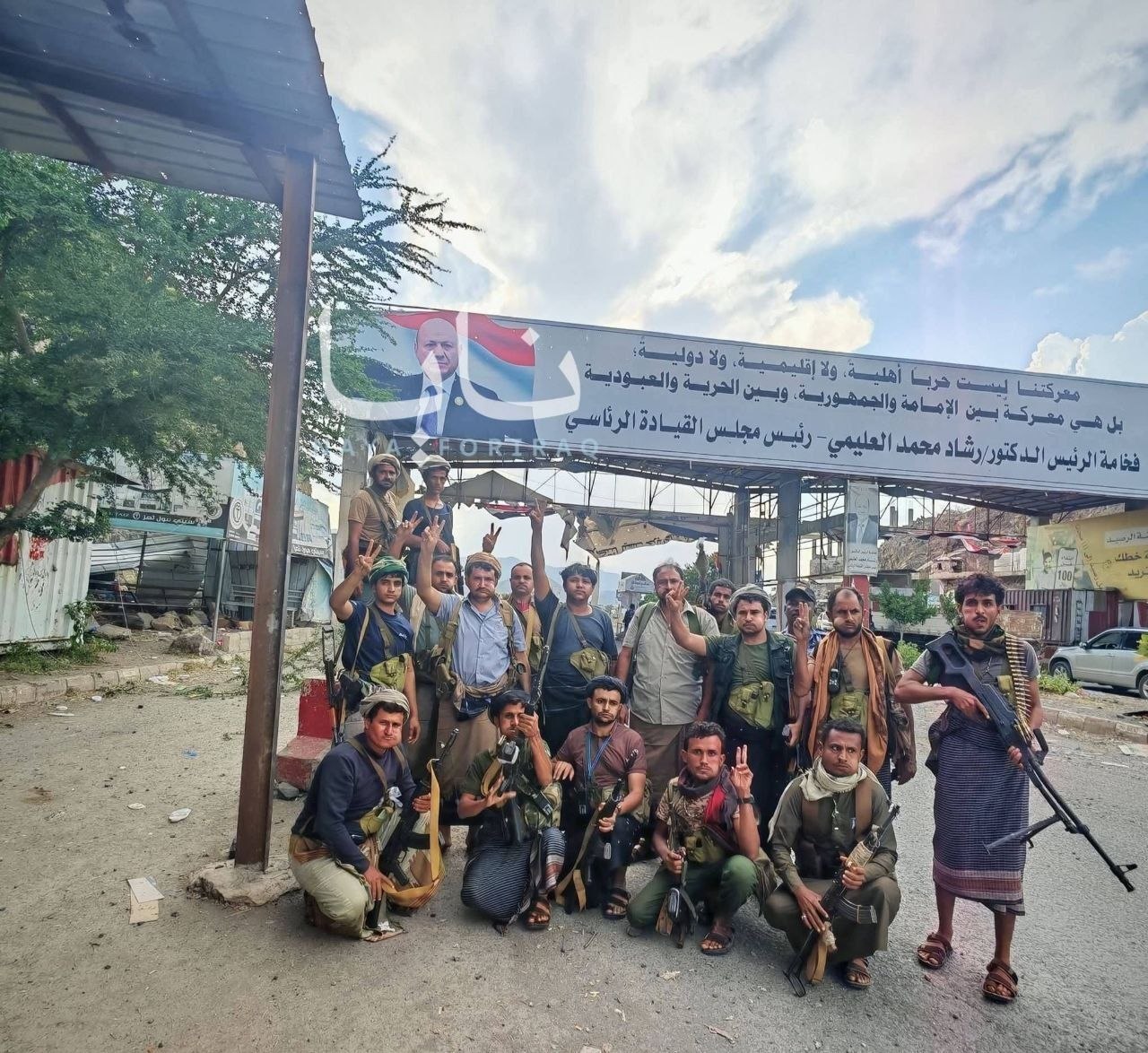
Beyond the aerial dimension, intelligence from the intelslava channel at 05:48 GMT indicated that Houthi forces have moved to the outskirts of Taiz, Yemen’s third‑largest city. The report cited online materials from “Ansar Allah” supporters confirming the presence of Houthi units on the city’s periphery, suggesting a coordinated push to capture the urban center. No direct combat casualties were reported in the initial movement, but the strategic significance of Taiz—situated on a key north‑south axis—means that control of the city could facilitate further advances toward the coastal plain and potentially threaten supply routes to the Red Sea.
Analysts note that the timing of the ground movement coincides with the intensified missile campaign against Saudi oil infrastructure, indicating a multi‑theater strategy designed to stretch Saudi defensive resources. The Houthi command appears to be leveraging both kinetic strikes and territorial gains to increase bargaining power in any prospective negotiations.
Regional ripple effects: Iran’s new tactics in the Strait of Hormuz
While the Yemen‑Saudi front dominates today’s headlines, the broader regional context includes Iran’s declaration of new tactics to target shipping in the Strait of Hormuz. A report from monitor_the_situation at 00:59 GMT quoted two senior Iranian officials stating that Iran is adopting “new tactics to attack ships” in the strait to keep oil prices elevated ahead of the United States mid‑term elections.
"Iran is deploying new tactics to target ships in the Strait of Hormuz to keep oil prices high and influence US midterm elections," – senior Iranian officials, monitor_the_situation, 00:59 GMT
Although no incidents were recorded on 14 October, the statement signals a willingness to exploit global energy markets amid the Yemen conflict. The convergence of Houthi attacks on Saudi oil facilities and Iranian posturing in the Hormuz corridor could amplify price volatility and complicate diplomatic efforts to de‑escalate the region.
Analytical assessment
The coordinated missile strikes on Dhahran, Shedgum, and Ghawar represent a deliberate escalation by the Houthi movement, targeting the economic lifelines of Saudi Arabia. The attacks demonstrate an operational shift from sporadic missile launches to synchronized, multi‑site operations capable of overwhelming air‑defense systems and causing material damage across a wide geographic area.
Simultaneously, the Saudi‑led coalition’s reciprocal strikes underscore the risk of escalation spiraling into broader confrontations, especially as both sides appear prepared to accept collateral damage. The ground advance toward Taiz adds a territorial dimension that could further destabilize Yemen’s fragile security environment.
Iran’s rhetorical escalation in the Strait of Hormuz, while not yet materialized, introduces an additional strategic lever that could be employed to pressure global oil markets. The convergence of these dynamics suggests a heightened risk of regional spillover, with potential implications for international energy security and diplomatic initiatives aimed at conflict resolution.