On 14 October 2026 Saudi Arabia experienced a concentrated series of kinetic events, the most consequential being a ballistic missile strike on King Khalid International Airport in Riyadh. The attack, claimed by the Yemen‑based militant group Ansarallah, coincided with a broader pattern of missile launches targeting strategic energy and transport infrastructure, as well as a rapid succession of defensive interceptions by Saudi and coalition forces.
Airport Attack and Immediate Impact
At 17:56 local time, Ansarallah announced that a ballistic missile had struck King Khalid International Airport, causing vehicle damage and dozens of casualties. The group also reported launching three additional ballistic missiles toward PLC forces operating in the Ras al‑Ara and al‑Mudhariba areas near the Bab al‑Mandeb strait. The claim was disseminated via the CIG_telegram channel, which posted the following statement:
🇾🇪❌🇸🇦🇾🇪 — Ansarallah announces targeting King Khalid Intl. Airport, Riyadh with a ballistic missile, claiming the strike impacted.
While independent verification of casualty numbers remains pending, Saudi civil‑defence sources confirmed multiple injuries and damage to ground support vehicles. The incident marks the first confirmed ballistic missile impact on a major civilian airport in the kingdom since the escalation of cross‑border hostilities in early 2026.
Aramco Headquarters Sustains Severe Damage
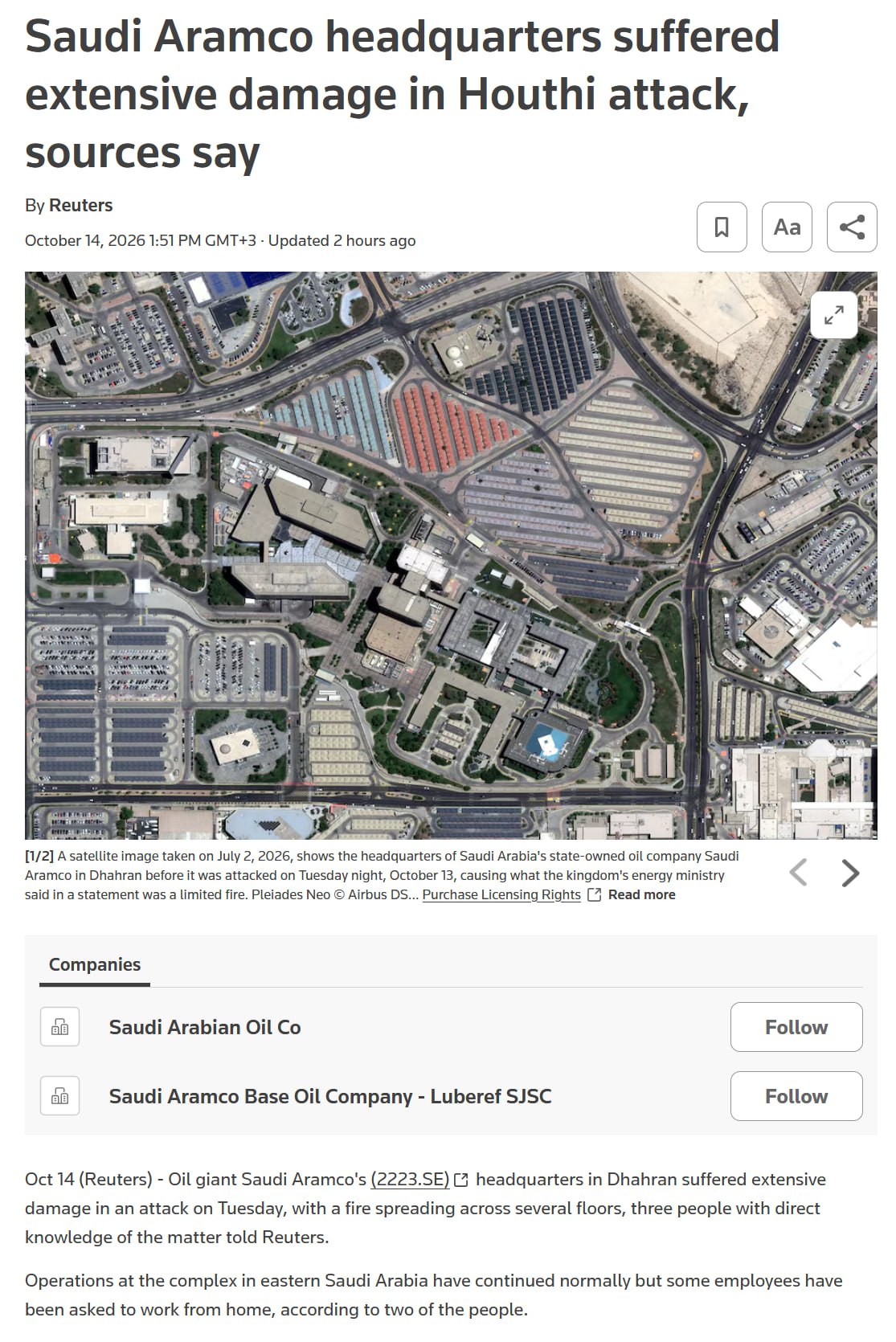
Earlier in the day, at 13:51, a separate missile attack struck the headquarters of Saudi Aramco in Dhahran. Reuters, cited by the CIG_telegram feed, reported “extensive damage” to the complex following the strike. A subsequent report from rnintel at 11:07 confirmed that multiple floors caught fire, necessitating a full evacuation of the building. Photographic evidence accompanying the CIG_telegram post showed smoke billowing from the structure, and the Saudi Ministry of Energy later announced that operations at the site would be temporarily suspended while damage assessments were conducted.
Reuters reports that the ARAMCO HQ in Dhahran, Kingdom of Saudi Arabia, has suffered "extensive damage" after the Ansarallah missile attack last night.
No fatalities were reported in Dhahran, but the incident underscores the vulnerability of high‑value energy assets to long‑range missile threats.
Air‑Defense Interceptions and Civilian Harm
Saudi Arabia’s layered air‑defence architecture responded to multiple inbound threats throughout the day. At 13:00, a THAAD interceptor successfully engaged a ballistic missile over Riyadh. However, debris from the interception struck a civilian vehicle, injuring a resident and causing limited damage to a nearby home. Civil Defence officials confirmed a single injury and emphasized that the debris impact was an unintended consequence of the defensive action.
Additional interceptions were recorded by the Saudi‑led coalition and national civil‑defence authorities. At 11:39, Al Jazeera reported that coalition forces shot down a Houthi‑launched missile aimed at Riyadh, with no casualties. Earlier, at 08:58, GeoPWatch documented the interception of ballistic missiles launched by Ansarullah toward the capital. A further interception at 07:42, reported by monitor_the_situation, involved a Houthi‑fired ballistic missile that was destroyed before impact.
Explosions, Alerts, and Unexplained Blasts
At 08:02, monitor_the_situation relayed reports of explosions in Riyadh that triggered air‑raid alerts for the city and the adjacent Kharj province. The source of these blasts was not immediately identified, and no casualties were reported. The alerts prompted a city‑wide activation of the national early‑warning platform, illustrating the heightened state of alert across Saudi civil‑defence networks.
Coordinated Missile Campaign from Yemen
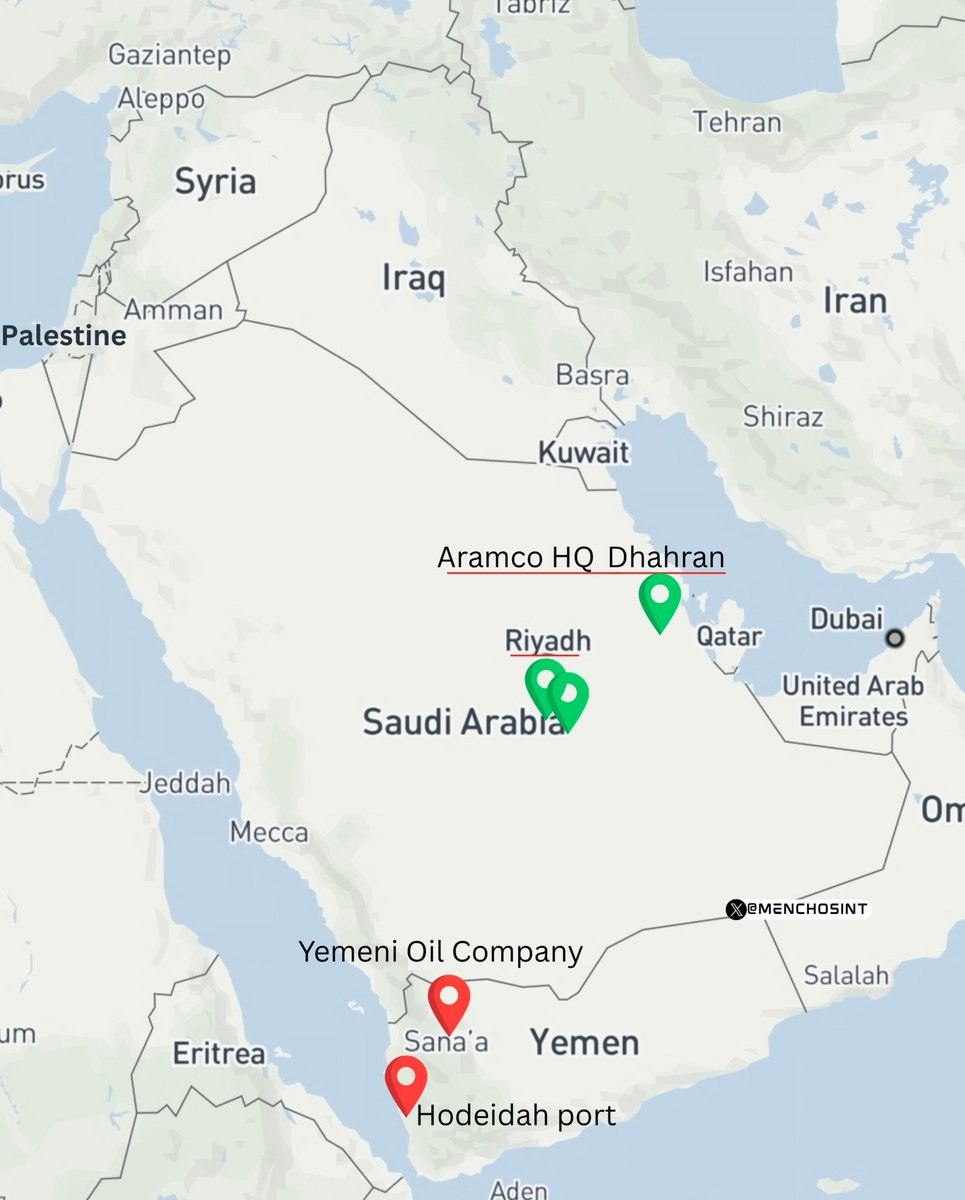
Monitor_the_situation also detailed a coordinated launch at 08:46 in which AnsarAllah fired ballistic and cruise missiles, as well as drones, at three Saudi targets: the Aramco refinery, the Riyadh airport, and the Aramco headquarters in Dhahran. The salvo followed a series of Saudi airstrikes on oil depots in Sana’a and Hodeidah, suggesting a retaliatory motive. Photographs accompanying the report showed smoke plumes over the refinery and damage to the airport perimeter.
Operational Context and Strategic Implications
The concentration of kinetic events on 14 October reflects an escalation in the use of medium‑range ballistic systems by non‑state actors operating from Yemen. Ansarallah’s ability to launch multiple missiles and drones within a short window indicates access to a diversified arsenal, likely supplied through regional proxy networks. Saudi Arabia’s reliance on THAAD and coalition‑wide interceptors demonstrates a robust defensive posture, yet the civilian injury caused by interceptor debris highlights the trade‑offs inherent in high‑altitude missile defense.
From an operational perspective, the attacks on critical energy infrastructure and a major international airport aim to disrupt economic activity and erode public confidence in the kingdom’s security guarantees. The rapid interception of several missiles, however, limited the potential for higher casualty figures and broader infrastructural collapse.
Outlook
Continued monitoring of missile trajectories, launch sites in Yemen, and the effectiveness of Saudi air‑defence assets will be essential for assessing the trajectory of this conflict. The events of 14 October underscore the importance of integrated early‑warning systems and the need for contingency planning to mitigate collateral damage from defensive interceptions.