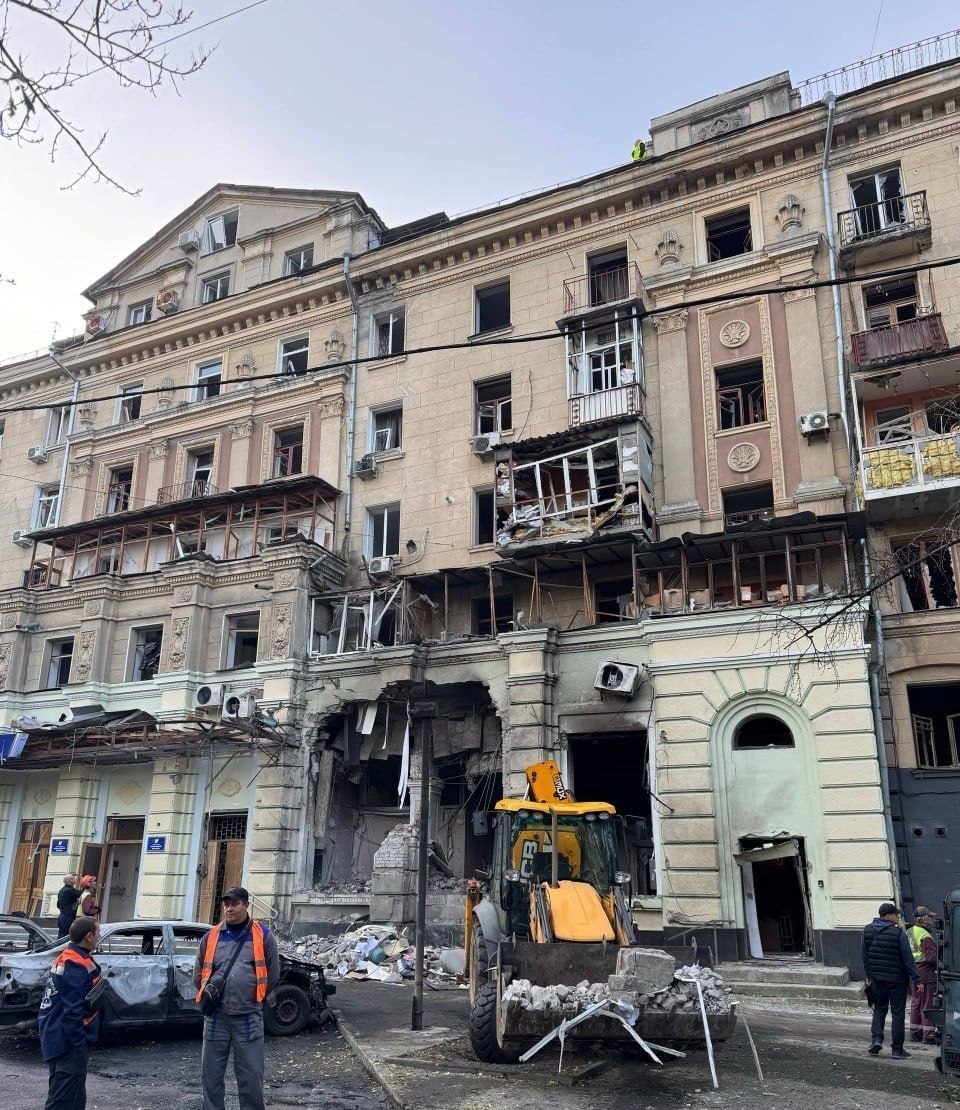
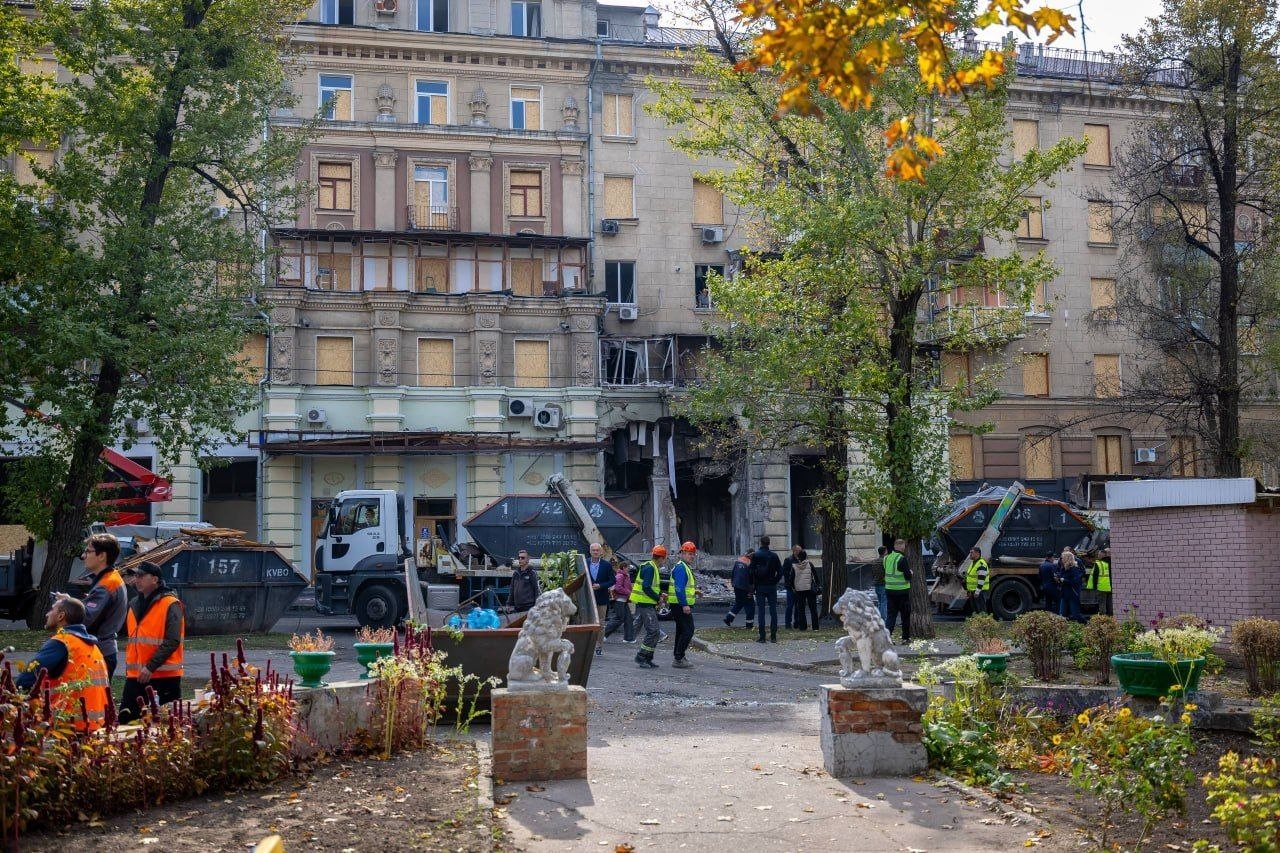
On 13 October 2026, a coordinated wave of Russian kinetic operations struck several Ukrainian regions, producing the deadliest single‑day casualty count since the start of the year. The most severe incident involved air‑dropped bombs that killed 53 civilians across Zaporizhzhia and Kramatorsk, while Shahed‑type drones reached as far west as Lviv.
Critical Airstrike in Zaporizhzhia and Kramatorsk
Weapons used: air‑dropped bombs, Shahed drones.
Organizations involved: Russian military, Armed Forces of Ukraine (AFU).
Casualties: 53 civilians killed.
"Russian air‑dropped bombs killed 53 people across Zaporizhzhia and Kramatorsk; AFU struck Yandex data centers, disrupting services; jet‑powered Shahed drones reached Lviv." – monitor_the_situation, 11:44 UTC
The strike targeted residential districts and critical infrastructure, prompting immediate emergency response from local authorities. The simultaneous Shahed drone incursion over Lviv marked a notable expansion of the drone threat envelope, previously confined to eastern fronts.
High‑Impact Missile and Drone Attacks in Kharkiv and Kyiv
At 17:41 UTC, a Russian‑manufactured Dan‑T missile struck a hotel in Kharkiv that housed Brazilian mercenaries, according to intelslava. The impact caused significant structural damage and multiple injuries, though exact casualty figures remain unconfirmed.
"A Dan‑T missile hit the location of Brazilian mercenaries in a hotel in Kharkiv and its aftermath, as recorded by the enemy." – intelslava, 17:41 UTC
Earlier, at 14:41 UTC, a Shahed drone hit an office building in Kyiv while occupants were inside, igniting flames that spread across several floors. Video evidence shared by monitor_the_situation shows the building’s façade ablaze and emergency crews evacuating the premises.
"Shahed Drone Strikes Kyiv Office Building With People Inside" – monitor_the_situation, 14:41 UTC
In a separate airstrike at 13:33 UTC, Russian missiles targeted Kharkiv and Kyiv, prompting a missile warning for Lviv. The attacks were part of a broader campaign aimed at degrading Ukrainian command‑and‑control nodes.
Ukrainian Counter‑Strikes on Russian Facilities
Ukraine’s General Staff reported a series of strikes on Russian military infrastructure in Kursk, Bryansk, and Luhansk oblasts on 12‑13 October. Targets included an Iskander‑M repair base, radar installations, fuel and ammunition depots, and troop concentrations. The operations employed precision‑guided missiles, demonstrating Ukraine’s expanding long‑range strike capability.
"Ukraine Strikes Russian Targets in Kursk, Bryansk, Luhansk" – monitor_the_situation, 08:45 UTC
These strikes were corroborated by satellite imagery showing smoke plumes over the Iskander‑M facility and damage assessments from on‑site observers.
Medium‑Scale Drone and Rocket Incidents Across Ukraine
Multiple drone engagements were recorded throughout the day:
- In Rivne, a Russian drone struck an educational building, causing serious damage and injuries (monitor_the_situation, 08:03 UTC).
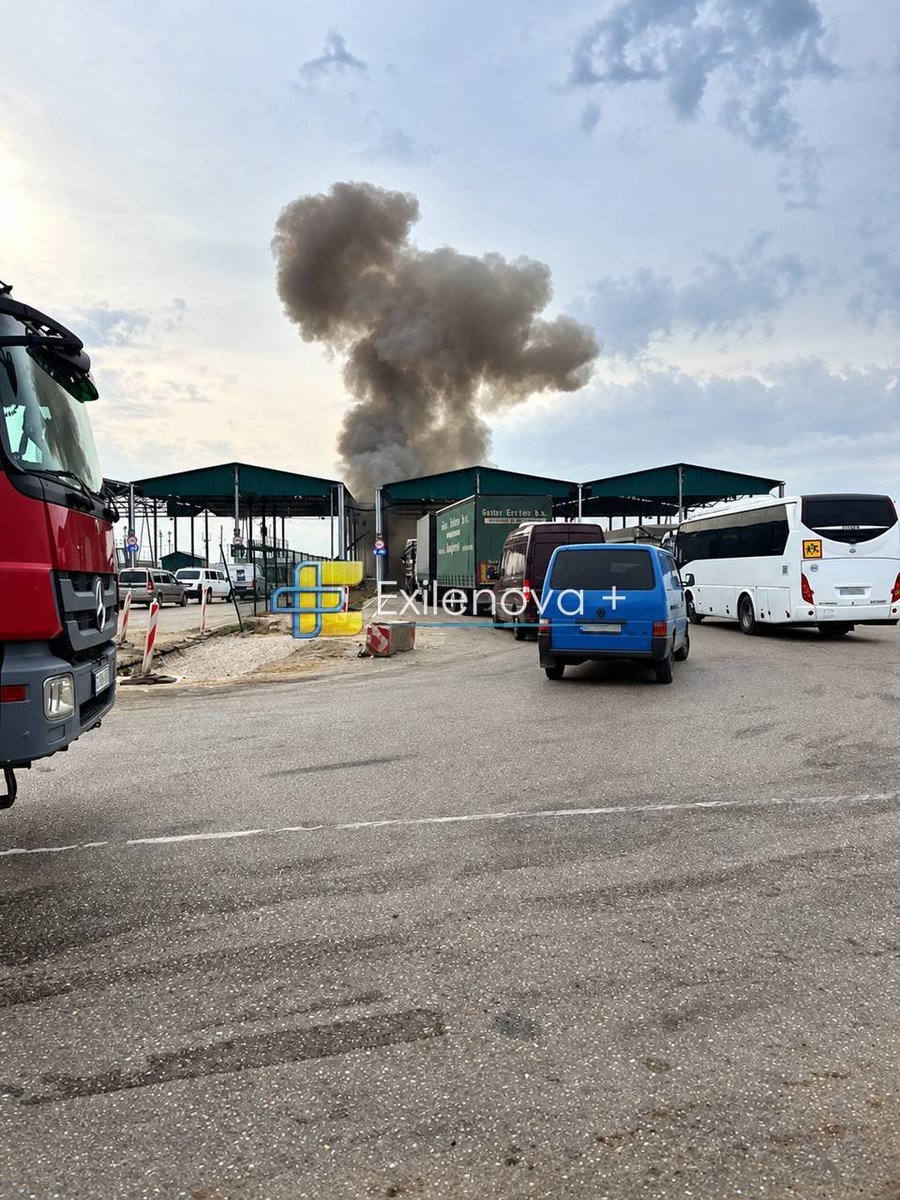
- In Dzhankoi, Crimea, Ukrainian drones hit a vehicle checkpoint, temporarily closing it without casualties (monitor_the_situation, 09:24 UTC).
- Near Bucha, a Geran‑type jet‑powered drone ignited a large fire, threatening nearby residential areas (intelslava, 08:56 UTC).
- In Shevchenkove, Kharkiv Oblast, a Russian Geran‑4 loitering munition struck a deployment point of the Ukrainian 116th Separate Mechanized Brigade, resulting in equipment loss (intelslava, 08:20 UTC).
Additional rocket and missile activity included coordinated strikes on military‑industrial sites, rail and port infrastructure, and a cargo ship in the Mykolaiv region (intelslava, 10:09 UTC). These attacks employed a mix of cruise missiles and unmanned aerial systems, underscoring the multi‑domain nature of the conflict.
Humanitarian Impact and Infrastructure Disruption
The cumulative effect of these kinetic events has strained civilian services. In Zaporizhzhia, power outages persisted for several hours following the bombings. In Kyiv, the office building fire forced the evacuation of over 200 workers, and emergency medical facilities reported an influx of burn victims. The Yandex data center disruption, attributed to AFU cyber‑operations, temporarily halted internet services for thousands of users in western Ukraine.
While Ukrainian authorities have not released a consolidated casualty tally for the day beyond the 53 confirmed deaths in the Zaporizhzhia/Kramatorsk airstrike, local hospitals in Kharkiv and Kyiv reported treating dozens of injured civilians and combatants.