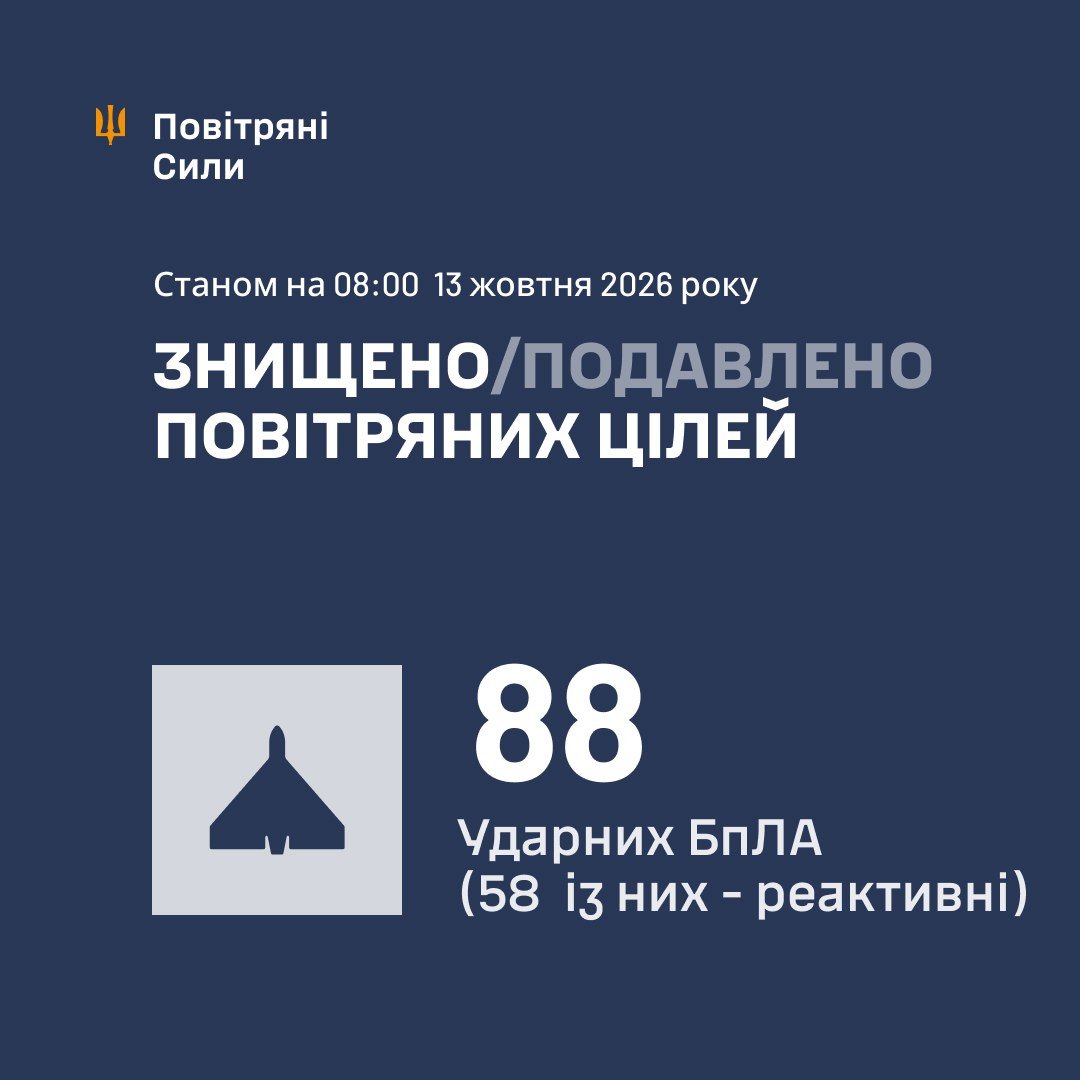
Russia launched a coordinated kinetic strike on Ukraine in the early hours of 13 October 2026, deploying five Iskander‑M/S‑400 ballistic missiles, nine loitering munitions and a swarm of 108 unmanned aerial systems. Ukrainian Air Force officials confirmed that 88 of the drones were downed or suppressed, but the remaining assets struck seventeen separate locations across the country. The attack, reported by the monitoring channel monitor_the_situation, marks the most intensive use of combined missile‑drone tactics observed in the conflict since 2022.
Operational details and immediate effects
The strike package combined Iskander‑M short‑range ballistic missiles with S‑400 guidance systems, a mix of loitering munitions designed for precision targeting, and a large drone swarm intended to overwhelm air‑defence networks. According to the Ukrainian Air Force, the five missiles impacted strategic logistics hubs, while the loitering munitions were directed at command‑and‑control nodes. The remaining drones, after the 88 interceptions, succeeded in hitting infrastructure in seventeen locales, including power substations, railway junctions and a regional communications centre. No official casualty figures have been released, but the Ukrainian Ministry of Defence indicated that the attacks caused “significant material damage” without reported loss of life.
"The scale and coordination of today’s strike demonstrate a clear intent to test Ukraine’s integrated air‑defence architecture," a senior Ukrainian defence analyst told the channel.
Ukrainian air‑defence units employed a layered response, leveraging Patriot batteries, S‑300 systems and mobile anti‑drone platforms. The high interception rate—88 out of 108 drones—reflects recent upgrades to electronic‑warfare capabilities, though the residual drone impacts underscore persistent vulnerabilities in low‑altitude airspace monitoring.
NATO’s Baltic naval posture intensifies
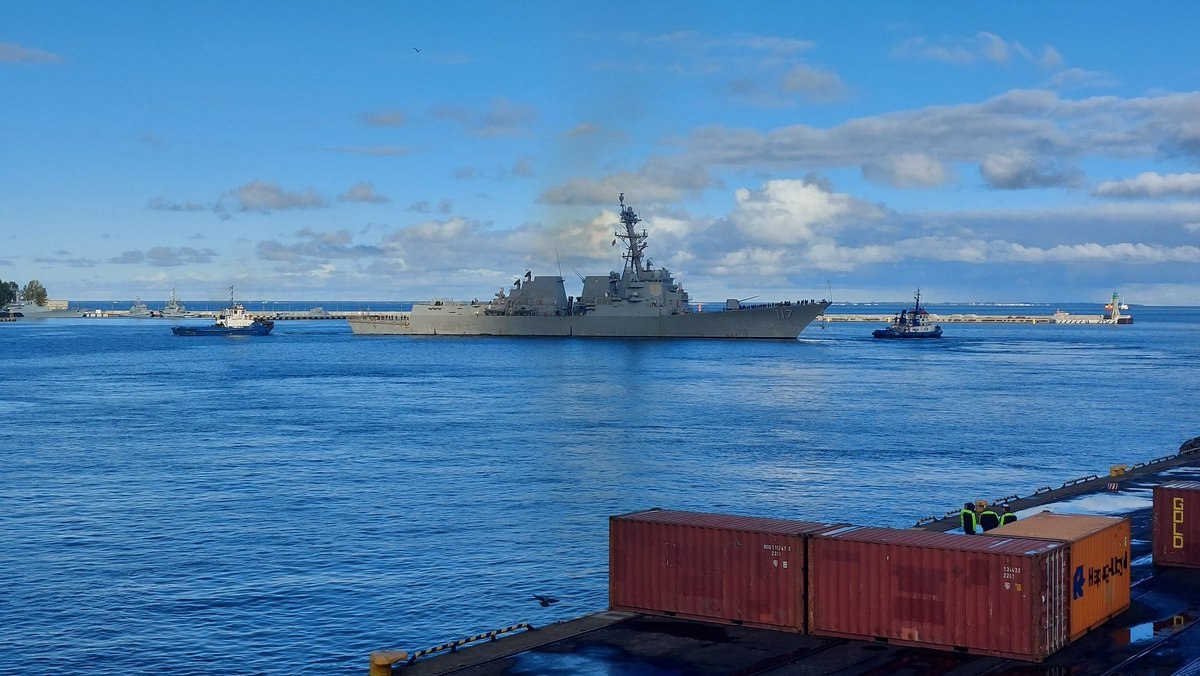
In a parallel development, the United States Navy dispatched the Arleigh Burke‑class destroyer USS Paul Ignatius (DDG‑117) from the port of Gdynia, Poland, at 17:35 UTC. The movement, documented by monitor_the_situation and relayed via @WarshipCam, is part of a broader NATO effort to reinforce maritime security in the Baltic Sea following heightened Russian activity in the region. The destroyer’s departure signals a sustained forward presence aimed at deterrence, freedom of navigation and rapid response to any escalation.
French actions against Russia’s shadow fleet
France conducted two separate interdictions of vessels linked to Russia’s clandestine maritime logistics network. The first, reported by Al Jazeera, involved the seizure of an unnamed tanker suspected of operating under the Russian shadow fleet. The second operation, detailed by the intelligence outlet rnintel, identified the vessel as the DF PEAK, intercepted south of Réunion Island in the Indian Ocean. Both actions were executed under French maritime law enforcement authority and were justified on the basis of alleged sanctions violations and false‑flag registration. No crew injuries were reported, and the seized assets are slated for forensic examination to confirm links to Russian state‑sponsored logistics.
Yemen: Quad‑copter drones delivering grenades
On the Arabian Peninsula, the Houthi‑aligned militia Ansarullah released video footage showing the deployment of quadcopter drones equipped to drop grenades—referred to locally as “rujoom”—against positions held by the Yemeni government’s Popular Liberation Committee (PLC). The footage, posted on the Telegram channel GeoPWatch, depicts multiple drones releasing grenades over infantry formations and static defensive points across several frontlines. While casualty numbers were not disclosed, the use of low‑cost, commercially available UAVs for indirect fire represents an escalation in the tactical repertoire of non‑state actors in the Yemeni conflict.
Ukrainian drone strikes on Russian civilian infrastructure
In a separate kinetic episode, Ukrainian‑operated drones targeted data centre facilities belonging to the Russian internet giant Yandex. According to the Russian business daily Kommersant, cited by monitor_the_situation, the strikes destroyed critical server racks and networking equipment, with repair timelines projected at up to six months. The attacks underscore a widening scope of Ukrainian kinetic operations, extending beyond conventional military targets to high‑value civilian infrastructure that supports the Russian information environment.
Knife attack in South Korea
In East Asia, a knife attack at the Homeplus Guwol branch in Incheon, South Korea, resulted in six to eight injuries, including one victim placed in cardiac arrest. The assailant, a male in his 60s, was apprehended at the scene. The incident, reported by monitor_the_situation and corroborated by Reuters and FaytuksNetwork, is classified as a significant security breach (S3) within the domestic context. No terrorist affiliation has been confirmed, and authorities are investigating potential motives and links to broader extremist networks.