On 12 October 2026, Ukraine experienced a marked escalation in kinetic operations, with Russian forces employing heavy air‑delivered munitions, a wave of loitering‑drone attacks, and intensified ground fighting across several oblasts. The day’s most consequential strike occurred in Slovyansk, Donetsk Oblast, where Russian Su‑34 fighter‑jets released at least three KAB glide‑bombs. According to monitor_the_situation, the bombs struck the city without immediate casualty reports, but the use of precision glide‑bombs underscores a shift toward higher‑value targeting of urban infrastructure.
High‑Intensity Airstrikes
In addition to the Slovyansk attack, Russian forces deployed jet‑powered Geran‑5 loitering munitions against Kyiv’s critical infrastructure at 10:19:48.
"Russia continues to use jet‑powered Geran‑5 loitering munitions to strike infrastructure in Kyiv,"reported intelslava. The Geran‑5 attacks targeted power substations and communication nodes, aiming to degrade civilian resilience. While casualty figures were not disclosed, the strikes represent a strategic effort to pressure the capital’s logistical networks.
Further south, a guided rocket from a Tornado‑S multiple launch rocket system (MLRS) hit a temporary deployment point in Semenivka, Chernigov Oblast, at 10:01:52. The rocket, launched by Russian forces, caused damage to forward‑deployed Ukrainian units, though no fatalities were confirmed. This incident, documented by intelslava, illustrates the continued reliance on artillery rockets to disrupt Ukrainian troop concentrations near the front line.
Drone Warfare and Counter‑UAV Operations
Drone activity dominated the Ukrainian theatre throughout the day. Russian forces launched a swarm of 116 Shahed‑type drones, including 95 Shahed‑136 loitering munitions, at 07:19:50. Ukrainian air defenses reportedly downed 94 drones, with ten reaching seven separate locations, according to monitor_the_situation. The high interception rate reflects the maturation of Ukraine’s integrated air‑defence network.
Conversely, Ukrainian forces demonstrated growing offensive drone capabilities. At 07:05:08, Russian Geran‑4 jet‑drones struck four locomotives across Odesa, Kryvyi Rih and P’yatykhatky, disrupting rail logistics vital to Russian supply chains. The attack, reported by monitor_the_situation, highlights Ukraine’s use of precision UAV strikes against transport infrastructure.
Ukrainian interceptor drones also achieved notable successes. On 08:53:36, a Ukrainian drone operation reportedly disabled Yandex Cloud servers in Moscow, a non‑kinetic but strategically relevant action. More directly, at 14:23:52, Ukraine’s new interceptor drone shot down two Russian Geran‑5 drones targeting Kyiv, a claim verified by monitor_the_situation and attributed to the Ukrainian Defense Ministry’s communications channel.
Ground Operations and Counter‑Offensives
On the ground, Ukrainian Territorial Defense forces launched a coordinated assault on Russian positions in Sumy Oblast at 14:52:43. The 1st Battalion of the 104th Territorial Defense Brigade reported destroying fortified positions, equipment and personnel along the Sumy axis. While casualty numbers remain unverified, the operation demonstrates Ukraine’s continued pressure on Russian footholds in the north.
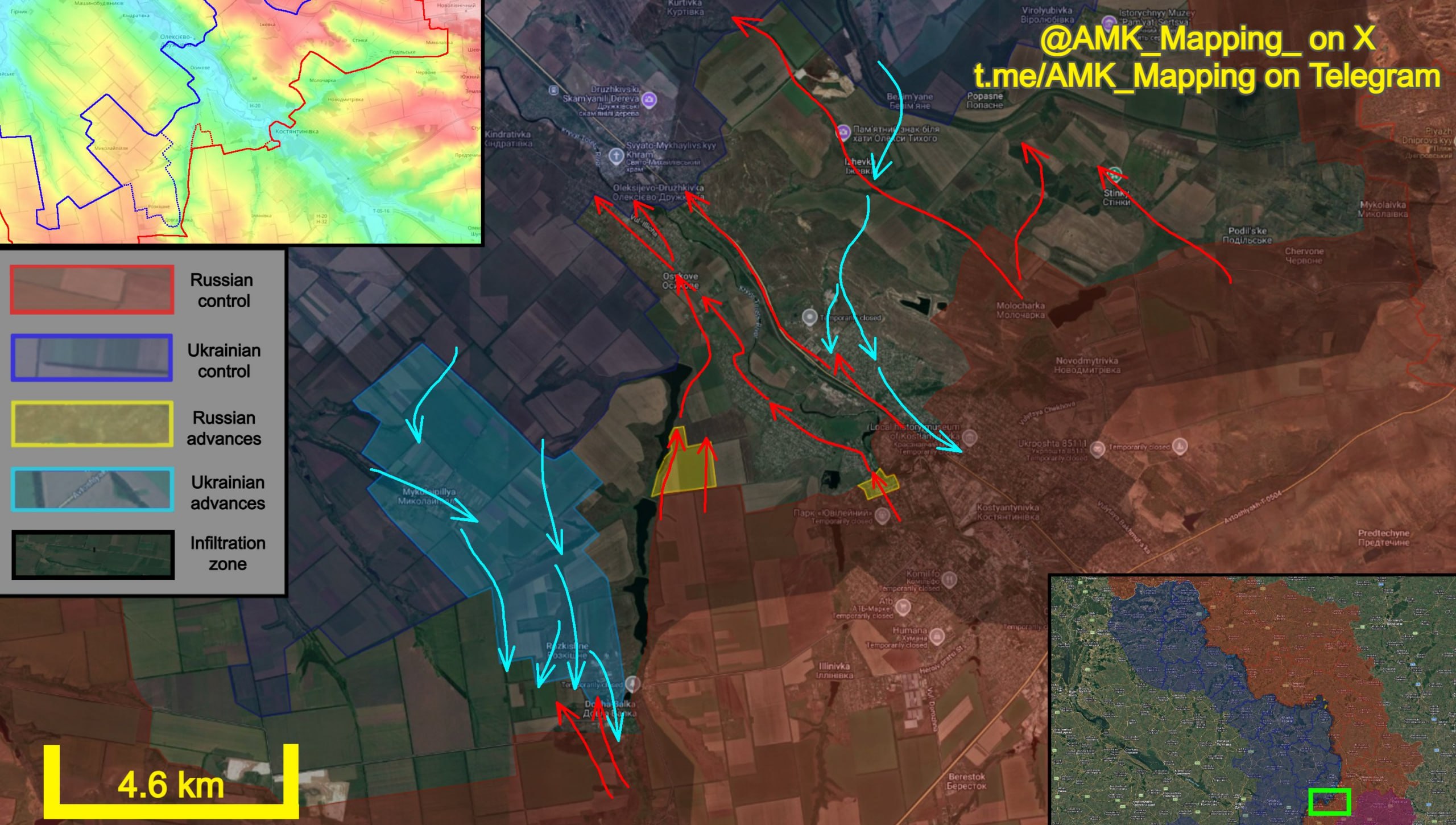
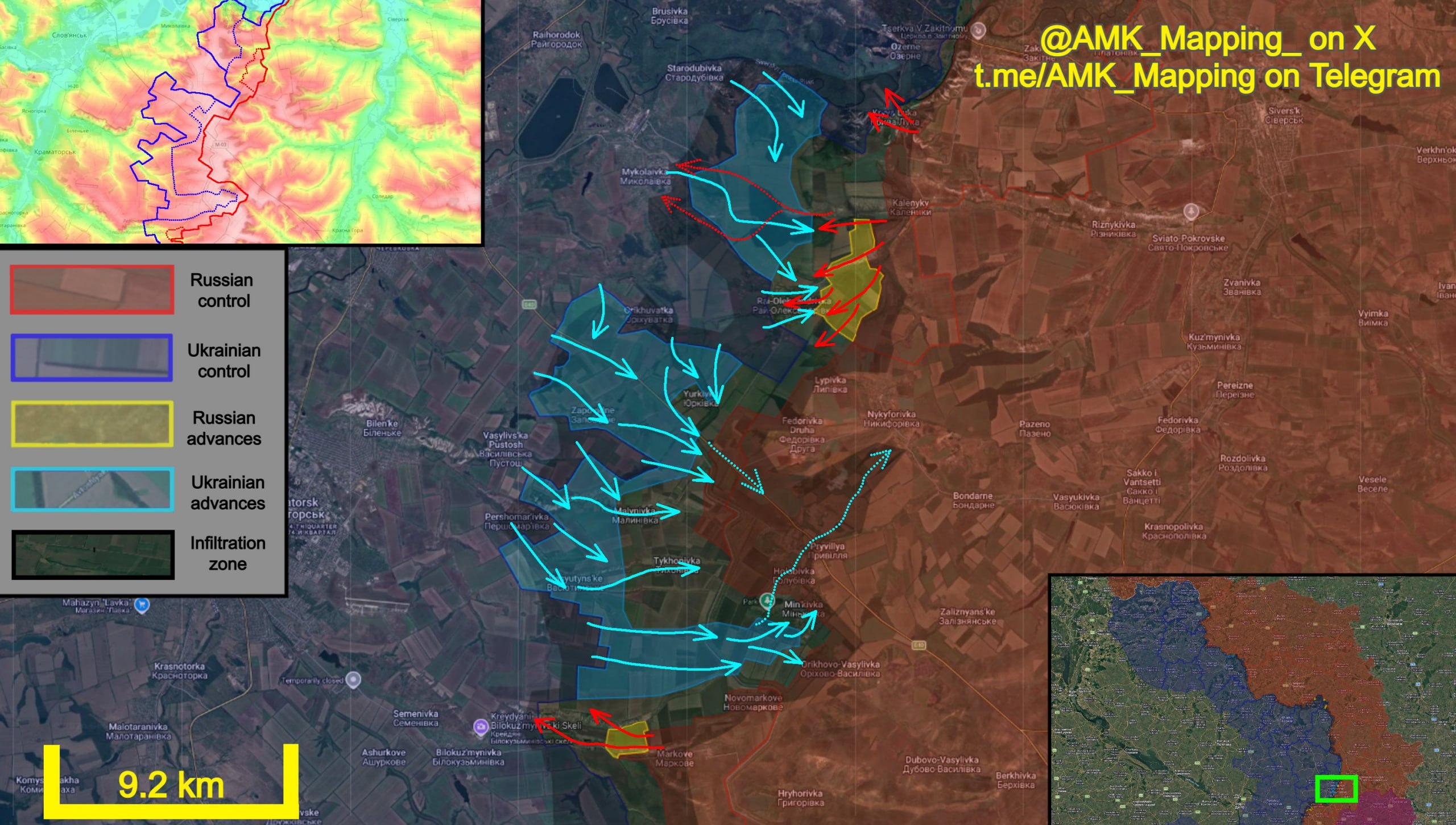
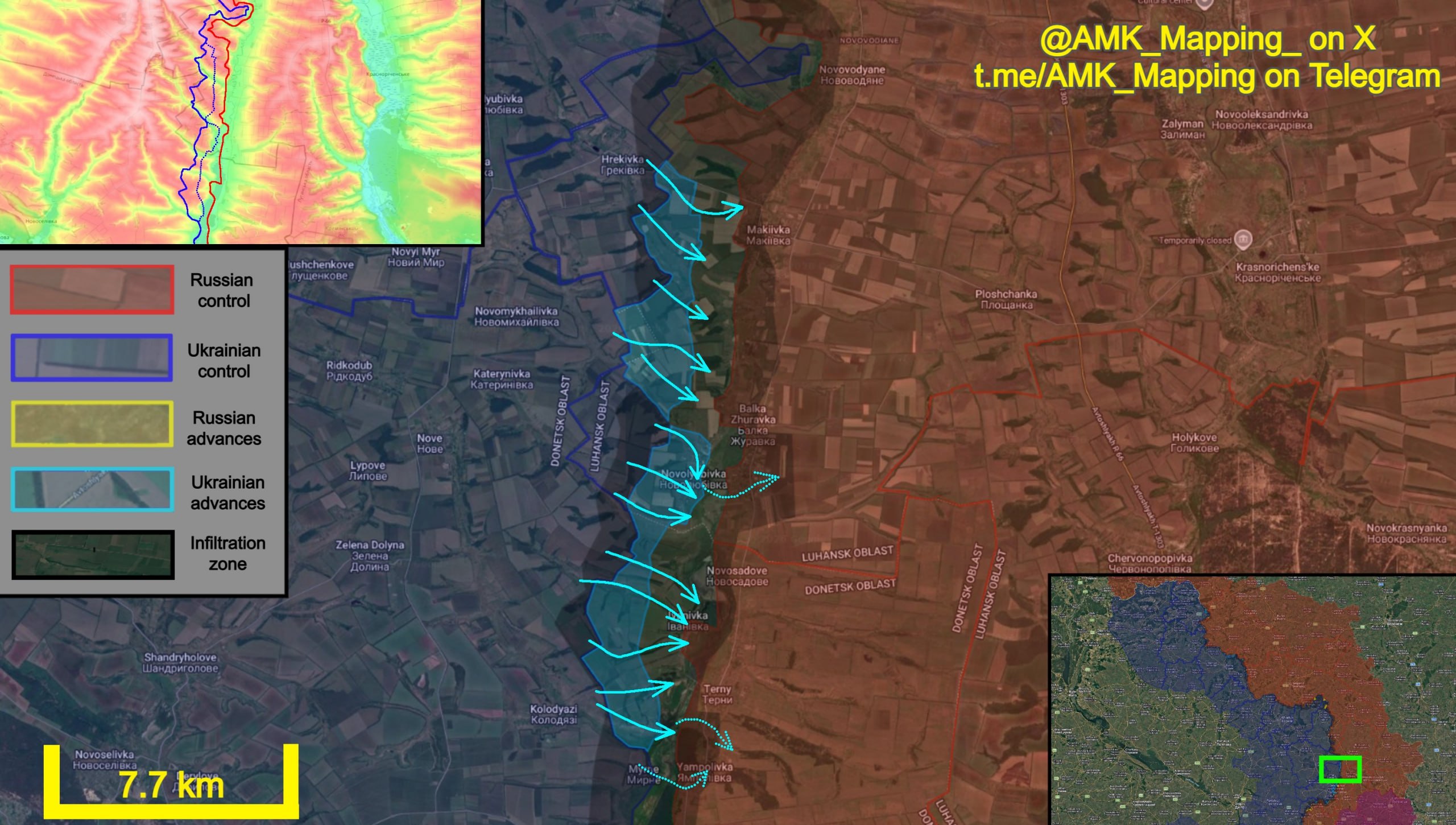
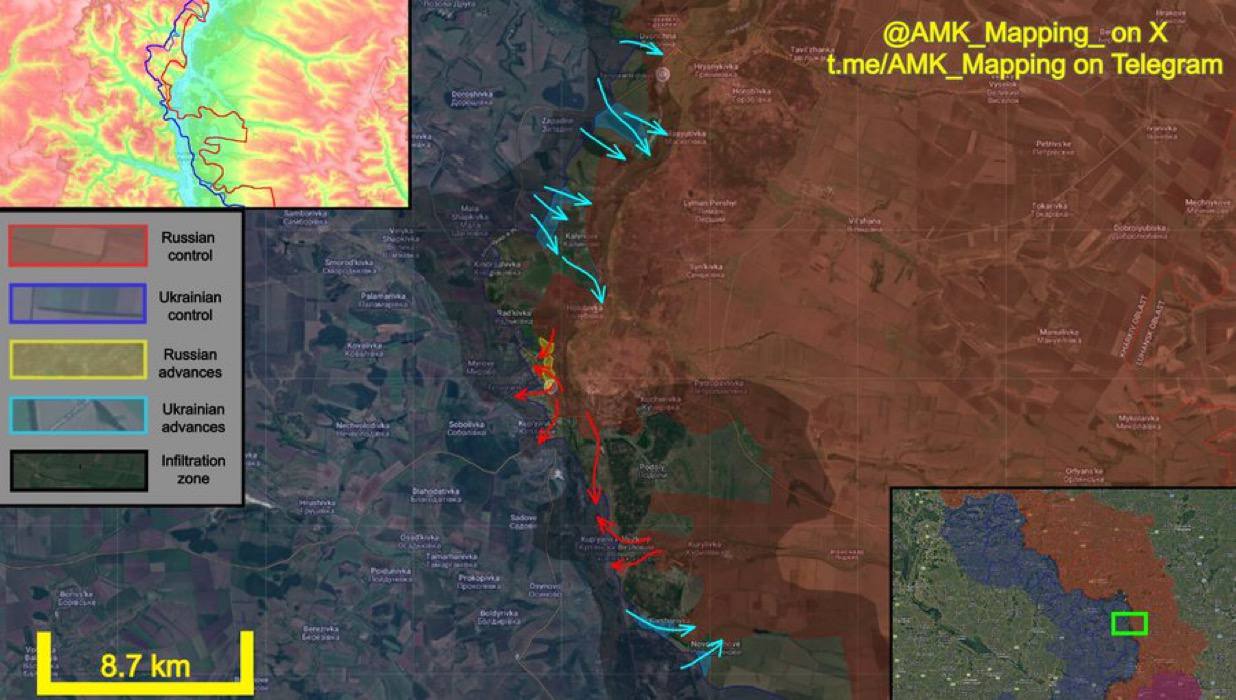
In the Donetsk region, Ukrainian units recaptured several villages west of Konstantinovka, as detailed by CIG_telegram at 11:45:21. Simultaneously, forces around Slavyansk and Kramatorsk advanced, reclaiming forested areas and villages despite persistent Russian resistance. These gains are part of a broader counter‑offensive that has seen Ukrainian troops push back Russian lines in multiple sectors, including Kupyansk (Kharkiv Oblast) where intense fighting persisted through the morning.
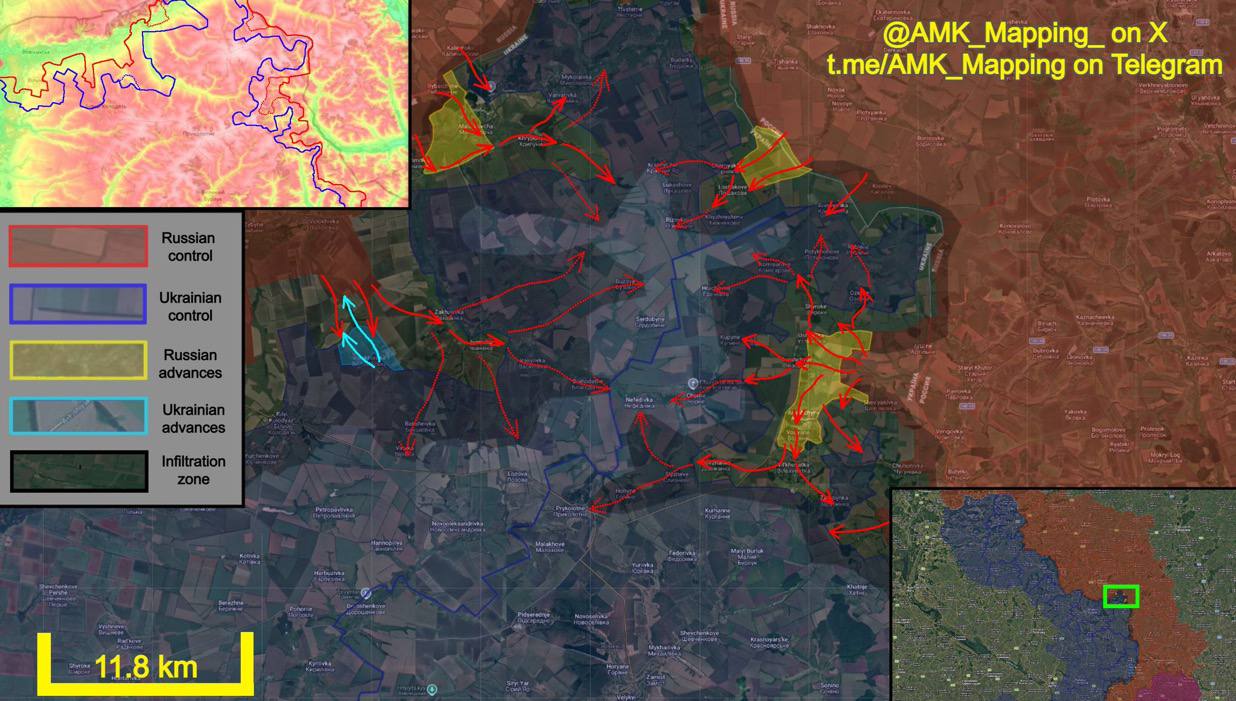
Russian offensive activity remained evident in the east. At 08:53:39, Russian forces continued infiltrations across villages in the Veliki Burluk and Bely Kolodez directions of Kharkiv Oblast, seeking to expand a salient toward the northeastern corner of the region. The engagements involved artillery and small‑arms fire, with no definitive casualty figures released.
Emerging Technologies and Tactical Shifts
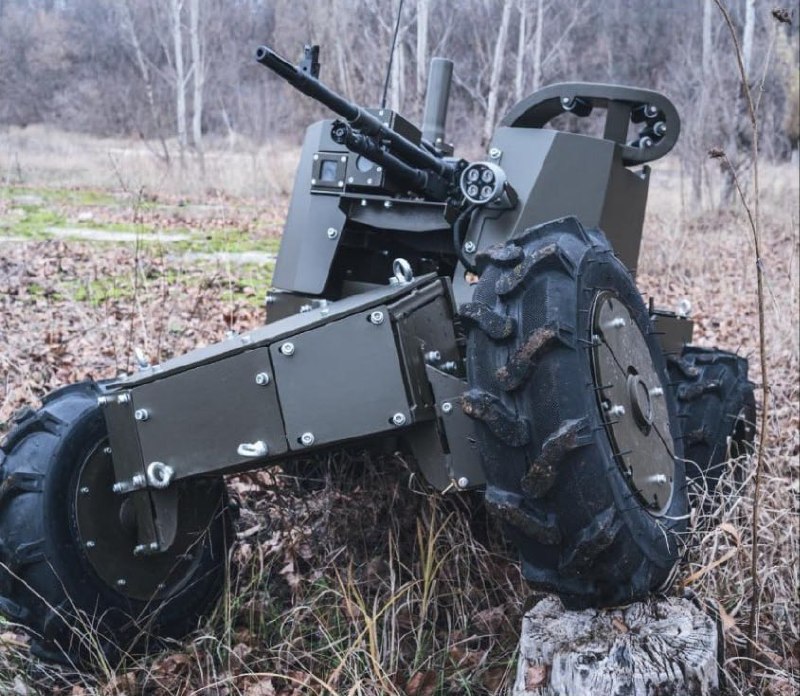
Both sides employed novel systems that could reshape future combat dynamics. Ukraine’s deployment of armed unmanned ground vehicles (UGVs) equipped with heavy machine guns in Donetsk Oblast, reported at 07:23:52, disrupted Russian troop movements and forced adjustments in Russian logistical routes. The UGVs, operated remotely, represent a significant step toward autonomous firepower on the battlefield.
Russia, meanwhile, intensified its UAV usage, fielding a mix of Shahed‑type loitering munitions, Geran‑4 and Geran‑5 jet‑drones, and a dedicated UAV from the Southern Group of Forces that destroyed a Ukrainian BTR‑4 armored personnel carrier at 08:25:14. The diversity of UAV platforms underscores Russia’s commitment to saturating Ukrainian airspace with low‑cost, high‑impact weapons.
Casualties and Human Impact
Casualty reporting remained fragmented. The most concrete figures emerged from Kharkiv’s Kyivskyi district, where Russian shelling wounded twelve civilians, as confirmed by mayor Ihor Terekhov at 07:36:26. In Slovyansk, no immediate civilian casualties were reported, but the potential for infrastructure damage and secondary effects remains high. Ukrainian sources have not disclosed fatalities from the Sumy Territorial Defense assault or the Donetsk village recaptures, reflecting the ongoing fog of war.
Assessment
The 12 October 2026 kinetic events illustrate a multi‑dimensional escalation in Ukraine’s conflict. Russian forces leveraged heavy air‑delivered munitions and large‑scale drone swarms to target both strategic infrastructure and frontline positions, while Ukrainian forces responded with increasingly sophisticated counter‑UAV measures, precision drone strikes on logistics, and ground offensives that reclaimed territory in several oblasts. The integration of autonomous ground systems by Ukraine and the diversification of Russian UAV arsenals suggest a trajectory toward greater reliance on unmanned platforms on both sides. Continued monitoring of casualty data and infrastructure damage will be essential to gauge the longer‑term impact of these kinetic operations.