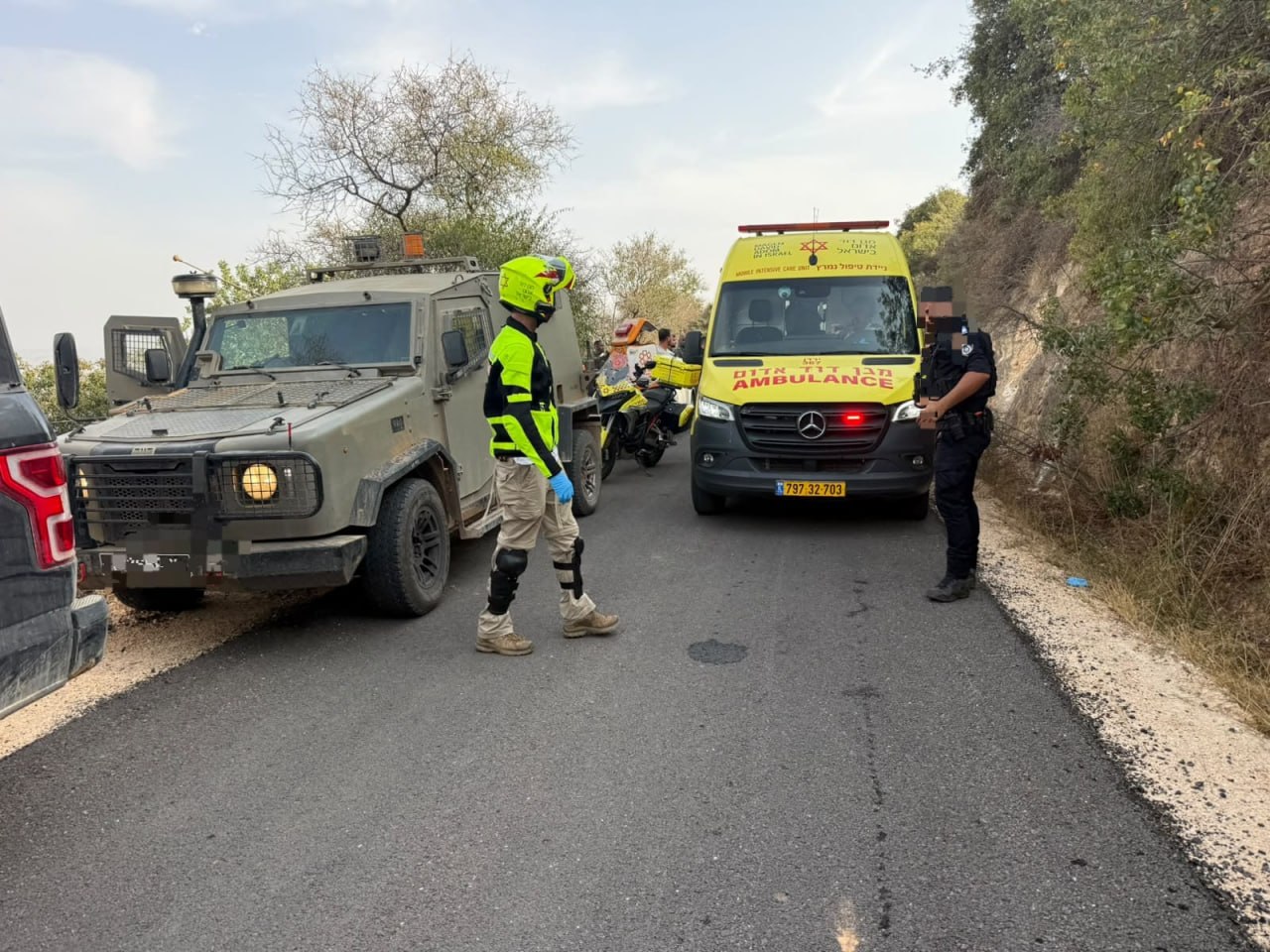
At approximately 12:41 local time on 12 October 2026, an unexploded ordnance (UXO) detonated on Ramim Ridge in the Upper Galilee, killing at least 20 teachers and students and wounding several others. The incident, reported by the monitoring channel monitor_the_situation, prompted immediate deployment of Israeli Air Force helicopters and ground rescue teams to evacuate the injured and secure the site.
Incident Details and Immediate Impact
The explosion occurred on a popular hiking trail near the Israel‑Lebanon border. According to the video posted by monitor_the_situation, the blast was caused by a previously undetected UXO, likely a remnant of past conflicts in the region. Initial casualty figures indicate 20 fatalities, all identified as schoolchildren and teachers participating in an outdoor educational program, and an additional four individuals classified as critically or seriously injured.
Chronology of Related Explosive Events on 12 October
Ramim Ridge was the scene of multiple explosive incidents throughout the day, reflecting a broader pattern of UXO-related hazards in northern Israel. Earlier, at 13:50, a student’s backpack detonated a leftover BRB1‑type submunition on the same ridge, killing one person and injuring 19, as documented by GeoPWatch. A separate report from idkunim_il at 13:24 described an improvised explosive device (IED) that exploded near a road on Ramim Ridge, though casualty numbers were not confirmed.
At 13:15, Al Jazeera reported an unexploded ordnance explosion in northern Israel that injured about 20 students and teachers, underscoring the prevalence of hazardous remnants in the area (Al Jazeera). Later, at 16:44, a separate incident in northern Israel resulted in the death of a 15‑year‑old and injuries to roughly 20 civilians when an unexploded ordnance detonated (Al Jazeera).
Emergency Response and Medical Evacuation
Following the Ramim Ridge blast, the Israeli Defense Forces (IDF) dispatched ground units to the site, while the Israeli Air Force mobilized helicopters for rapid medical evacuation. Magen David Adom (MDA) coordinated on‑site treatment, deploying an air‑rescue helicopter and additional medical personnel. In a statement, MDA CEO Eli Ben described the scene:
"A group of hikers appears to have been hit by a landmine in the area. There are severe injuries from explosive material. Many forces were deployed to the area, including MDA helicopters."(source: idkunim_il).
Medical teams reported that eight individuals were in serious or moderate condition, with several others sustaining lighter injuries. The coordinated response reflects Israel’s established protocols for mass‑casualty incidents, including the use of dedicated trauma helicopters and rapid triage by MDA personnel.
Security and Border Context
The cluster of explosions occurred near the Israel‑Lebanon border, a region historically littered with unexploded munitions from past conflicts. At 12:21, the Jerusalem Post noted an explosion of unknown ordnance near the border that wounded approximately 13 people, prompting an immediate response from Israeli forces (JPost). The proximity of these incidents to the border raises concerns about the ongoing risk posed by legacy munitions and the potential for cross‑border escalation.
Investigative Findings and Weapon Types
Preliminary investigations identified three distinct weapon categories across the day’s events:
- Unexploded ordnance (UXO): The primary cause of the Ramim Ridge fatalities and the 16:44 incident in northern Israel.
- BRB1‑type submunition: A leftover cluster munition fragment that detonated in a student’s backpack, as reported by GeoPWatch.
- Improvised explosive device (IED): Described in the 13:24 report from idkunim_il, though details remain limited.
All incidents were classified as civilian, with no direct involvement of armed groups or militias. The lack of an identified perpetrating organization suggests that the explosions stem from residual munitions rather than coordinated attacks.
Implications for Civilian Safety and Policy
The concentration of UXO-related incidents on a single day highlights the urgent need for systematic clearance operations in northern Israel, particularly in areas frequented by schools and recreational groups. Israeli authorities have previously undertaken de‑mining initiatives, but the recurrence of lethal events indicates gaps in coverage or detection capabilities.
Furthermore, the incidents underscore the importance of public awareness campaigns about the dangers of handling unknown objects in conflict‑affected zones. The 13:50 incident, where a student placed a submunition in a backpack, illustrates how lack of knowledge can transform a dormant device into a catastrophic explosion.
Official Statements and Ongoing Investigation
The IDF confirmed that forces were on the ground and that helicopters were en route following the 12:29 reports of explosions in the north (idkunim_il). The agency emphasized that the circumstances were under investigation and that security units were coordinating with civilian authorities to secure the affected areas.
Israeli police and emergency services continue to collect forensic evidence to determine the origin of the UXO, assess whether any foreign actors may have contributed to the presence of such munitions, and evaluate the effectiveness of current clearance protocols.