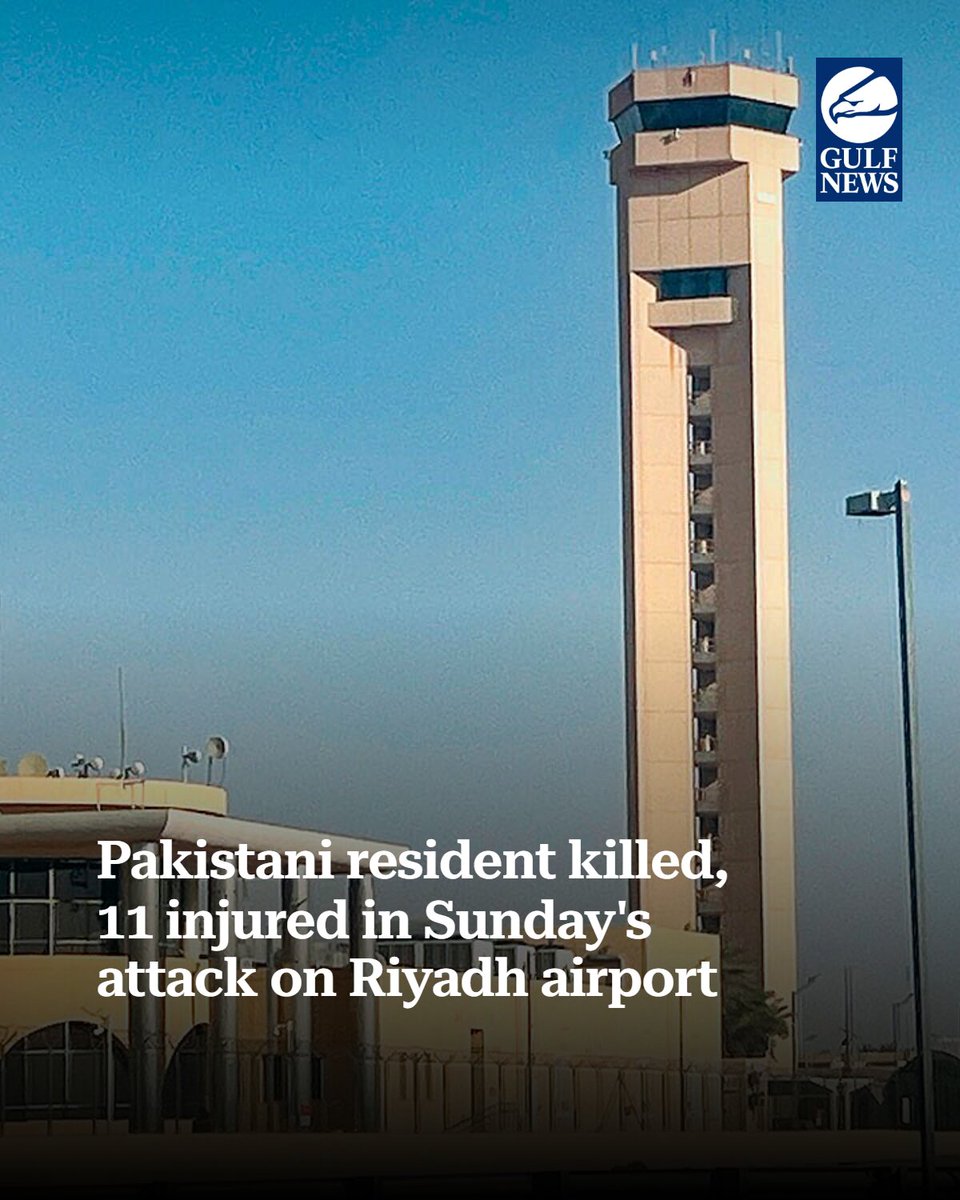
On October 12, 2026, a rocket strike on King Khalid International Airport in Riyadh killed a Pakistani national and wounded eleven others, marking the deadliest single incident of the day. The attack was reported by Al Jazeera, which confirmed the casualty figures and noted that the explosion occurred in the airport’s cargo terminal area, briefly halting civilian flights. The strike underscores a rapid escalation in cross‑border missile activity by the Iran‑aligned Ansarallah (Houthis) and Iranian forces, targeting Saudi critical infrastructure.
Shortage of Interceptors Exposes Vulnerabilities
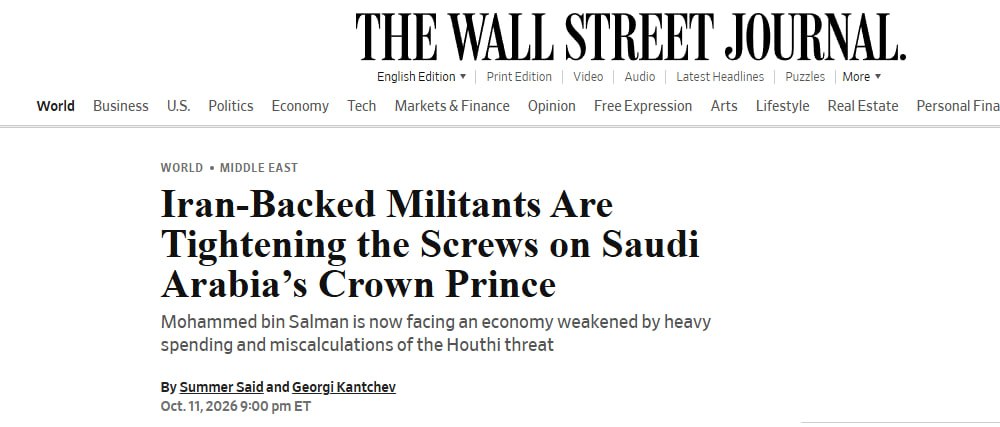
Within hours, Saudi defence officials disclosed a critical shortage of interceptor missiles. According to a CIG Telegram feed, Saudi Arabia intercepted one cruise missile over King Khalid International Airport but failed to stop a second missile that struck an undisclosed target elsewhere in the kingdom. The Wall Street Journal, cited by the same Telegram channel, reported that daily heavy attacks have depleted the Kingdom’s stock of Patriot and PAC‑3 missiles, forcing the redeployment of remaining batteries to protect key energy facilities and major population centres.
"Saudi Arabia is struggling to defend its entire airspace with adequate air‑defence, and is redeploying air‑defence batteries around the country to protect key energy facilities," CIG Telegram, 2026‑10‑12T05:14:15.
The shortage has operational consequences: air‑defence crews are now required to prioritize high‑value targets, leaving secondary sites such as airports and smaller cities more exposed. Analysts note that the depletion of interceptors could embolden further missile launches, as the cost‑benefit calculus for the Houthis and Iranian forces shifts in their favour.
Additional Missile Interceptions and Explosions
At 03:10 Saudi air‑defence units successfully intercepted a Houthi‑launched missile aimed at Khamis Mushait, a city in the kingdom’s southwest, preventing potential casualties and infrastructure damage. The interception was documented by the Telegram channel monitor_the_situation, which included a photo of the missile plume and the activated Patriot system.
Earlier, at 00:28, multiple explosions were reported in Riyadh, though details remain sparse. The source, intelslava, did not specify the weapons used, but the timing coincides with the broader pattern of synchronized attacks designed to overwhelm response capabilities.
Iranian Involvement and Regional Escalation
Iranian state media confirmed a separate missile strike on the same Riyadh airport, framing the attack as a response to perceived U.S. inadequacy in addressing Tehran’s security concerns. The Al Jazeera live‑blog entry cited Iran’s criticism of the United States, stating that the U.S. had “accepted some of its peace terms but called the reply inadequate.” This diplomatic rhetoric, paired with the kinetic strike, signals a coordinated escalation between Iranian forces and the Houthis, who share logistical and intelligence links.
"Iran says US has accepted some of its peace terms but calls the reply 'inadequate' as the Riyadh airport is hit again," Al Jazeera, 2026‑10‑12T00:00:00.
In parallel, a Houthi missile strike elsewhere in Saudi Arabia was highlighted by the Jerusalem Post, prompting Yemen expert Inbal Nissim‑Louvton to warn of a growing regional threat. She emphasized the asymmetry that the Houthis have leveraged historically, noting that their missile capabilities now extend deeper into Saudi territory, increasing the strategic risk for the Gulf states.
"I think there is an asymmetry here that has worked in the Houthis' favor in the past and continues to play a role now," Inbal Nissim‑Louvton, quoted by JPost, 2026‑10‑12T05:51:15.
Ground Conflict in Yemen Adds Complexity
While the aerial attacks dominate headlines, ground movements in Yemen further destabilize the region. Heavy clashes erupted near Taiz as Houthi forces advanced toward the strategic southern city, according to Al Jazeera video footage. The fighting diverts Yemeni government forces and complicates any immediate ceasefire negotiations, reinforcing the Houthis’ capacity to sustain pressure on multiple fronts.
The convergence of air‑borne missile strikes, drone incursions, and ground offensives illustrates a multi‑dimensional escalation that tests Saudi Arabia’s defensive posture and regional diplomatic mechanisms.
Implications for Saudi Defence Posture
Saudi Arabia’s reported interceptor shortage, combined with the frequency of successful missile penetrations, suggests a need for rapid replenishment of air‑defence assets. International partners, including the United States and European allies, may face pressure to accelerate delivery of advanced missile‑defence systems. Failure to do so could result in further civilian casualties, disruption of critical infrastructure, and heightened economic costs associated with flight cancellations and oil market volatility.
In the short term, Saudi authorities are likely to continue reallocating existing batteries, tightening air‑space restrictions, and enhancing early‑warning radar coverage. Long‑term solutions will require a coordinated diplomatic effort to de‑escalate the Iran‑Houthis axis while addressing the underlying political grievances that fuel the conflict.