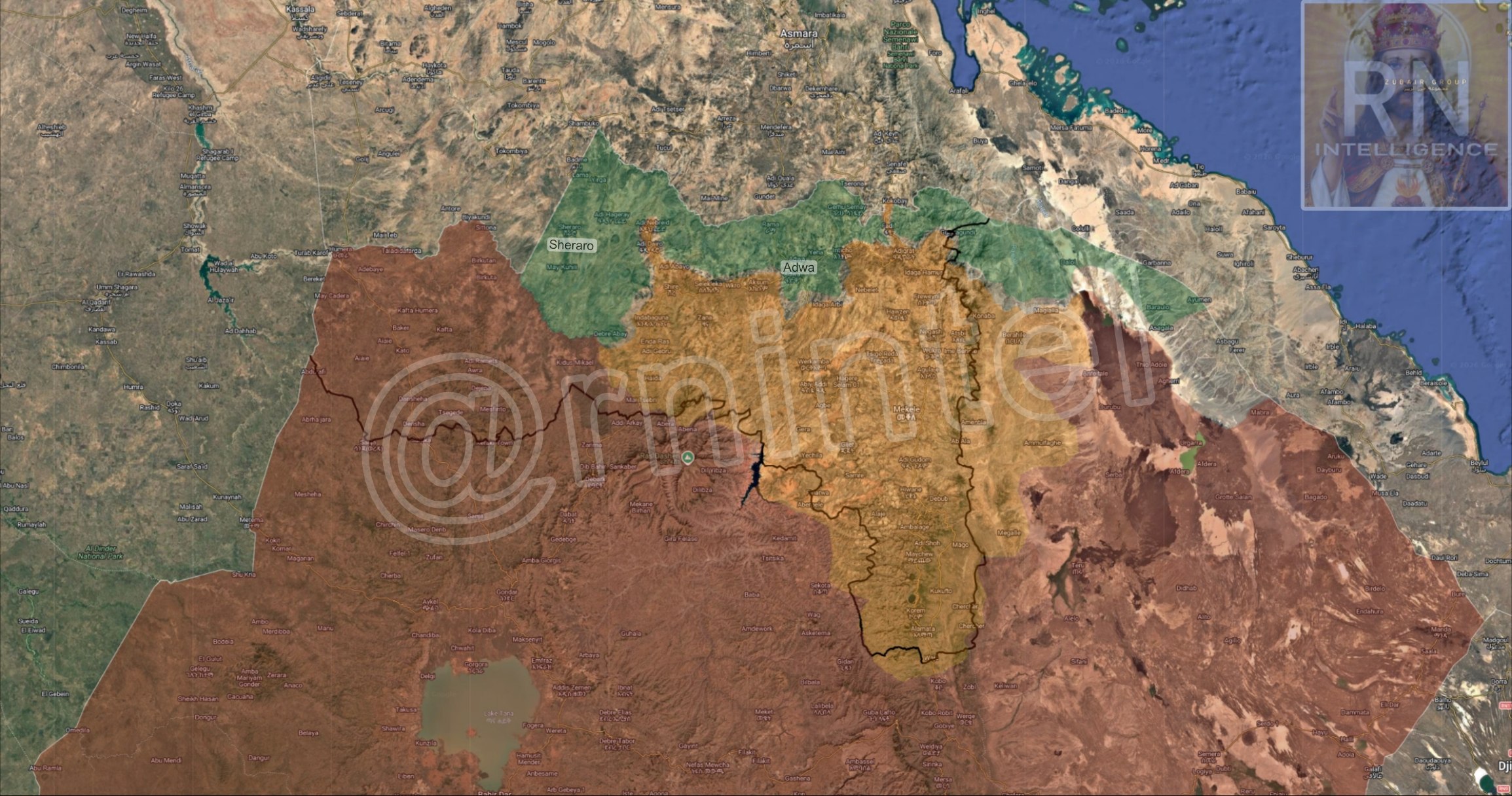
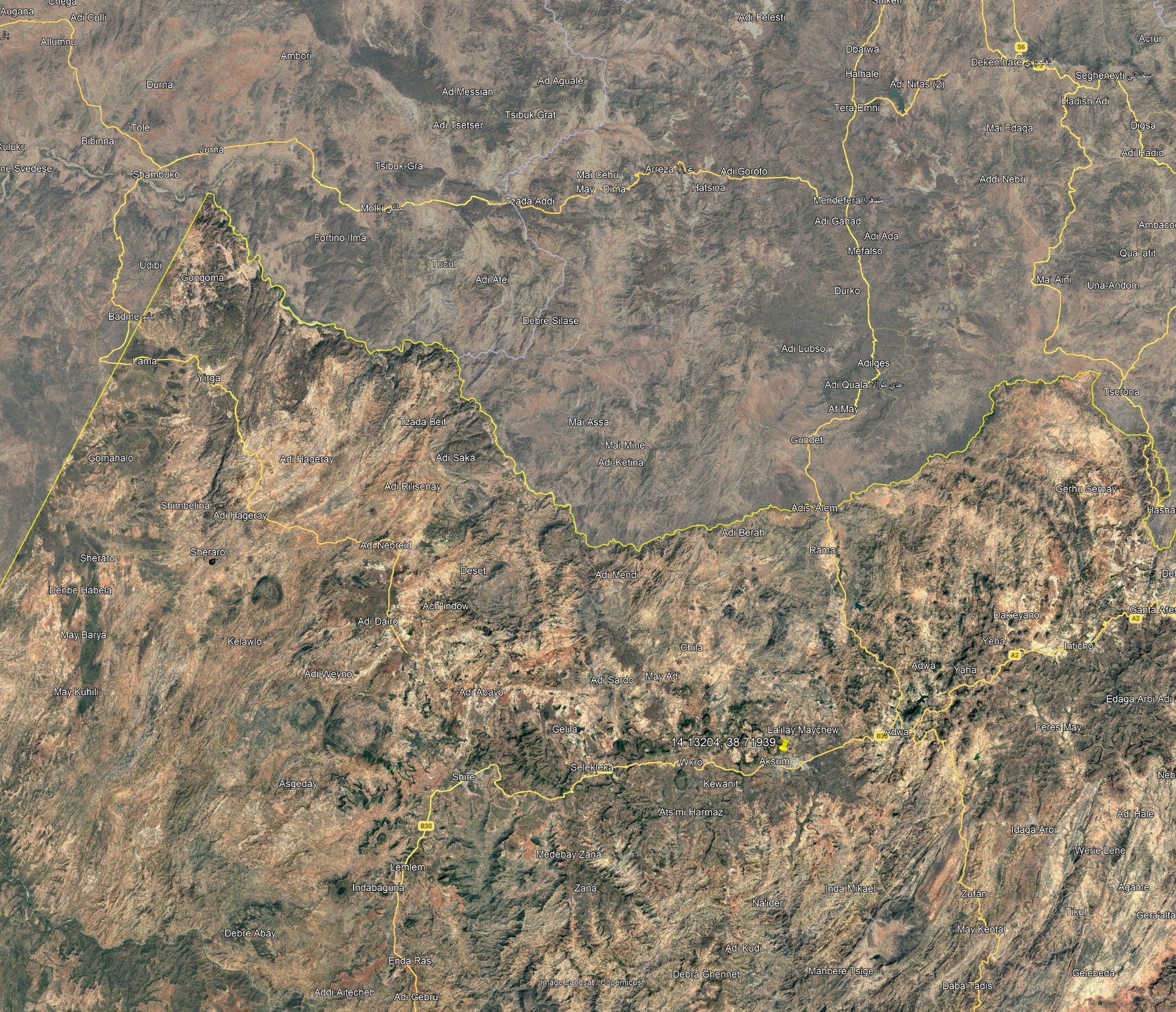
The Ethiopian National Defense Forces (ENDF) have consolidated control over most of the Tigray region, leaving only the town of Adwa and the western front at Sheraro as the remaining pockets of Tigray Defense Forces (TDF) resistance. Simultaneously, Amhara Fano fighters seized the town of Mehal Meda in the North Shewa Zone, destroying portraits of Prime Minister Abiy Ahmed Ali and regional president Arega Kebede. These developments mark a decisive shift in Ethiopia’s internal conflict dynamics as government‑aligned forces advance on multiple fronts.
ENDF Advances Across Tigray
Between October 10 and 12, 2026, ENDF units, often operating alongside the Tigray Peace Forces (TPF), captured a series of strategic locations in northern Ethiopia. The sequence of gains is documented by several open‑source channels:
- Shire (Inda Selassie): ENDF and TPF forces broke through Eritrean‑backed rebel lines to seize the town on October 10, as reported by BellumActaNews (source).
- Adigrat: Government forces entered the city on the same day, with TPLF units withdrawing under pressure (source).
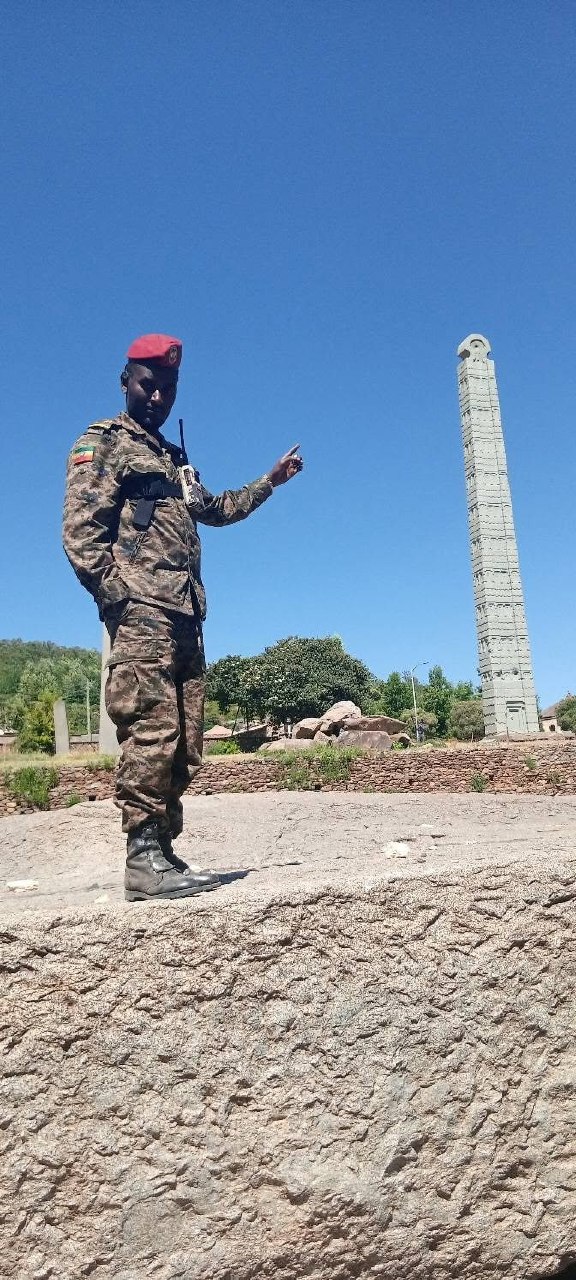
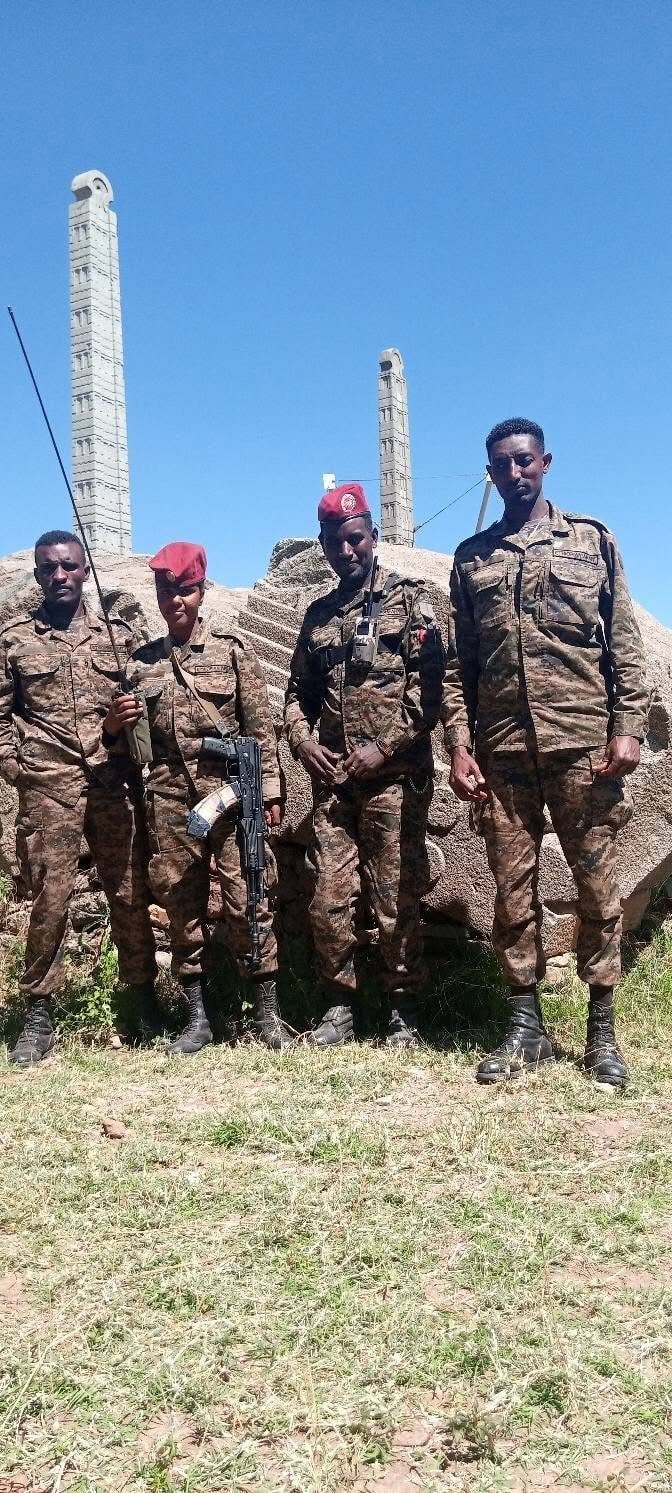
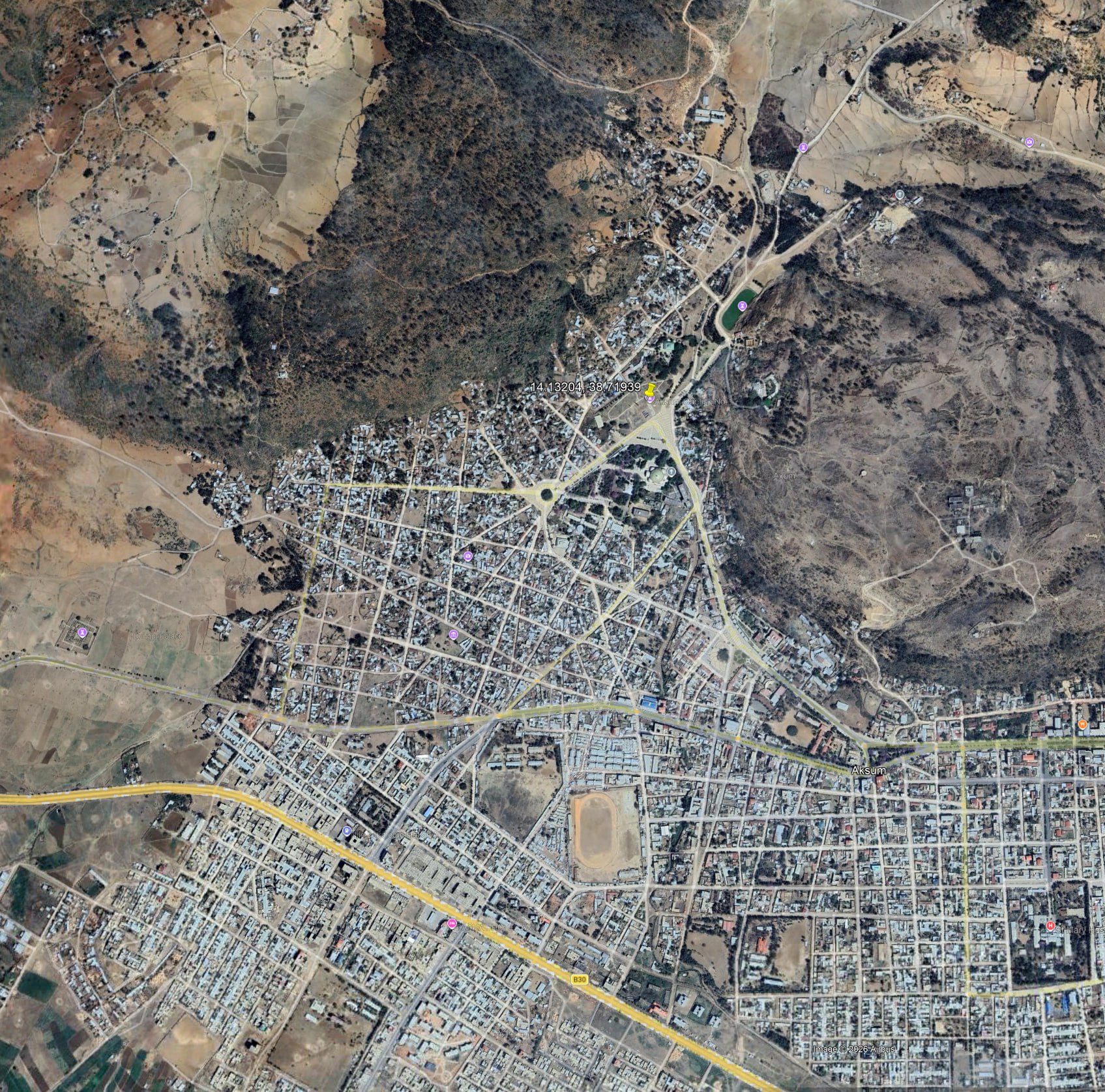
- Axum: ENDF troops photographed themselves in front of the historic Axum Obelisk, confirming the city’s capture. The post included precise coordinates (14.13204, 38.71939) and noted that Sheraro remained the only major urban center still outside ENDF control (source).
- Enticho: Near Enticho, ENDF forces captured Deputy TDF Army Commander Berhane Gebreananya and four senior TDF officials, further degrading the rebel command structure (source; also reported by rnintel source).
Collectively, these operations have reduced TDF-held territory to a narrow corridor around Adwa in the north and the Sheraro front in the west. The ENDF’s rapid territorial gains were corroborated by multiple independent Telegram channels, including CIG_telegram and rnintel, which posted real‑time photographs and video footage of ENDF units in the captured towns.
TDF Collapse and Retreat into Eritrea
Both CIG_telegram and rnintel reported on October 12 that the TDF “has essentially completely collapsed across all fronts, except for the Sheraro direction,” with forces withdrawing en masse into Eritrean territory. The statements were identical across the two sources, underscoring a consensus among on‑the‑ground observers.
"BREAKING: The Tigray Defense Forces, TDF, have essentially completely collapsed across all fronts, except for the Sheraro direction, northwest Tigray region. TDF are withdrawing into Eritrean territory en masse." – CIG_telegram, 2026‑10‑12
The collapse reflects a combination of sustained ENDF offensives, the loss of senior leadership (e.g., the capture of Berhane Gebreananya), and the withdrawal of Eritrean‑backed TPLF elements from key towns such as Adigrat. No casualty figures were disclosed in the source material, and no heavy weaponry was reported in the engagements, indicating that the advances were largely achieved through maneuver warfare and the psychological impact of leadership losses.
ENDF Secures Border Areas
On October 12, ENDF forces captured Kerseber in Gulo Mekeda Woreda, located approximately 10 km from the town of Zalambessa and the Ethiopian‑Eritrean border. The operation, reported by BellumActaNews, demonstrates ENDF’s intent to consolidate control over border zones that have historically served as infiltration routes for TDF and Eritrean forces.
Source: BellumActaNews – Kerseber capture
Amhara Fano’s Seizure of Mehal Meda
In a separate front, Amhara Fano fighters entered the mayor’s office in Mehal Meda, North Shewa Zone, and destroyed portraits of Prime Minister Abiy Ahmed Ali and Amhara regional president Arega Kebede. The act, captured on video and posted by BellumActaNews, signals an escalation of Amhara‑aligned militias against federal symbols and may foreshadow further confrontations in the Amhara region.
Source: BellumActaNews – Mehal Meda seizure
Analytical Assessment
The ENDF’s coordinated offensives across Tigray illustrate a decisive shift from a protracted stalemate to a rapid reconquest phase. The capture of major cultural and administrative centers—Shire, Adigrat, and Axum—has both strategic and symbolic significance. Controlling Axum, a UNESCO World Heritage site, deprives the TDF of a potent propaganda venue and reinforces the federal government’s narrative of restoring national unity.
Simultaneously, the removal of senior TDF commanders undermines the rebel chain of command, reducing its capacity to organize coordinated resistance. The continued ENDF presence near the Eritrean border, exemplified by the Kerseber operation, limits the ability of Eritrean forces to provide logistical support to any remaining TDF elements.
Conversely, the Amhara Fano action in Mehal Meda introduces a new variable. While the ENDF focuses on Tigray, Amhara‑aligned militias are asserting autonomy and challenging federal authority in the Amhara region. The destruction of official portraits suggests a symbolic rejection of central governance, potentially complicating post‑conflict reconciliation efforts.
Overall, the events of October 12, 2026, indicate a near‑completion of the ENDF’s campaign to retake Tigray, while highlighting the emergence of parallel insurgencies in Amhara. The absence of reported casualties or heavy weaponry suggests that the current phase is dominated by rapid territorial gains rather than high‑intensity combat, though the risk of renewed violence remains if militia confrontations intensify.