At least 72 people were killed in an air attack on a gold mine situated on the Egypt‑Sudan border early Thursday morning, marking the deadliest single incident reported in the region on 2026‑10‑12. The strike, relayed by the Telegram channel idkunim_il, has no confirmed attribution to any state or non‑state actor, and no weapons were identified in the initial report. The mine, a joint venture that employs workers from both Egypt and Sudan, was targeted just before 04:05 UTC, causing a massive explosion that collapsed underground tunnels and ignited surface facilities. The death toll, confirmed by on‑site medical teams, stands at 72, with dozens more injured and awaiting evacuation to hospitals in Aswan and Port Sudan.
"At least 72 killed in an air attack on a gold mine on the Egypt‑Sudan border (Asaf Rosenzweig)." – idkunim_il
Humanitarian Disaster in the Gulf of Aden
Within hours of the border strike, a separate tragedy unfolded in the Gulf of Aden. A migrant vessel departing from Djibouti for Yemen capsized around 03:09 UTC, killing 139 migrants, including 15 children, and leaving 84 individuals missing. The incident, reported by AlJazeera, underscores the perilous conditions faced by people fleeing conflict and economic hardship in the Horn of Africa. Survivors recounted that the boat, overloaded with an estimated 250 passengers, was struck by a sudden swell amid rough seas, causing it to overturn. Rescue operations coordinated by Djiboutian coast guard units and Yemeni humanitarian NGOs retrieved bodies and provided emergency medical care to the few survivors.
"At least 139 dead as migrant boat from Djibouti to Yemen capsizes" – AlJazeera
Russia’s Reported September Losses
In a separate informational development, the Telegram channel monitor_the_situation cited a Bloomberg report indicating that Russia suffered over 50,000 military deaths in September 2026. The figure, corroborated by the Kyiv Independent, reflects the cumulative impact of Ukraine’s sustained counter‑offensive operations and intensified artillery bombardments along the front lines. While the exact methodology behind the count remains undisclosed, analysts note that the reported losses could influence Moscow’s strategic calculus, potentially prompting adjustments in force deployment and diplomatic outreach. The data point arrives amid ongoing negotiations in Geneva, where Western powers are urging a ceasefire to prevent further escalation.
"Russia Loses Over 50,000 Soldiers in September, Bloomberg Reports" – monitor_the_situation
US Naval Blockade Intensifies in the Strait of Hormuz
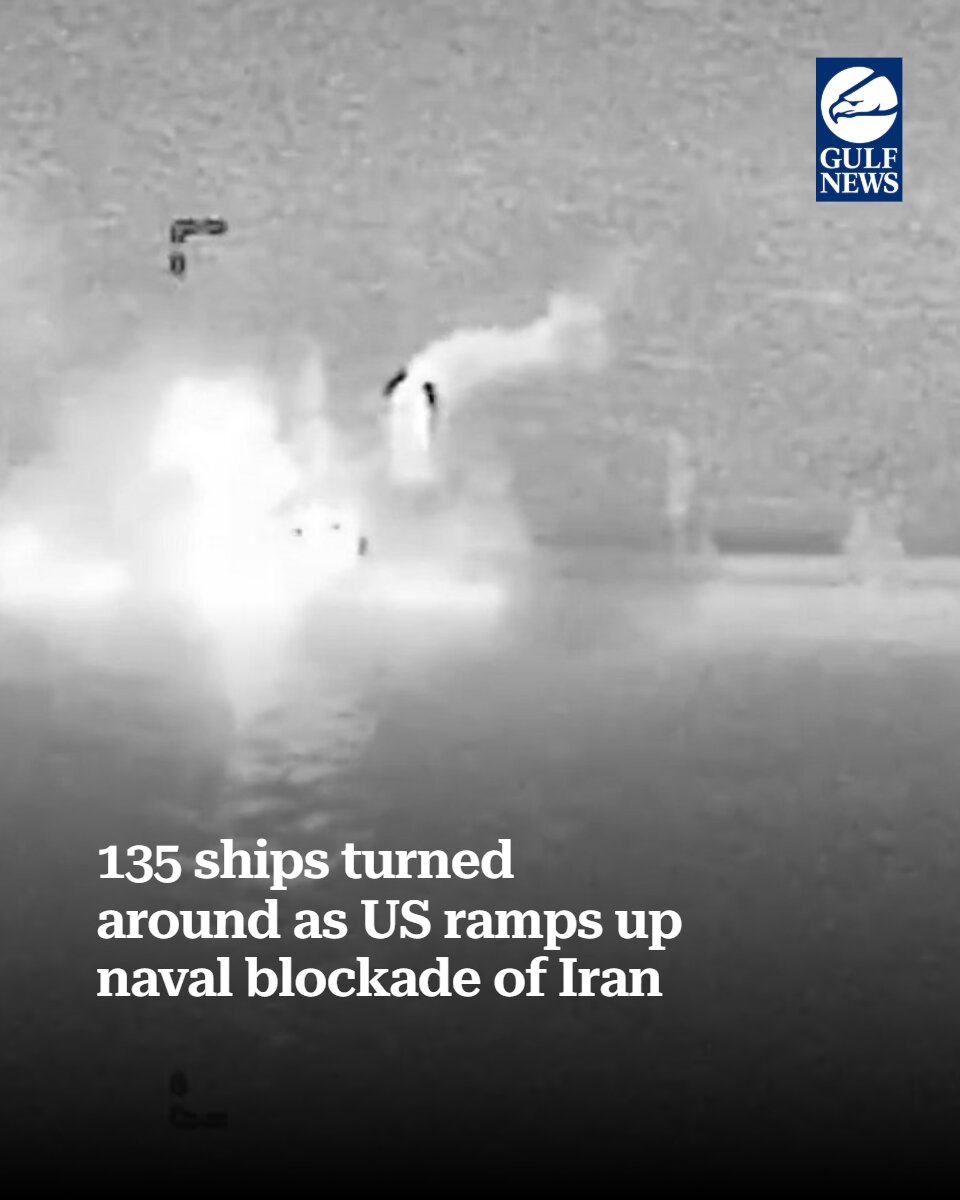
Concurrently, the United States Navy has escalated its maritime pressure on Iran, halting 135 commercial vessels near Iranian ports in the Strait of Hormuz, according to the same monitor_the_situation channel. The operation, described as a “naval blockade,” is part of a broader US‑Israel‑Iran standoff that intensified after a series of cyber‑attacks on regional oil infrastructure earlier this month. The intercepted ships, primarily tankers and cargo vessels, were subjected to inspections for contraband and potential links to Iranian militia groups. While the US has framed the action as a lawful security measure, Iranian officials have condemned it as an unlawful act of aggression, threatening retaliatory measures in the Persian Gulf.
"US Naval Blockade Halts 135 Ships Near Iranian Ports" – monitor_the_situation
Analysis of Emerging Patterns
The juxtaposition of these events illustrates a widening spectrum of conflict dynamics in the region. The airstrike on the border gold mine, though lacking a clear perpetrator, signals a potential escalation of cross‑border hostilities between Egypt and Sudan, both of which have been grappling with internal security challenges. The migrant boat disaster highlights the ongoing humanitarian fallout from protracted instability in the Horn of Africa, where smuggling networks exploit desperate populations. Meanwhile, the reported Russian casualties and the US naval blockade demonstrate how distant great‑power confrontations continue to reverberate through Middle Eastern geopolitics, influencing local security calculations and humanitarian conditions.
Implications for Regional Stability
Stakeholders are likely to monitor several key developments in the coming days. First, Egyptian and Sudanese authorities are expected to launch joint investigations into the gold‑mine airstrike, potentially involving international observers to ascertain responsibility and prevent retaliatory strikes. Second, humanitarian agencies are urging the United Nations High Commissioner for Refugees (UNHCR) to expand rescue capacity in the Gulf of Aden, emphasizing the need for safe migration corridors and better vessel safety standards. Third, the reported Russian losses may affect Moscow’s willingness to engage in diplomatic negotiations, while also influencing the flow of military equipment to its allies in the Middle East. Finally, the US blockade could trigger a series of reciprocal actions by Iran, including the deployment of fast‑attack craft or asymmetric naval tactics, raising the risk of inadvertent clashes in one of the world’s most vital oil transit routes.