On 11 October 2026, Ukraine experienced a surge of kinetic engagements that underscored the escalating intensity of the conflict. The most lethal incident was a Russian airstrike on a grocery store in Kharkiv, which killed three civilians and wounded nine, including two children. The strike, reported by monitor_the_situation, employed aerial bombs and missiles without any reported defensive interception.
Kharkiv Under Multi‑Layered Attack
Within hours of the grocery store strike, the city’s critical infrastructure faced additional assaults. Shahed loitering drones targeted Thermal Power Plant No. 5, igniting a fire that disrupted electricity supply to the surrounding districts. Video evidence of the blaze was shared by intelslava. Simultaneously, Russian missile units launched a series of strikes against Kharkiv’s energy grid, damaging substations and further straining the city’s power network, as documented by monitor_the_situation.
Later in the day, a separate Russian airstrike hit a residential area of Kharkiv, resulting in one fatality and eight injuries. The attack employed a combination of aerial bombs, missiles and attack drones, according to the same source.
Railway Infrastructure Targeted by Loitering Munitions
In the western port city of Odesa, Russian Geran‑4 jet‑powered loitering munitions struck three locomotives across Odesa, Kryvyi Rih and Piatykhatky. The strikes, reported by intelslava, caused significant material damage but no civilian casualties were confirmed. The use of Geran‑4 munitions reflects a broader Russian strategy to disrupt Ukraine’s logistics and supply chains.
Ukrainian Counter‑Offensives and Tactical Gains
Amid the Russian bombardments, Ukrainian forces conducted a mechanized raid near Anishchyne in Donetsk Oblast. The operation, carried out by the CODE 9.2 unit of the 475th Separate Assault Regiment, deployed a main battle tank, a Bradley Fighting Vehicle equipped with anti‑drone protection, and Vampire reconnaissance drones. According to monitor_the_situation, the raid successfully engaged Russian forward positions, achieving its objectives without reported Ukrainian losses.
In the eastern Zaporozhye region, Russian East battlegroup forces claimed to have destroyed a Ukrainian automatic mounted grenade launcher, mortars and infantry units entrenched in forest belts. The Russian Defense Ministry released a statement confirming the engagement, which was also covered by intelslava.
Frontline Shifts in Donetsk and Luhansk
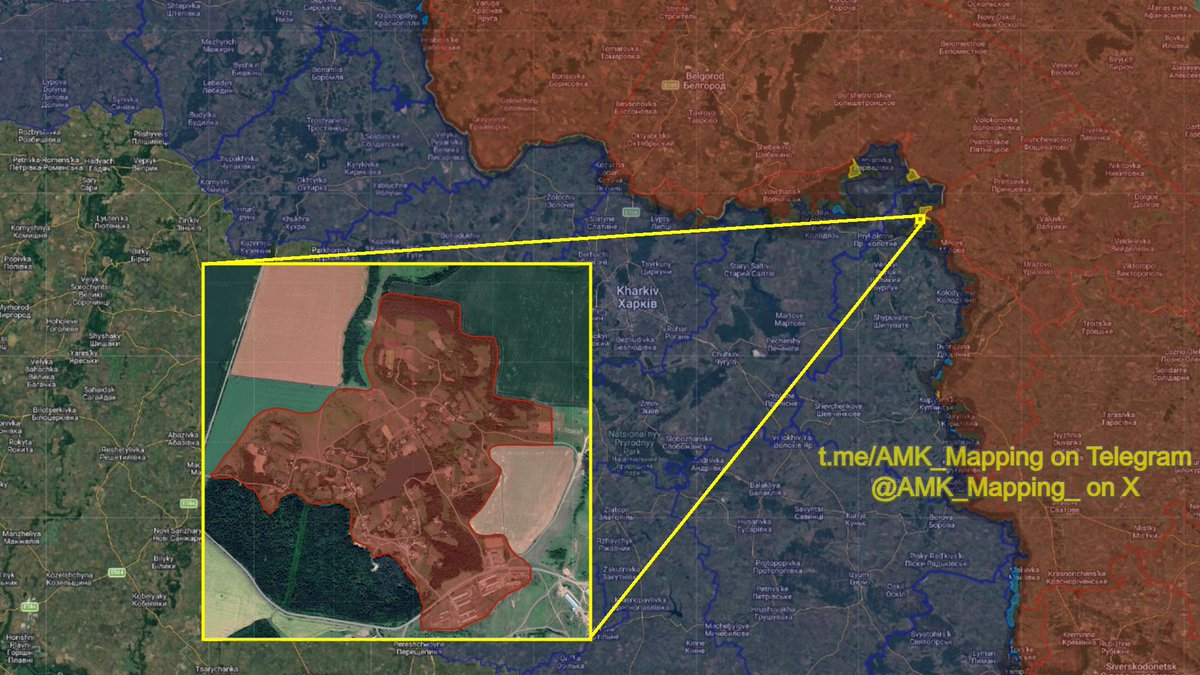
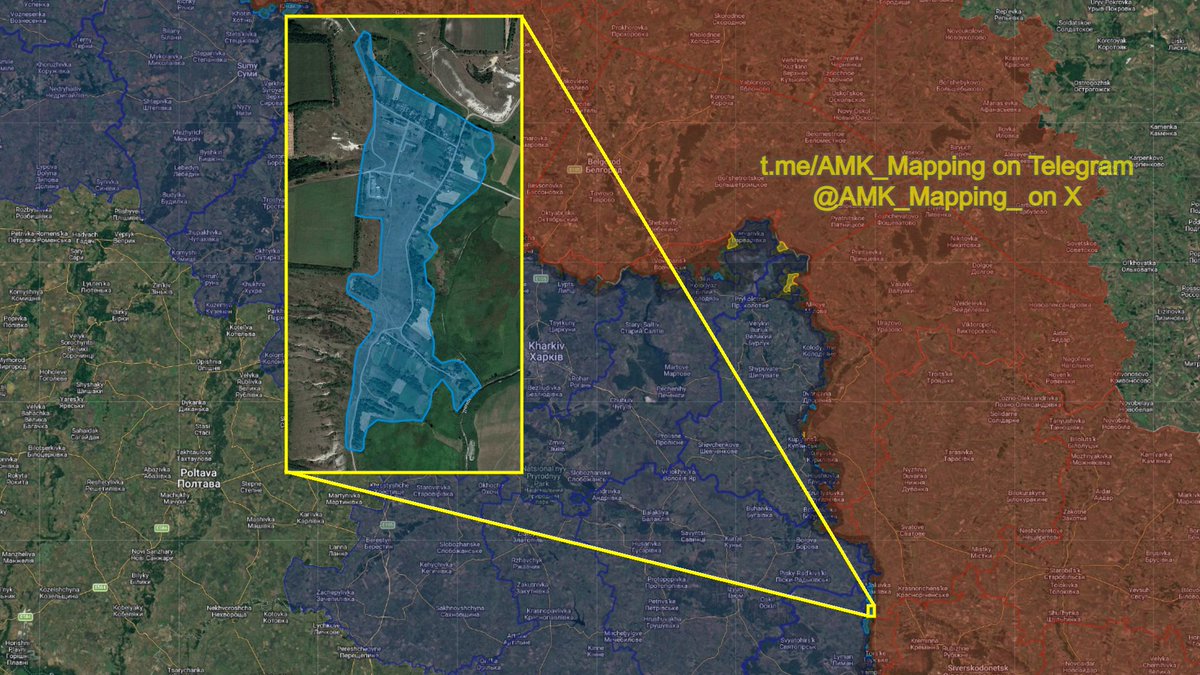
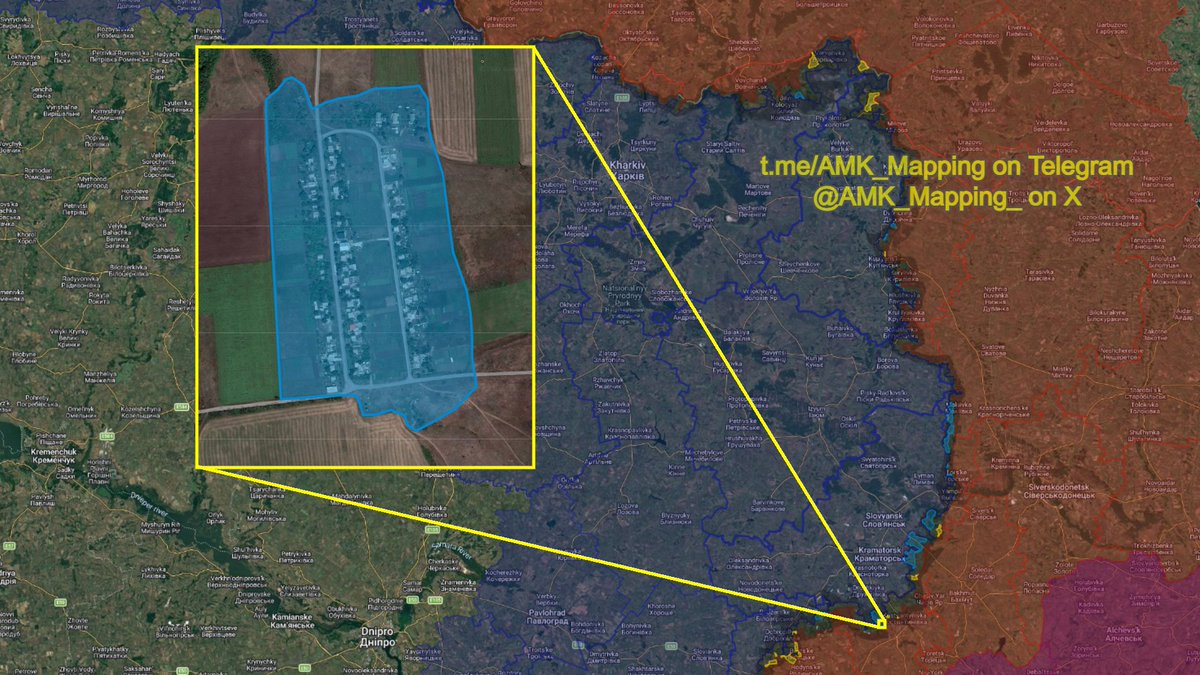
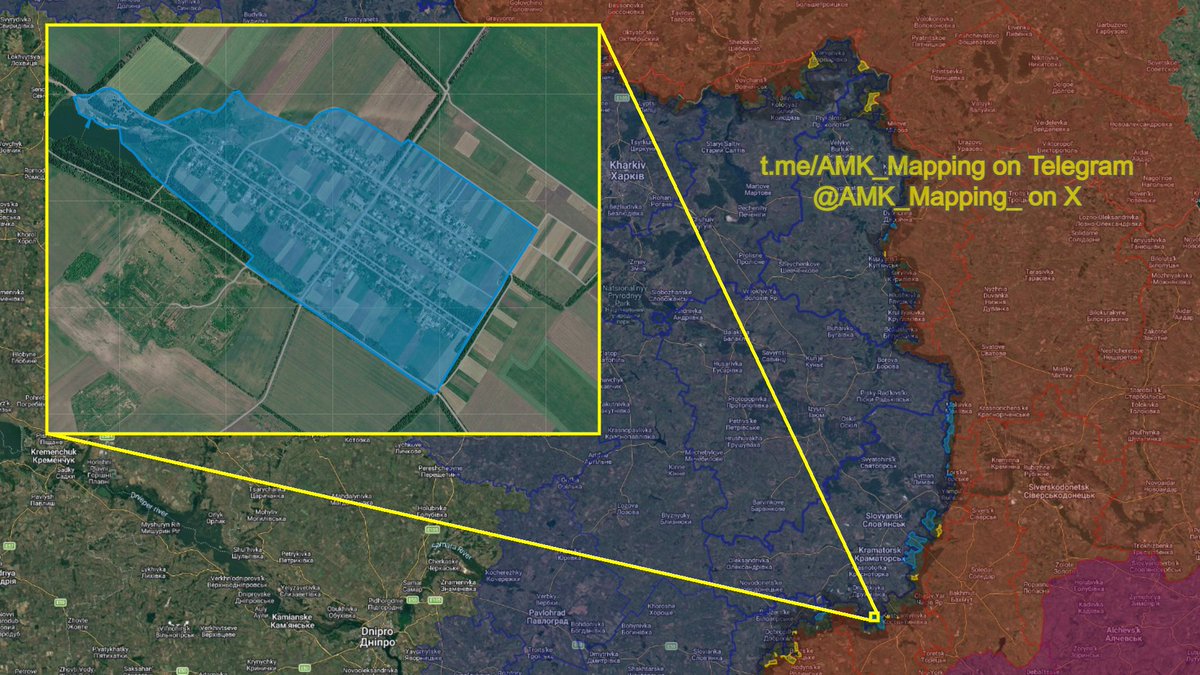
Ground movements continued across the contested Donbas. Russian forces recaptured the village of Anyshchyne in Kharkiv Oblast after a three‑week battle, as reported by monitor_the_situation. Conversely, Ukrainian troops reclaimed several villages in Donetsk and Luhansk oblasts: Novolyubivka (Svatove District), Rozkishne (Kramatorsk District) and Mykolaipillya. Photographic evidence of these gains was posted on the same monitoring channel.
Russian Casualty and Equipment Losses
The Ukrainian General Staff released its daily operational update, indicating that Russian forces suffered 1,930 personnel casualties, lost 1,531 unmanned aerial vehicles (UAVs) and 39 artillery systems in the Donbas region on 11 October. The report, disseminated via monitor_the_situation, highlights the high attrition rate of Russian assets, particularly UAVs, which have been a focal point of Ukrainian air‑defense efforts.
"Ukrainian forces continue to degrade Russian aerial capabilities, as reflected in the loss of over 1,500 UAVs in a single day," the General Staff statement read.
Analytical Overview
The pattern of events on 11 October demonstrates a dual‑track approach by Russian forces: sustained kinetic strikes on urban centers and critical infrastructure, combined with targeted attacks on Ukraine’s logistical network. Simultaneously, Ukraine is leveraging combined‑arms tactics, integrating armor, infantry fighting vehicles and drone reconnaissance to conduct localized raids and reclaim territory.
Kharkiv remains a focal point of Russian kinetic activity, with multiple weapon systems—air‑dropped munitions, Shahed drones and missile salvos—being employed within a short timeframe. The concentration of attacks on energy facilities suggests an intent to degrade civilian morale and impede military logistics. Ukrainian resilience in the face of these strikes, evidenced by continued counter‑offensives and the reported attrition of Russian UAVs, indicates a persistent capacity to absorb and respond to high‑intensity operations.
In the broader context of the war, the day’s events reinforce the importance of air‑defense systems, rapid repair of energy infrastructure, and the integration of drone technology on both sides. The ongoing contest for control of villages in Donetsk and Luhansk underscores the fluidity of the front lines, where territorial gains can be swiftly reversed.