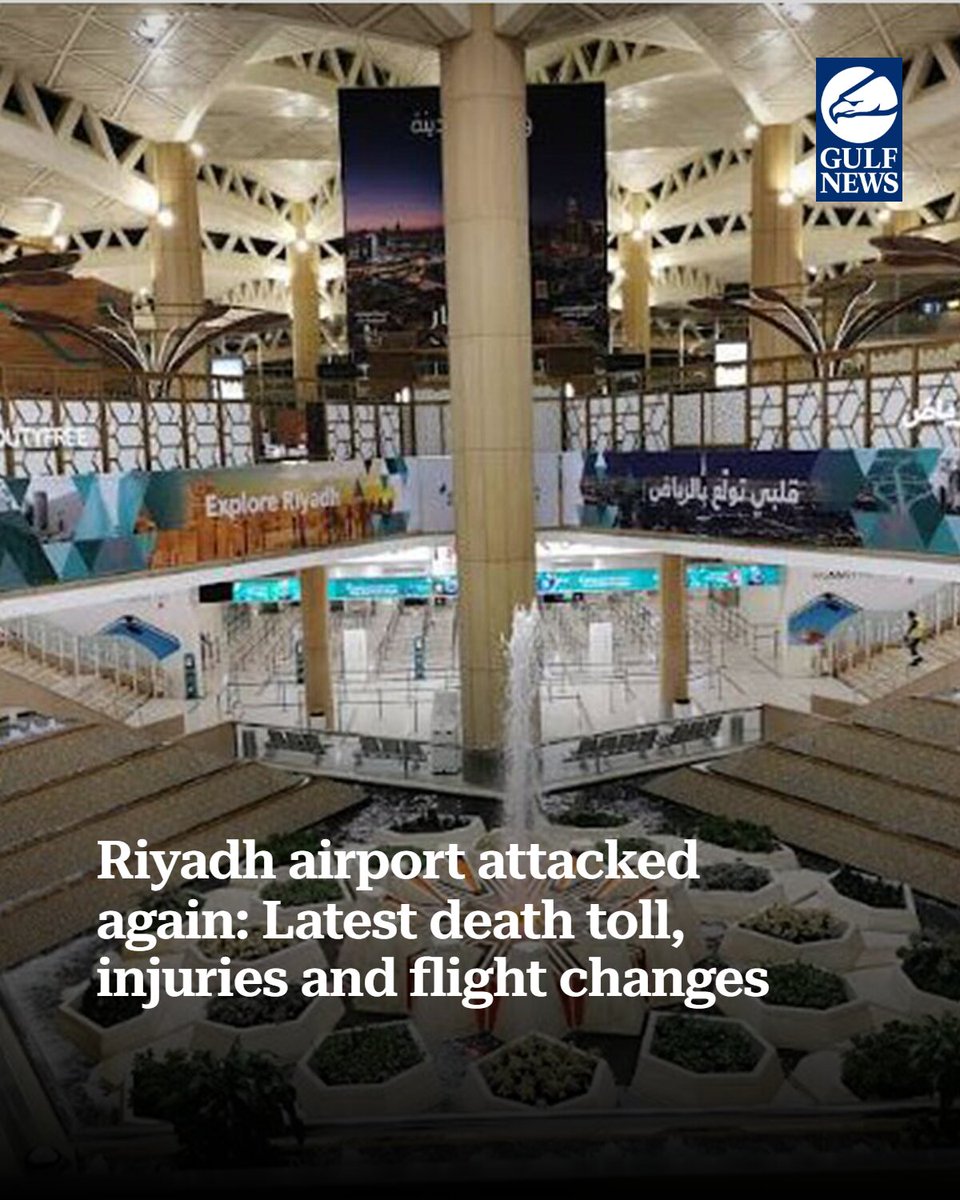
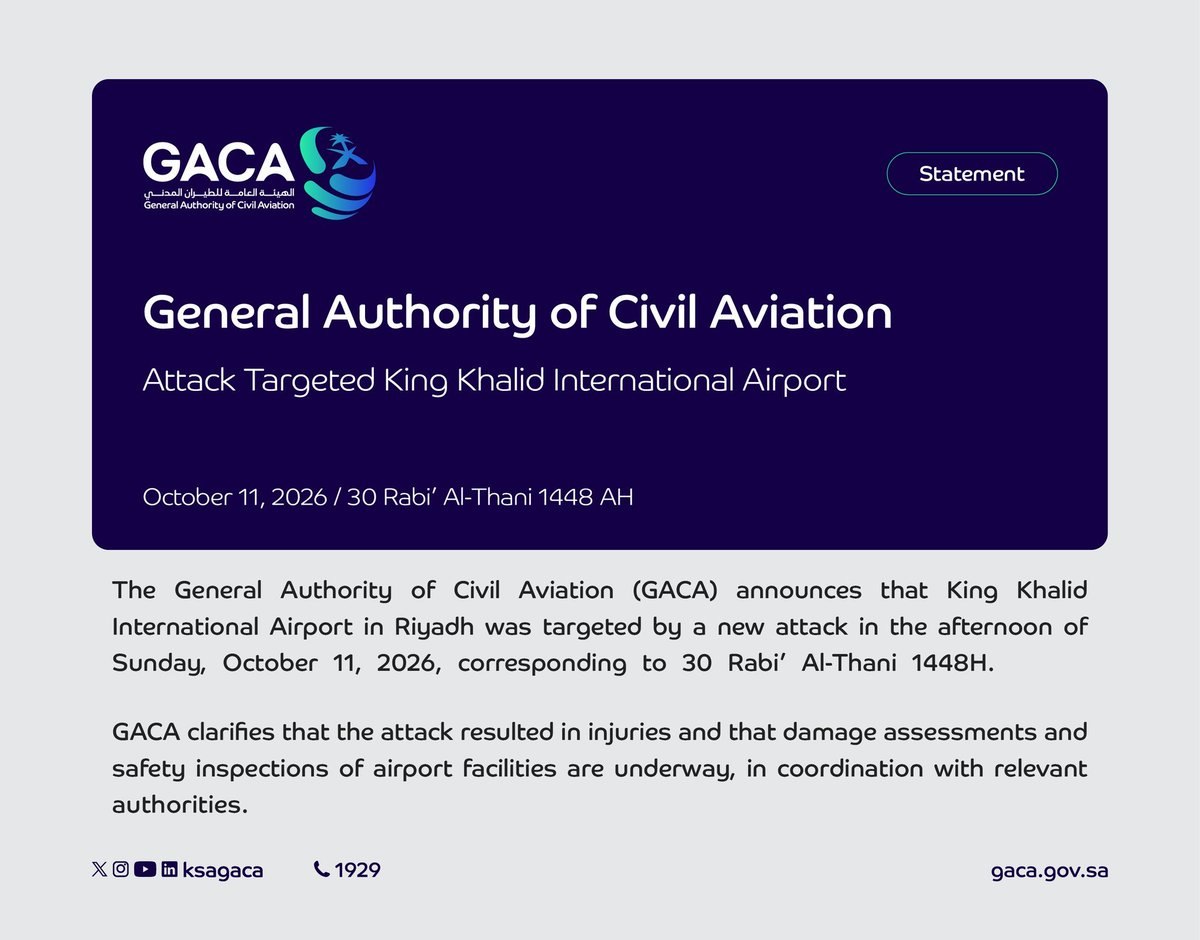
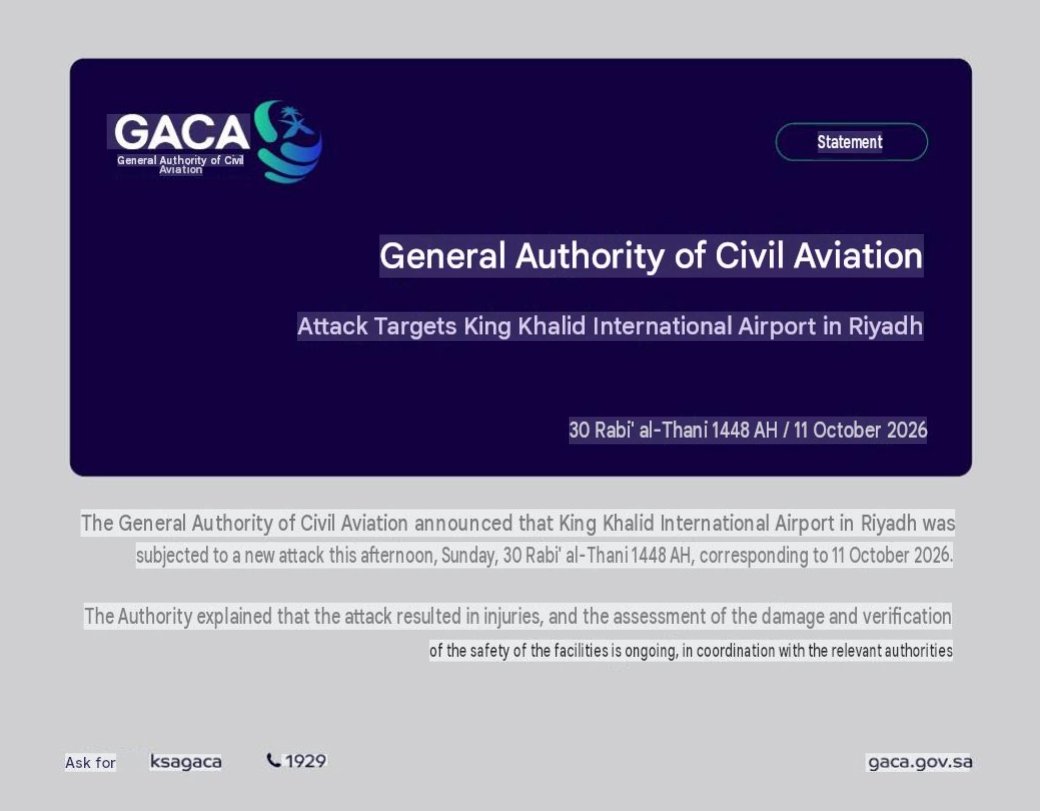
On 11 October 2026, a Houthi‑launched missile struck King Khalid International Airport in Riyadh, killing twelve people and wounding more than three hundred. The attack, confirmed by Saudi officials and reported by Al Jazeera, represents the deadliest strike on Saudi soil in a decade and has prompted the kingdom to vow a decisive retaliation.
Primary Attack: Missile Strike on King Khalid International Airport
Location: King Khalid International Airport, Riyadh, Saudi Arabia
Time: 14:39:07 UTC
Weapon: Missile (identified as a Houthi‑manufactured ballistic missile)
Perpetrators: Yemen’s Houthi movement
Casualties: 12 killed, 300+ injured
“A Houthi missile attack on Riyadh's international airport killed 12 and wounded over 300, the kingdom's deadliest in a decade.” – monitor_the_situation, 11 Oct 2026
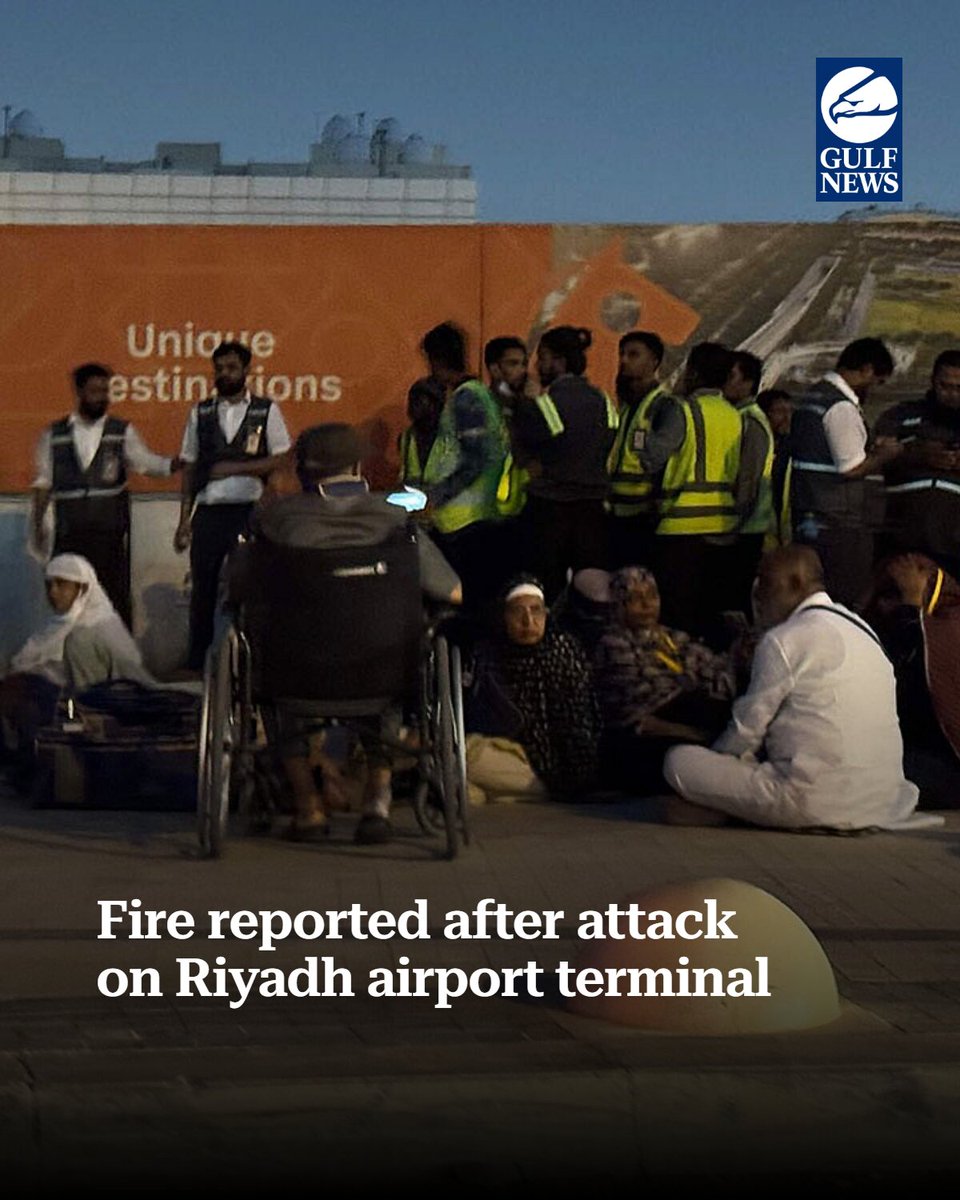
The strike targeted Terminal 4, igniting a fire that forced the temporary suspension of all airport operations. Saudi civil aviation authorities confirmed the damage and the high number of civilian casualties, while the Saudi‑led coalition publicly attributed the attack to the Houthi forces.
Follow‑up Incidents and Continued Threats
Within hours of the primary strike, multiple additional projectiles impacted the same airport complex. At 16:21:13 UTC, an unidentified projectile hit Terminal 4 again, causing further injuries, though details on the weapon type remain unclear. A subsequent incident at 16:48:26 UTC involved a second projectile striking the airport, reinforcing concerns about the airport’s vulnerability to repeated attacks.
Later in the day, at 17:30:55 UTC, Al Jazeera reported a separate rocket impact on the airport, reiterating the casualty figures of twelve dead and three hundred injured. The following hour, at 17:49:22 UTC, monitor_the_situation documented a fresh Houthi strike on the airport, describing it as part of a broader campaign that included multiple attacks over a 24‑hour period.
Air‑Defense Interceptions and Countermeasures
Saudi air defenses engaged several inbound threats on the same day. At 14:51:50 UTC, a Houthi‑launched cruise missile was intercepted near Riyadh Airport, according to monitor_the_situation. The successful downing of the missile demonstrates that Saudi air‑defence systems retain the capability to neutralise some high‑speed threats, even as other projectiles breach the perimeter.
Earlier, at 14:36:47 UTC, rnintel reported that a ballistic missile struck Terminal 4, igniting a fire. The source attributed the missile to the Saudi‑led coalition’s own reporting, indicating that the missile was identified as a ballistic type, though the exact launch platform was not disclosed.
Broader Operational Context
The series of attacks on 11 October follows a pattern of escalating Houthi operations targeting Saudi critical infrastructure. Earlier in the day, at 13:55:08 UTC, rnintel noted a ballistic missile launch by Ansarullah (the Houthi‑affiliated group) aimed at Riyadh. This attack, while not resulting in reported casualties, underscores the expanding reach of Houthi missile capabilities.
Al Jazeera’s analysis on 14:25:03 UTC highlighted systemic weaknesses in Saudi air‑defence coverage at King Khalid Airport, noting that repeated missile penetrations expose gaps even in high‑tech systems. The analysis suggests that the Houthi forces have refined their targeting and launch techniques, potentially leveraging longer‑range, more accurate missile platforms supplied by external actors.
Implications for Saudi Security and Regional Stability
The lethal attack on a major civilian hub has immediate humanitarian implications and broader strategic consequences. The high casualty count, combined with the disruption of air traffic, affects both domestic mobility and international commerce. Saudi Arabia’s public pledge of a “decisive” retaliation signals a potential escalation in kinetic operations against Houthi positions in Yemen, raising the risk of further cross‑border exchanges.
From a security‑policy perspective, the events of 11 October illustrate a shift from sporadic missile strikes to coordinated, multi‑phase attacks on a single target. The ability of Houthi forces to launch multiple projectiles within a short timeframe challenges the efficacy of existing air‑defence layers and may prompt Saudi authorities to reassess asset protection protocols at critical infrastructure sites.
International observers, including GeoPWatch, have documented ancillary explosions in Riyadh at 15:58:29 UTC, though details on the cause and impact remain limited. While these explosions were not directly linked to the airport attacks, they contribute to an atmosphere of heightened tension across the capital.
Overall, the day's kinetic events underscore an intensifying conflict dynamic in the Saudi‑Yemeni theatre, with the potential for further escalation if diplomatic channels fail to de‑escalate the situation.