On 10 October 2026 Ukrainian forces escalated kinetic operations inside Russian territory, targeting critical energy and transport nodes with a combination of HIMARS rockets and unmanned aerial systems. The most consequential strike was a HIMARS rocket attack on the Belgorod Thermal Power Plant, which temporarily disrupted power generation and underscored the expanding reach of Ukrainian long‑range firepower.
HIMARS Strike on Belgorod Thermal Power Plant
At 12:29 UTC, a Ukrainian HIMARS battery launched rockets that struck the Belgorod Thermal Power Plant in Belgorod, Russia. Video evidence posted by the monitoring channel monitor_the_situation shows the plant’s exterior ablaze, with smoke columns visible from satellite imagery. The attack damaged key turbine generators and auxiliary systems, prompting an immediate shutdown of the facility’s output. No civilian casualties were reported in the immediate aftermath, and Russian emergency services began containment procedures within hours. The strike demonstrates the operational range of HIMARS systems, which can engage targets up to 80 km away, and reflects a strategic focus on degrading Russian energy capacity near the border.
"Ukrainian HIMARS rockets damaged the Belgorod Thermal Power Plant," monitor_the_situation, 10 Oct 2026, https://t.me/monitor_the_situation/35893
Analysts note that the plant supplies approximately 1.2 GW to the Belgorod region, and its temporary loss could affect both civilian consumption and industrial output. The incident also raises questions about the adequacy of Russian air‑defence coverage in the Belgorod oblast, where previous cross‑border strikes have been reported.
Drone Attacks on Energy Infrastructure in Samara Oblast
Two separate drone‑related incidents occurred in the Samara region. At 12:26 UTC, Ukrainian forces struck an oil pumping station near Prosvet, Samara Oblast, igniting large fires that likely involved RVS‑2000 oil storage tanks. Satellite data from FIRMS confirmed extensive heat signatures, and video released by monitor_the_situation captured the resulting blaze. No injuries were reported, but the incident disrupted oil flow through a key segment of the regional pipeline network.
Later, at 15:11 UTC, a separate drone attack set fire to the Samara oil pumping station, as reported by the CIG_telegram channel. The video shows a small unmanned aerial vehicle approaching the facility before detonating a payload that ignited the storage tanks. Again, there were no immediate casualty reports, but the incident compounded operational setbacks for Russia’s oil logistics in the area.
"Ukrainian drones attacked and set fire to an oil pumping station in Russia's Samara region," CIG_telegram, 10 Oct 2026, https://t.me/CIG_telegram/85292
These coordinated strikes suggest a pattern of targeting oil‑related assets to impair fuel supplies for both civilian and military use.
Destruction of Air‑Defense System Near Adler
At 14:50 UTC, a Ukrainian drone operated by the Alpha Group of the Special Operations Forces destroyed a Russian air‑defence installation in Olympic Park, Adler, Krasnodar Krai. The drone, identified in the source material as a tactical UAV, penetrated the perimeter and detonated on the radar array, causing a visible explosion. The loss of the system temporarily reduced local air‑defence coverage, potentially exposing nearby coastal installations to further aerial threats.
"Ukrainian Drone Strike Destroys Russian Air Defense System Near Adler," monitor_the_situation, 10 Oct 2026, https://t.me/monitor_the_situation/35921
While no casualties were reported, the incident highlights the growing capability of Ukrainian special‑operations UAVs to engage hardened military assets.
Attacks on Russian UAV Port and Railway Bridge
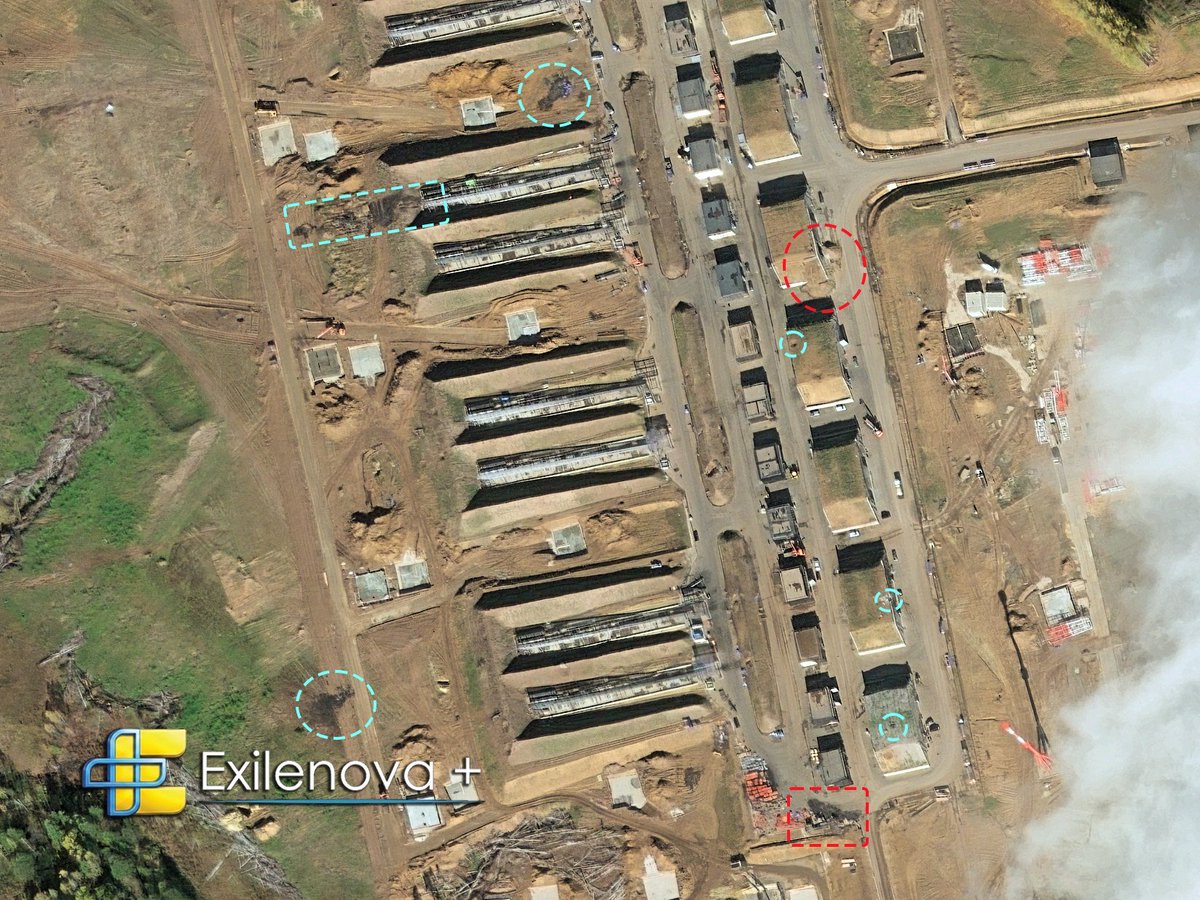
In Oryol Oblast, a drone strike at 12:20 UTC damaged the Tsymbulova UAV port, a facility that houses launch pads, storage bunkers, and maintenance hangars for Russian unmanned systems. Satellite imagery analyzed by Exilenova+ confirmed structural damage to the launch area and several storage containers. The strike, reported by monitor_the_situation, did not result in personnel injuries, but it temporarily reduced the operational capacity of the port.
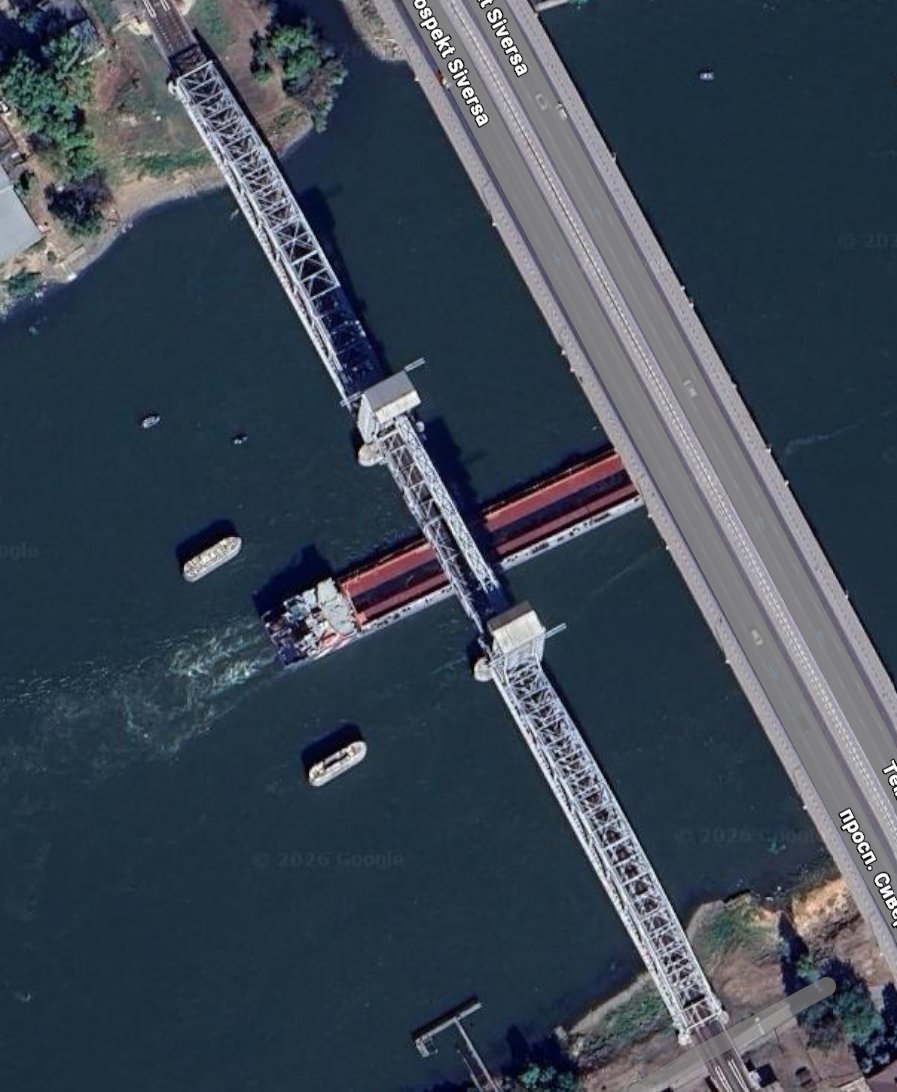
Earlier in the day, at 06:54 UTC, Ukrainian drones targeted the drawbridge over the Don River in Rostov‑on‑Don, halting train traffic on the strategic Novorossiysk‑Moscow railway corridor. Photographs released by the same monitoring channel show the bridge’s central span twisted and partially collapsed, with debris obstructing the waterway. Russian rail operators suspended service pending structural assessments, affecting freight movements critical to the southern logistics network.
"Ukrainian attack drones damaged the drawbridge over the Don River in Rostov-on-Don, temporarily suspending train service on the Novorossiysk‑Moscow route," monitor_the_situation, 10 Oct 2026, https://t.me/monitor_the_situation/35861
Both incidents demonstrate a tactical emphasis on disrupting Russian mobility and UAV capabilities.
Presidential Confirmation of Drone Strikes on Oil Refineries
At 06:32 UTC, Ukrainian President Volodymyr Zelensky publicly confirmed that Ukrainian drones had struck the Omsk and Ukhta oil refineries. According to the statement, the Ukhta refinery was hit by an AN‑196 RS drone, while the Omsk facility was attacked using modified FP‑6 drones. The announcement, relayed through the Monitor The Situation channel and cross‑posted by @NOELreports on X, did not provide casualty figures but indicated temporary production shutdowns at both sites.
"Zelensky Confirms Ukrainian Strikes on Russian Oil Refineries," monitor_the_situation, 10 Oct 2026, https://t.me/monitor_the_situation/35856
The refineries are among Russia’s major fuel‑processing plants; any interruption can affect domestic gasoline supplies and export capacity, especially during the approaching winter heating season.
Analytical Overview
The series of kinetic events on 10 October 2026 reflects a coordinated Ukrainian strategy to apply pressure on Russian energy infrastructure, transport corridors, and air‑defence assets. The use of both long‑range HIMARS rockets and a diverse fleet of UAVs—including tactical drones, modified commercial platforms, and specialized AN‑196 RS systems—demonstrates operational flexibility and an expanding strike envelope.
While casualty reports remain limited, the material damage to power generation, oil processing, and logistics infrastructure is significant. Disruptions to the Belgorod power plant, Samara oil stations, and the Novorossiysk‑Moscow railway line illustrate a multi‑domain approach aimed at degrading Russia’s ability to sustain its war effort and civilian economy.
Russian defensive measures, particularly air‑defence coverage in border oblasts, appear increasingly challenged by low‑observable UAV tactics and the high‑precision firepower of HIMARS. The incidents also suggest that Ukrainian forces are prioritizing targets with strategic economic value, potentially to leverage bargaining power in any future negotiations.