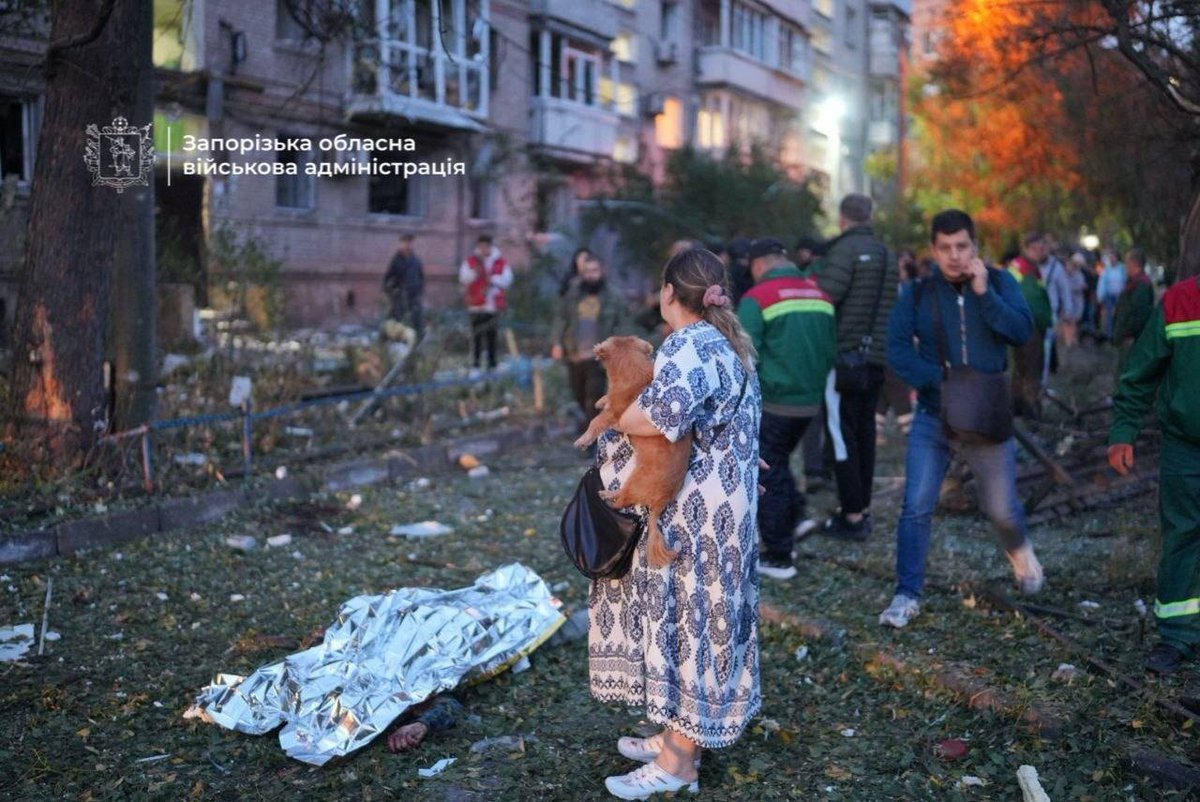
Over the past 24 hours, coordinated UAV and drone strikes have inflicted the heaviest civilian toll of the conflict in 2026, killing 19 people and wounding 131 across Kyiv, Chernihiv and Sumy regions. The attacks, reported by the open‑source channel monitor_the_situation, represent the most lethal single‑day kinetic event in Ukraine since the start of the year. Photographic evidence accompanying the report shows damaged residential blocks in Kyiv and smoke rising from a destroyed office building.
Source: https://t.me/monitor_the_situation/35932
UAV Assaults on Kyiv, Chernihiv and Sumy
The UAV wave began at 15:50 local time, with unmanned aerial vehicles penetrating air‑defence corridors over the capital and the northern oblasts. In Kyiv, the strikes caused four civilian deaths and 27 injuries; in Chernihiv, three fatalities and 22 wounded were recorded; Sumy saw two killed and 12 injured. The weapons used were identified as small‑payload reconnaissance UAVs, but the exact models were not disclosed. No armed organization claimed responsibility, and the attacks were attributed to Russian forces based on flight‑path analysis.
Source: https://t.me/monitor_the_situation/35932
Mass Drone Offensive Over Zaporizhzhia
At 14:18, a separate Russian drone offensive targeted the southern city of Zaporizhzhia. According to the same monitoring channel, 160 drones—including jet‑powered variants and the newer Gerbera models—were launched overnight. The barrage resulted in 19 civilian deaths and 39 injuries, with several strikes hitting residential districts and critical infrastructure. The Gerbera drones, a derivative of the Iranian Shahed series, are capable of carrying up to 30 kg of explosives, increasing their destructive potential.
Source: https://t.me/monitor_the_situation/35916
Guided Bomb and Airstrike Campaign in Zaporizhzhia
Between 06:51 and 12:51, Zaporizhzhia endured a series of Russian airstrikes. At 06:51, a strike killed seven civilians; a second strike at 10:40 employed guided bombs that destroyed two residential blocks, killing 12 people—including three children—and injuring 14. A third airstrike at 11:00 claimed seven additional lives. The guided bombs were identified as Russian-made precision‑guided munitions, likely the KAB‑500 series, delivered from Su‑34 fighter‑bombers. The cumulative impact of these attacks underscores a sustained effort to pressure the city’s civilian population.
Source: https://t.me/monitor_the_situation/35876
Interception of a Russian Zircon Hypersonic Missile
At 17:27, Ukrainian air‑defence forces achieved a rare success by intercepting a Russian Zircon hypersonic missile over Kyiv using a Patriot surface‑to‑air missile system. Video footage released by monitor_the_situation shows the missile spiralling down after the interception, marking the first confirmed shoot‑down of a Zircon in combat. While the missile did not reach its intended target, the incident highlights the escalating missile threat and the importance of integrated air‑defence networks.
Source: https://t.me/monitor_the_situation/35955
Additional Rocket and Missile Threats in the Capital
Kyiv remained under a red air‑raid alert throughout the day. At 11:26, residents reported loud explosions as ballistic missiles, cruise missiles and drone swarms were detected approaching the city. The alert was reinforced at 10:43 by a strike on an energy facility that disrupted electricity, water, transport and heating services. While casualty figures from these specific attacks were not released, the repeated alerts indicate a sustained high‑intensity missile campaign aimed at degrading urban resilience.
Source: https://t.me/monitor_the_situation/35881
Naval Drone Activity in the Black Sea
In the maritime domain, Russian “Geran” drones targeted commercial vessels in the Black Sea, striking cargo ships at the ports of Odesa and Yuzhny. The attacks, documented by the intelslava channel, caused minor hull damage but raised concerns about the safety of maritime supply routes supplying Ukraine’s western front. The Geran drones are loitering munitions capable of sea‑skimming flight, complicating detection by conventional naval radar.
Source: https://t.me/intelslava/96060
Ukrainian Counter‑Offensive Movements
Amid the kinetic pressure, Ukrainian forces reported a tactical advance in Donetsk Oblast. By 12:12, assault groups and DRGs had closed to within 7 km of Velyka Novosilka, shortening the front line by more than 14 km. While not directly related to the aerial attacks, the movement reflects Ukraine’s continued effort to regain territory despite the intensified Russian strike campaign.
Source: https://t.me/monitor_the_situation/35888
Overall, the events of October 10 illustrate a multi‑theater escalation by Russian forces, employing a blend of UAVs, guided bombs, hypersonic missiles and naval drones. Ukrainian air‑defence systems demonstrated resilience, notably intercepting a Zircon missile, yet the civilian toll remains high. The coordinated nature of the attacks across land, air and sea underscores the complexity of defending a densely populated nation under sustained kinetic pressure.