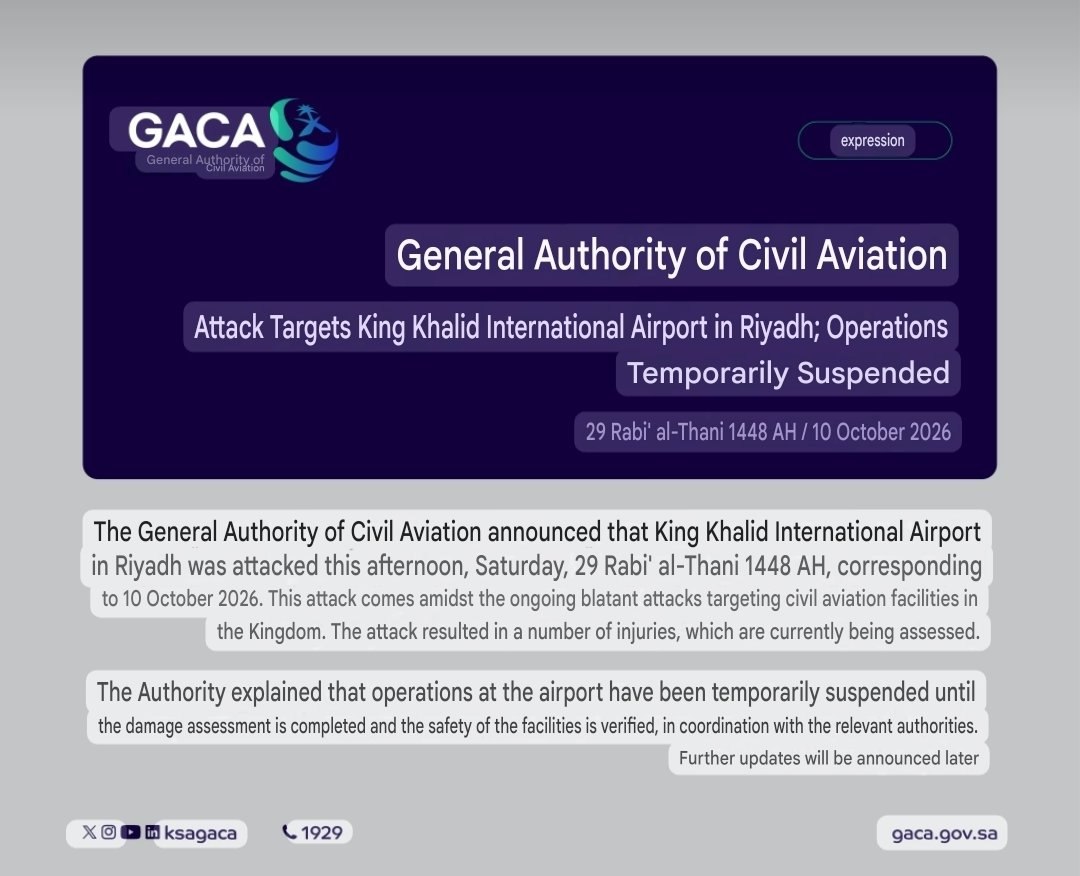
On 10 October 2026, Saudi Arabia’s civil aviation authority confirmed a rocket strike on Riyadh Airport at 16:37, prompting an immediate suspension of all airport operations and the evacuation of casualties to King Fahd Hospital. The incident, reported by monitor_the_situation, marks the most severe kinetic event in the kingdom on the day, underscoring a rapid escalation of cross‑border attacks originating from Yemen.
Riyadh Airport: Immediate Operational Shutdown
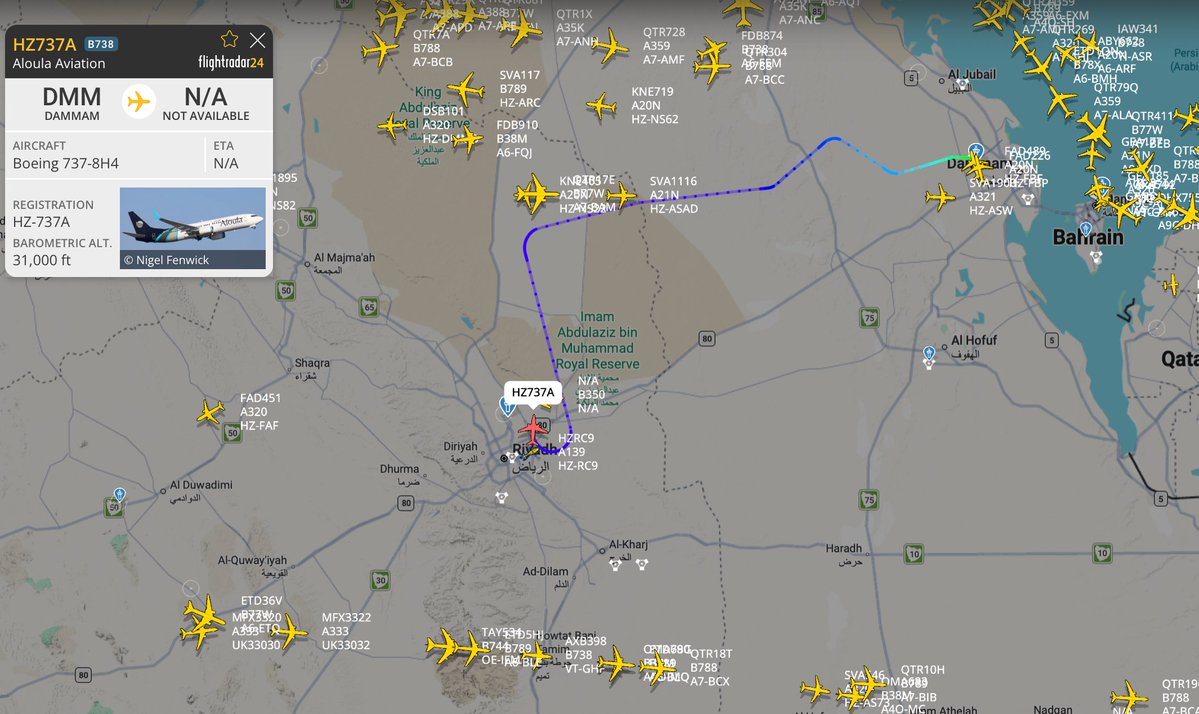
The rocket impact damaged terminal infrastructure and caused an unknown number of injuries, with authorities stating that casualty figures were still being assessed. Helicopter medevac flights transported the wounded to King Fahd Hospital, while the Saudi General Authority of Civil Aviation ordered a full halt to civilian flights. The disruption forced airlines to reroute or cancel dozens of flights, compounding the logistical strain on the capital’s transport network.
"All operations at Riyadh Airport have been suspended pending a full safety assessment," the Saudi General Authority of Civil Aviation said in a statement released via monitor_the_situation.
King Khalid International Airport: A Cascade of Mass‑Casualty Incidents
Within hours of the Riyadh Airport strike, multiple reports emerged of a series of attacks at King Khalid International Airport (KKIA) in Riyadh. Local sources cited by rnintel at 14:46 and 13:58 described “multiple deaths and many injuries,” while BellumActaNews at 14:28 reported a “mass casualty event” with ambulances flooding the scene and eyewitnesses describing “blood everywhere” in Terminal 3. The CIG_telegram channel later confirmed that more than 80 individuals, including at least 41 Bangladeshi nationals, were injured, with several patients placed in intensive care.
Casualty figures from the various sources vary, but the consensus indicates at least five patients in intensive care and a total of over 80 injuries, many of them severe. The attacks were attributed to Houthi‑aligned forces, specifically the Ansarallah militia, which has claimed responsibility for rocket and missile strikes across the kingdom.
Ghawar Oil Field: Threat to Global Energy Supply
At 14:24, the world’s largest oil field, Ghawar, in the Eastern Province, was struck by Houthi ballistic missiles, producing a massive smoke plume and igniting fires at the adjacent Shedgum and Hawiyah gas plants. The incident, reported by BellumActaNews, was captured on satellite imagery and confirmed by NASA FIRMS. While no immediate production shutdown was announced, the attack raised concerns about potential disruptions to Saudi Arabia’s daily output of approximately 3.8 million barrels of oil.
"A massive plume of smoke is rising from the area of the Ghawar Oil Field after it was struck by Houthi ballistic missiles," the BellumActaNews feed read.
Jeddah Airspace Disruption and Missile‑Drone Assaults
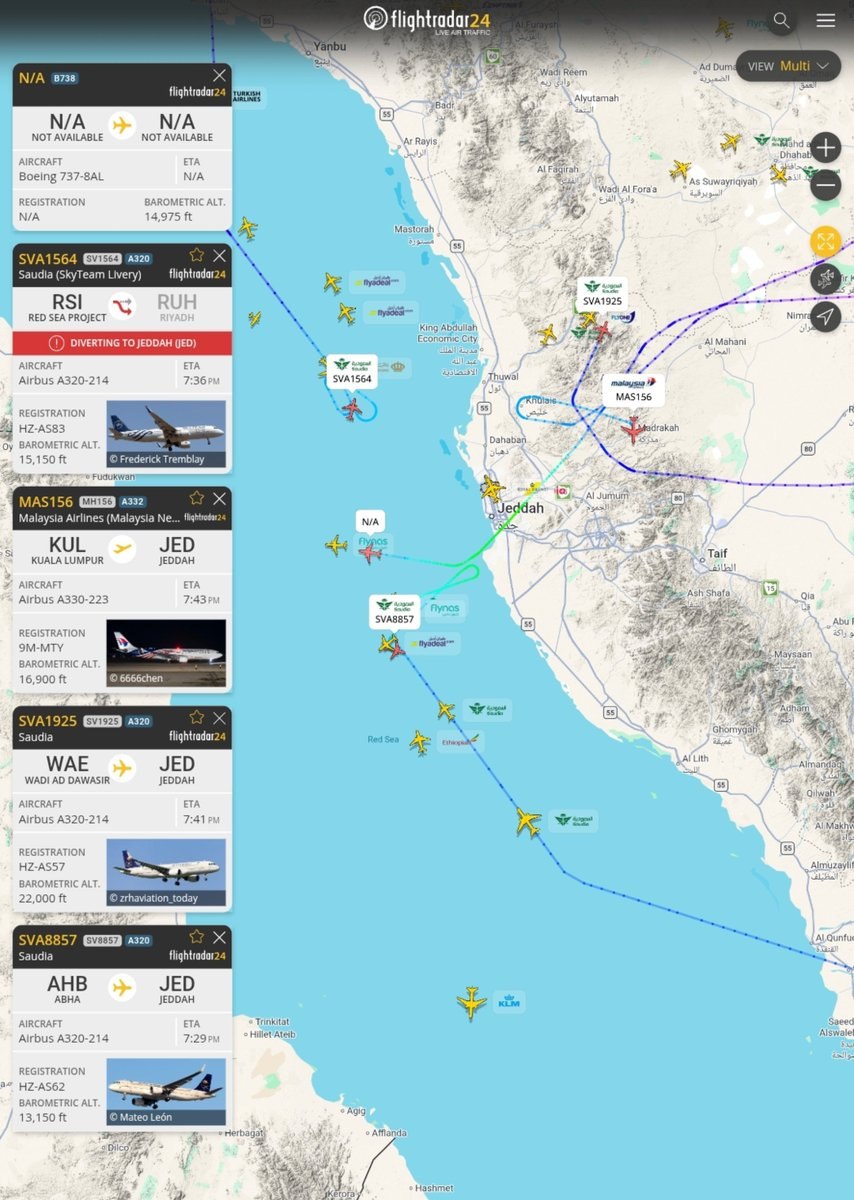
Simultaneously, the western city of Jeddah faced a coordinated missile and drone threat. At 16:14, monitor_the_situation reported that missile and drone activity from Yemen forced a temporary airspace shutdown, with a Turkish combat drone landing at King Faisal Naval Base as a precaution. Shortly thereafter, at 16:13, rnintel detailed an ongoing missile and drone attack on King Abdulaziz International Airport, causing multiple flights to hold in the vicinity.
The attacks underscore a pattern of simultaneous strikes on both eastern and western Saudi air hubs, complicating air traffic management and emergency response coordination.
Weaponry and Perpetrators
The majority of the kinetic events involved rockets, ballistic missiles and drone‑borne munitions. The Houthi movement, operating under the name Ansarallah, claimed responsibility for the missile strike on Riyadh Airport at 17:43 (reported by idkunim_il) and the rocket attacks on KKIA and Ghawar. Their arsenal includes short‑range rockets, medium‑range ballistic missiles and improvised drones, reflecting an expanding capability to strike deep within Saudi territory.
Humanitarian Impact and Medical Response
Medical facilities in Riyadh were placed on high alert. Doctors were summoned to multiple hospitals, with at least five patients admitted to intensive care units, as reported by rnintel. The King Fahd Hospital, designated for emergency trauma care, received the majority of the critically injured from the Riyadh Airport incident. At KKIA, the influx of casualties strained emergency services, prompting the deployment of additional ambulances and air‑lifted evacuation assets.
Strategic and Economic Consequences
Beyond the immediate loss of life, the attacks have broader strategic implications. The suspension of Riyadh Airport operations disrupts diplomatic travel and hampers the movement of business delegations attending two major energy and investment conferences scheduled for later in the month. Despite the disruptions, organizers confirmed that the conferences will proceed, reflecting a resolve to maintain economic continuity.
The Ghawar oil field incident, while not yet resulting in a measurable output decline, poses a risk to global oil markets. Any sustained damage to the field or associated gas plants could trigger price volatility, given Saudi Arabia’s pivotal role in OPEC supply decisions.
Pattern of Escalation
The clustering of attacks on 10 October suggests a coordinated campaign aimed at undermining Saudi critical infrastructure, projecting power from Yemen, and leveraging kinetic strikes to extract political concessions. The use of both conventional rockets and more sophisticated ballistic missiles indicates an evolution in the Houthi’s operational reach.
International observers, including the International Maritime Organization, have noted a parallel increase in maritime threats in the Strait of Hormuz, further highlighting a regional escalation that could affect global energy transit routes.
Conclusion
Saudi Arabia’s response to the multi‑front kinetic assault on 10 October 2026 demonstrates the kingdom’s capacity to mobilize emergency services, enforce airspace security, and maintain critical economic activities amid heightened threat levels. Continued monitoring of Houthi missile and drone capabilities will be essential for anticipating future attacks and mitigating their impact on civilian populations and global energy markets.