On 10 October 2026, intercommunal fighting in Rumbek, South Sudan, erupted into the deadliest incident of the day, leaving at least 71 people dead as government security forces reclaimed the town from armed outsiders. The clash underscores a broader pattern of intensified violence that unfolded simultaneously in Yemen, Libya and the Lebanon‑Syria border region, where air, ground and drone operations inflicted further casualties and destabilised fragile security environments.
South Sudan: Rumbek clashes
At 00:01 GMT, government security forces entered Rumbek after reports that armed outsiders had attempted to seize the town. A brief but ferocious exchange resulted in the death of 71 civilians and combatants, according to Al Jazeera. No weapons were reported as being used by the outsiders, and the government forces did not disclose the armaments employed in the retaking. The incident highlights the persistent volatility in the Upper Nile region, where ethnic and political tensions frequently erupt into lethal confrontations.
Source: AlJazeera, https://www.aljazeera.com/news/2026/10/10/intercommunal-clashes-kill-71-people-in-south-sudan?traffic_source=rss
Yemen: Saudi‑led coalition airstrike
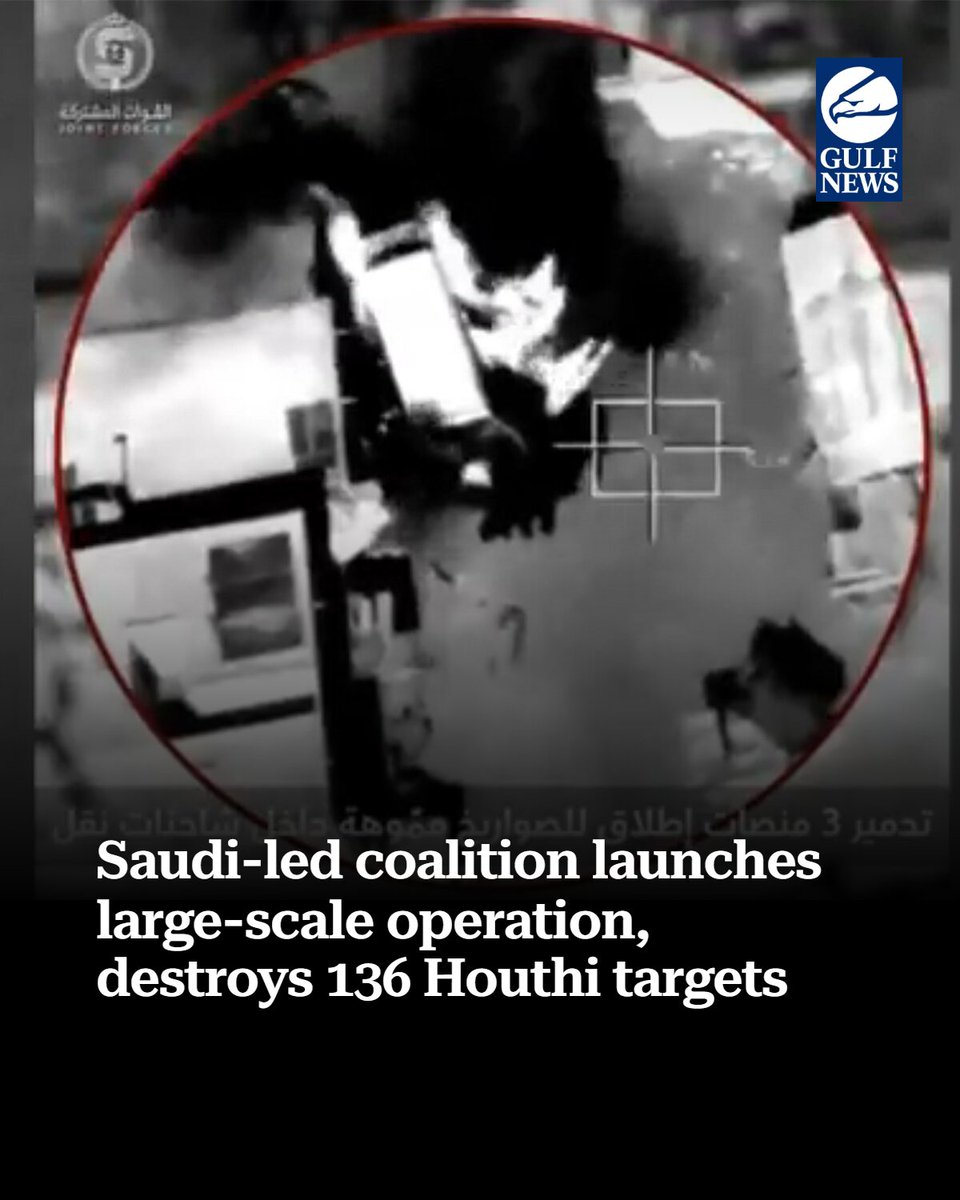
At 05:33 GMT, the Saudi‑led coalition launched a large‑scale air operation across Yemen, targeting the Houthi ballistic‑missile network. Coalition officials claimed the destruction of 136 missile‑related targets using fixed‑wing aircraft, providing continuous air support to Yemeni government forces. The operation, reported by the monitor_the_situation channel, was presented as a decisive blow against Houthi capabilities, though independent verification of target damage remains pending.
Source: monitor_the_situation, https://t.me/monitor_the_situation/35849
Yemen: Ansarullah advances near Taizz
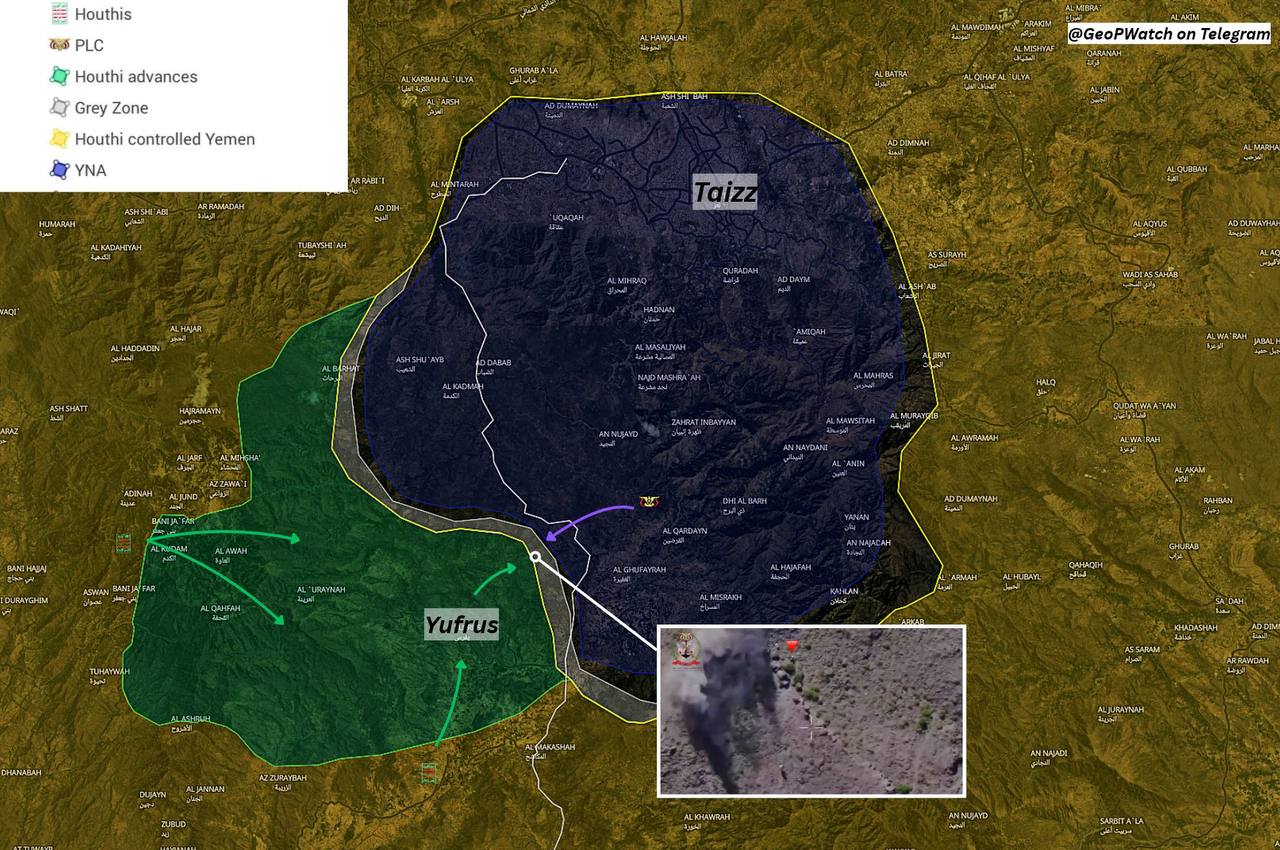
Earlier, at 01:43 GMT, the Ansarullah militia announced the elimination of a bridgehead southwest of Taizz and the capture of the Yufrus subdistrict within the Jabal Habashi district. The advance, documented by GeoPWatch, involved no reported use of heavy weapons, suggesting a rapid infantry maneuver that consolidated control over strategic terrain south of the city. The move expands Ansarullah’s foothold in central Yemen, raising concerns about further territorial shifts.
Source: GeoPWatch, https://t.me/GeoPWatch/40556
Lebanon‑Syria border: Israeli drone strike
At 00:22 GMT, an Israeli unmanned aerial vehicle (UAV) conducted a strike near the Lebanon‑Syria border, wounding six individuals—five Syrians and one Lebanese civilian. The drone attack, reported by Al Jazeera, underscores the ongoing cross‑border tension between Israel and militant groups operating in the area. No fatalities were recorded, but the incident adds to a series of recent UAV engagements that have heightened civilian risk in the border zone.
Source: AlJazeera, https://www.aljazeera.com/news/2026/10/10/israeli-drone-attack-wounds-six-in-lebanon-near-syria-border?traffic_source=rss
Libya: Military seizure of narcotics
In southeastern Libya, a Libyan military brigade engaged smugglers in a firefight that resulted in the seizure of over 1.3 million narcotic pills. The clash wounded three soldiers, according to monitor_the_situation. While the operation did not involve conventional weapons beyond small arms, the large quantity of seized contraband points to the entrenched role of illicit trafficking in fueling armed groups and destabilising the region.
Source: monitor_the_situation, https://t.me/monitor_the_situation/35847
The concurrent escalation across these theaters illustrates a multi‑front surge in conflict intensity. In South Sudan, the high civilian death toll signals a deteriorating security environment, while in Yemen, coordinated air and ground offensives by state and non‑state actors continue to reshape frontlines. The Israeli drone strike adds another layer of cross‑border volatility in the Levant, and Libya’s narcotics seizure highlights the intersection of crime and armed conflict. Monitoring these developments remains critical for assessing regional stability and humanitarian impact.